The Hermès heir, the missing shares and Bernard Arnault
Nicolas Puech says six million Hermès shares vanished from his accounts while LVMH was building its stake. In Paris, a civil suit and a criminal inquiry are still trying to find out where they went.
The oldest rivalry in French fashion has found a new battlefield, and it is a ledger. Nicolas Puech, a fifth-generation descendant of Thierry Hermès, is asking the courts in Paris to explain how roughly six million Hermès shares, about 5.8% of the company and today worth around ten billion dollars, disappeared from his name without his knowledge.
His civil suit, filed in May 2025, names Bernard Arnault, his family holding companies and several Swiss entities linked to Puech’s former wealth manager, Eric Freymond. It seeks around €14 billion in damages from whoever is found liable in a parallel criminal inquiry. The first hearing took place in November 2025. The case remains at an early stage, and the documents involved are formidable.
A fortune entrusted, a fortune gone
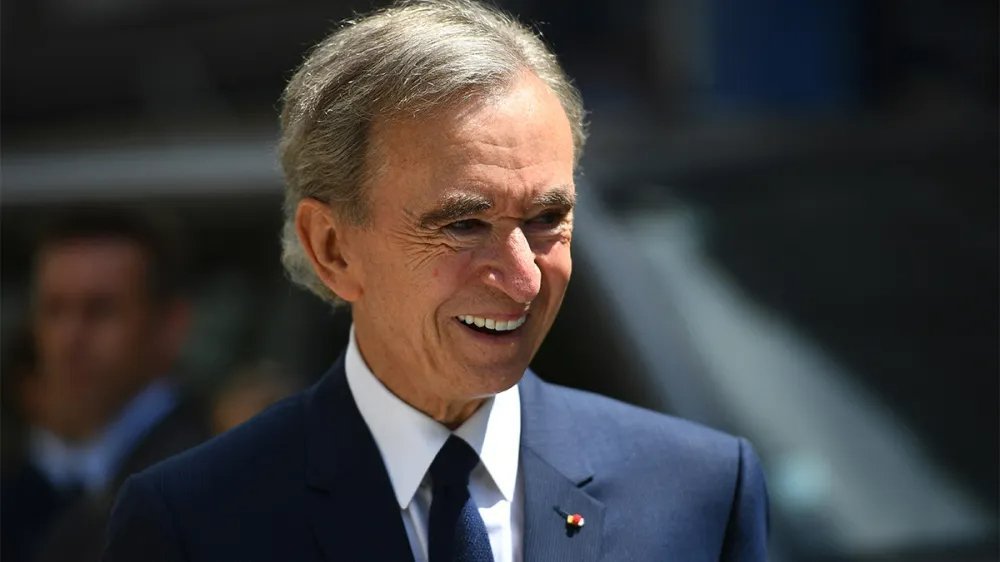
BERNARD ARNAULT, WHOSE PURSUIT OF HERMÈS STILL CASTS A LONG SHADOW. IMAGE: PRESS
For decades Puech, now in his eighties and living in Switzerland, gave Freymond sweeping authority over his affairs, including direct access to his bank accounts. He says he only discovered in 2022, after ending that relationship, that the shares were gone. His theory is that they passed, directly or otherwise, to LVMH while Arnault was quietly accumulating his stake in Hermès in the 2000s.
The Swiss courts have not been sympathetic. In July 2024 an appeal court in Geneva found that Freymond had acted within the scope of his mandate, reasoning that Puech had placed full and unrestricted trust in him. Freymond, who denied any wrongdoing, died in July 2025 after being struck by a train in Switzerland; prosecutors in Bern concluded it was suicide. His death removed the one witness who might have explained the trail.
A pact from 2002
The story took a sharper turn in September 2026, when a document came to light showing that in November 2002 an LVMH executive and Freymond signed an agreement for the group to buy millions of Hermès shares from Puech and other heirs, the purchases to begin after the retirement of the then chief executive, Jean-Louis Dumas. LVMH says the agreement was suspended pending proof that Freymond could act for Puech, was never carried out and was destroyed in 2010. In a court filing in June 2026, the group denied ever seeking Puech’s stake, arguing that its strategy had been to court him as an ally, and said any purchase of his shares would have been unintentional. Payments by LVMH and the Arnault family holding to Freymond’s firm between 2001 and 2009 reportedly ran to at least $20 million.
LVMH’s public position has not moved: it denies ever holding, managing or misappropriating Hermès shares belonging to Puech and has described the claims as unfounded and part of a coordinated press campaign.
The siege that never ended
The case revives one of the boldest manoeuvres of Arnault’s career. Between the early 2000s and 2010, LVMH built a 23% stake in Hermès, largely through derivatives that kept it out of sight until it was announced. The family responded by locking more than half of its shares into a holding company, H51, designed to make a takeover impossible. Puech, conspicuously, stayed outside it. In 2013 the French market regulator fined LVMH over its disclosures, and the following year the group distributed its Hermès shares to its own shareholders.
Puech left the company’s supervisory board in 2014. Hermès itself has said it does not expect him to recover the stake. The family, around a hundred descendants who together control roughly two thirds of the house, remains one of the richest in Europe.
At Hermès, everything is meant to last: the saddle stitch, the leather, the family that owns it. What Paris must now decide is whether one heir’s fortune simply slipped away, or was taken, in the long shadow of a siege that the house thought it had won.
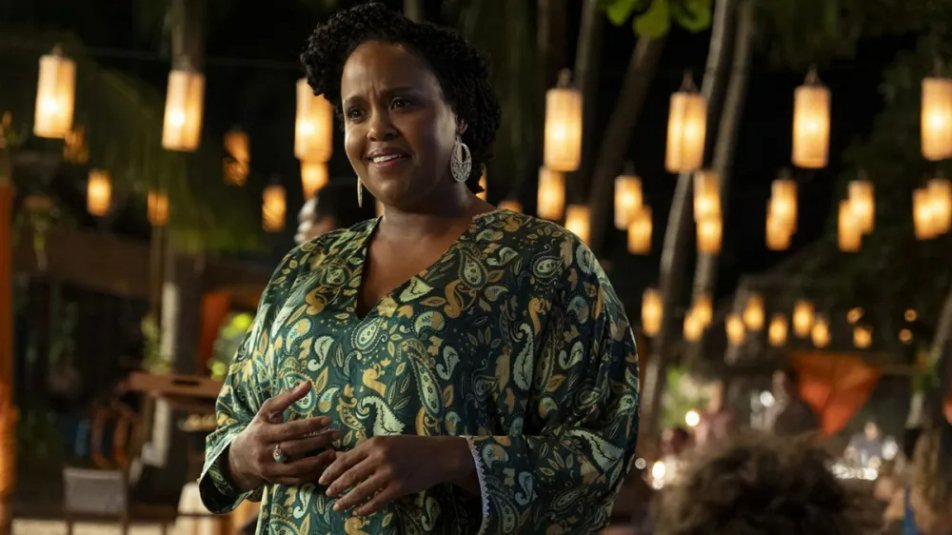
Mike White's fourth season unfolds during the Cannes Film Festival, between a castle in Saint-Tropez and the Croisette. The subject this time is fame, and the series is due on screen in 2027.
Derek Ridgers' Hello, I Love You gathers kisses caught by flash on London nights in the early 1980s. Seen today, the pictures record something more fragile than romance: a night that did not need to be documented to exist.
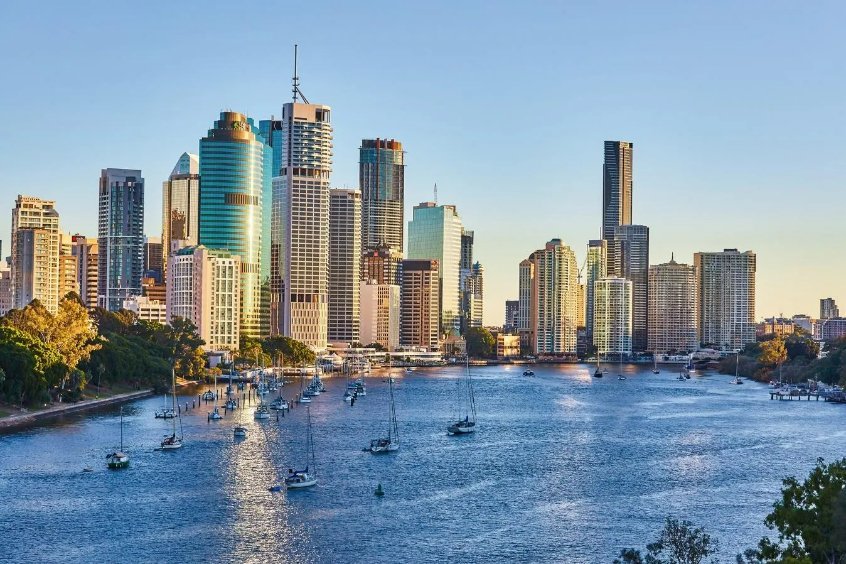
Brisbane leads a 50-city index of the best places to raise children, ahead of London and Auckland. The ranking reads less like a league table than a verdict on how cities choose to spend space, time and money.