Charvet’s value lies in the shirt, but also in the knowledge required to make it. The reported acquisition by Chanel places that expertise at the centre of a business decision involving one of Paris’s established menswear institutions.
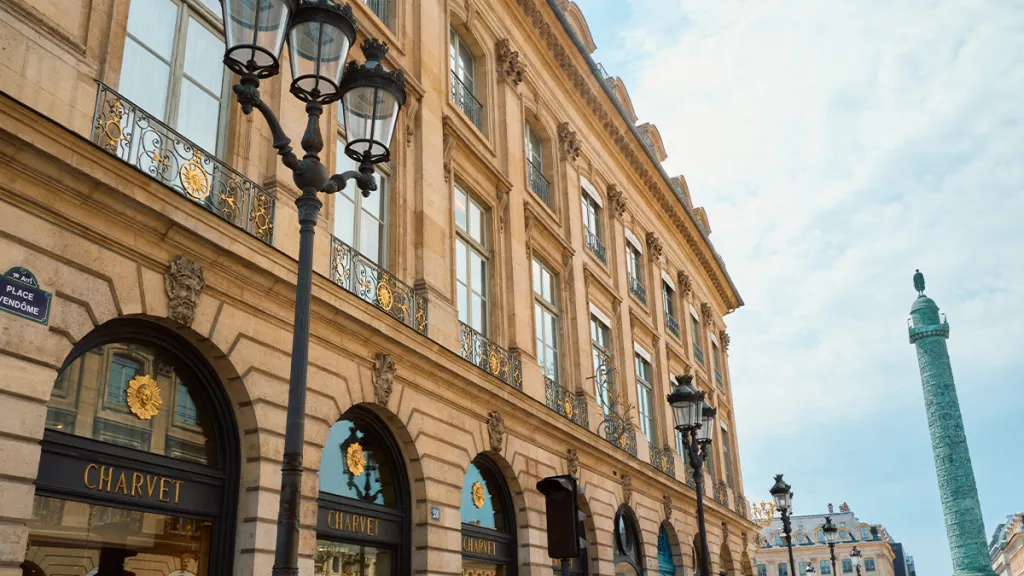
Founded in 1838, Charvet operates from Place Vendôme with a reputation built around fabric, fit and a direct relationship with its customers. Its identity does not depend on a rapid sequence of seasonal reinventions. It depends on small decisions made consistently across the construction of a garment.
The workshop behind the name
A shirt’s apparent simplicity can conceal the number of choices involved. The weave changes the surface and weight of the cloth; the collar alters the relationship with a tie and jacket; the proportions determine how the garment behaves when worn rather than displayed.
Charvet’s personalised approach places those decisions within a conversation with the customer. That accumulated knowledge is a different asset from the visibility of a logo. It is also harder to reproduce by opening more outlets or enlarging an advertising budget.
A specialist within a larger structure
The July 2026 acquisition report, including coverage by El País, framed the deal as another move by Chanel towards specialised masculine dress. The significance is the addition of an established practice, not evidence that Chanel’s principal fashion collections are being replaced by a new menswear programme.
A larger company can provide resources and continuity. It does not automatically guarantee that every operating detail, distribution decision or customer experience will remain unchanged. Those future conditions need to be distinguished from the longstanding character of the business being acquired.
Place Vendôme remains the reference
The Paris address gives Charvet a visible home, but the institution’s authority comes from what happens inside it. The customer returns for a particular understanding of cloth and construction, not simply because the building belongs to a famous square.
The transaction matters most if it preserves that relationship. Charvet supplies a reminder that a wardrobe can be built through precision rather than volume, and that an apparently ordinary object can sustain an extraordinary depth of practical knowledge.
From cloth to pattern
Custom shirtmaking is a sequence of decisions rather than a single fitting. The cloth has to suit its use, the collar has to work with the wearer’s proportions, and the sleeves have to allow movement without losing their line. The finished result cannot be judged completely from a folded shirt.
Le Monde’s account describes measurements leading to an individual pattern, followed by a toile and prototype. It distinguishes that process from ready-to-wear and other personalisation services. Those categories should not be collapsed into one promise of a bespoke garment.
After a change of ownership, the consequential question is what happens to that chain of judgement. Keeping the famous address is visible. Maintaining the time, trained hands and customer records needed to refine a pattern is less visible, but more important for the shirt.
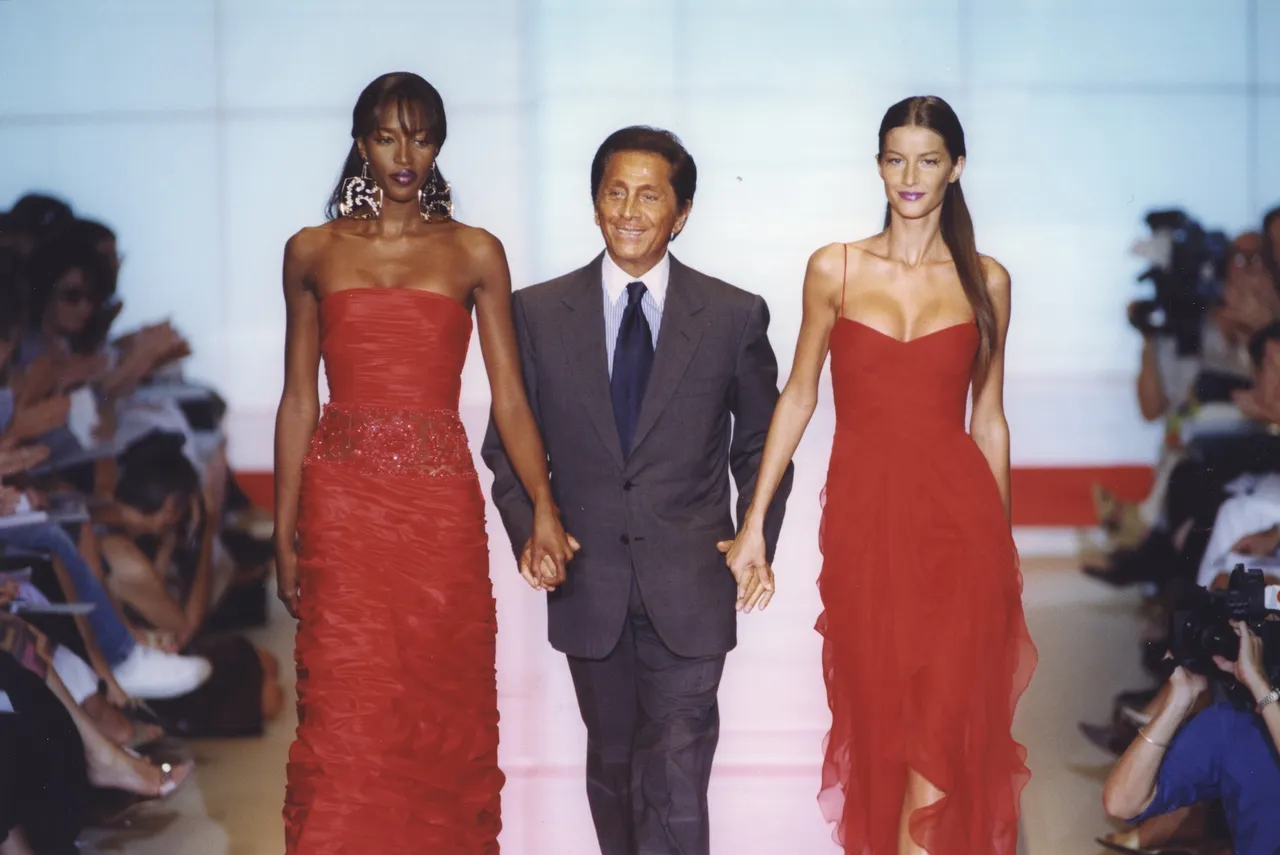
Valentino Garavani died at home in Rome in January 2026, at 93. From his Paris apprenticeship and the red that bears his name to the Florence show that made him and the foundation he built with Giancarlo Giammetti.
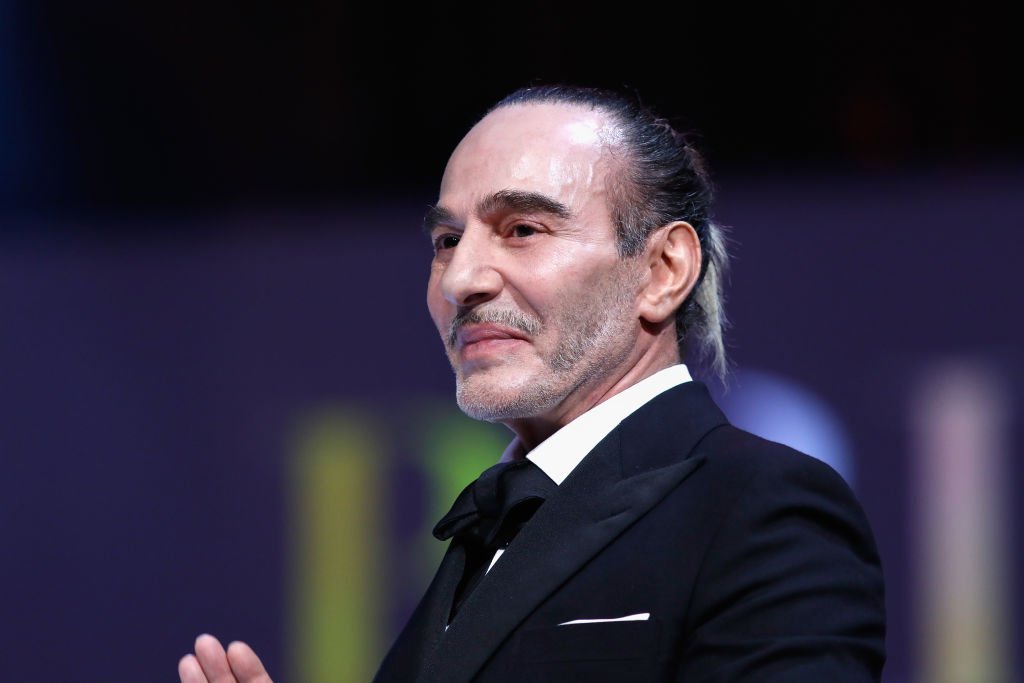
The Metropolitan Museum of Art and John Galliano have jointly cancelled Horizons, the Costume Institute retrospective due to open with the 2027 Met Gala, after a backlash over the designer's past antisemitic remarks.
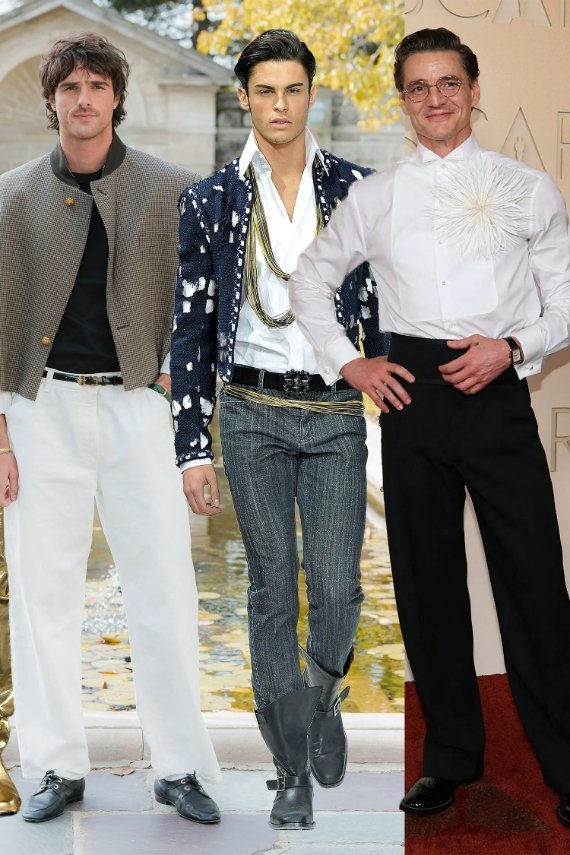
Chanel has never launched a men's line, and says it has no plans to. From Gabrielle Chanel and Karl Lagerfeld to Harry Styles, Pedro Pascal and Jacob Elordi, the house has built a menswear of suggestion instead.