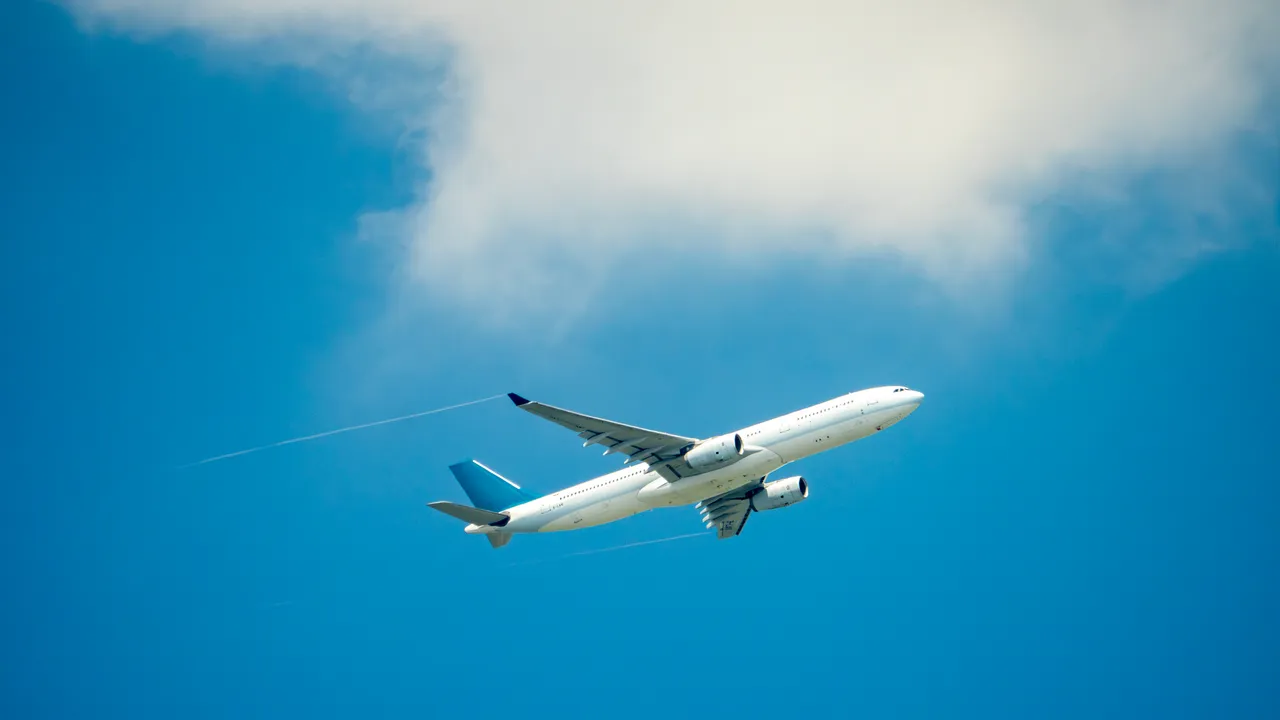
Cirrus Vision Jet G3: the personal jet grows up, from the cabin forward
The third generation of the world's first single-engine personal jet seats six adults and a child, rethinks every seat in hand-wrapped Alcantara and lets the pilot text air traffic control. Refinement rather than revolution.
Some machines arrive as a dare and stay long enough to become a habit. When Cirrus put the Vision Jet into service in 2016, a jet with a single engine mounted on its back and a parachute for the whole airframe sounded like a provocation. A decade and more than 700 deliveries later, the third generation speaks in a calmer voice. The G3 is not a reinvention. It is maturity, expressed mostly where the passengers sit.
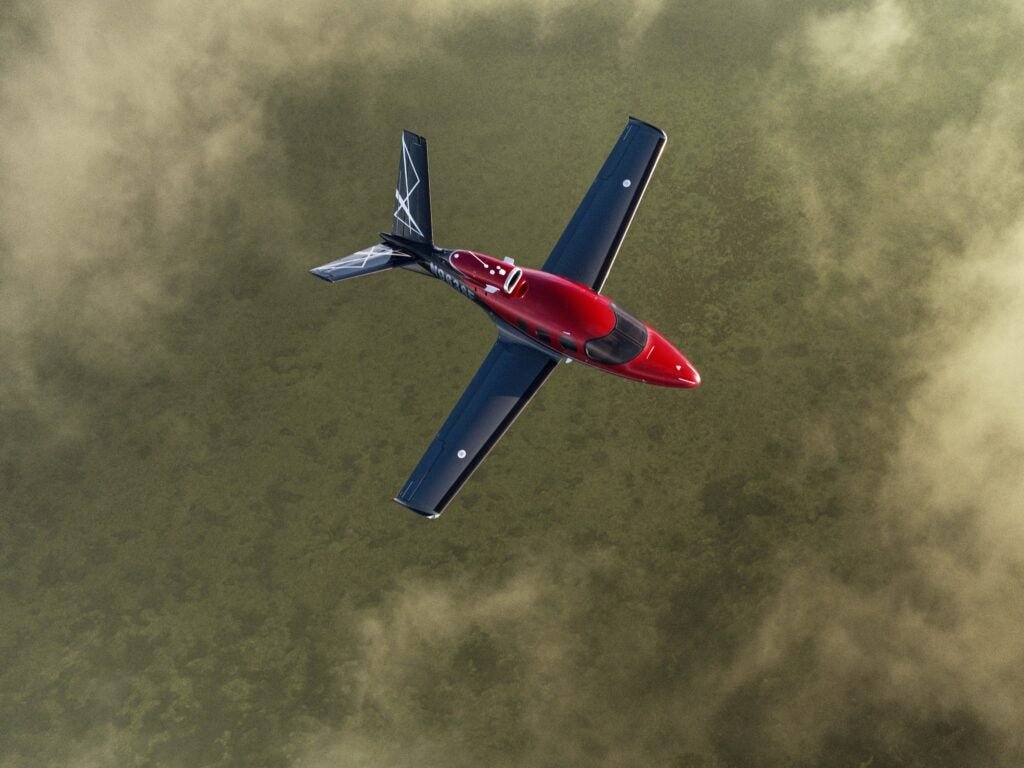
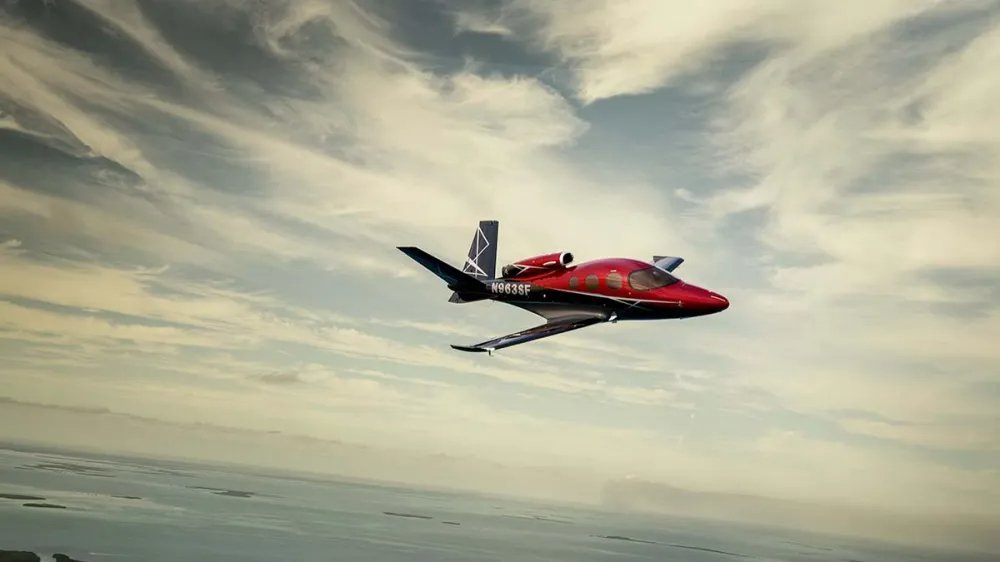
Single engine, mounted above the fuselage. Image: Cirrus Aircraft
From provocation to habit
The Vision Jet created its own category: the world’s first single-engine personal jet, an aircraft meant to be flown by its owner rather than by a professional crew. The second generation followed in 2019. Cirrus, citing the General Aviation Manufacturers Association, describes the model as the best-selling jet in aviation. The G3, introduced at the end of January 2026, keeps the formula and refines more than thirty details around it.
The cabin, rethought
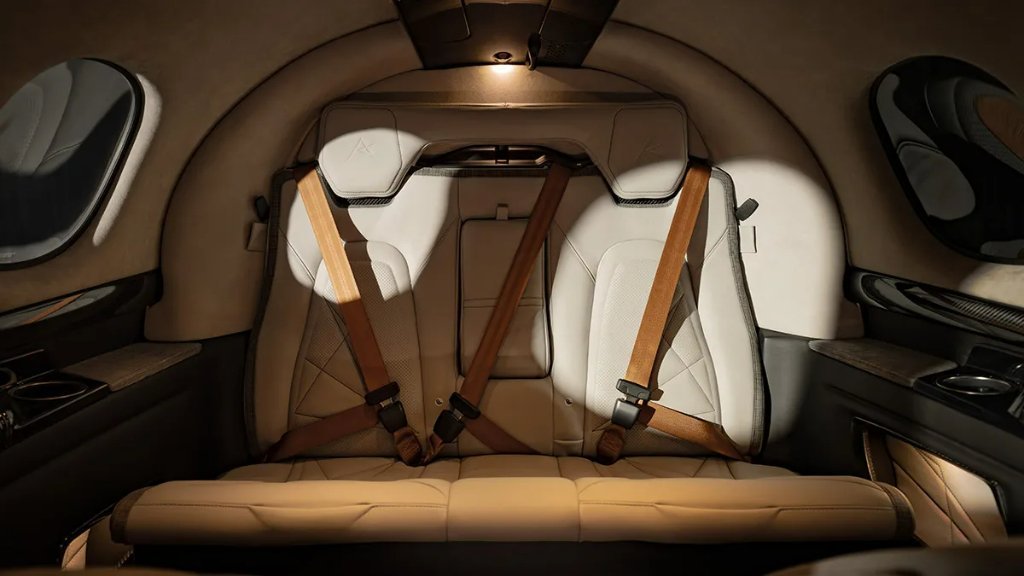
The most visible change is behind the pilot. A new third-row bench brings the cabin to seven places, six adults and one child, in the Premium and Arrivée trims and in Xi Designed aircraft. The middle and rear seats are modular and can be removed, so the same aircraft can carry a family on one day and luggage for a long weekend on the next.
Seven places: six adults and one child. Image: Cirrus Aircraft
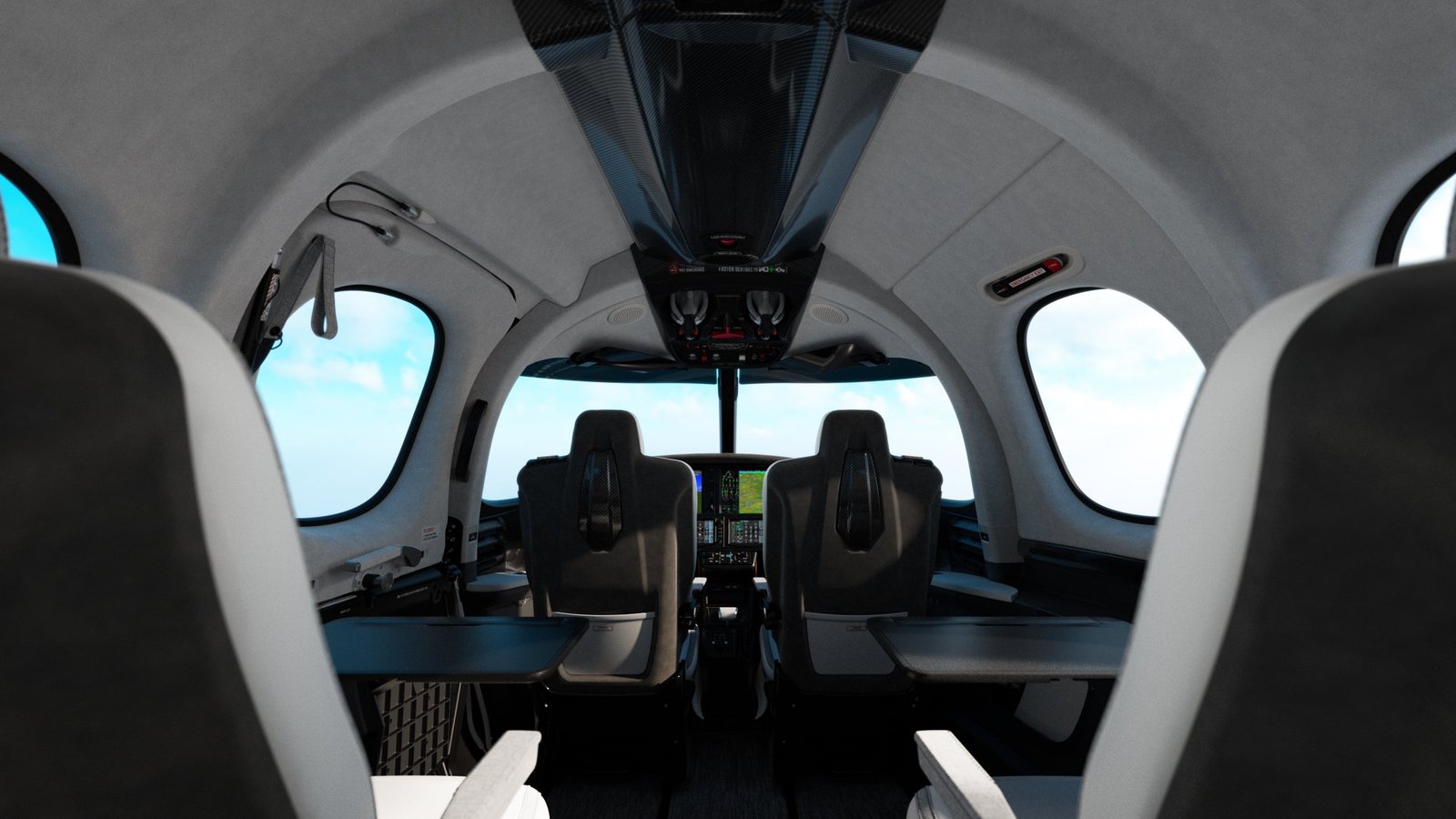
Every seat has been redrawn. Bolstering adds support at the head, arms and knees; the pilot and co-pilot seats now slide to their full aft position with one hand. Each seat back is a hard shell wrapped by hand in Alcantara, with carbon fibre on the Arrivée version. New tray tables and mounts for personal devices address the ordinary business of spending two or three hours in a small cabin, and the colour range grows to two new standard schemes, five premium options and an Arrivée collection shared with the SR Series piston aircraft.
Hard-shell seat backs, wrapped by hand in Alcantara. Image: Cirrus Aircraft
In a small jet, luxury is not square metres. It is the absence of compromise in the few that exist.
A quieter cockpit
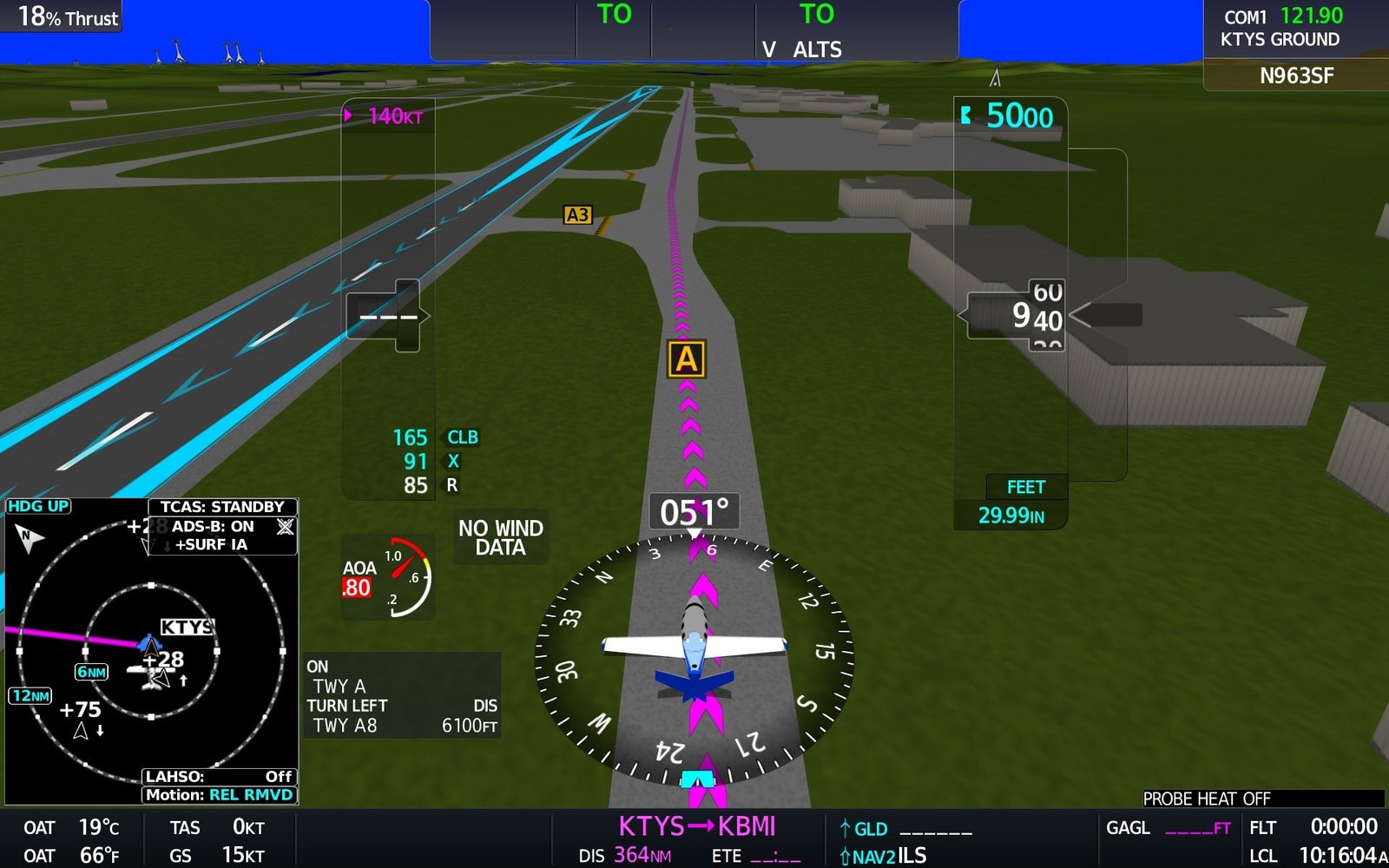
Up front, the Perspective Touch+ avionics gain ATC Datalink, which lets the pilot exchange text messages with air traffic control for route changes and altitude assignments, reducing the radio workload of a single-pilot flight. Checklists now open automatically alongside caution and warning alerts, taxiway routing and 3D SafeTaxi guide the aircraft on the ground, and databases can update themselves with a Cirrus IQ PRO Advanced subscription. Outside, the new Spectra wingtip and landing lights are 2.7 times brighter, with a halo that lights the ramp.
Perspective Touch+, now with ATC Datalink. Image: Cirrus Aircraft
Safety as a design principle
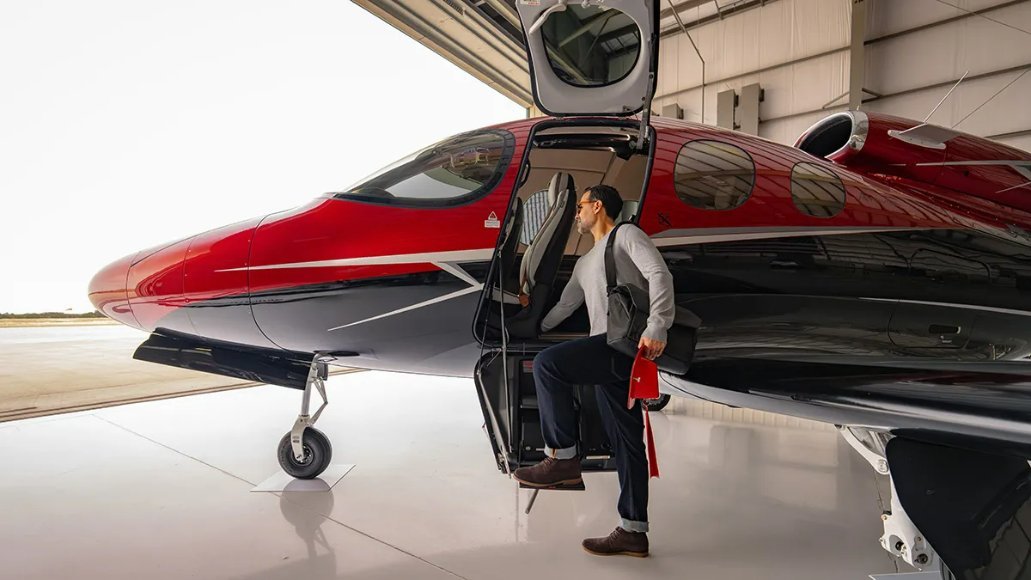
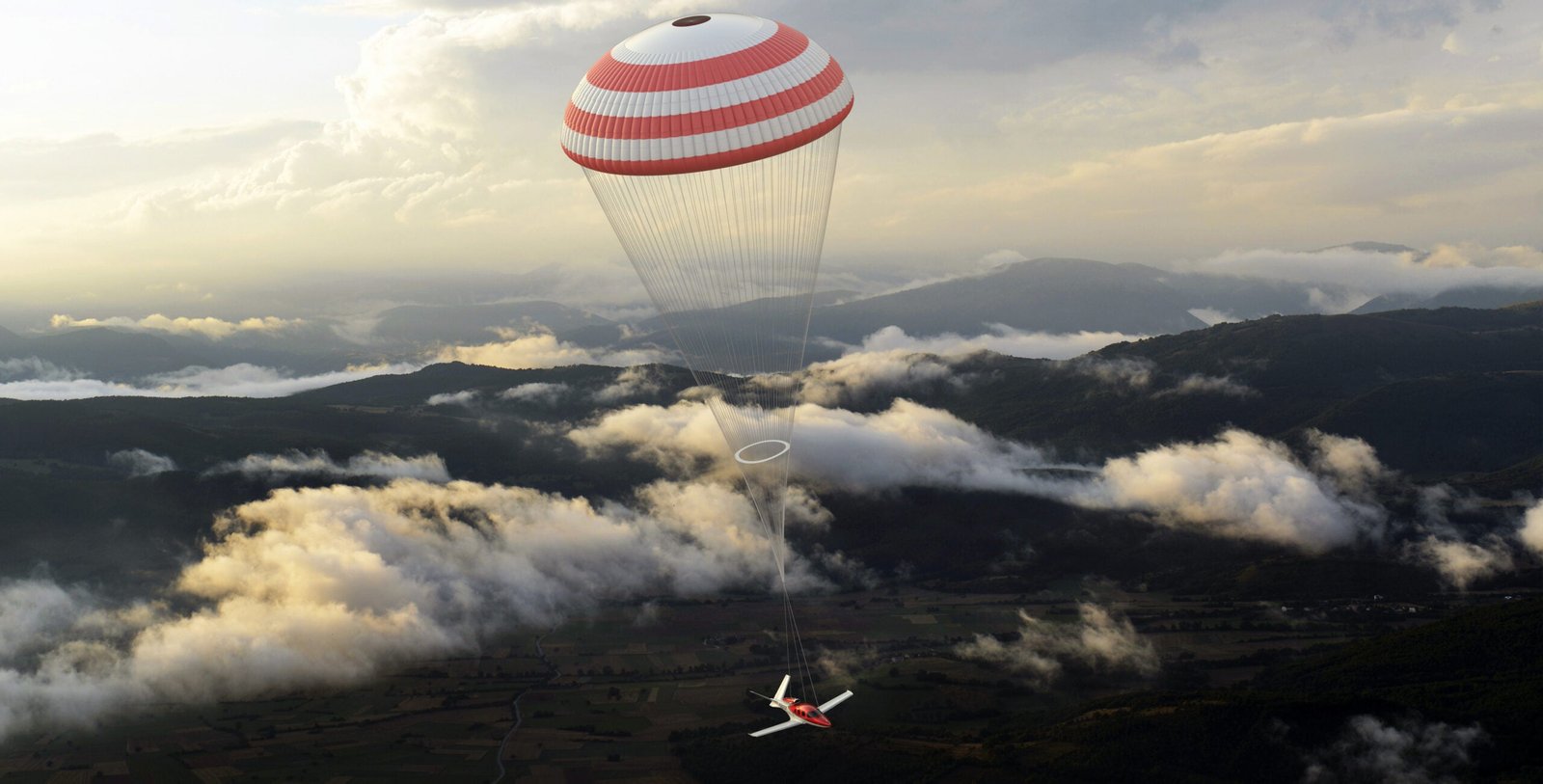
Two systems remain the foundation of the project. The Cirrus Airframe Parachute System, standard equipment and the first whole-airframe parachute certified by the FAA, can lower the entire aircraft to the ground. Safe Return Emergency Autoland, activated by a single button, allows a passenger to have the aircraft fly to the nearest suitable airport and land itself if the pilot becomes incapacitated. Neither replaces the pilot. Both change what an owner-flown jet can promise the people in the back.
The Cirrus Airframe Parachute System, standard equipment. Image: Cirrus Aircraft
The right scale
Under the V-tail, a Williams International FJ33-5A turbofan gives the G3 a maximum range of 1,275 nautical miles and a maximum cruise of 317 knots. Those are figures for a regional aircraft, not a transatlantic one, and that is the point. The Vision Jet does not try to imitate a larger business jet in miniature. Its value lies in matching the cabin, the payload and the mission to the people actually travelling: a family weekend, a two-hour business hop, an owner who prefers to fly himself. Seven seats describe the places available; on any given flight, passengers, baggage and range still have to be planned together.
The Generation 3 Vision Jet. Image: Cirrus Aircraft
The jet that once arrived as a dare now behaves like a well-made tool: quieter in the cockpit, kinder in the cabin, honest about its scale. In private aviation, as elsewhere, the confident gesture is the one that refines rather than shouts.
Two years after leaving Belfast, the Villa Vie Odyssey is more than 85 per cent sold and has a sister ship, Legacy, due in early 2029. Inside the idea of a home that never stays in one port.
After more than a decade of negotiation, the EU's revised air passenger rights regulation was published in October 2026. It guarantees a free personal item and fares shown with hand baggage included, but not a free cabin trolley, and it applies from October 2027.
Singapore Airlines still owns the two longest scheduled routes on earth, at more than 15,300 km each. A 24-hour Airbus test flight in July showed how far the ranking is about to stretch.