El Niño on the Horizon: Why a European Winter Is Still Worth the Trip
Travel specialists explain how to plan a European winter under a strong El Niño: culture-rich cities, Lapland for snow and high-altitude Alpine resorts.
A European winter never promised clear skies, and perhaps that is part of its charm. This year the forecast arrived before the suitcase: according to NOAA’s Climate Prediction Center, the probability of a strong to very strong El Niño between January and March 2027 is above 83 per cent. In Britain, the Met Office has already warned of more rain and storms across north-west Europe in autumn and early winter, with a greater chance of cold spells later on. The picture is striking, but for those who design journeys to Europe it is no reason to give up on the season. It simply asks for a different way of planning.
What the specialists are seeing
Duncan Greenfield-Turk, founder of Global Travel Moments, says many clients remain drawn to Switzerland, Germany, Scandinavia and Iceland for cold-weather trips, but sees no link to the forecast. “I wouldn’t say it’s the forecast driving that,” he says. Andrés Serra, head of operations at Optimise Travel, agrees, and for less obliging days he favours cities with deep cultural reserves, such as Rome, Vienna and Paris, where museums, restaurants and historic sites absorb any change of plan.
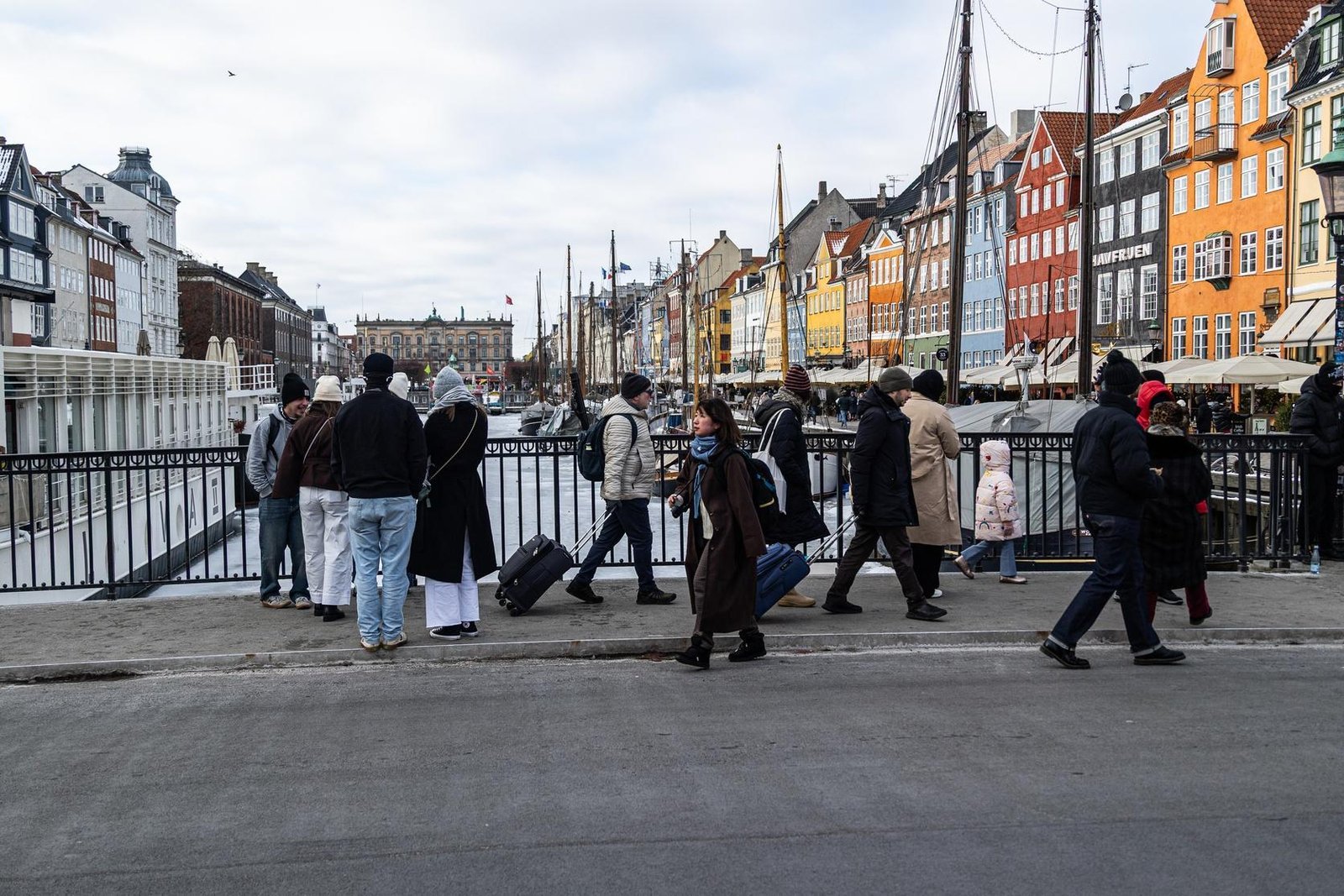
In Copenhagen, the cold is part of the city’s winter character.
Plan around what is open
Adam Nathan, founder of the trip-planning app Carmen, puts it plainly: build a European winter around what is operating, not around the weather. A city itinerary with indoor options leaves room to adjust, while gardens or ski resorts depend far more on seasonal access and conditions. Michelle Jolene, who writes about Europe as Empty Nest Rebel, spent last January in Copenhagen and describes the cold as part of the experience. “The traveller who dresses for it gets access to the city locals actually live in,” she says.
For milder temperatures, Francesco Mevoli, founder of Gay Up Travel, suggests Rome, Seville or Lisbon, and warns against itineraries that are too rigid: travellers tied to fixed timetables are the ones who end up walking in the rain. He also flags the other side of the seasonal map. Summer places such as the Greek islands and the Amalfi Coast can empty out in winter, with hotels closed and fewer ferries running, so check where to eat and how to get around, not only whether a room is available.
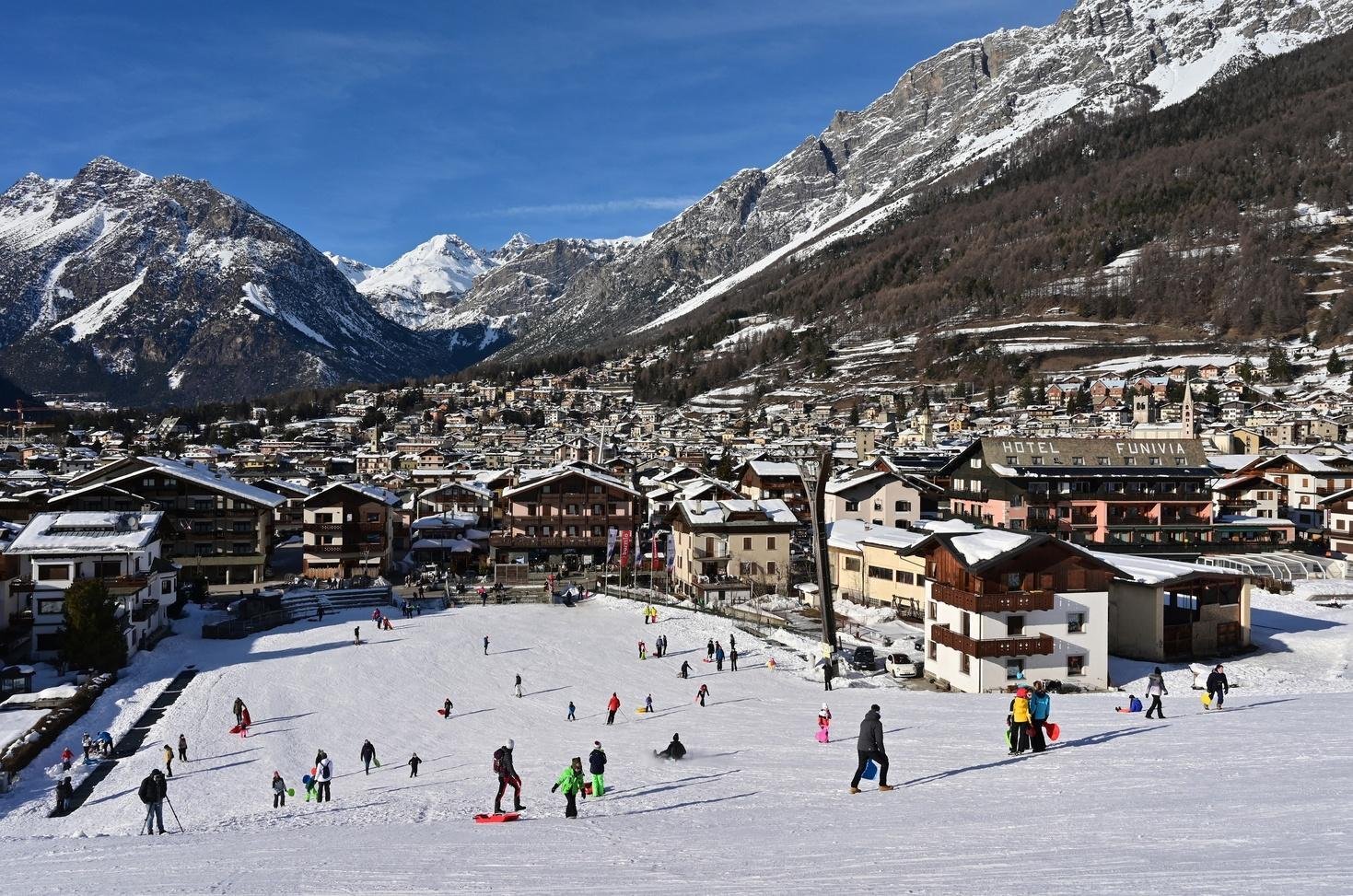
Higher Alpine resorts such as Cervinia offer more reliable snow.
For snow, ask sharper questions
For a snowy winter, Angelina Glugan, co-founder of the Helsinki-based Guidance DMC, recommends Finnish Lapland, where snow usually lies from late November to April. Even so, snow on the ground does not guarantee every activity, so ask operators what conditions they need and what the alternatives are. For the northern lights, she advises at least three or four nights. “The real variable up there is cloud cover,” she says.
Mevoli points to the Christmas markets of Dresden and Berlin as the safest bets for classic winter atmosphere. Dresden’s Striezelmarkt, first held in 1434, is Germany’s oldest documented Christmas market and opens every Advent whatever the sky. For skiing, Serra suggests high resorts such as Val Thorens in France or Cervinia in Italy, while noting that altitude alone guarantees nothing, and recommends flexible lodging and lift passes. In Alta Badia, Agustina Lagos Marmol of Dolomite Mountains advises booking with a local specialist who can shift the plan within the region. “Here you don’t ski a resort,” she says. “You ski across a whole region.”
El Niño or not, a European winter still rewards those who travel without hurry: itineraries with room to breathe, an extra night for the aurora, and the willingness to trade the piste for a museum when the sky decides otherwise.
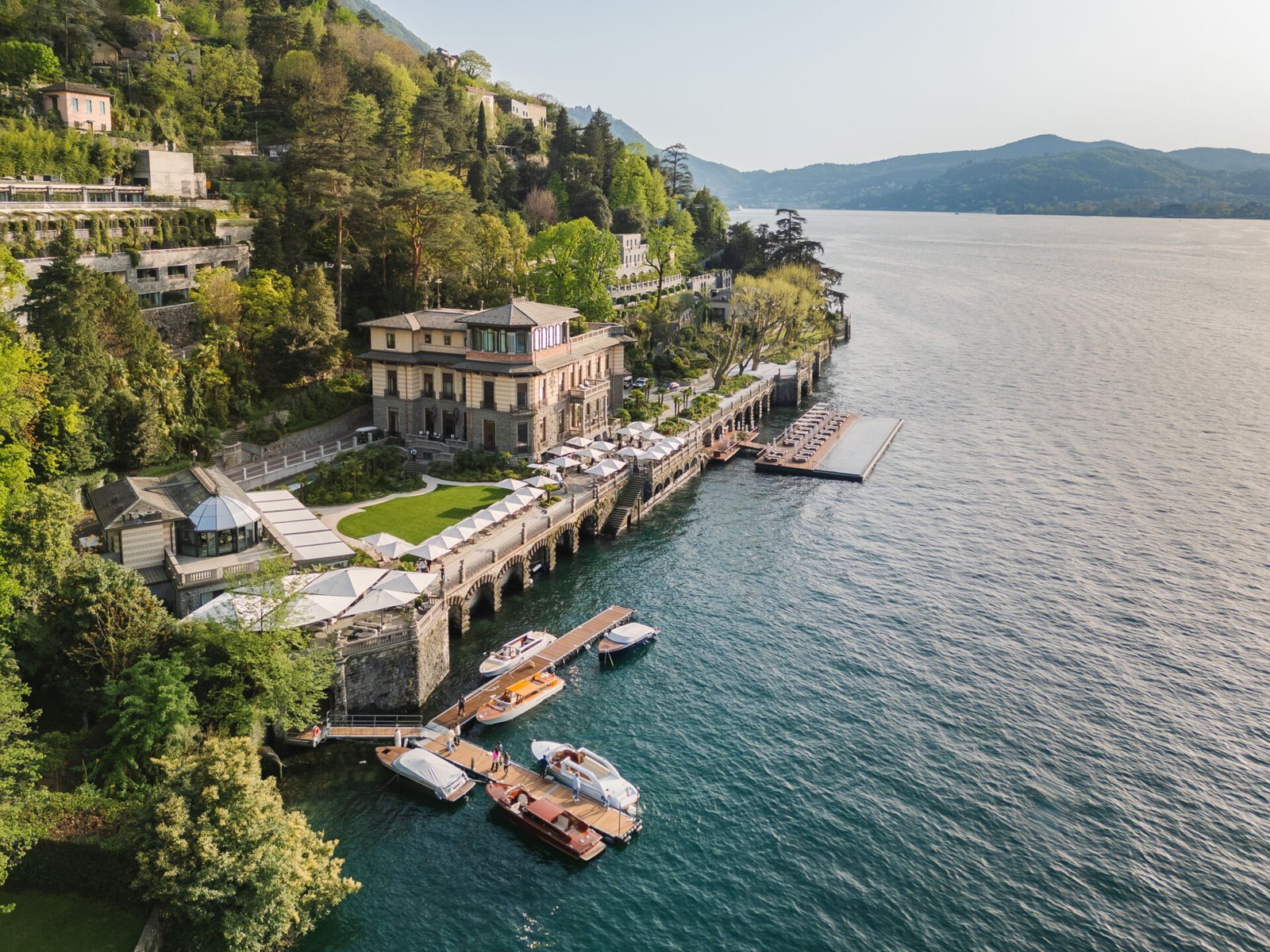
The independent LTI ranking puts Mandarin Oriental at the top for the fourth consecutive year, with 81.1 per cent, ahead of Oetker, Bulgari, Four Seasons and Rosewood. The full list of twenty brands.
The Swedish artist has reimagined the overwater slide that became Soneva's signature, and now returns to Soneva Fushi for a residency where guests make art beside him.
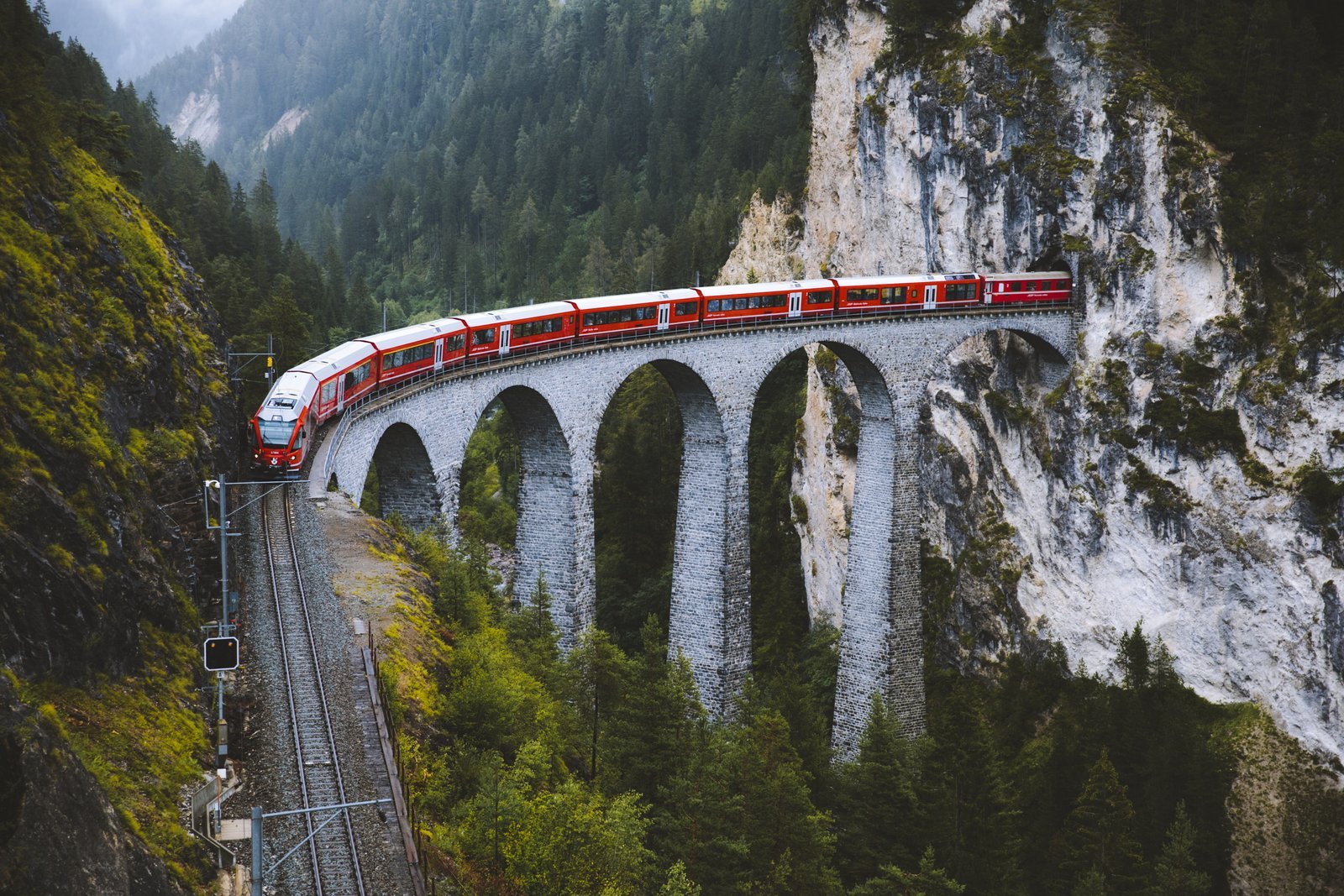
The Glacier Express, Bernina Express and GoldenPass Express do different work. Route, duration and railway engineering matter more than treating them as interchangeable panoramic trains.