Dining / Reportage
50 Best 2026: Etxebarri is finally No.1, and Japan has left the building
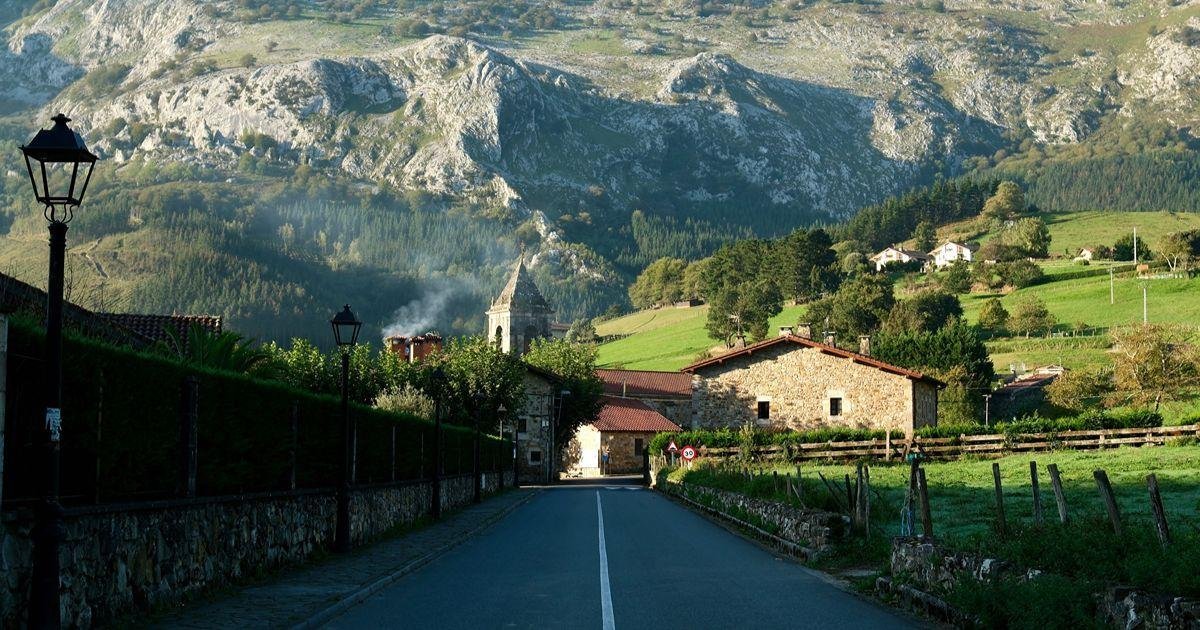
After two years as runner-up, Asador Etxebarri tops The 50 Best Restaurants 2026. Sixteen names change in the top 50, and Japan disappears from it.

THE CURATED EDITION.
Reportage / London
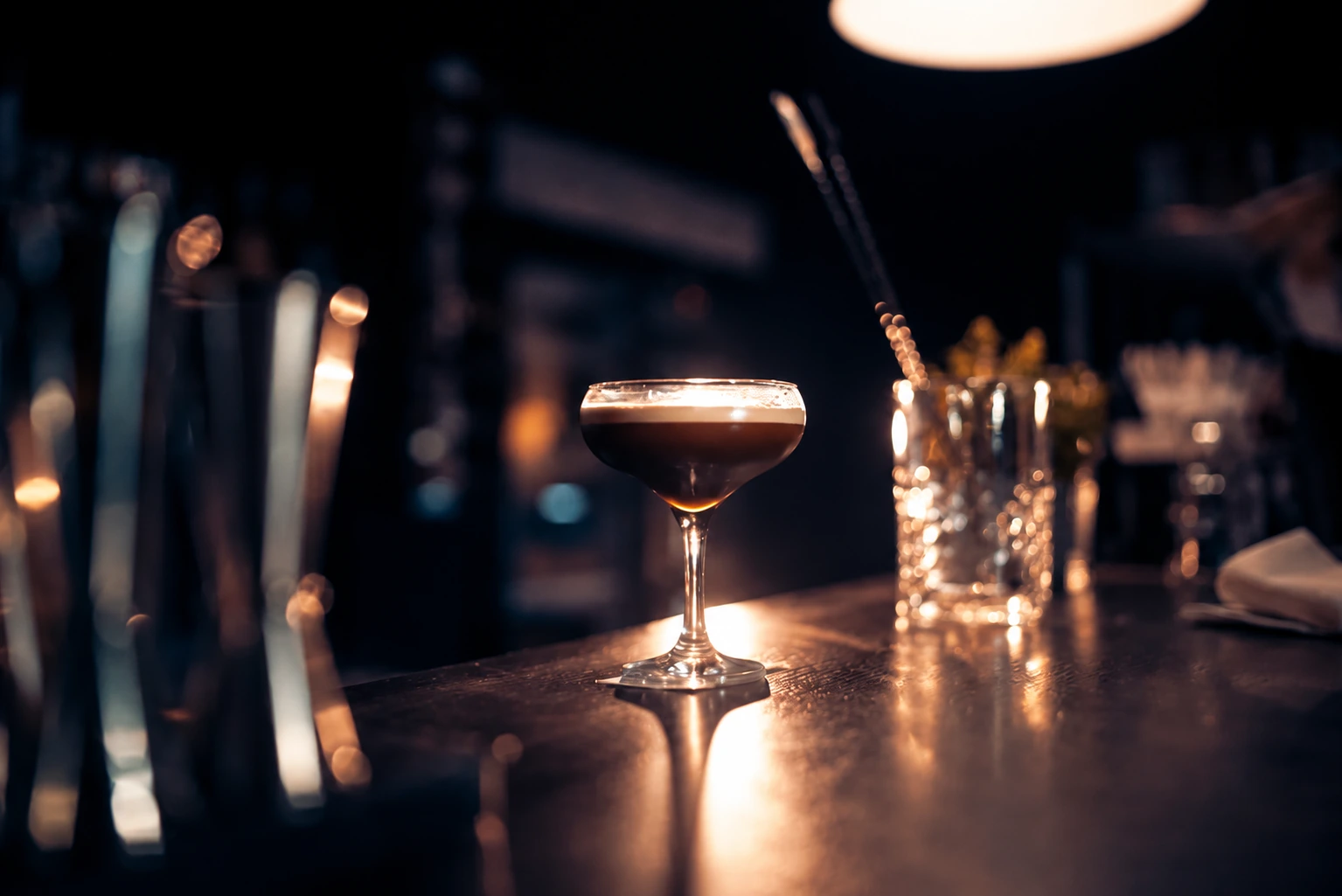
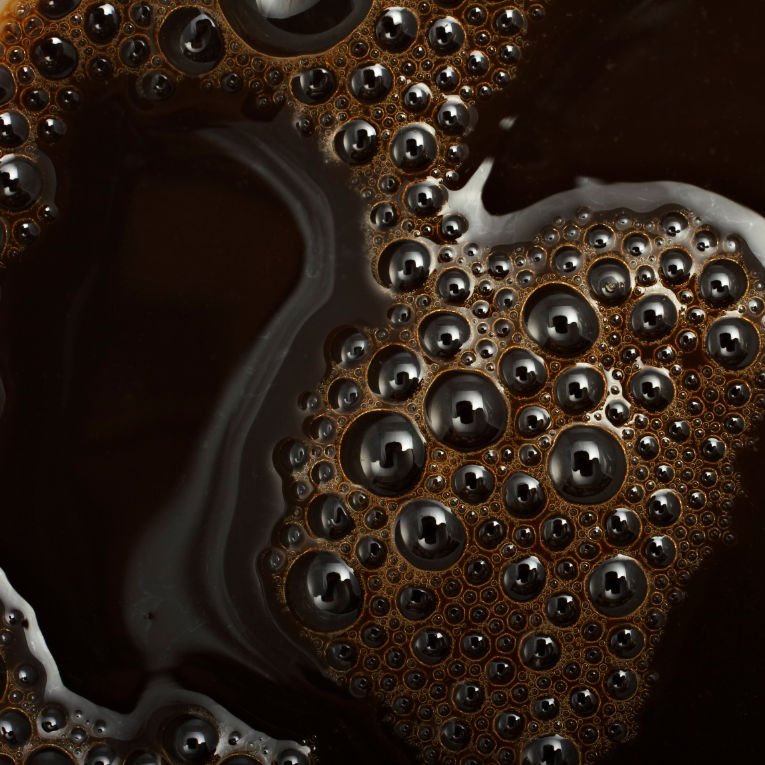
The foam is what everyone photographs. The drink is decided underneath it, in the coffee, the liqueur and the force of the shake.
DINING
The foam arrives first. The drink was decided long before it.
An Espresso Martini has three ingredients with three separate jobs. Espresso brings aroma and body, coffee liqueur brings sweetness and depth, vodka brings the backbone and stays out of the way. The shaker does the rest: it chills, dilutes and whips the coffee’s oils into the pale crown everyone photographs. Get any of the three wrong and the crown is only decoration.
The drink belongs to Dick Bradsell, the London bartender who shaped a generation of the city’s bars. Around 1983, at the Soho Brasserie on Old Compton Street, a customer, said to be a model, asked him for something that would wake her up. He answered with vodka and fresh espresso, served on the rocks as a Vodka Espresso. It found its Martini glass and its modern name at Match bar in Clerkenwell in the late 1990s, and in 1998, at The Pharmacy in Notting Hill, Bradsell renamed it the Pharmaceutical Stimulant to suit a menu of names supplied by Damien Hirst.
The identity of the model has never been settled. The structure of the drink has.
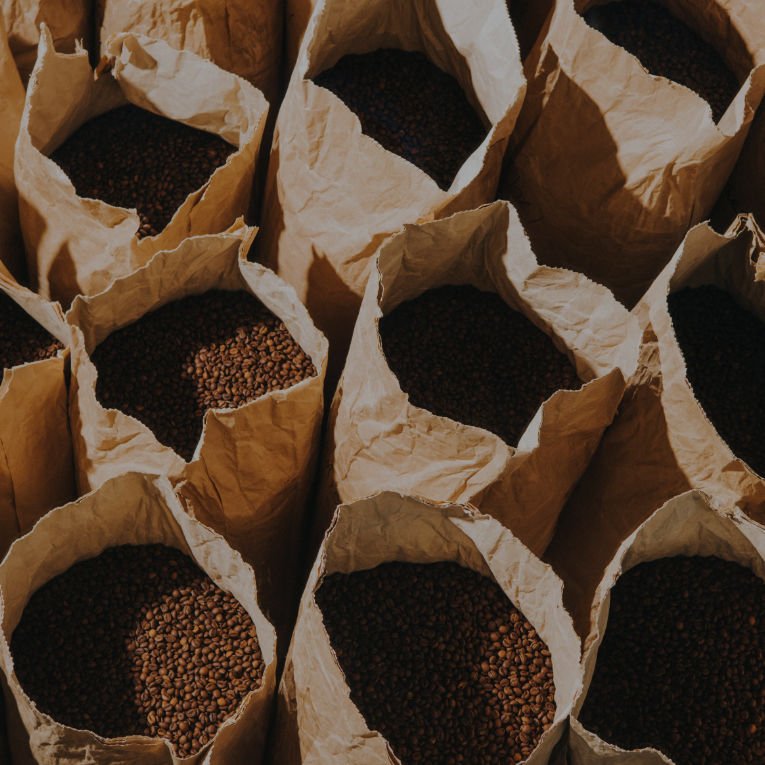
Fresh espresso is not a flavouring here. It is the subject. Its bitterness, its acidity and the oils that build the foam all change with the bean and the roast, so there is no neutral coffee to pour in without consequence. A clean, quiet vodka leaves it room.
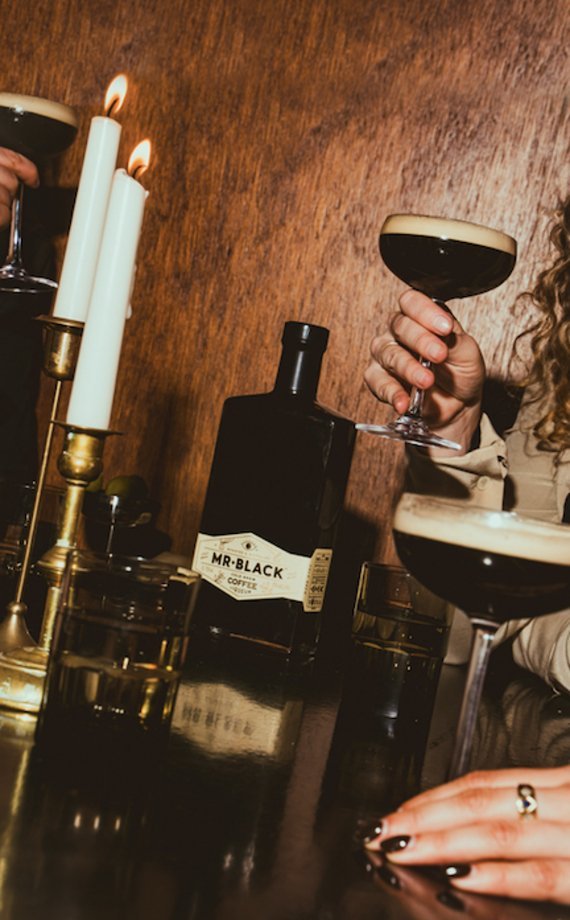
The liqueur is the second decision. Kahlúa, made with rum and Mexican arabica, leans sweet and rounded. Mr Black, founded in Australia in 2013, is built on cold-brewed arabica and fortified with neutral spirit, and drinks drier and more bitter. Swapping one for the other is not a change of label. It is a different cocktail.
Three coffee beans on the foam have never rescued a drink that was wrong underneath.
A reliable starting point: 50 ml vodka, 30 ml freshly pulled espresso and 20 ml coffee liqueur. Add up to 10 ml of simple syrup only if the liqueur is dry. Some bartenders add two drops of saline, which softens the bitterness without making the drink taste of salt.
Shake hard with plenty of ice, longer than feels necessary, then fine-strain into a chilled coupe. The force of the shake is what turns the espresso’s oils into foam, and a cold glass keeps it standing. Three beans on top, by tradition. Nothing else.
Concentrated cold brew can stand in when there is no espresso machine, though the foam will be thinner and the aroma softer. Replace the vodka with aged rum, tequila or mezcal and the drink moves into another register: wood, sweetness or smoke enters a structure that was built on neutrality. None of these is wrong. The point is to know what has changed.
The foam will always arrive first, and it will always be the part people remember. But the drink was decided before the shaker was closed: in the cup of coffee, in the bottle beside it, in a choice to stay out of the way.
Details and further reading: Difford’s Guide, Espresso Martini · PUNCH on the drink’s history · Mr Black
Instagram: @mrblackspirits
GABRIEL SILVEIRADO, FOR WAYFARER.
CONTINUE READING
Dining / Reportage
After two years as runner-up, Asador Etxebarri tops The 50 Best Restaurants 2026. Sixteen names change in the top 50, and Japan disappears from it.

Dining / Reportage
With the Alba fair open until 6 December, Turin is the natural base for white truffle season. A day in the city, from a morning bicerin to dinner on the sand at Carignano.
Dining / Reportage
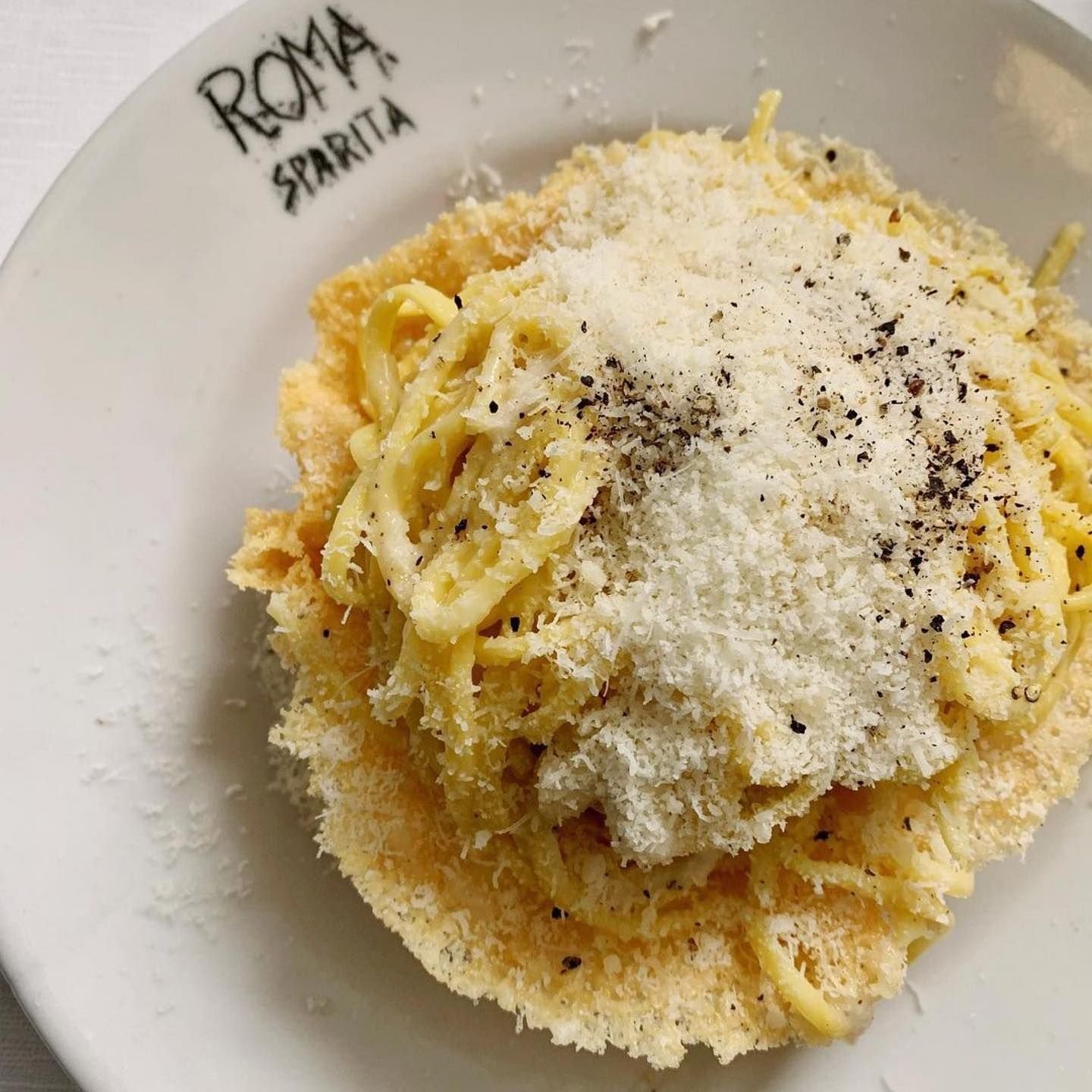
Cacio e pepe in Trastevere, soup in Huế, bone marrow at St. John, sushi at Jiro and hare at Paul Bocuse: Bourdain's world in five plates.
Dining / Reportage
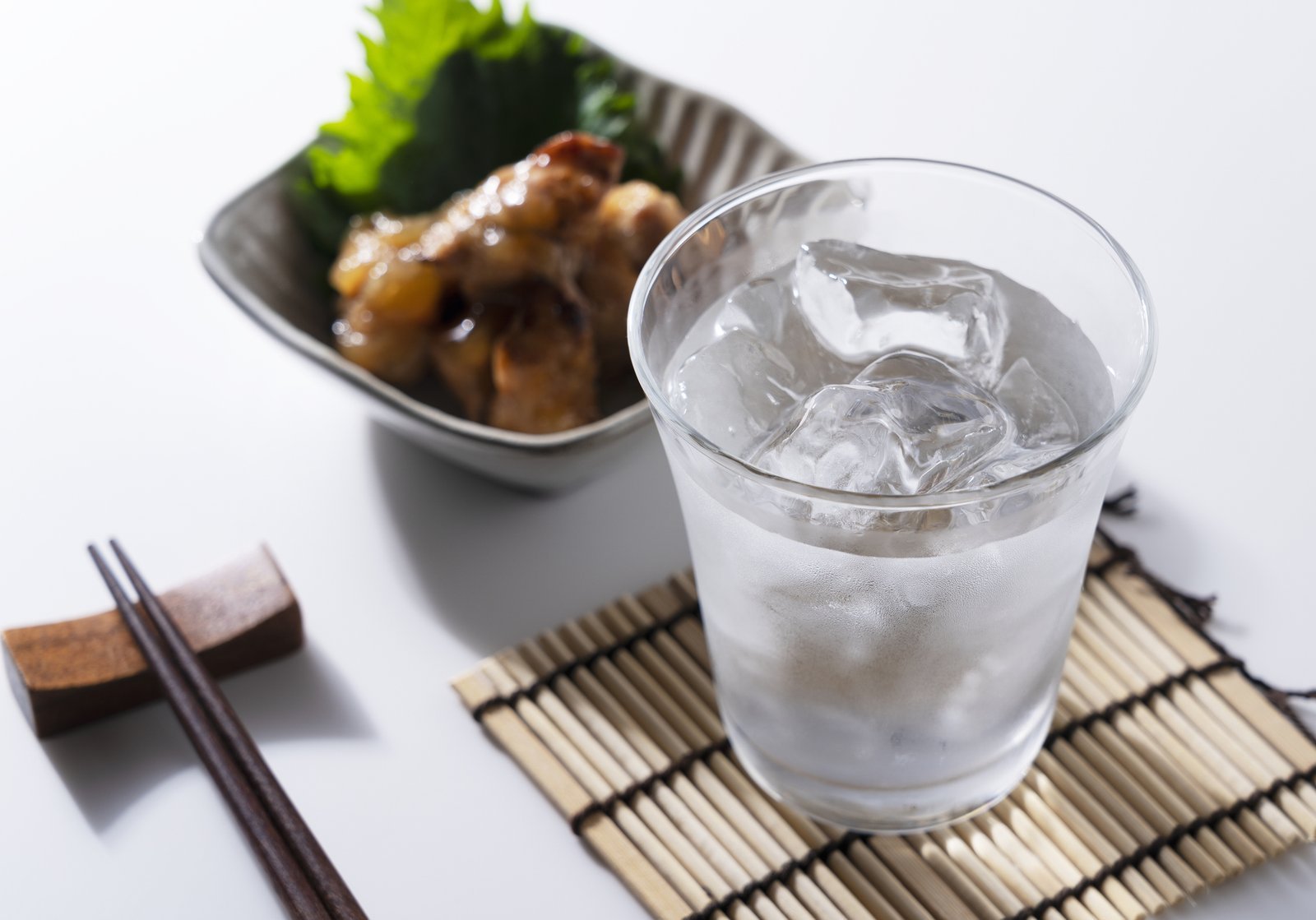
Rice, barley, sweet potato and koji: Japan’s native spirit is a whole vocabulary, and it begins long before the cocktail.
Dining / Reportage
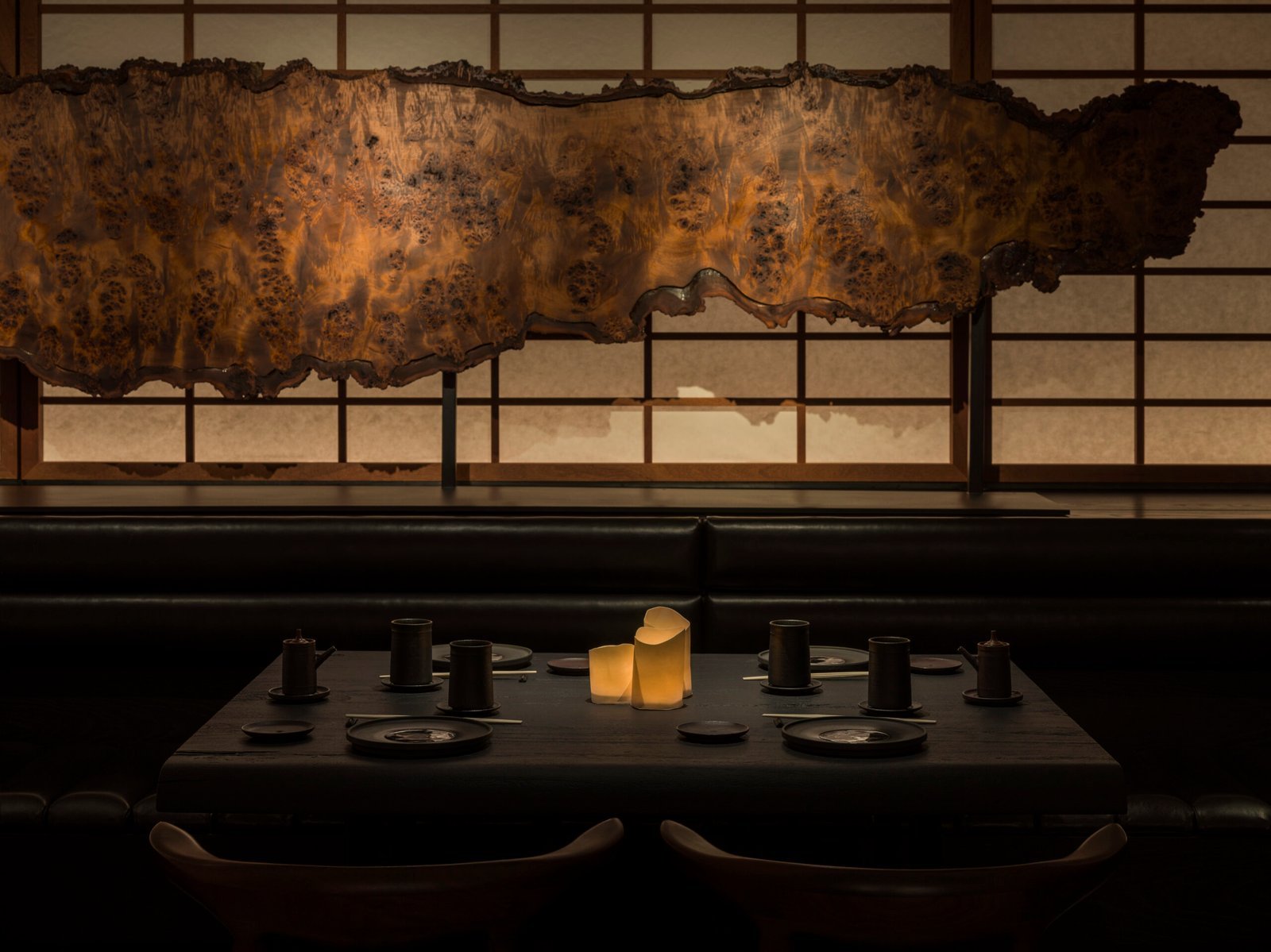
Behind Saint Laurent’s Rive Droite flagship, Peter Park’s Los Angeles omakase finds its first address abroad: a low-lit, timber-lined room where the chef sets the pace.
Dining / Reportage
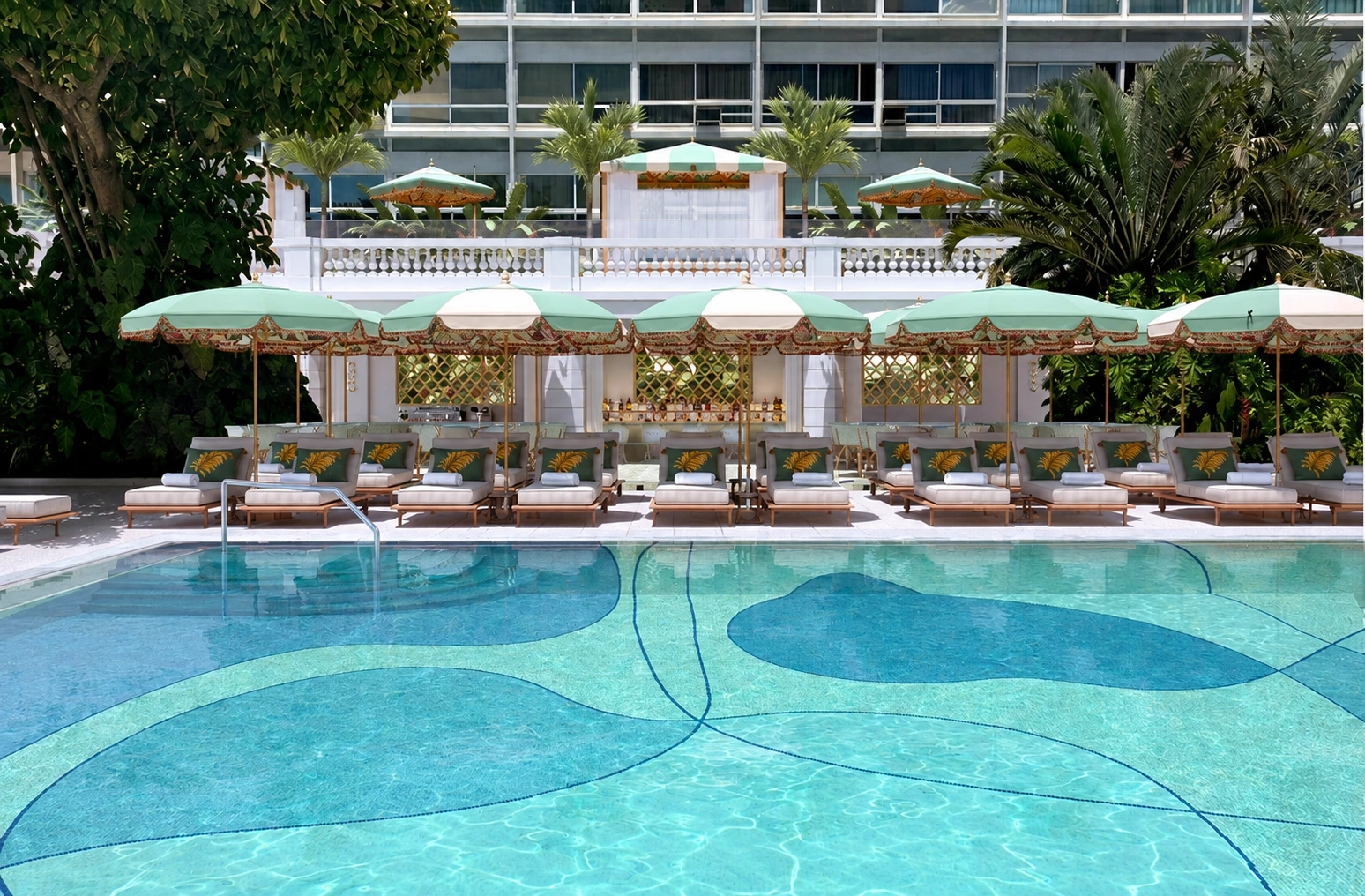
In November, the Neapolitan chef opens a single tasting menu for 38 guests a night beside the Copacabana Palace pool. It is his Italy, now with ten years of Rio inside it.
THE CURATED GLOBE / FROM THE EDITORS
A considered selection of people, places and ideas from WAYFARER Edition, delivered to your inbox.
Free. No data sharing. Unsubscribe in one click.