Dining / Reportage
50 Best 2026: Etxebarri is finally No.1, and Japan has left the building
After two years as runner-up, Asador Etxebarri tops The 50 Best Restaurants 2026. Sixteen names change in the top 50, and Japan disappears from it.

THE CURATED EDITION.
Reportage / Kagoshima
Rice, barley, sweet potato and koji: Japan’s native spirit is a whole vocabulary, and it begins long before the cocktail.
DINING
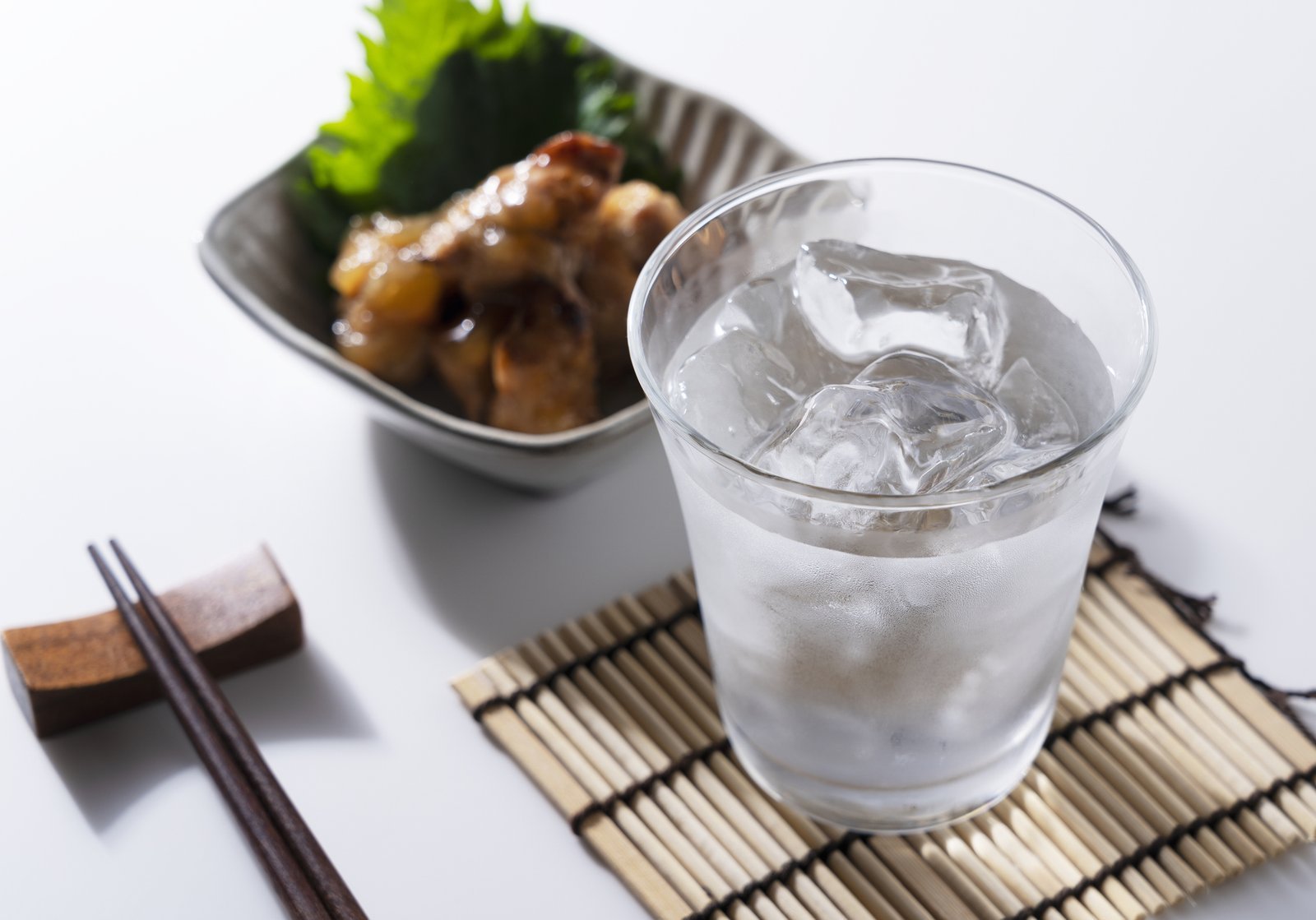
The first question about shochu is not what to mix it with. It is what was distilled.
Rice, barley, sweet potato, buckwheat, brown sugar: Japan’s native spirit can begin with any of them, and each leaves its own signature in the glass. That is why shochu rewards attention in a way a neutral base never will. Treat it as a blank space beneath the garnish and you lose the point. Treat it as a vocabulary and an entire country opens up.
The cleanest way to place shochu is beside sake. Both depend on koji, the mould that turns starch into fermentable sugar. Sake stops at fermentation. Shochu goes on to the still. The Japan Sake and Shochu Makers Association draws the line plainly, and it is the line that matters.
Within shochu, method draws a second line. Continuous distillation produces a lighter, cleaner spirit. Single distillation, the tradition known as honkaku, or authentic, shochu, keeps far more of the raw material’s character. That is where the interest lies.
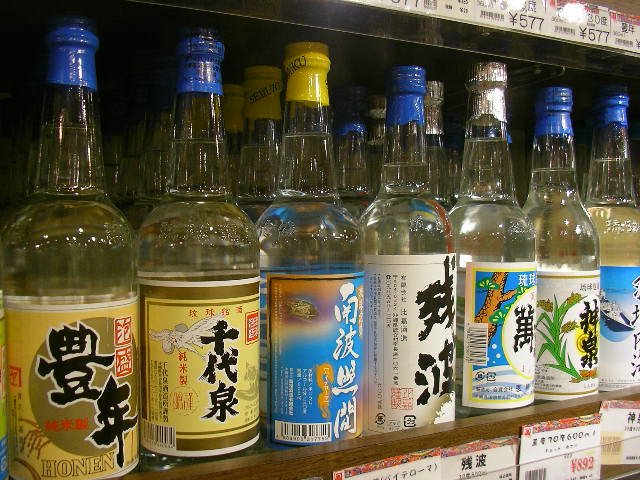
The heartland is Kyushu. Kagoshima is synonymous with sweet potato shochu, earthy and generous. Kumamoto’s Kuma district is known for rice; the island of Iki, off Nagasaki, for barley. Further south, the Amami islands distil brown sugar, and Okinawa makes awamori, its own spirit, from long-grain rice and black koji, often aged for years in clay pots.
Geography here is not a tasting note. It is a way of reading a label: base, maker, place, method. Start there and the bottle explains itself.
The base is not a blank space beneath the garnish. It is the first part of the design.
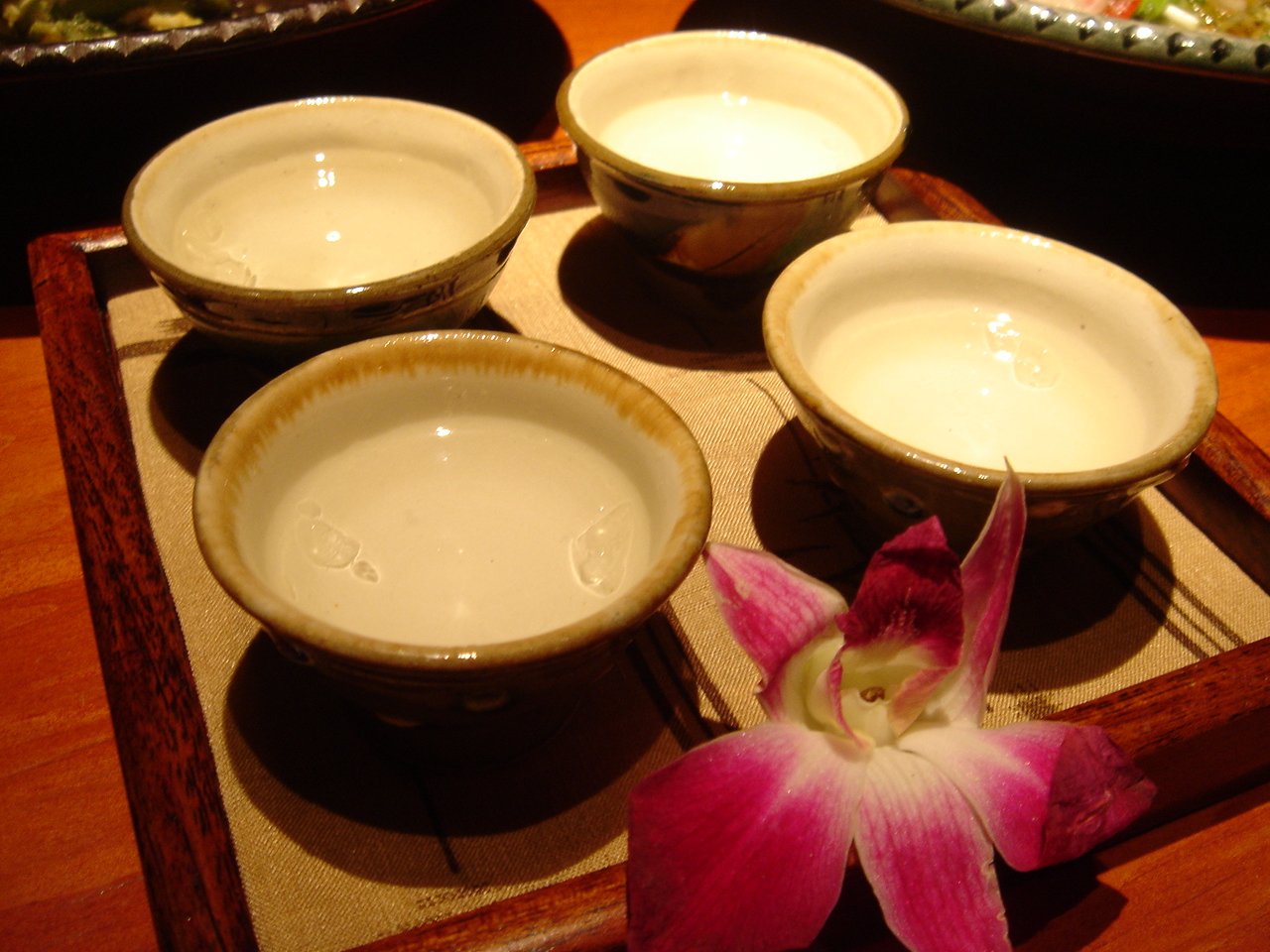
In Japan, shochu is most often drunk with water: cold, over ice, or warm, the last a winter habit that opens up a sweet potato spirit beautifully. Each choice changes temperature and strength, and therefore what the base is allowed to say. Neat, it says the most.
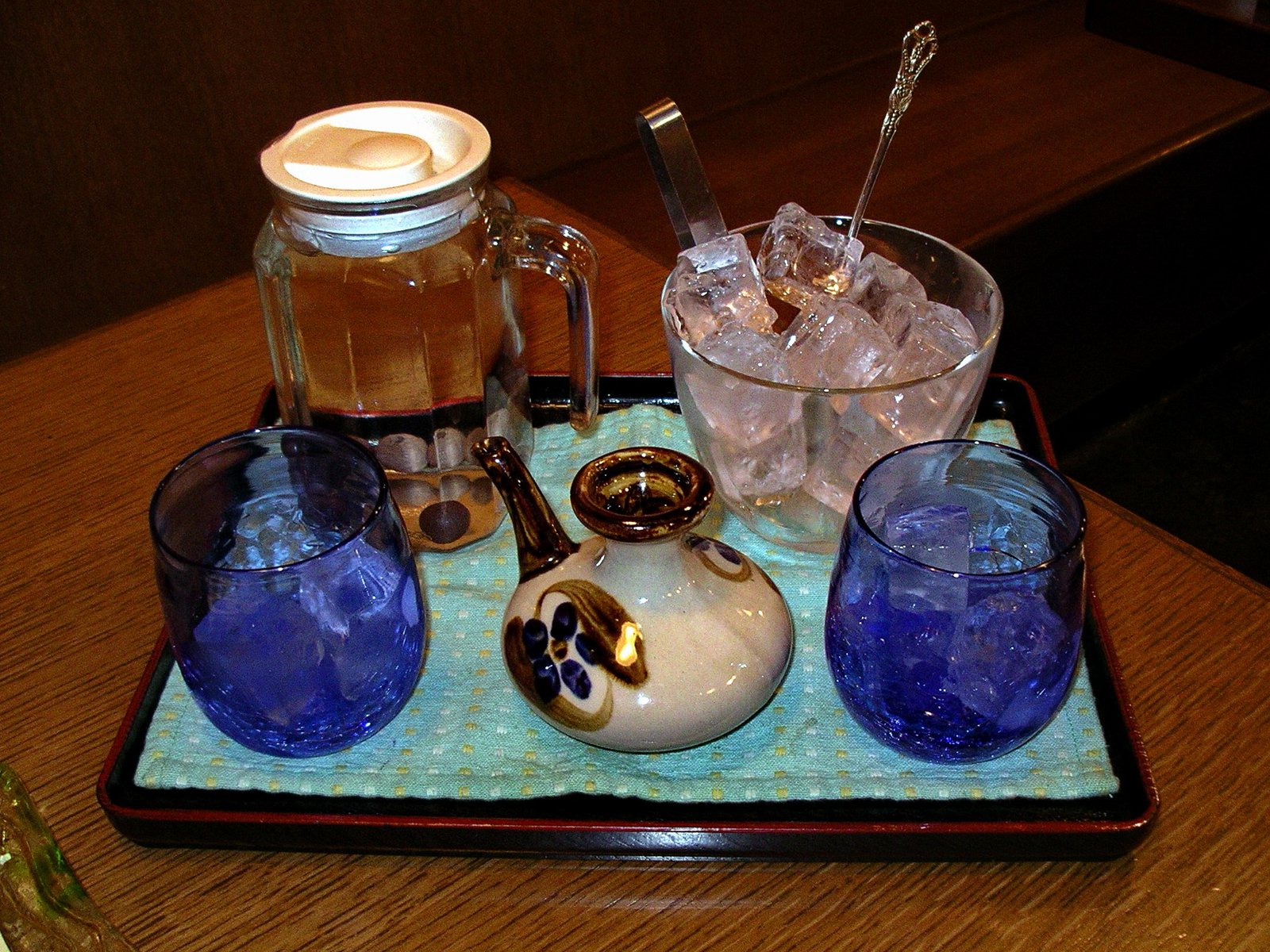
Bartenders abroad have begun to reach for shochu, often alongside yuzu, shiso or umeboshi. The good ones begin with a question rather than an ingredient list: which quality of the base should still be legible once everything else is in the glass? A drink built on sweet potato needs a different balance from one built on rice. Get that right and the category stops being a novelty and becomes a language.
Ask what was distilled before you ask what to add. In shochu, the answer is a field of sweet potatoes in Kagoshima, a paddy in Kumamoto, a clay pot in Okinawa, and the glass only has to let it speak.
Details and further reading: Japan Sake and Shochu Makers Association
GABRIEL SILVEIRADO, FOR WAYFARER.
CONTINUE READING
Dining / Reportage
After two years as runner-up, Asador Etxebarri tops The 50 Best Restaurants 2026. Sixteen names change in the top 50, and Japan disappears from it.

Dining / Reportage
With the Alba fair open until 6 December, Turin is the natural base for white truffle season. A day in the city, from a morning bicerin to dinner on the sand at Carignano.
Dining / Reportage
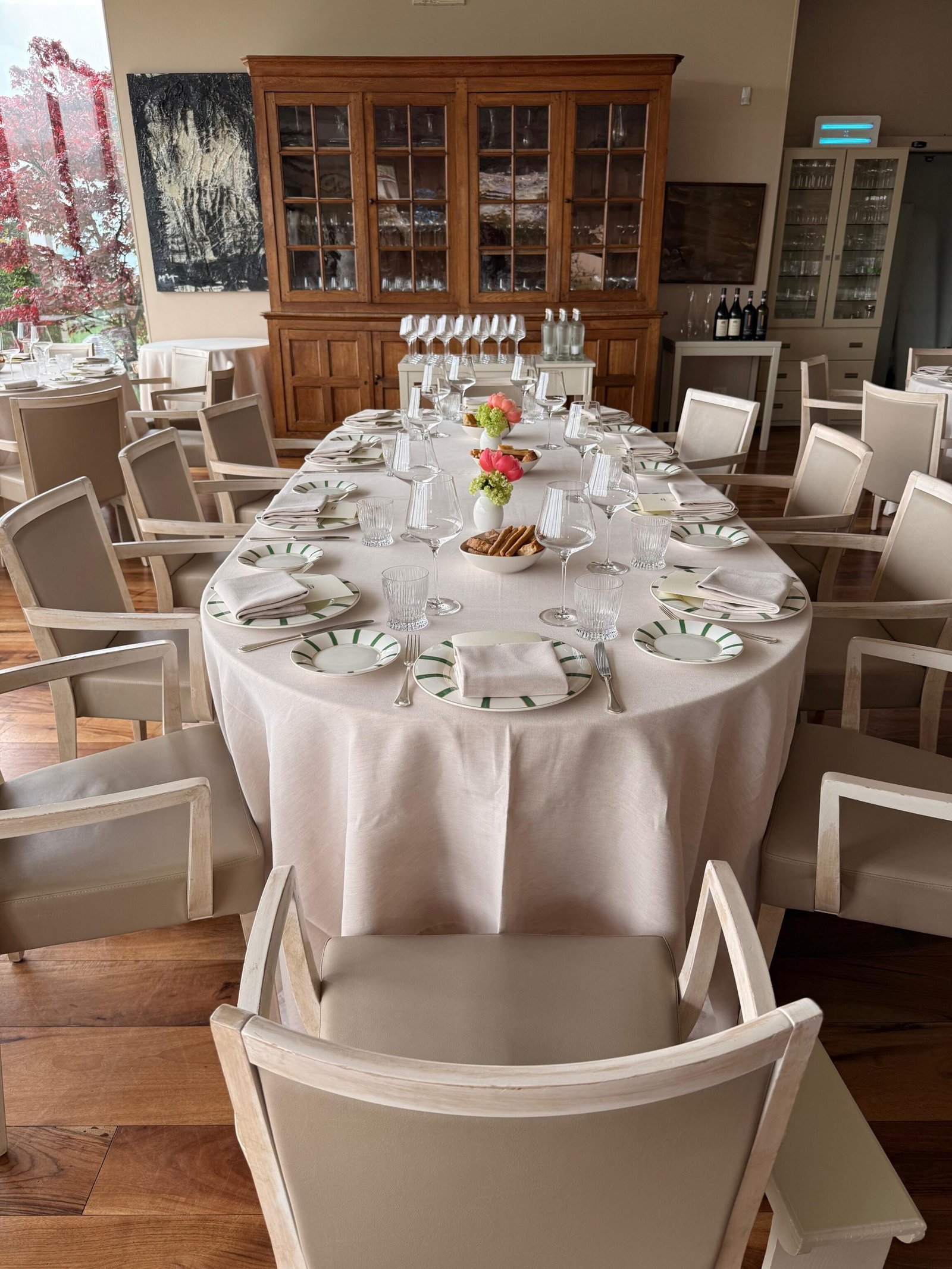
In Treiso, in the Barbaresco hills, La Ciau del Tornavento reads Piedmont twice: through the glass of a 1931 nursery school and in a cellar cut into the hillside.
Dining / Interview
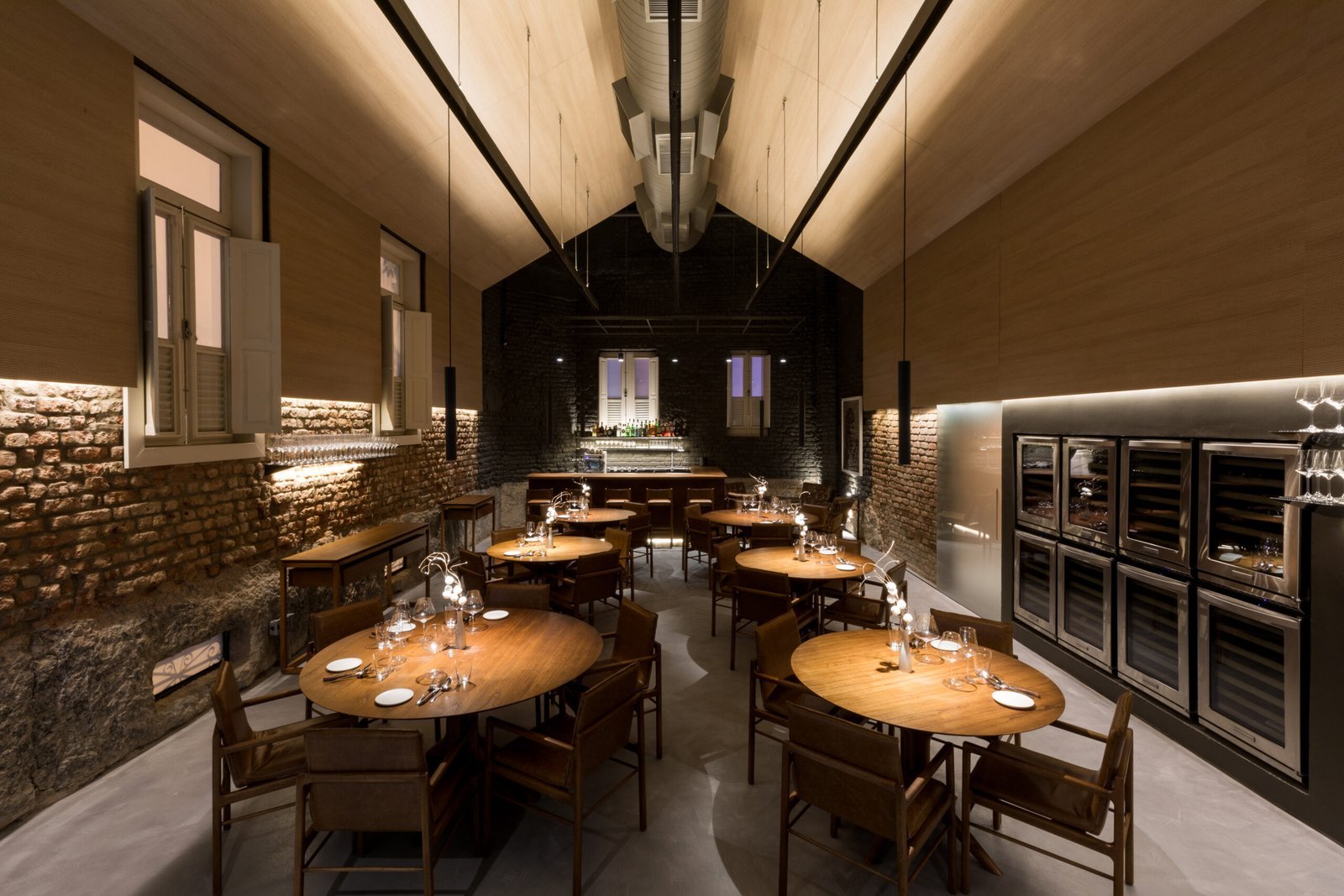
A year in Japan, a pandemic and a policy of scarcity shaped Oteque, the chef's restaurant in Rio de Janeiro, where growers, the rhythm of the team and the needs of each guest sit at the centre of the table.
Dining / Reportage
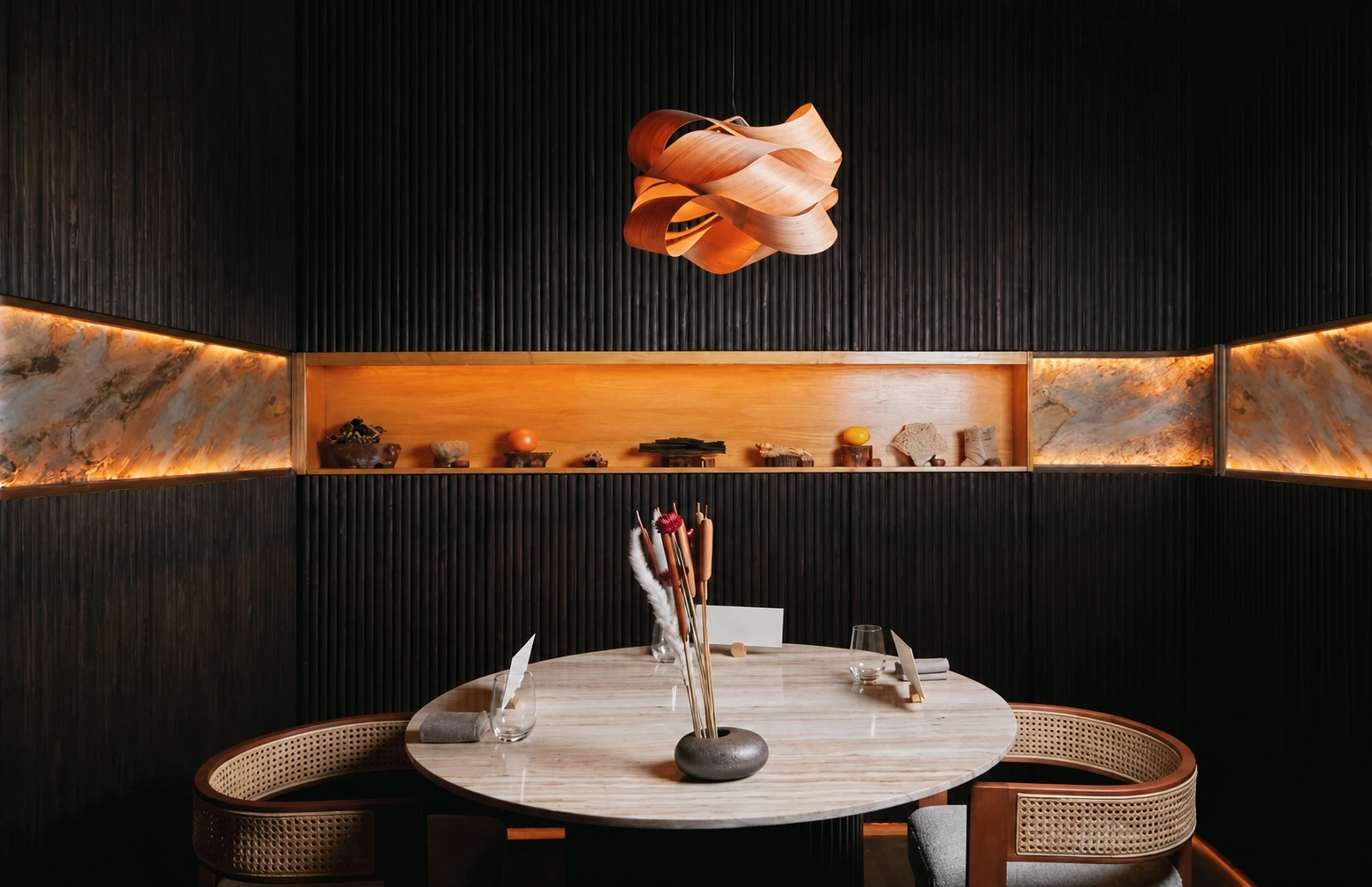
Sixteen seats on Westbourne Grove, a corridor of raw ingredients at the door and a tasting menu shaped by two years in Japan. Victor Garvey’s MATER1A works at close range.
Dining / Reportage
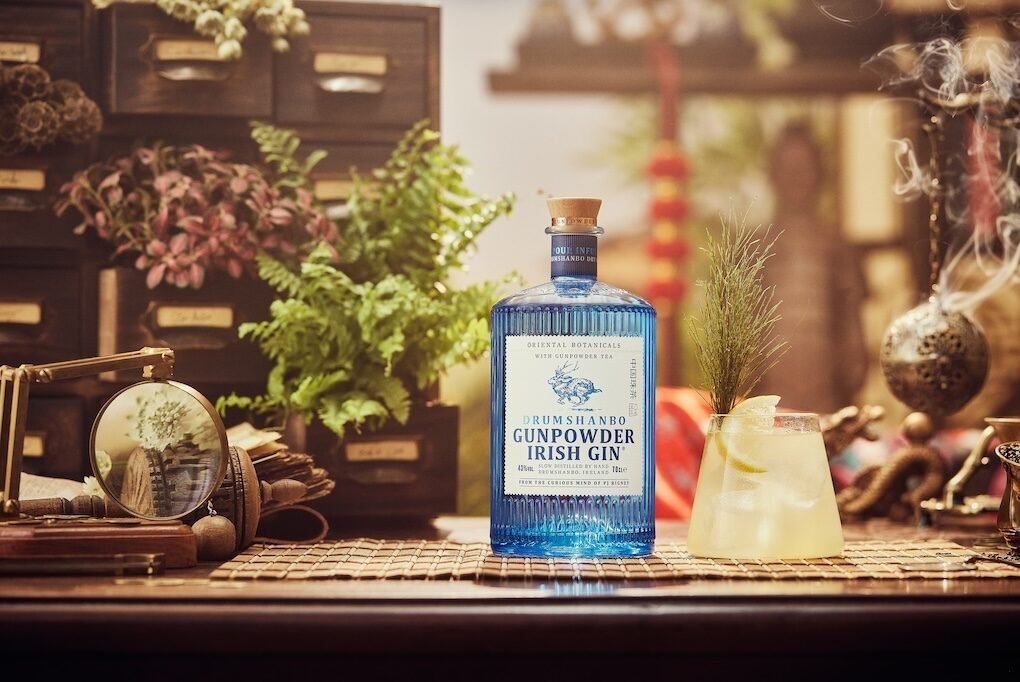
In a small town in County Leitrim, P. J. Rigney distils a gin that carries Chinese gunpowder tea in its name and Irish meadowsweet in its recipe.
THE CURATED GLOBE / FROM THE EDITORS
A considered selection of people, places and ideas from WAYFARER Edition, delivered to your inbox.
Free. No data sharing. Unsubscribe in one click.