Motoring / Reportage
Abu Dhabi Grand Prix 2026: The Race-Week Guide to the Season Finale
Five nights of concerts, a marina full of yachts and a city that turns the last race of the year into a week.

THE CURATED EDITION.
Brief / Barcelona
A road car that behaves like a racer, a racer one step closer to GT3, and a name that came back to remind Maranello where its heart is.
Motoring · Ferrari
Some names arrive before the engine does.
Challenge Stradale is one of them. First used in 2003 on the 360 Modena, it returned last weekend in Barcelona at the Finali Mondiali, the gathering that closes the season of the Ferrari Challenge Trofeo Pirelli, the one-make series for amateur drivers now in its 34th year. With historic Formula 1 cars and 499P prototypes lapping the Circuit de Barcelona-Catalunya, Maranello unveiled two sharpened versions of the 296: one for the road, one for the track only.
The 296 Challenge Stradale follows the logic that made the 360 Challenge Stradale a collector’s car, now valued well above the standard 360. The 296 Challenge Evo replaces the 296 Challenge, which has raced in the series since 2024.
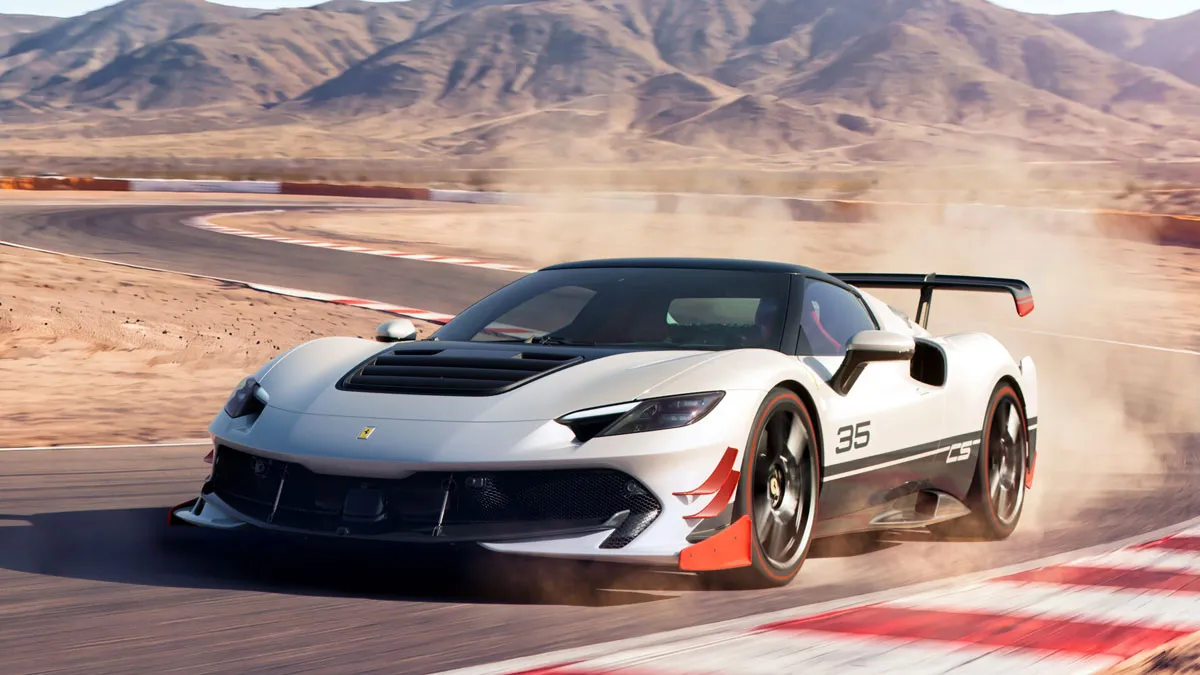
The most significant decision is not what was added but what was taken away. Both cars give up the hybrid system of the 296 GTB, which fills the turbo lag and lifts output to 830 cv. Without it, as the outgoing 296 Challenge already did, the V6 produces 670 cv in the Challenge Stradale and 700 cv in the Challenge Evo.
The return comes from weight and air. The Challenge Stradale is about 140 kg lighter than the 296 GTB and generates roughly 615 kg of downforce at 250 km/h. The Evo starts from the same weight saving, with further refinement to aerodynamics and chassis.
We wanted to change the paradigm: not to add power at any cost, but to build a car centred on its relationship with the driver.
Gianmaria Fulgenzi, Ferrari’s head of product development
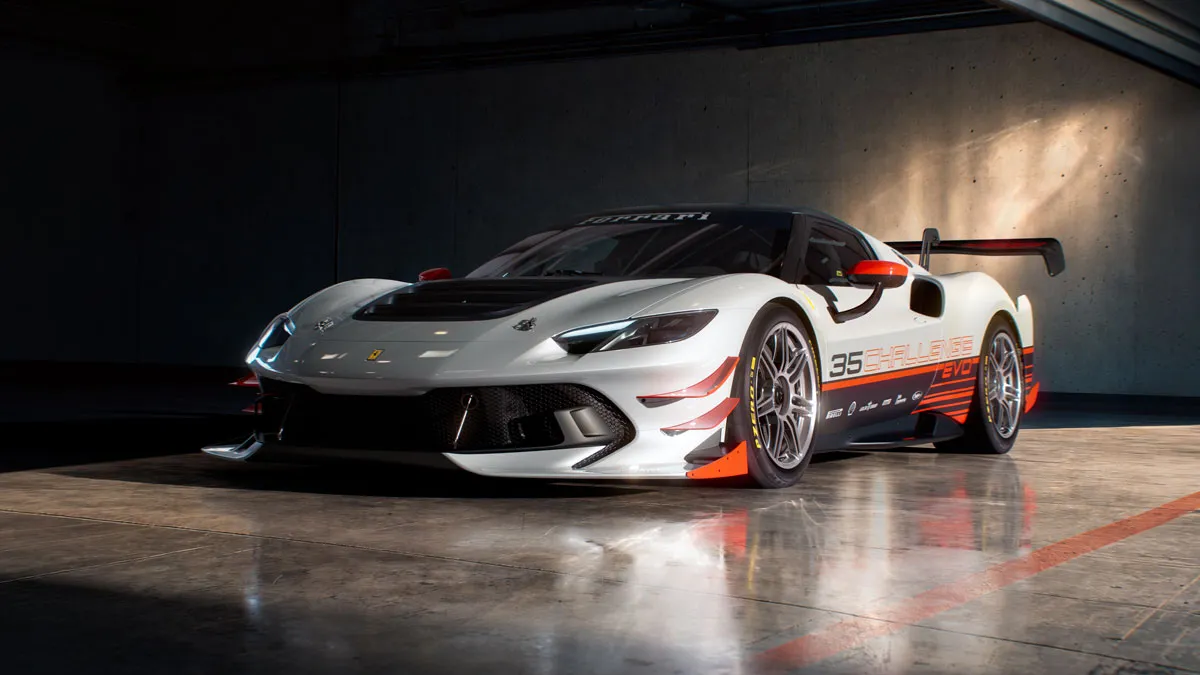
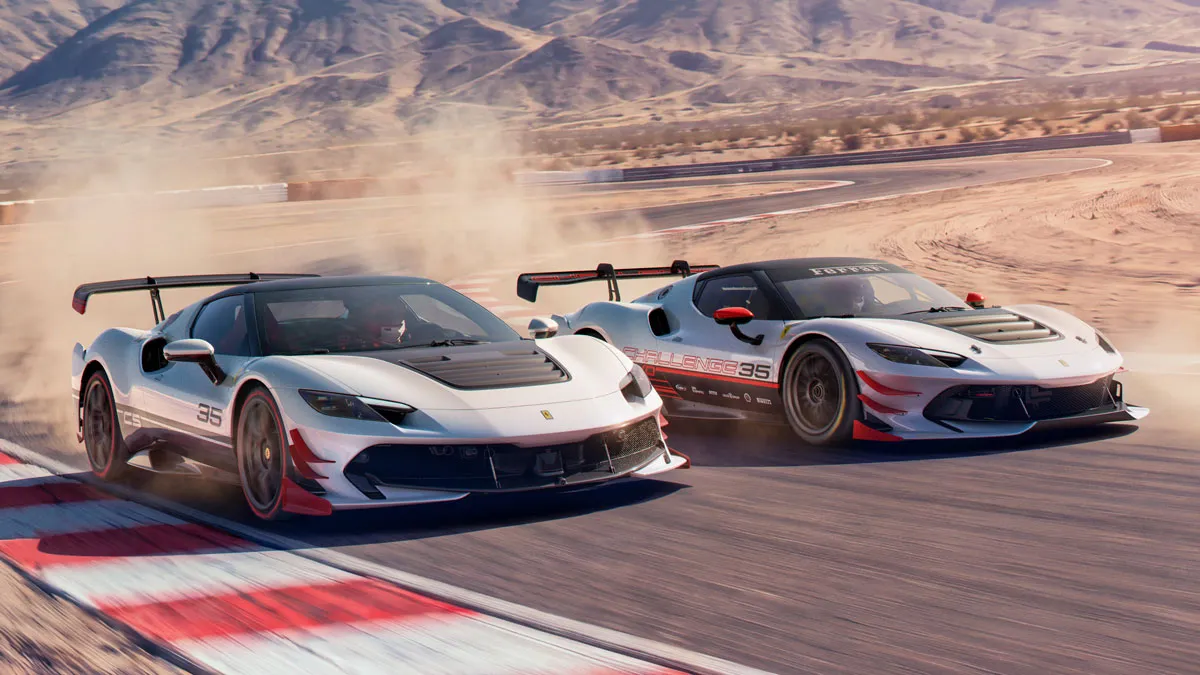
At first sight the Challenge Stradale is aggression held barely in check. A front wing adds grip, a cut in the bonnet carries the radiator outlets, and an adjustable rear wing is almost as assertive as the Evo’s. Inside, four-point racing harnesses replace conventional belts.
The V6 has been recalibrated for low-end torque, and the eight-speed dual-clutch gearbox tuned for smoother delivery under load. The suspension has its own spring rates, and the carbon-ceramic brakes are those of the Evo. Unlike its sibling, the Stradale keeps a full suite of driver assistance, from adaptive cruise control to a drowsiness alert, though it is hard to imagine anyone nodding off at its wheel.
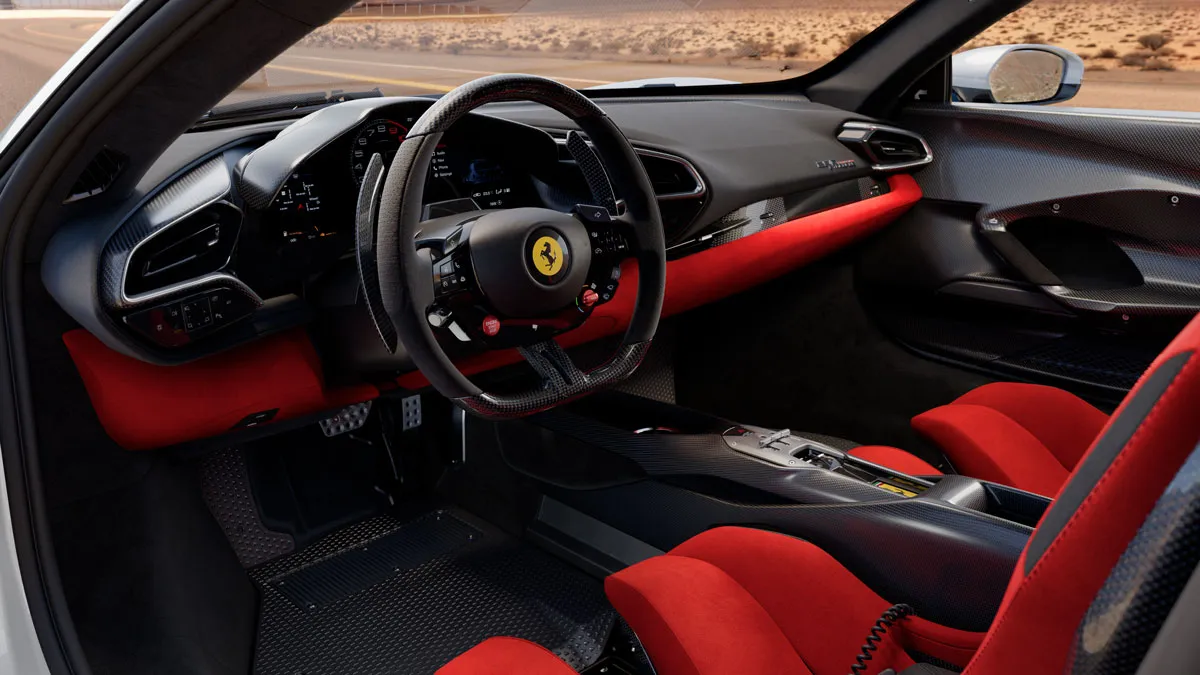
For those who want more, there is a track-only exhaust that dealers fit and remove, and a stripped interior with the chassis partly exposed, a first for a production Ferrari. The Challenge Stradale arrives in the second quarter of 2027, at around US$320,000.
The Evo, tenth generation of the Challenge line, is a refinement experienced drivers will feel first. Changes to aerodynamics, brakes and engine management bring it closer to the 296 GT3 Evo: 12 per cent more downforce and 4 per cent less drag than the 296 Challenge, with a steeper rear wing. In maximum downforce trim, Ferrari promises laps 0.8 seconds quicker at Mugello. Both cars run Pirelli P Zero R and P Zero Trofeo RS tyres developed for each, a detail that matters more with the 40-minute endurance races joining the Challenge calendar in 2027. The Evo arrives in the first quarter, at around US$400,000.
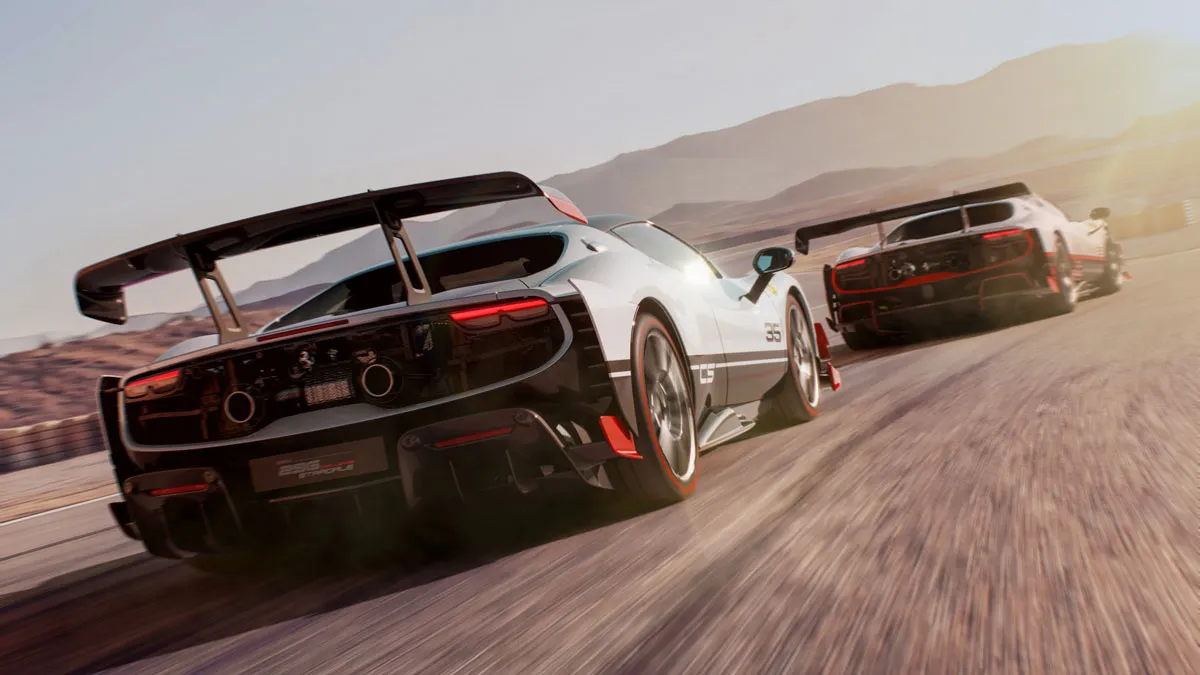
With the two newcomers, the family passes half a dozen configurations. At its centre remain the 296 GTB and the open 296 GTS, joined in 2025 by the Speciale and Speciale A, with 50 cv more, uprated brakes and firmer suspension. There is also the 296 GT Modificata, a limited track-only series derived from the 296 GT3 Evo, whose owners join the Club Competizioni GT, the counterpart of the Corse Clienti programme that takes historic Formula 1 cars and FXX models to circuits around the world, without the racing.
Enzo Ferrari built road cars almost reluctantly, to pay for racing. The Challenge Stradale is the kind of Ferrari he would have understood at once: a track car that agreed to wear a number plate, and a name that came back to remind Maranello where it keeps its heart.
WAYFARER Edition
CONTINUE READING
Motoring / Reportage
Five nights of concerts, a marina full of yachts and a city that turns the last race of the year into a week.
Motoring / Reportage
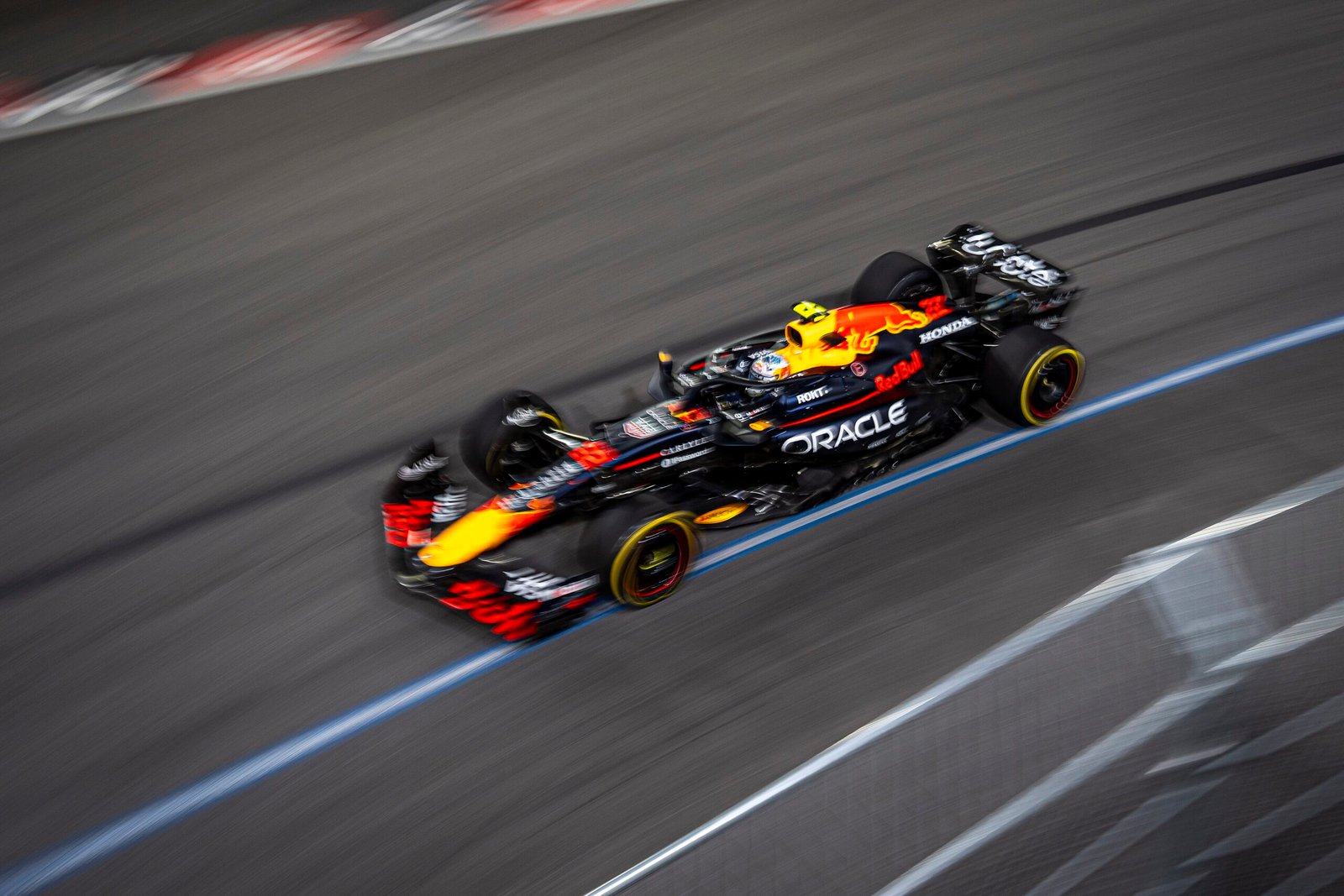
Thirty-four lead changes, a Mercedes collapse and a Ferrari feud on track; Kim Kardashian, LISA and Keanu Reeves off it. The fourth Las Vegas Grand Prix, from lights out to the Sphere.
Motoring / Reportage
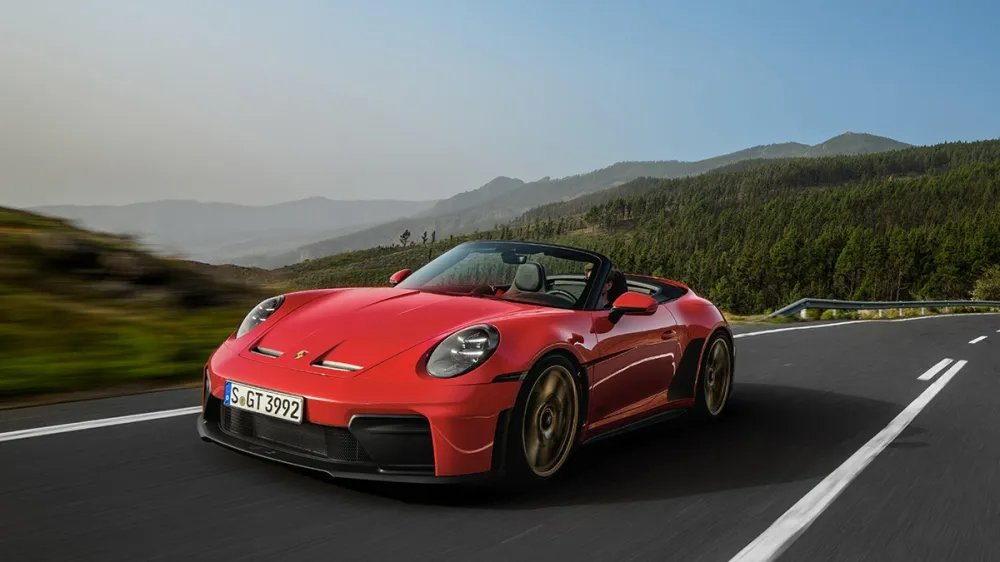
The 911 GT3 S/C takes the roof off the GT3 for the first time: a 4.0-litre flat six revving to 9,000 rpm, a six-speed manual and nothing else, and a soft top that folds in 12 seconds.
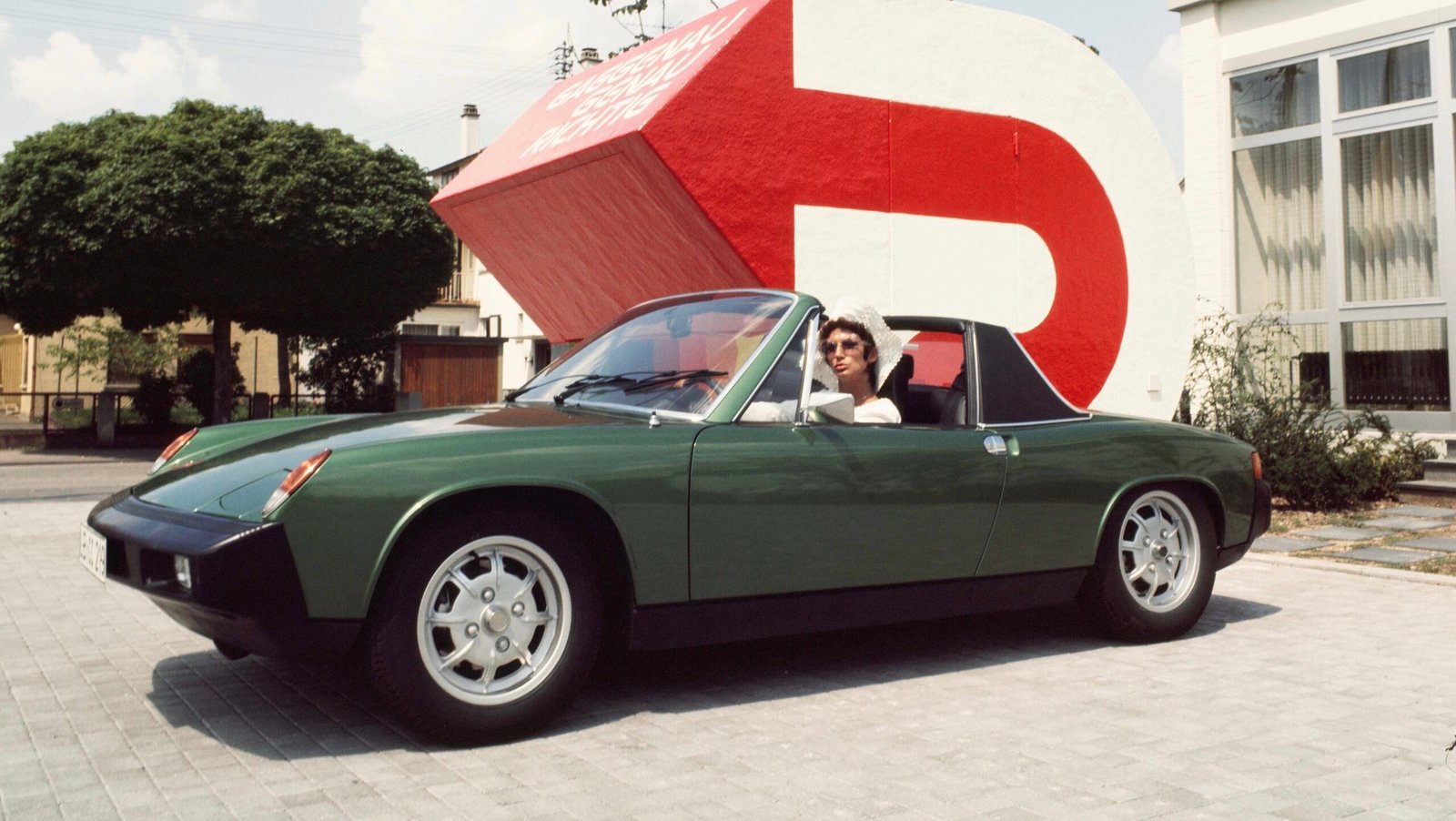
Motoring / Reportage
Mid-engined, roof off, half Volkswagen: the 914 divided Porsche loyalists in 1969. Half a century later, its balance and lightness have made it one of the marque’s most rewarding classics.
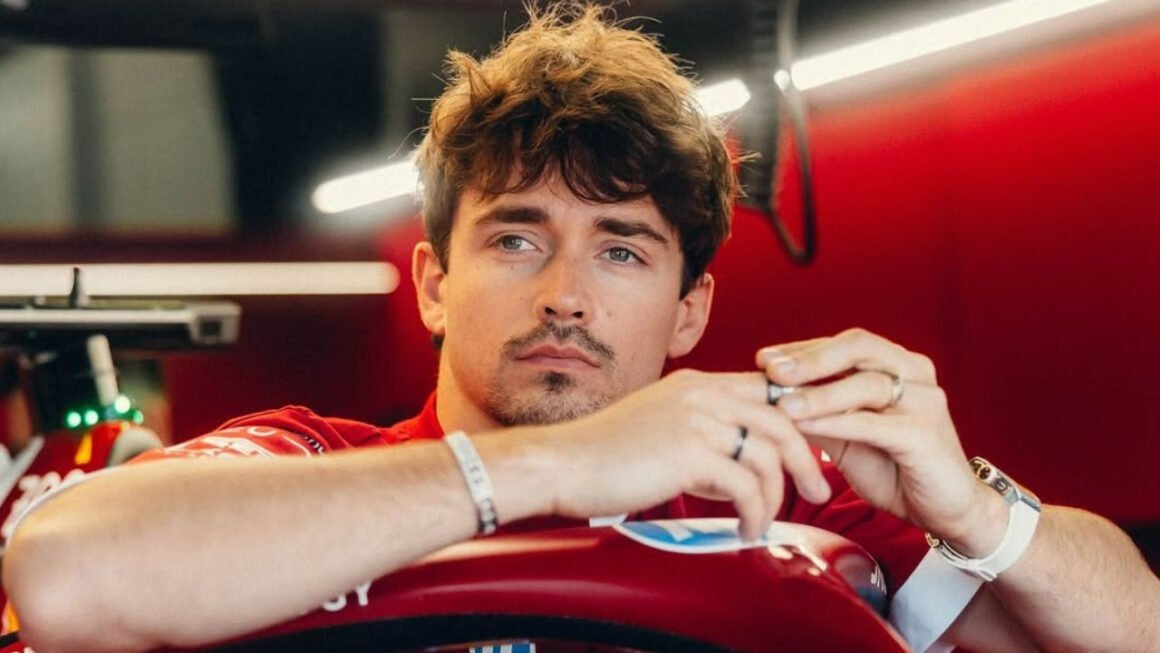
Culture / Interview
The Ferrari driver on Interlagos, a childhood in Monaco, the piano and the life he builds away from the cockpit.
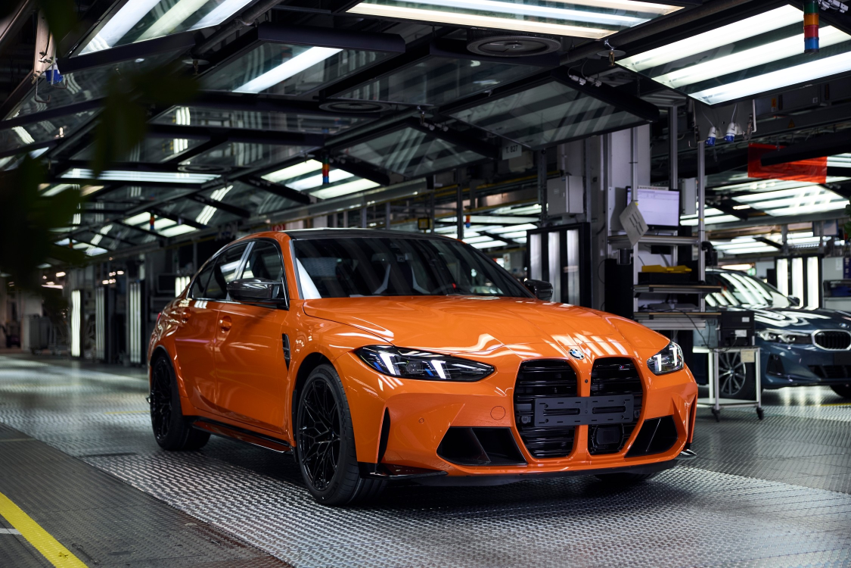
Motoring / Reportage
BMW M has built its one-millionth vehicle, an M3 in Fire Orange III, at Plant Munich. The same factory will build the first fully electric M3, and from 2027 it will build nothing else but electric cars.
THE CURATED GLOBE / FROM THE EDITORS
A considered selection of people, places and ideas from WAYFARER Edition, delivered to your inbox.
Free. No data sharing. Unsubscribe in one click.