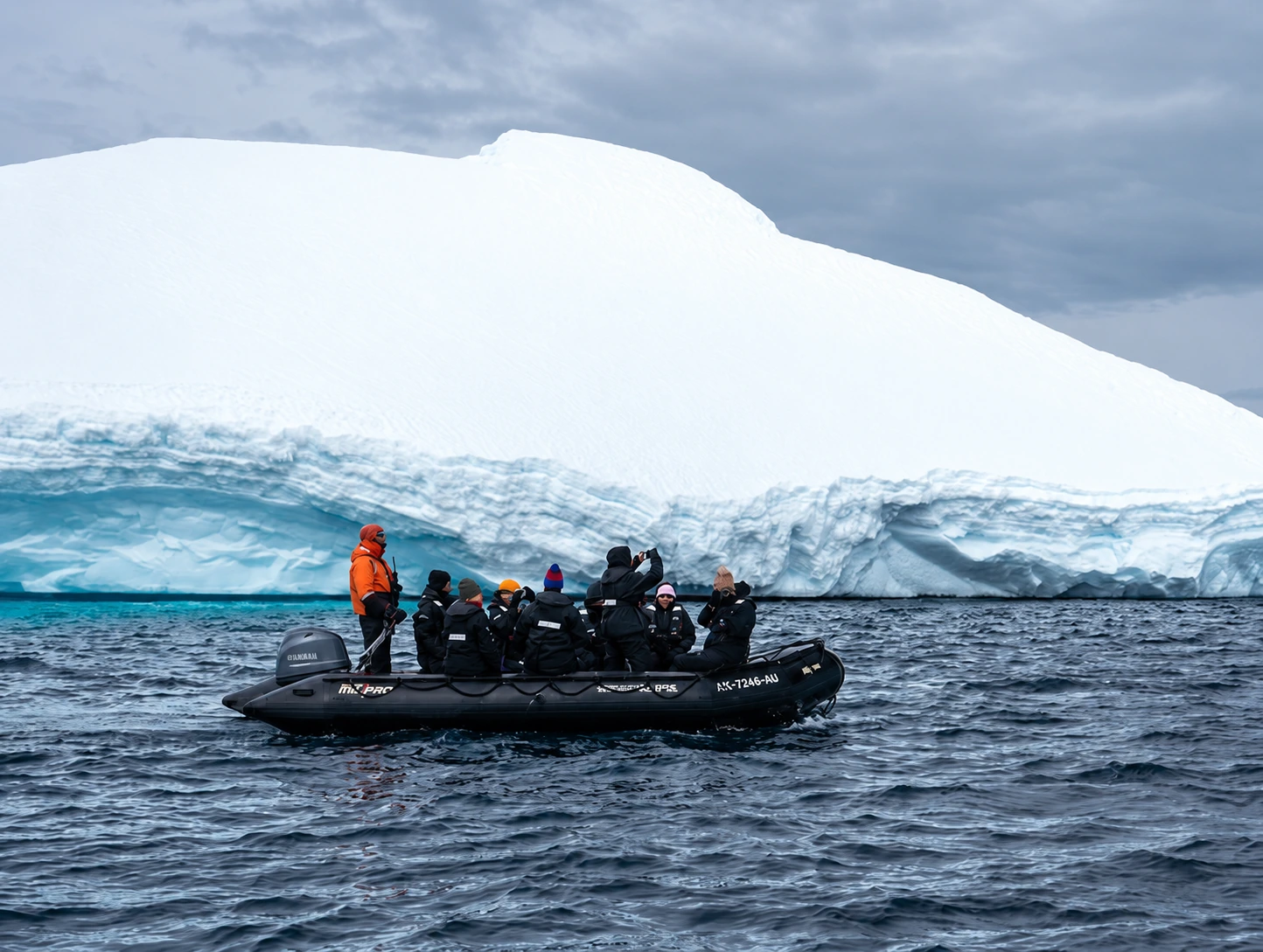
Four Seasons I. Promotional visualisation from the archive.
TRAVEL
Travel news is often treated as a succession of openings. This briefing connects a hotelier’s long career, the start of a maritime hospitality programme and a practical experiment on an island, alongside questions that affect the way a journey is experienced.
Rocco Forte’s family chapter
Rocco Forte’s recognition at a Forbes Travel Guide gathering in Monaco placed a long hospitality career in the spotlight. His story includes the earlier family business and the rebuilding that followed its takeover, not simply the growth of the company carrying his name today.
Rocco Forte Hotels was established in 1996 with his sister Olga Polizzi. The Balmoral became a foundation of the new group, followed by properties whose individual buildings and cities supplied their identities. Polizzi’s design contribution helped the hotels remain connected to place rather than adopt one repeated interior formula.
The family dimension is therefore part of the working structure of the business. A lifetime recognition draws attention to the decisions, collaborations and setbacks behind the finished hotels.
Four Seasons takes to the sea
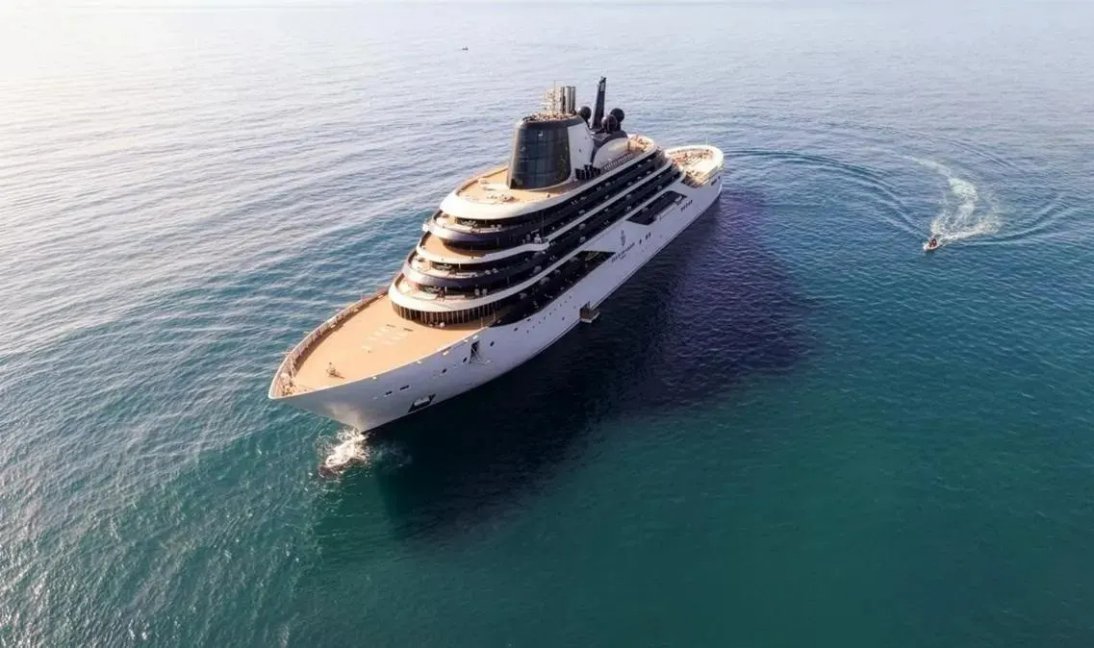
Four Seasons I began its inaugural journey from Málaga on 20 March 2026. The 207-metre yacht carries ninety-five suites, extending the brand’s hospitality into a vessel organised around comparatively few, generously scaled accommodations.
The programme includes multiple dining and lounge settings and a twenty-metre pool whose surroundings can change function during the day and evening. The appeal is the connection between the suite, shared spaces and the destinations outside, rather than a simple transfer of a land-based hotel checklist onto a ship.
The launch marks the beginning of an operating programme, not an announcement of a yacht still waiting to sail. Individual itineraries and inclusions remain voyage-specific.
An island experiment at Oil Nut Bay
At Oil Nut Bay on Virgin Gorda, access by boat or helicopter reinforces the relationship with the water. A mosquito-control initiative adds a less visible part of the hospitality story: the attempt to improve conditions around the stay through applied biological research.
Work associated with BugOut and Verily explores suppression using Wolbachia-based methods. That is an initiative with a specific mechanism and measured outcomes, not a guarantee that mosquitoes have been permanently eliminated from an island. The distinction matters when scientific work enters a destination’s promotional language.
The practical side of a journey
The briefing also turned towards payment security and the importance of noticing unfamiliar transactions while travelling. The useful point is attention, not the idea that a particular destination or payment method makes a trip risk-free. Bank guidance and the terms of an individual card remain the relevant references.
Happiness as another lens
The World Happiness Report offers a different way to consider destinations: through residents’ reported lives rather than a list of attractions. The prominence of Nordic countries and Costa Rica in the discussion challenges the assumption that a country’s appeal can be explained only through hotel openings or scenery.
An index is not a forecast of how any individual holiday will feel. It can, however, broaden the questions asked before arrival. Together, these items place hospitality in context: people building businesses, operators changing formats, research addressing everyday conditions and travellers looking beyond a promotional image.
The independent LTI ranking puts Mandarin Oriental at the top for the fourth consecutive year, with 81.1 per cent, ahead of Oetker, Bulgari, Four Seasons and Rosewood. The full list of twenty brands.
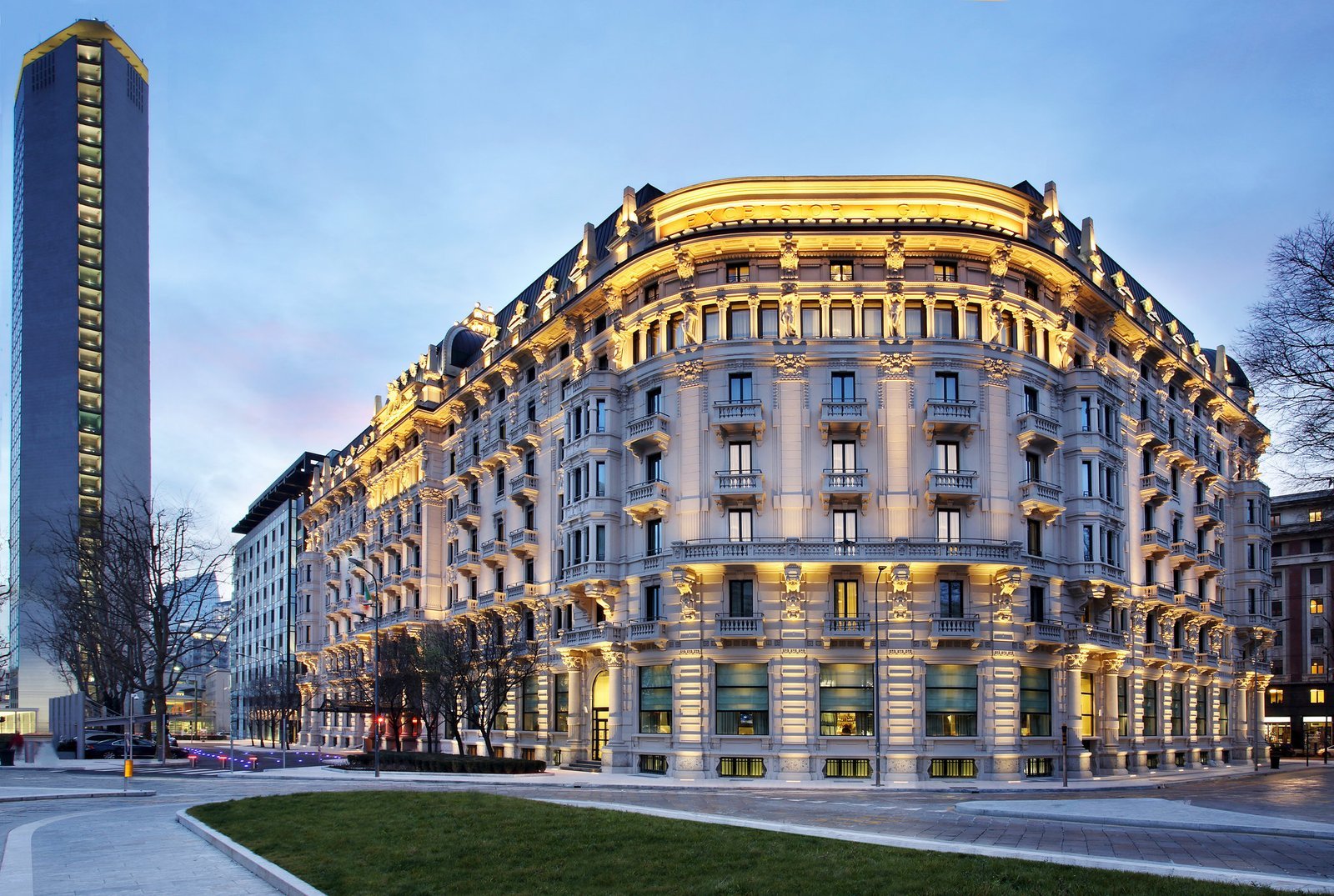
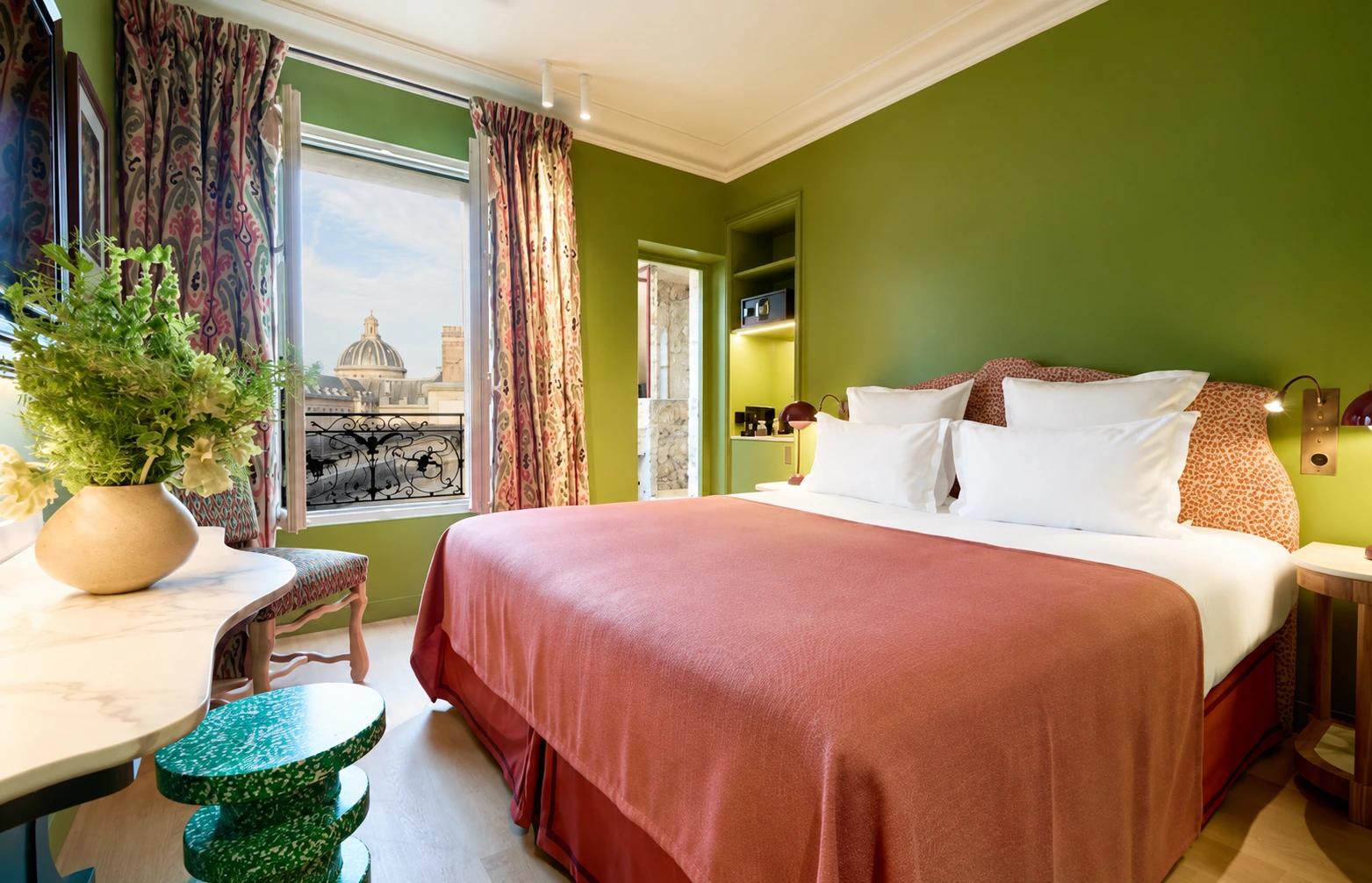
Opposite Milano Centrale, Marco Piva’s renovation connects a 1932 landmark with contemporary Italian makers. Furniture, lighting and art give the station-facing hotel its present language.
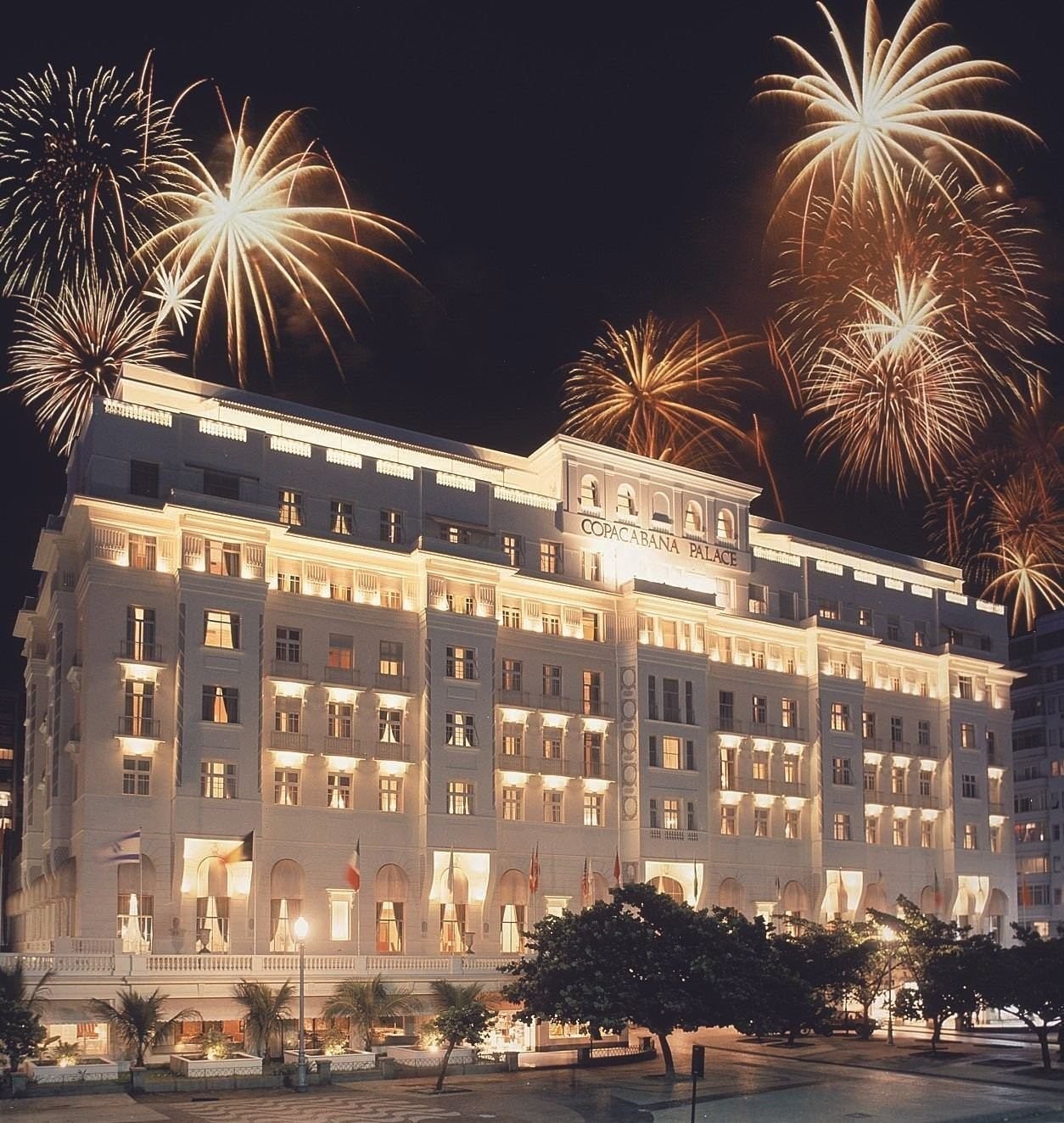
Copacabana from a terrace, a barefoot midnight in Trancoso, a private island in Angra, a harbour of yachts in St. Barths and a gala in the Alps: eight New Year's Eves, and why each rewards those who plan early.