Style / Brief
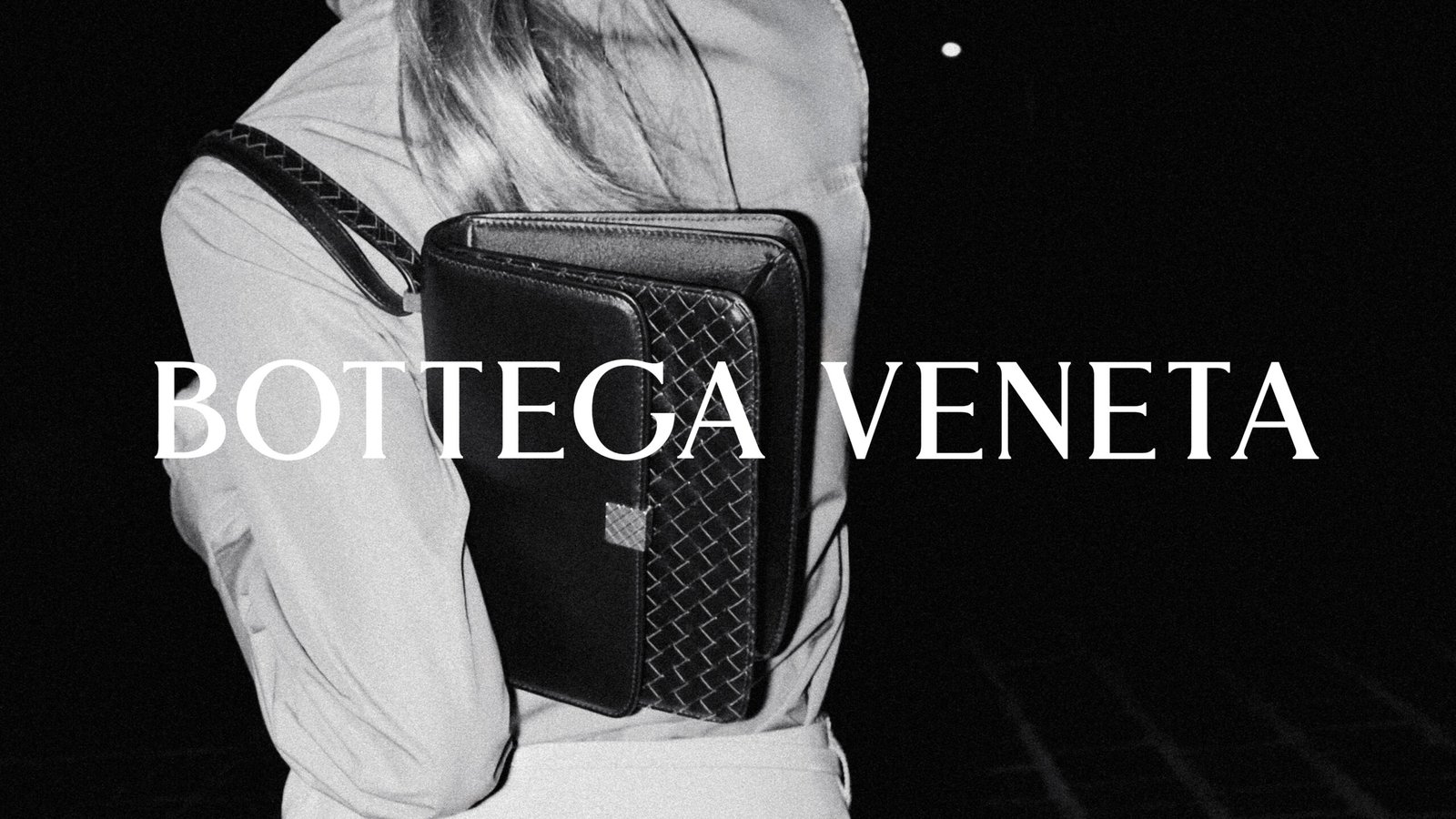
Bottega Veneta Takes Spring 2027 Home to Venice
Chris Rhodes photographs Louise Trotter's Spring 2027 collection against the pink walls, terrazzo and damask of the lagoon city, with the new Verde bag at its centre.

THE CURATED EDITION.
Interview / Milan
How a Milan window dresser built a house that became a way of living.
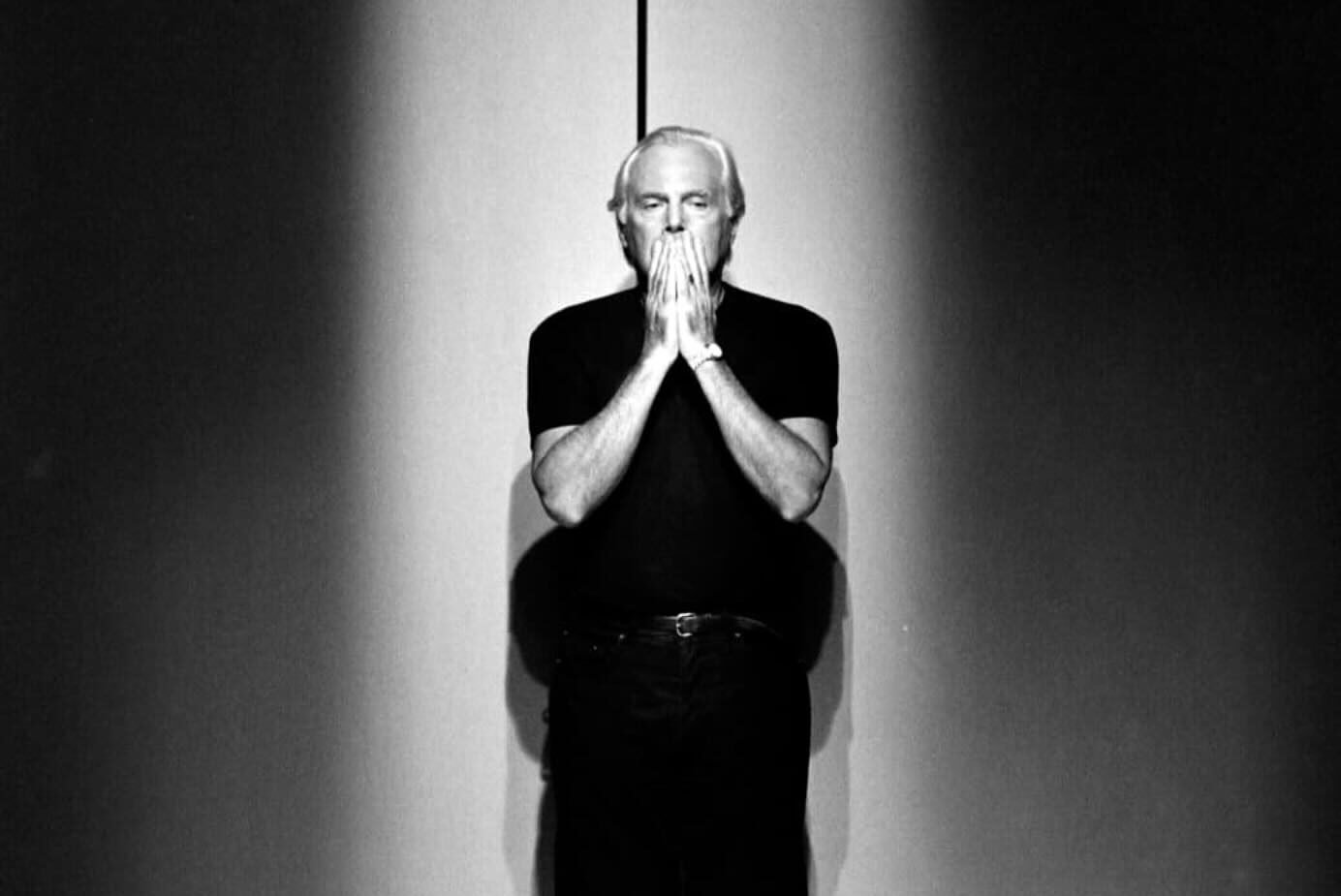
Giorgio Armani died on a Thursday in September 2025, aged 91, leaving behind not only a personal fortune estimated at 12.1 billion dollars but a multifaceted empire that redefined the contours of contemporary refinement. More than a designer, Armani was an architect of experiences, a creator of universes in which fashion, architecture, gastronomy and hospitality converged under a single name.
Editor’s note: this profile was first published on 4 September 2025.
In the 1970s, none of it seemed likely. A former medical student and window dresser in Milan, Armani might not have become the supreme symbol of Italian sophistication without the encouragement of his partner Sergio Galeotti. It was Galeotti who pushed him to sell his own Volkswagen Beetle, in 1975, to finance the label that would become synonymous with minimalist elegance. Almost half a century later, that boldness would result in one of the most powerful independent brands in the sector, able to generate 2.6 billion dollars in sales in the last year alone.
The Armani model defied convention. While conglomerates such as LVMH and Kering absorbed traditional houses, Armani stayed independent, holding the creative and executive power of designer and CEO, as well as being the company’s sole shareholder. That absolute control, which he himself admitted was both a weakness and an obsession, gave him aesthetic coherence and a singular voice in the competitive world of fashion. In an interview with the Financial Times, he acknowledged that his succession should be organic and gradual, not marked by ruptures, a sign that even in his absence he had left intellectual heirs well prepared.
It was not just about dressing in Armani, but about inhabiting an Armani world.
WAYFARER
The reach of his brand went well beyond the runway. Armani understood early that refinement could be lived in many dimensions, creating a true lifestyle brand. From haute couture to more accessible lines such as Armani Exchange, through hotels in Milan and Dubai, restaurants in Paris, Tokyo and Dubai, a fashion museum in Milan and even a basketball team, EA7 Emporio Armani Milan, his vision was to offer a total style. It was not just about dressing in Armani, but about inhabiting an Armani world.
That universe was structured in layers that spoke to one another. Armani Privé translated the excellence of made-to-measure tailoring, while Emporio Armani democratised the elegant aesthetic for everyday life. Armani Casa brought sophistication into the home, while Armani Beauty and Armani/Fiori extended the brand’s touch to fragrances, cosmetics and floral arrangements. This hierarchy, as the designer explained in an interview with Business of Fashion, aimed to tell distinct stories within one visual language, reaching varied audiences without losing consistency.
At the same time, Armani never stopped being a creator of striking images. He dressed generations of Hollywood stars, defined contemporary male elegance and elevated the concept of unstructured tailoring into a global reference. His fluid suits in neutral tones did not just dress bodies; they shaped imaginations.
Now, without its founder, the Armani empire faces an inevitably challenging future. The designer himself had rehearsed the transition of power, allowing Leo Dell’Orco to take his seat during the last Milan Fashion Week, something unprecedented in fifty years. Even so, imagining a fashion world without the physical presence of Giorgio Armani seems a hard task, such was his influence on the aesthetics and business of fashion houses.
With his death, fashion loses not only a designer but a strategist of rare vision. Giorgio Armani left a billion-dollar empire, but above all a philosophy of style that will live on in every hotel, every museum, every fragrance and every precise cut of fabric that carries his name.
It began with the sale of a small car in Milan. It ended as a way of living that will keep inspiring generations: the legacy he built is more than a brand.
GABRIEL SILVEIRADO, FOR WAYFARER.
CONTINUE READING
Style / Brief
Chris Rhodes photographs Louise Trotter's Spring 2027 collection against the pink walls, terrazzo and damask of the lagoon city, with the new Verde bag at its centre.
Style / Reportage
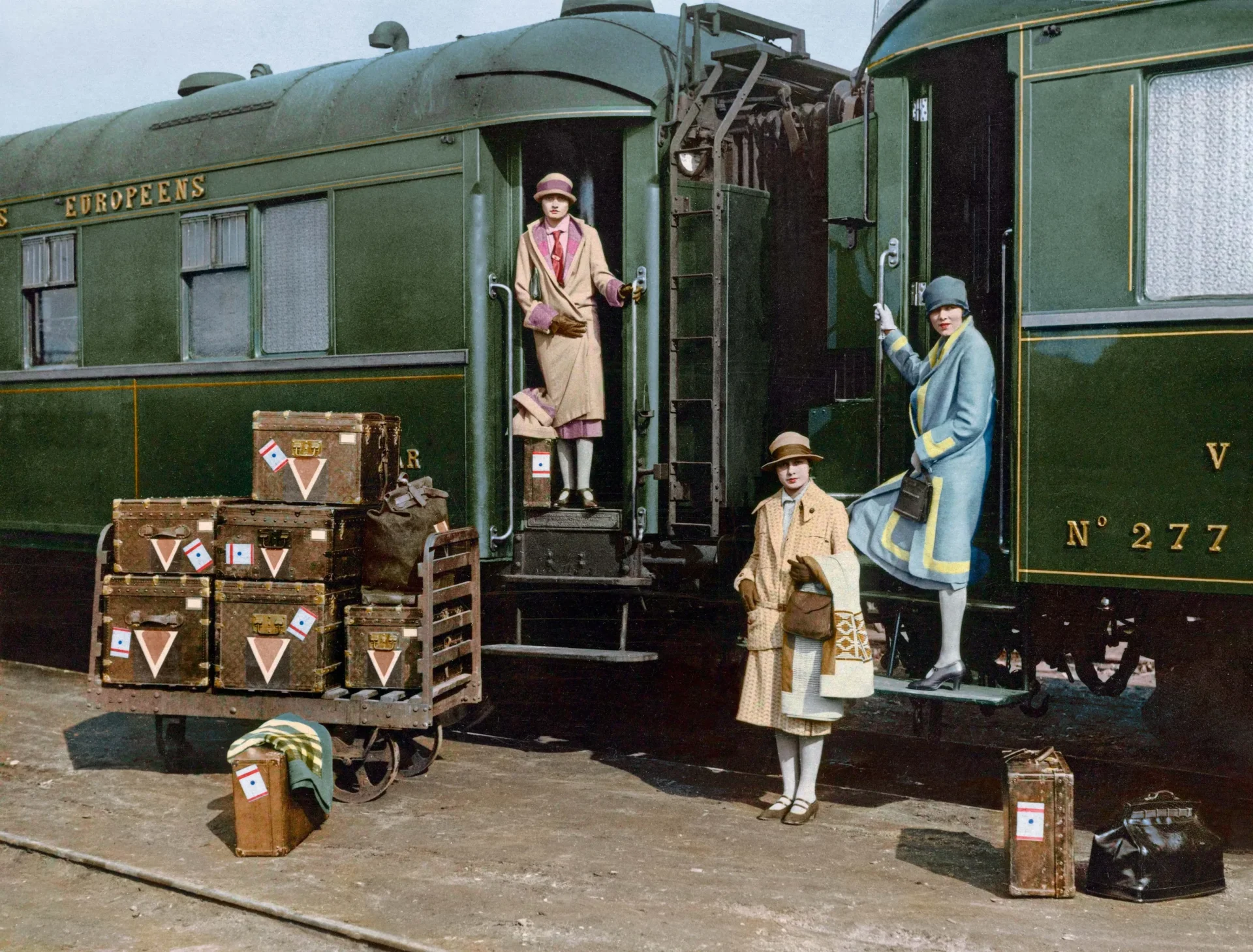
In Asnières, where the house has made its trunks since 1859, Pierre-Louis Vuitton talks about the Monogram and the craft, while Bruno Aveillan's suitcase, photographed in more than a hundred places, becomes a book and an exhibition in Paris.

Style / Reportage
Diamond stitching brings the saloon’s interior vocabulary to a limited-edition Samba OG in three monochrome colours.
Art & Collecting / Brief
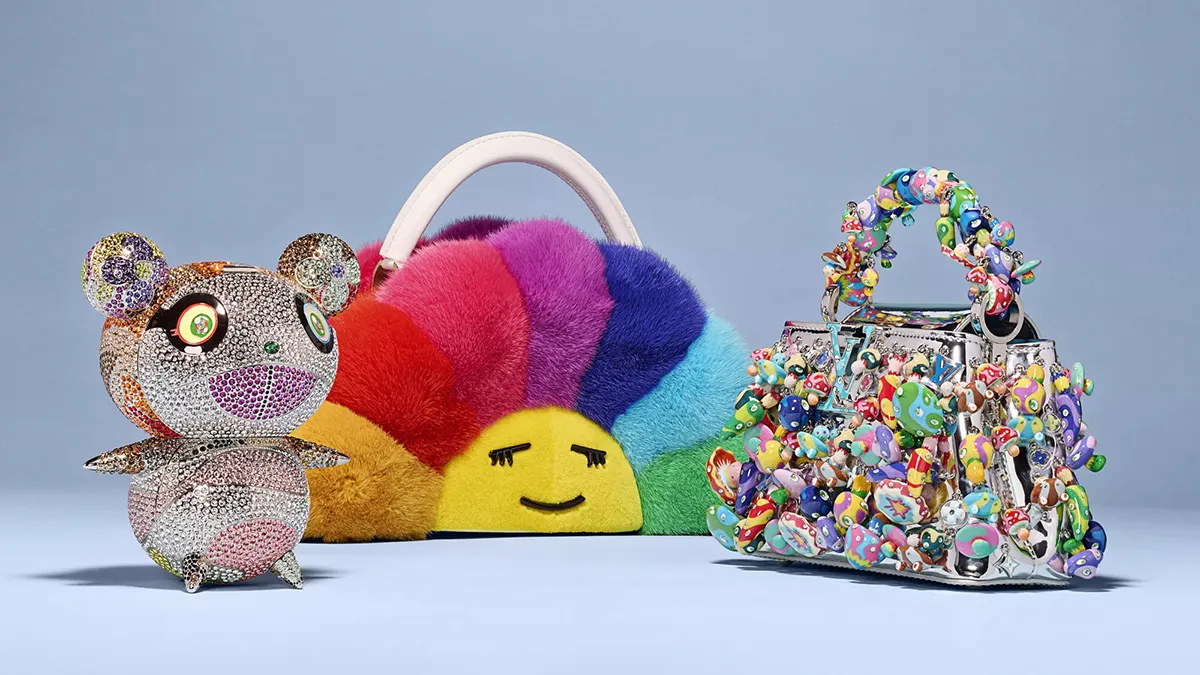
Murakami, Gehry and Kusama sign the lots of Scarcity & Infinity, the most complete collection of Louis Vuitton artist collaborations ever offered at auction.
Style / Reportage
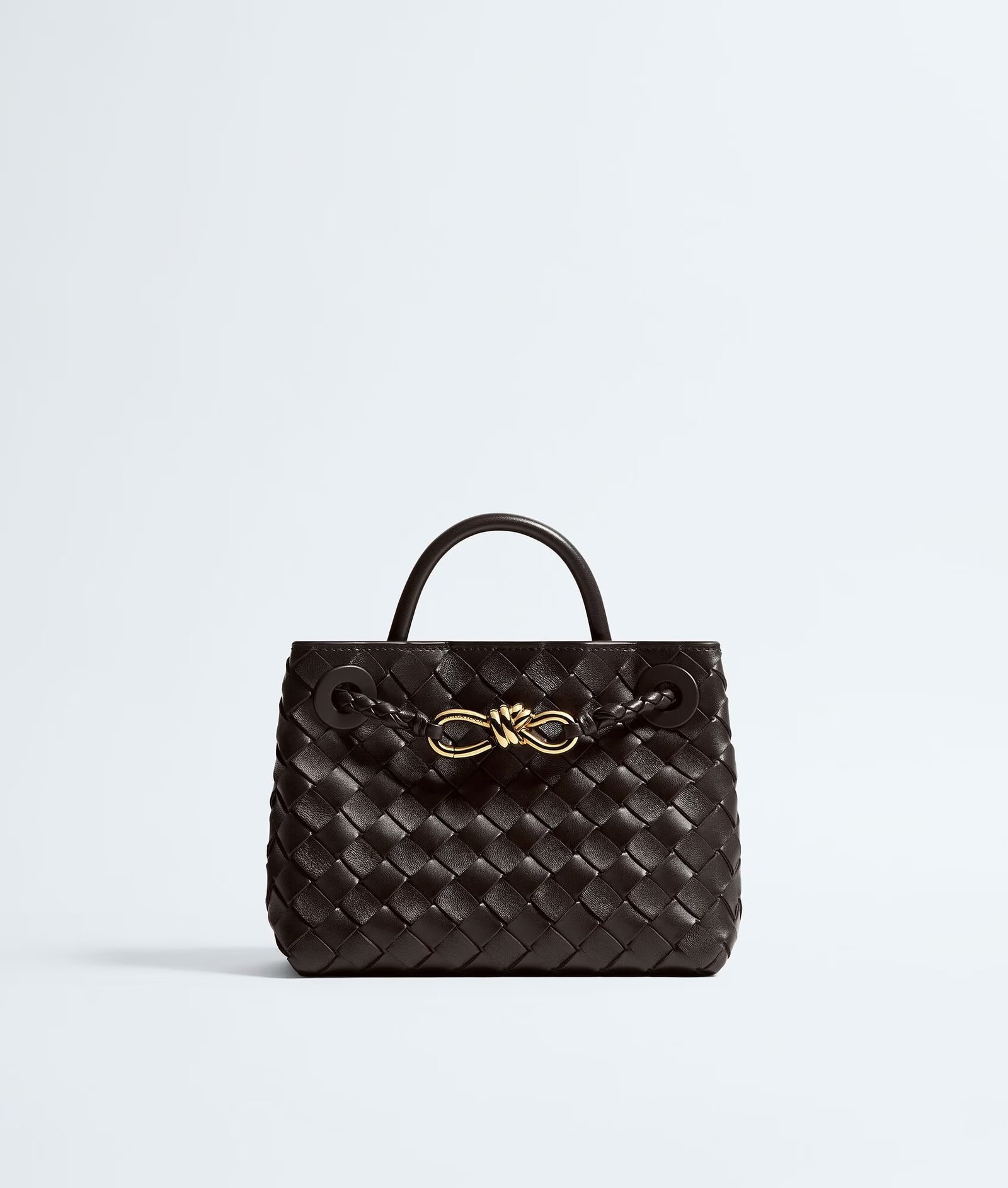
The compact bag keeps Intrecciato, a metal knot and two ways of carrying the family introduced by Matthieu Blazy.

Style / Reportage
A motorcycle concept and a Spring/Summer 2027 collection share a runway and a Japanese manufacturing heritage.
THE CURATED GLOBE / FROM THE EDITORS
A considered selection of people, places and ideas from WAYFARER Edition, delivered to your inbox.
Free. No data sharing. Unsubscribe in one click.