The GLP-1 guest: how appetite suppressants are rewriting hotel dining and wellness
Guests on GLP-1 medication eat less and ask more of the spa. Hotels and restaurants are answering with smaller plates, protein-led menus and programmes built around recovery rather than indulgence.
The most consequential new guest in hospitality is not a generation or a nationality but a prescription. GLP-1 medications, developed for diabetes and now widely used for weight control, are changing what people want from a resort, a spa and a restaurant table. A RAND study published in August 2025 found that between 10 and 12 per cent of American adults were already using them.
The effect is simple to describe. Guests on these drugs feel full sooner, want less and lose interest in the long, multi-course meal that has structured the grand hotel for a century. Research by Morgan Stanley found that most users order considerably less when they eat out. For an industry that has long measured generosity in courses, that is a structural problem.
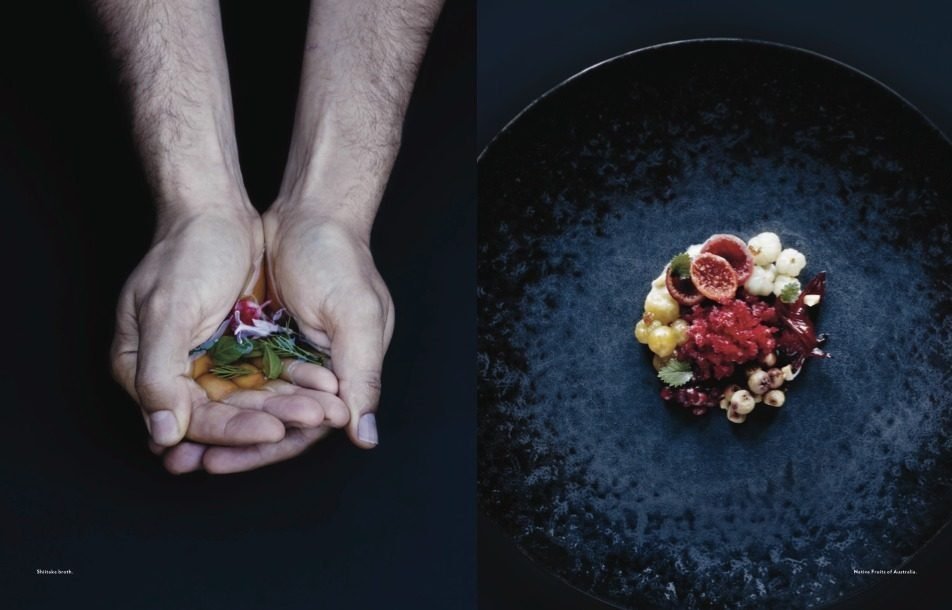
FEWER BITES, MORE THOUGHT IN EACH ONE. IMAGE: PRESS
Smaller plates, recalibrated menus
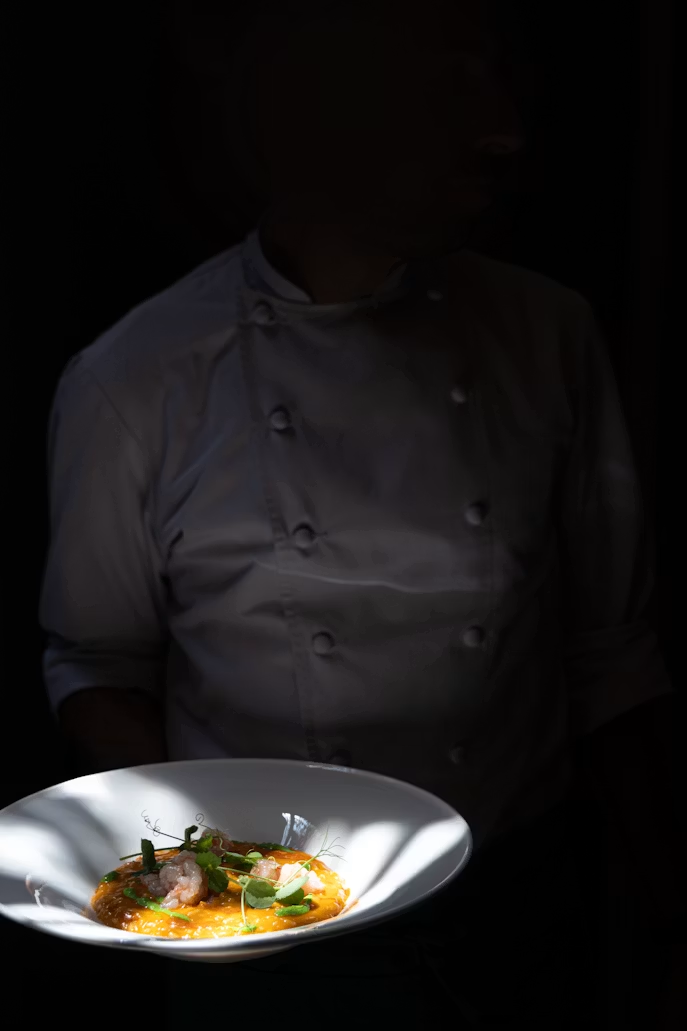
Restaurants have moved first. In New York, dining rooms now offer half-size versions of their classics and miniature cocktails, and some kitchens have introduced tasting menus scaled down rather than stretched out. Hotel restaurants are testing smaller portions, denser nutrition and dishes that put protein and fibre ahead of refined carbohydrate. The change is not only dietary. It is a question of positioning, because value in hospitality has historically been tied to abundance, not restraint.
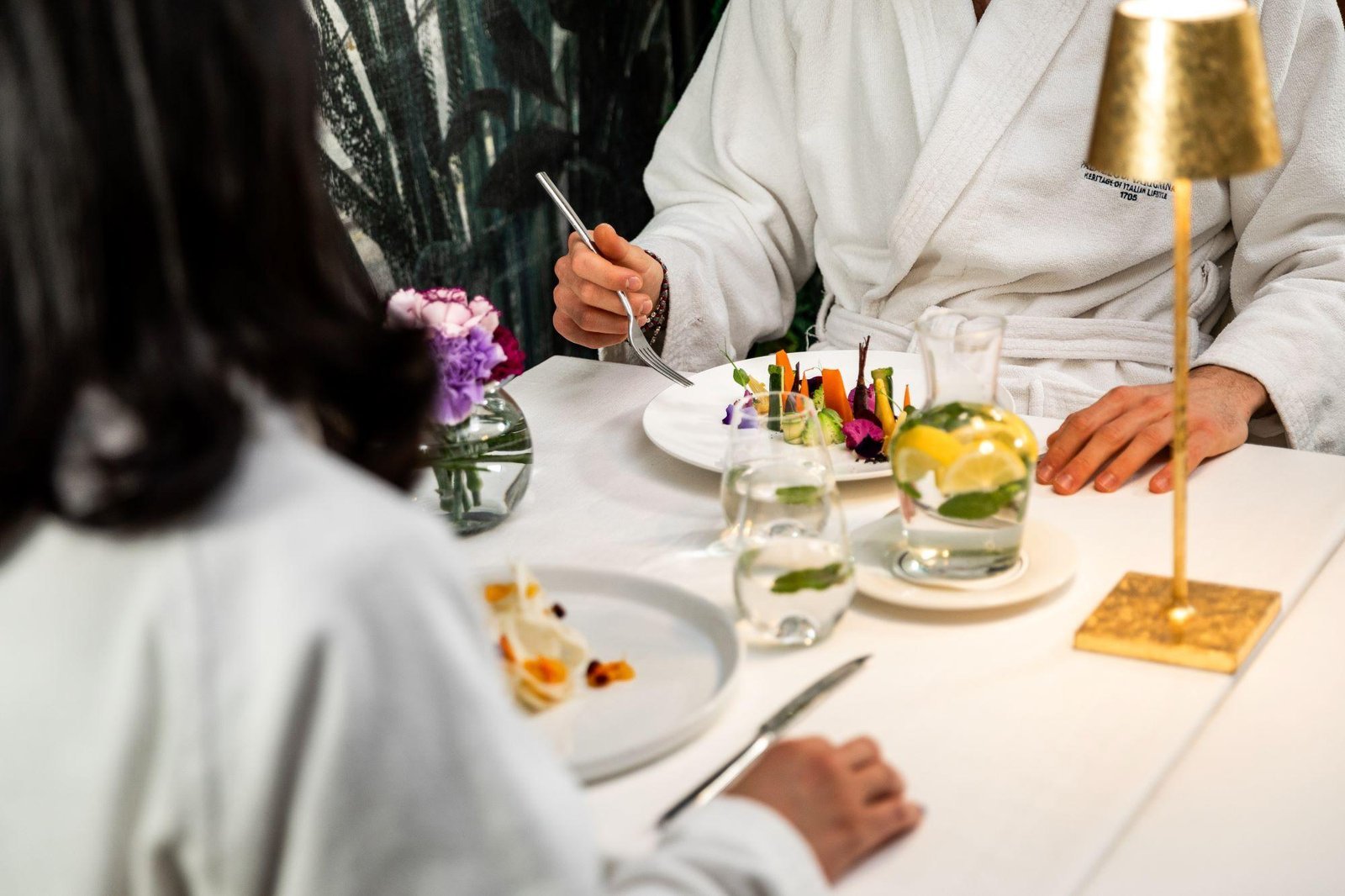
THE THERMAL CIRCUIT TAKES THE PLACE THE TASTING MENU ONCE HELD. IMAGE: PRESS
Wellness moves to the centre
Spas and wellness programmes gain ground precisely because they suit the new profile: a guest who wants less caloric indulgence and more physical recovery, better sleep and movement. Treatments concerned with preserving lean muscle, hydration and metabolic support are appearing on the menus of properties that once relied almost entirely on food as their point of difference.
REST, RECOVERY AND MOVEMENT, NOW SOLD AS THE MAIN COURSE. IMAGE: PRESS
Redefining indulgence
For hotels the challenge is narrative as much as culinary. It means redefining indulgence for a public that no longer looks for excess but for balance. The properties that translate this shift into curation rather than restriction, offering choice instead of a diet sheet, are likely to lead the next chapter.
The grand hotel was built on appetite. The guest now arriving at its door has less of it, and the hotels that thrive will be those that learn to make a smaller plate feel like the more generous one.
In Geneva, Erkin Bek's ALL HERE pairs guided practice with immersive headsets and live brainwave readings, a meditation centre that treats technology as a door rather than a distraction.
Japan has some of the longest lives on earth, and no single food explains them. From natto to wakame, eight staples of the Japanese table and the habit of stopping before you are full show how a diet built on fermentation, soy, sea vegetables and moderation fits a wider pattern of health.
From a floating ring of saunas in Swedish Lapland to a cedar cabin on a British Columbia bay, eleven hotels where heat, cold water and quiet have become the reason to travel.