Hermès Plein Air: foundation, colour and the tools of application
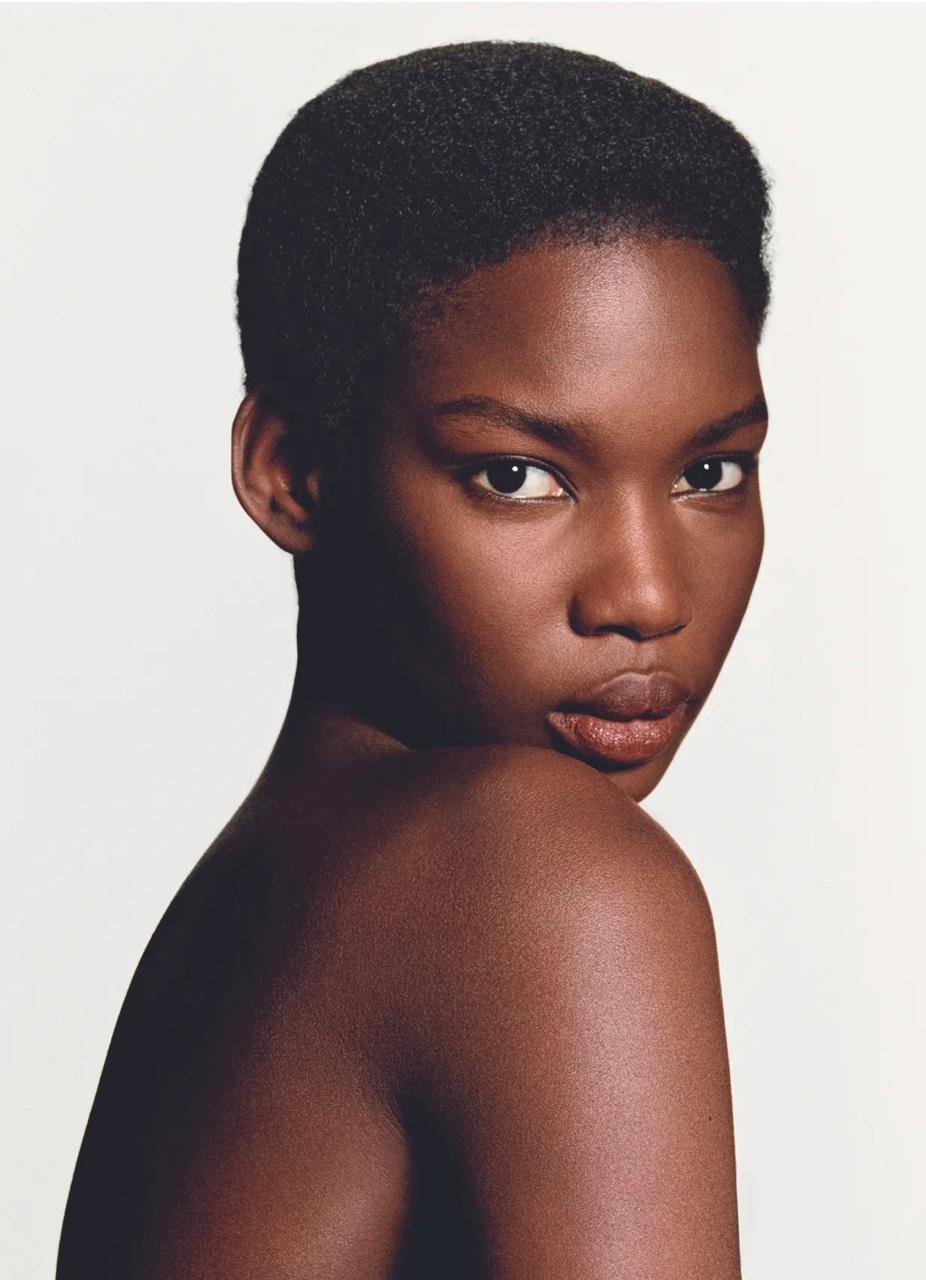
Hermès’ Plein Air Luminous Matte Skincare Foundation brings coverage and skincare positioning into the same product. The launch is also a study in the tools around makeup: bottle, brush, palette and spatula have been considered as parts of one application ritual.
Hermès’ Plein Air Luminous Matte Skincare Foundation brings coverage and skincare positioning into the same product. The launch is also a study in the tools around makeup: bottle, brush, palette and spatula have been considered as parts of one application ritual.
Under beauty creative director Gregoris Pyrpylis, the foundation was developed over four years. Its intended finish combines medium coverage with a luminous matte appearance, rather than treating matte and reflected light as mutually exclusive.
The formula and its claims
The original launch information described 82 per cent of the formula as skincare ingredients. Niacinamide, hyaluronic acid and white mulberry extract form part of that proposition. The number describes the brand’s formulation claim; it does not mean that a cosmetic foundation replaces a dedicated treatment or produces identical results for every user.
The distinction between appearance while the product is worn and the skin’s condition after removal is important. Coverage and a more even-looking surface are immediate cosmetic functions. Longer-term skincare claims need to be read alongside the testing and the conditions under which results were measured.
Colour requires more than a shade name
The announced range includes 35 shades across five intensity levels and three undertone families. That organisation recognises that matching a foundation is not only a matter of choosing a lighter or darker bottle. Undertone changes how the colour sits against the complexion.
A shade range is a framework for selection rather than a guarantee of an exact match. Testing the product in suitable light, and allowing it to settle on the skin, remains more useful than choosing solely from a name or an online image.
The objects around the product
A Perfecting Primer accompanies the foundation and can be considered separately when less coverage is wanted. Pyrpylis also developed application accessories, including a brush, spatula and palette.
The Le Perfecteur brush has an angled shape associated with a horse’s hoof. The reference places Hermès’ equestrian history within an object whose purpose is practical: controlling the application of product across the face.
Pierre Hardy designed the packaging around frosted glass, lacquered black and white metal and the house’s gold ex libris. These materials give the bottle an identity within the wider Hermès beauty collection without changing what should be asked of the formula.
Plein Air is most interesting when the cosmetic and the object are kept in balance. The design makes the routine recognisable as Hermès; shade, texture, coverage and individual compatibility determine the experience on the skin.
The brush changes the gesture
An angled brush, a palette and a spatula give foundation application several separate stages. The product can be placed, distributed and worked across the face without requiring every action to happen directly from the bottle. That makes the accessories part of the design proposition, rather than decorative companions to the formula.
Hardy’s packaging and Pyrpylis’s application tools also work at different scales. Glass and metal establish the object on a dressing table; the brush meets the face at close range. A coherent collection has to join those scales without making the brand’s visual identity a substitute for shade matching or the behaviour of the formula. The most useful reading of Plein Air keeps the designed object and the cosmetic result distinct.
In Geneva, Erkin Bek's ALL HERE pairs guided practice with immersive headsets and live brainwave readings, a meditation centre that treats technology as a door rather than a distraction.
Japan has some of the longest lives on earth, and no single food explains them. From natto to wakame, eight staples of the Japanese table and the habit of stopping before you are full show how a diet built on fermentation, soy, sea vegetables and moderation fits a wider pattern of health.
From a floating ring of saunas in Swedish Lapland to a cedar cabin on a British Columbia bay, eleven hotels where heat, cold water and quiet have become the reason to travel.