Hotel de Rome keeps the structure of an earlier Berlin within the life of a contemporary hotel. On Bebelplatz, the former Dresdner Bank headquarters gives Rocco Forte’s address a history visible in its stonework, rooms and spaces below ground.
The location places Unter den Linden, the Staatsoper, St. Hedwig’s Cathedral and the Museum Island circuit within the wider stay. The building belongs to that institutional cityscape rather than to an isolated hotel district.
Stone, velvet and a different use
Olga Polizzi and Tommaso Ziffer’s interiors introduce contemporary contrasts into a substantial historic shell. Stone and columns meet dark velvet, lacquer and more playful lighting. The rooms do not have to imitate a nineteenth-century bank to acknowledge the building’s earlier purpose.
The Banker Suite retains the wood panelling and parquet associated with a former boardroom. Other suites, including the Royal Bebel and Terrace accommodation, connect the stay more directly with the square and the skyline beyond it. Individual layouts and views remain matters of room category rather than features promised throughout the hotel.
Bathrooms use mosaics, bathing spaces and heated floors, while Irene Forte Skincare supplies another connection with the wider hotel group. The historical character is therefore most apparent where an original feature has a clear place within the new use.
A vault becomes a pool
Below ground, the former bank vault gives the spa its distinctive setting. A twenty-metre pool, treatment rooms and heat facilities introduce movement and wellbeing into a space once designed to protect valuables.
The change is practical as well as architectural. The vault’s enclosed character suits a different kind of withdrawal from the city, while its original structure remains part of what makes the experience specific to this hotel.
Dining above and below the skyline
CHIARO provides an Italian dining direction, associated with Fulvio Pierangelini’s culinary work for the group. Breakfast, the Opera Court’s tea setting and the rooftop create other moments within the day.
The rooftop matters because Berlin becomes visible from the hotel rather than only reachable from it. Seasonal drinks, music and winter programmes change over time; their availability should be checked rather than inferred from an earlier visit.
Hotel de Rome works through those layers. The bank supplies the architecture, the interiors introduce another period and Bebelplatz keeps the city immediately present. Its history is not left at the entrance. It is carried into the spaces a guest actually uses.
The independent LTI ranking puts Mandarin Oriental at the top for the fourth consecutive year, with 81.1 per cent, ahead of Oetker, Bulgari, Four Seasons and Rosewood. The full list of twenty brands.
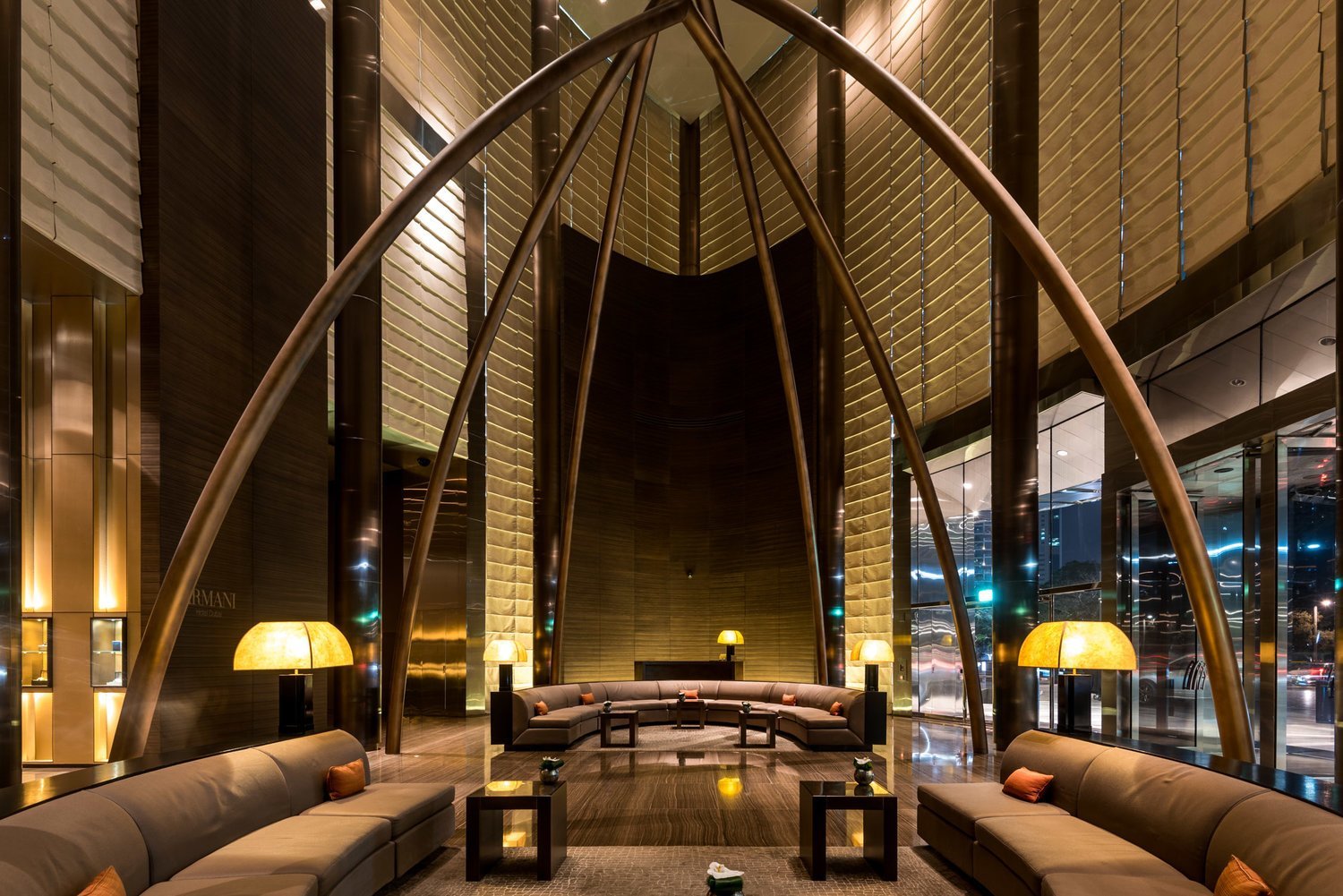
At Burj Khalifa, Giorgio Armani’s interior vocabulary supplies a counterpoint to the scale of Downtown Dubai. Room layouts and distinct dining spaces make that contrast practical.
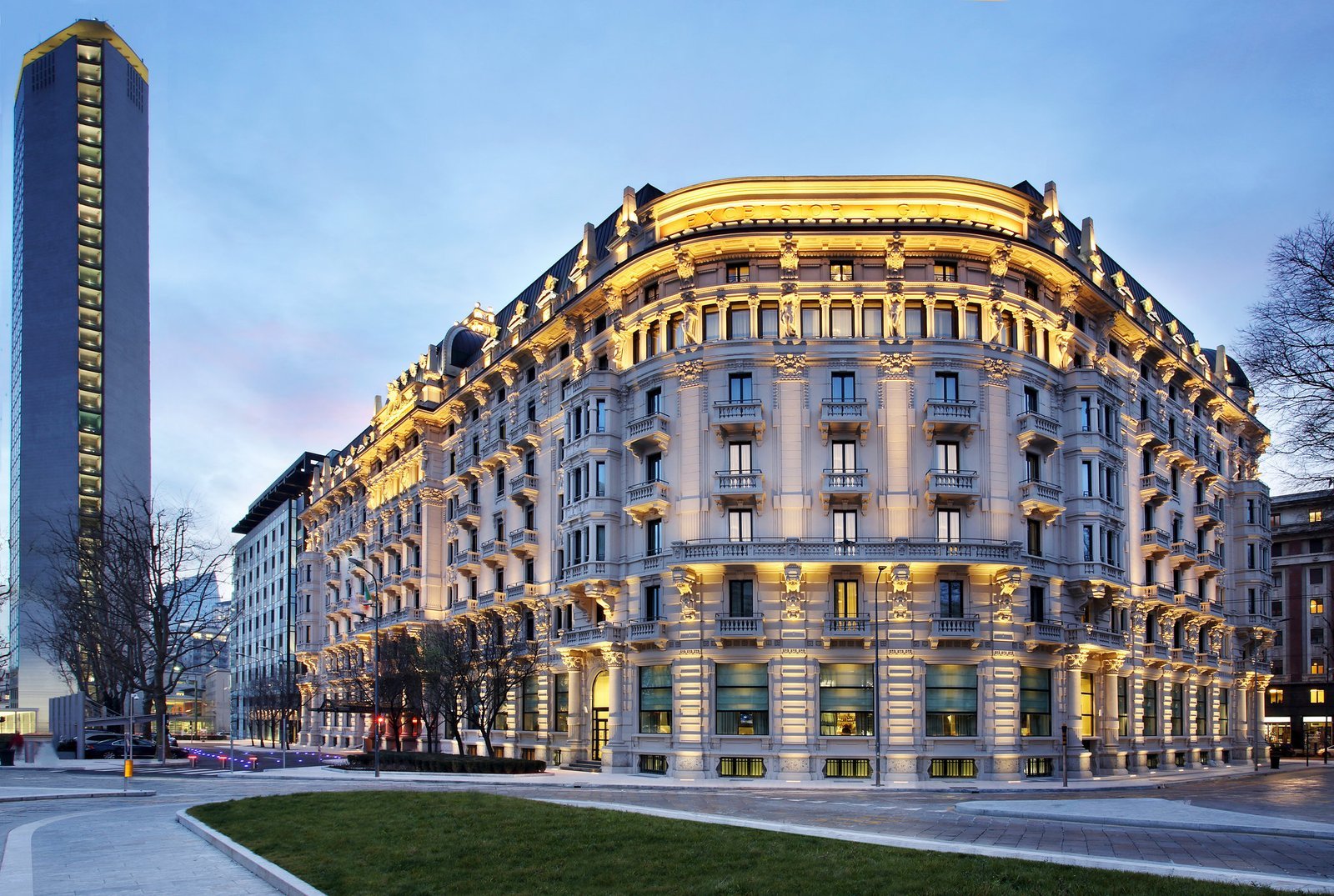
Opposite Milano Centrale, Marco Piva’s renovation connects a 1932 landmark with contemporary Italian makers. Furniture, lighting and art give the station-facing hotel its present language.
Milan
THE CURATED GLOBE / FROM THE EDITORS
Good stories. Better company.
A considered selection of people, places and ideas from WAYFARER Edition, delivered to your inbox.
Welcome aboard. Your first letter is on its way.
We could not complete your subscription. Please check your email and try again.