Capella’s first hotel in Japan places Kyoto’s craftsmanship at the centre of the stay. In Miyagawa-cho, the property brings together the city’s cultural traditions, a contemporary architectural language and the personalised hospitality that has become the brand’s signature.
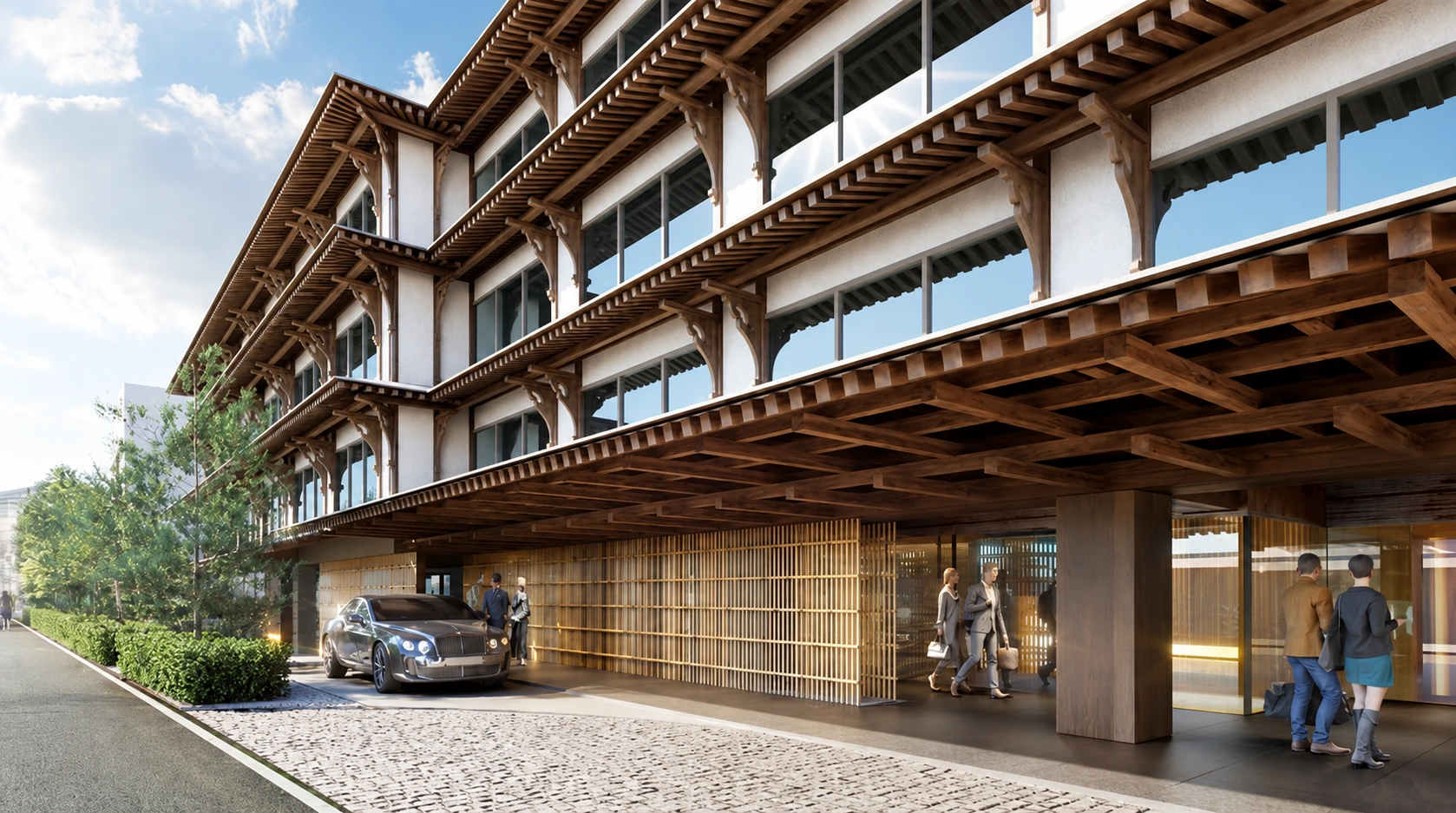
Kengo Kuma & Associates and Brewin Design Office reinterpret the machiya, Kyoto’s traditional townhouse, in a four-storey building arranged around a courtyard and water feature. The scale remains close to the neighbourhood rather than turning the hotel into an isolated landmark. There are 89 rooms, including 29 suites; accommodation begins at 50 square metres, and six Onsen Suites have private bathing facilities.
Craft is part of the proposition beyond the interiors. The hotel’s cultural programme introduces the surrounding district and the people who sustain its traditions, with the nearby Kenninji temple and Miyagawa-cho’s performance culture providing a setting that cannot be reproduced elsewhere. Wellbeing and attentive service complete the stay, but Kyoto remains its subject: a city encountered through materials, workshops and the rituals of everyday life.
The neighbourhood is part of the building
The machiya reference concerns the organisation of space, not simply timber or a familiar roofline. The courtyard gives the four-storey building an internal point of orientation, allowing rooms and shared spaces to relate to a centre while the district outside remains part of the stay.
The proximity to Miyagawa-chō Kaburenjo is specific: a theatre connected with geiko and maiko performance traditions. Kenninji supplies another layer beside it. Both have their own activities, rules and rhythms. Neither should become a decorative shorthand for an imagined, timeless Kyoto.
The choice of accommodation also concerns use. Private bathing in an Onsen Suite changes the hours spent indoors; a traveller planning long days across the city may value the neighbourhood as much as an expanded room. Floor area alone does not explain the distinction.
Capella Curates is the starting point for the cultural programme. Specific encounters depend on the available schedule and are not a promise of private entry into every local institution. The strongest reason to stay is the connection between a considered building and an active district, with time to understand both.
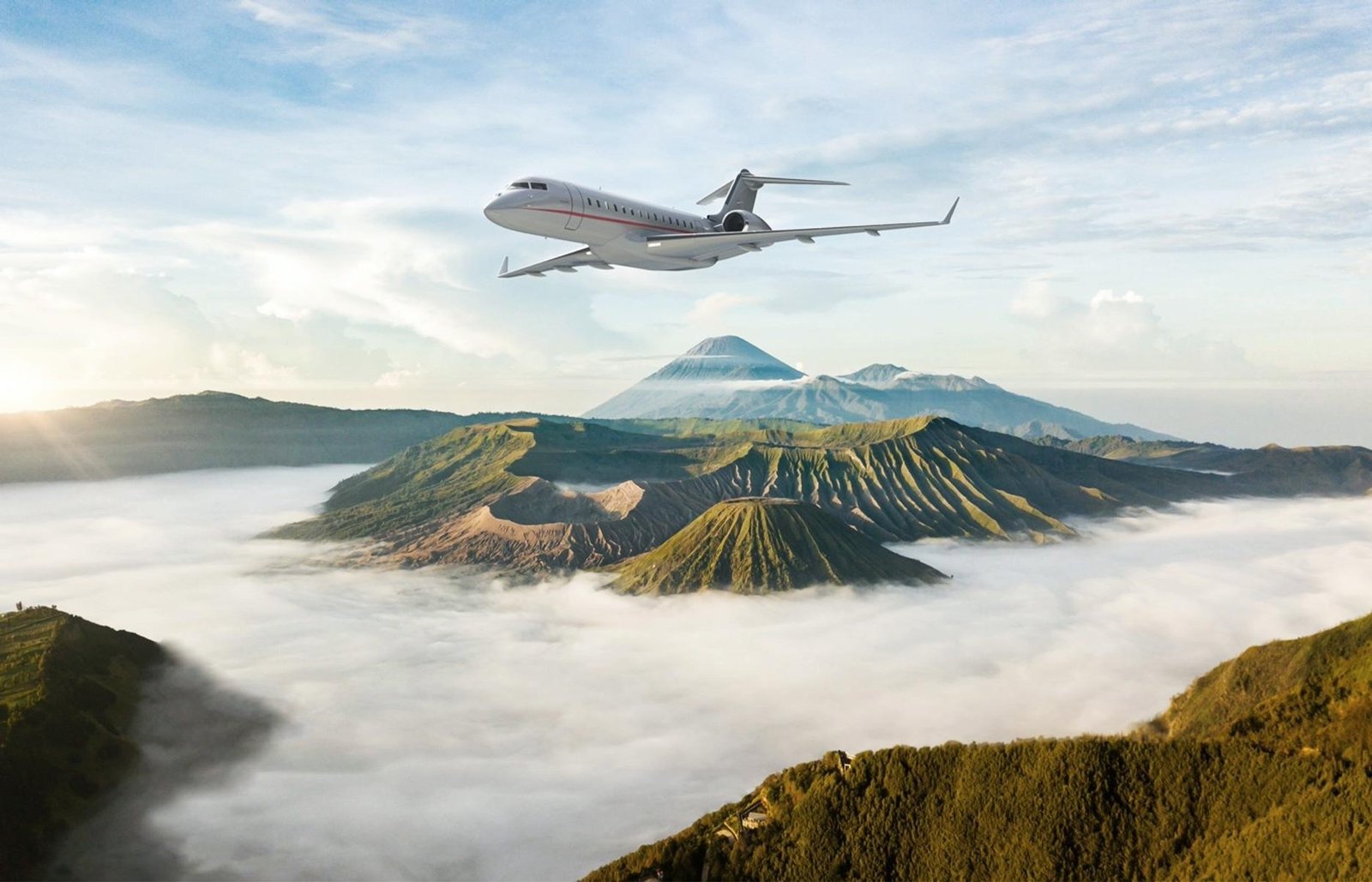
Four Seasons, Aman, Maybourne, Belmond and Mandarin Oriental now sell the journey as part of the stay, from helicopter transfers into London to 23-day circumnavigations at $238,000 a head. Who flies, why, and what is really being bought.
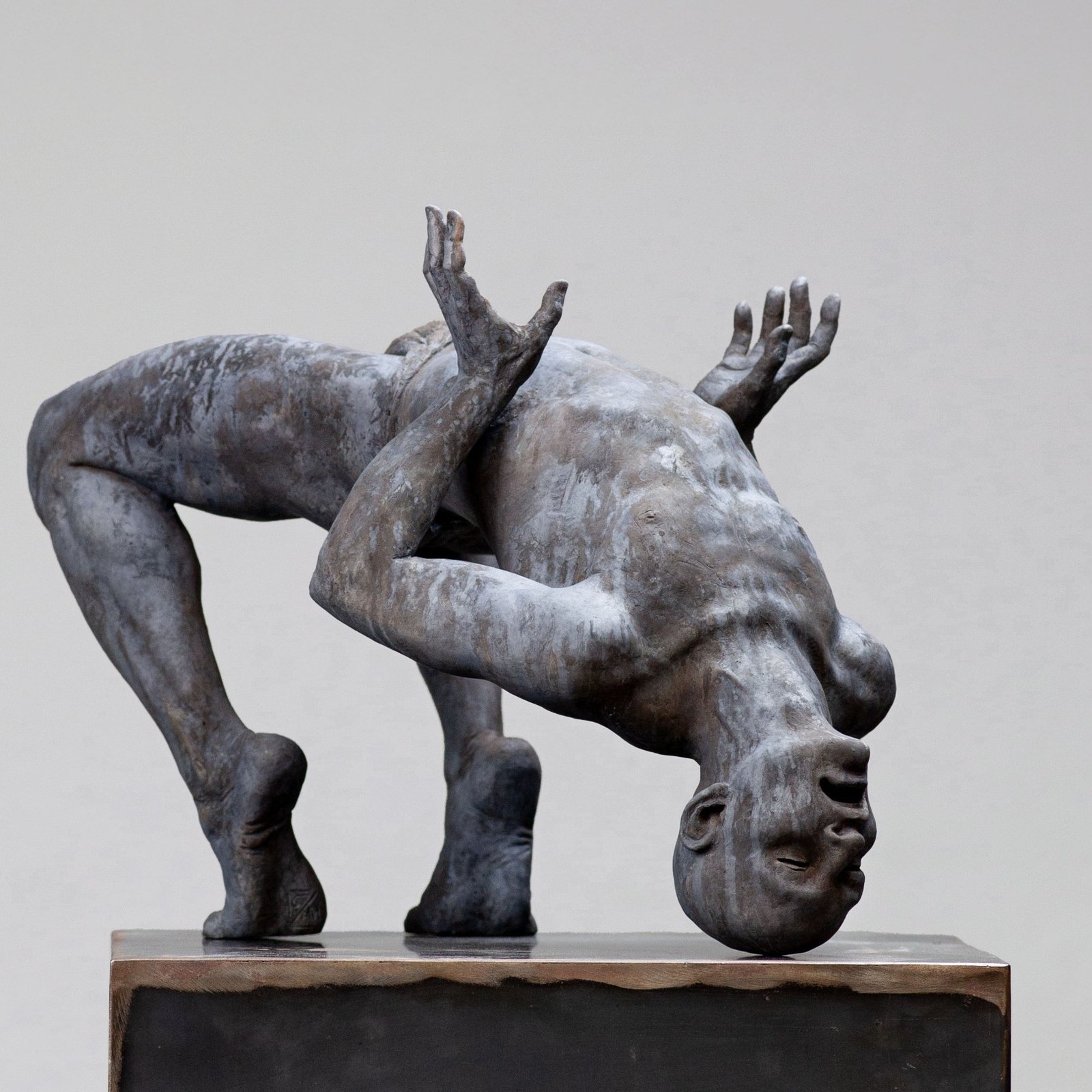
Airlifted by helicopter to the summits, monumental bronzes by Coderch & Malavia turn Courchevel's slopes into an open-air gallery, with Arman back in 1850.
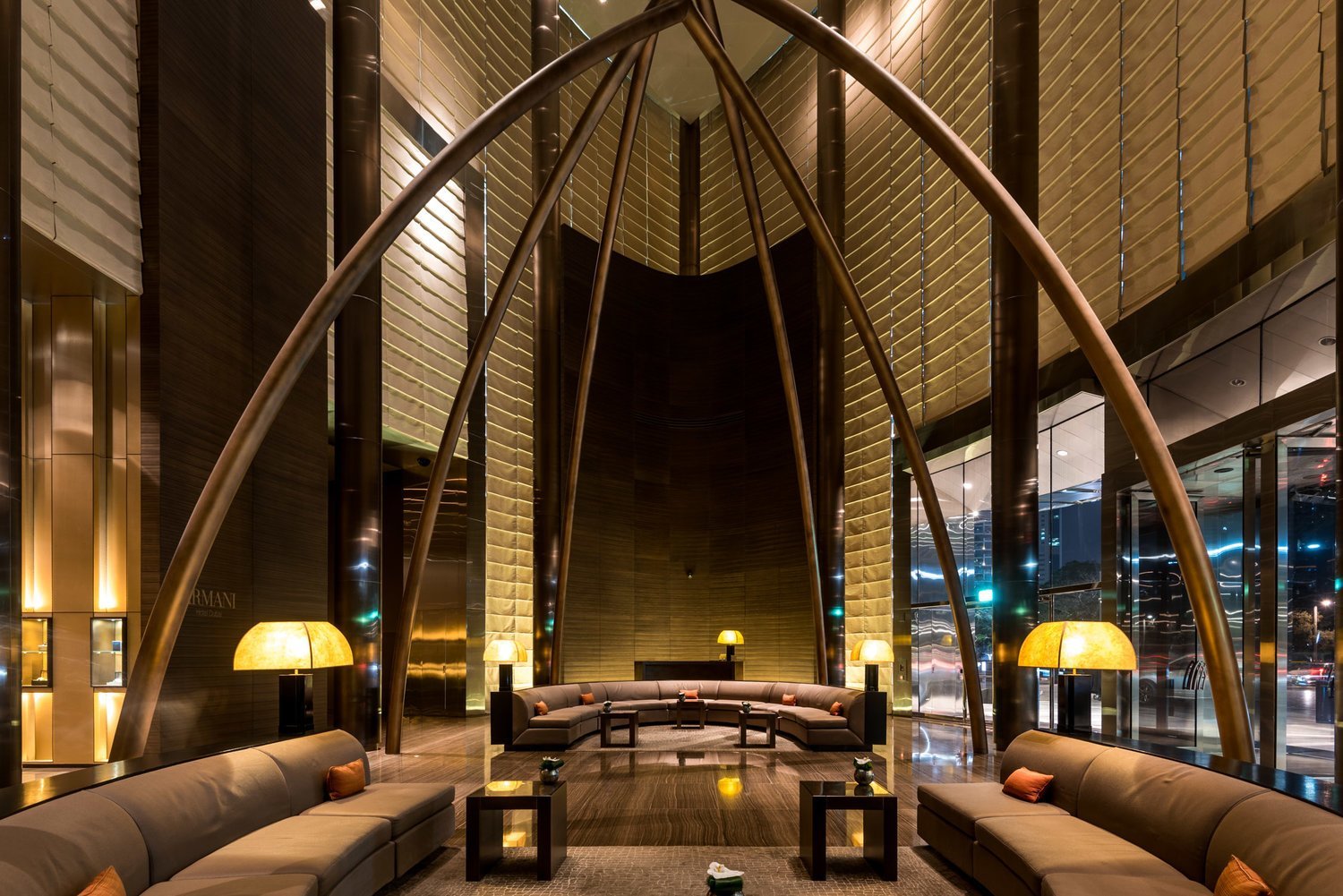
At Burj Khalifa, Giorgio Armani’s interior vocabulary supplies a counterpoint to the scale of Downtown Dubai. Room layouts and distinct dining spaces make that contrast practical.
A USD 350,000 contribution or a USD 800,000 bond: Argentina's new programme brings citizenship by investment to South America, and with it a passport that opens 169 destinations without a visa.
The Swedish artist has reimagined the overwater slide that became Soneva's signature, and now returns to Soneva Fushi for a residency where guests make art beside him.