In May, the Hotel du Cap-Eden-Roc becomes part of the Cannes Film Festival without moving to Cannes. The distance is essential. Cinema comes to Antibes, and the hotel gives the people around it somewhere to continue the conversations after leaving the festival’s streets.
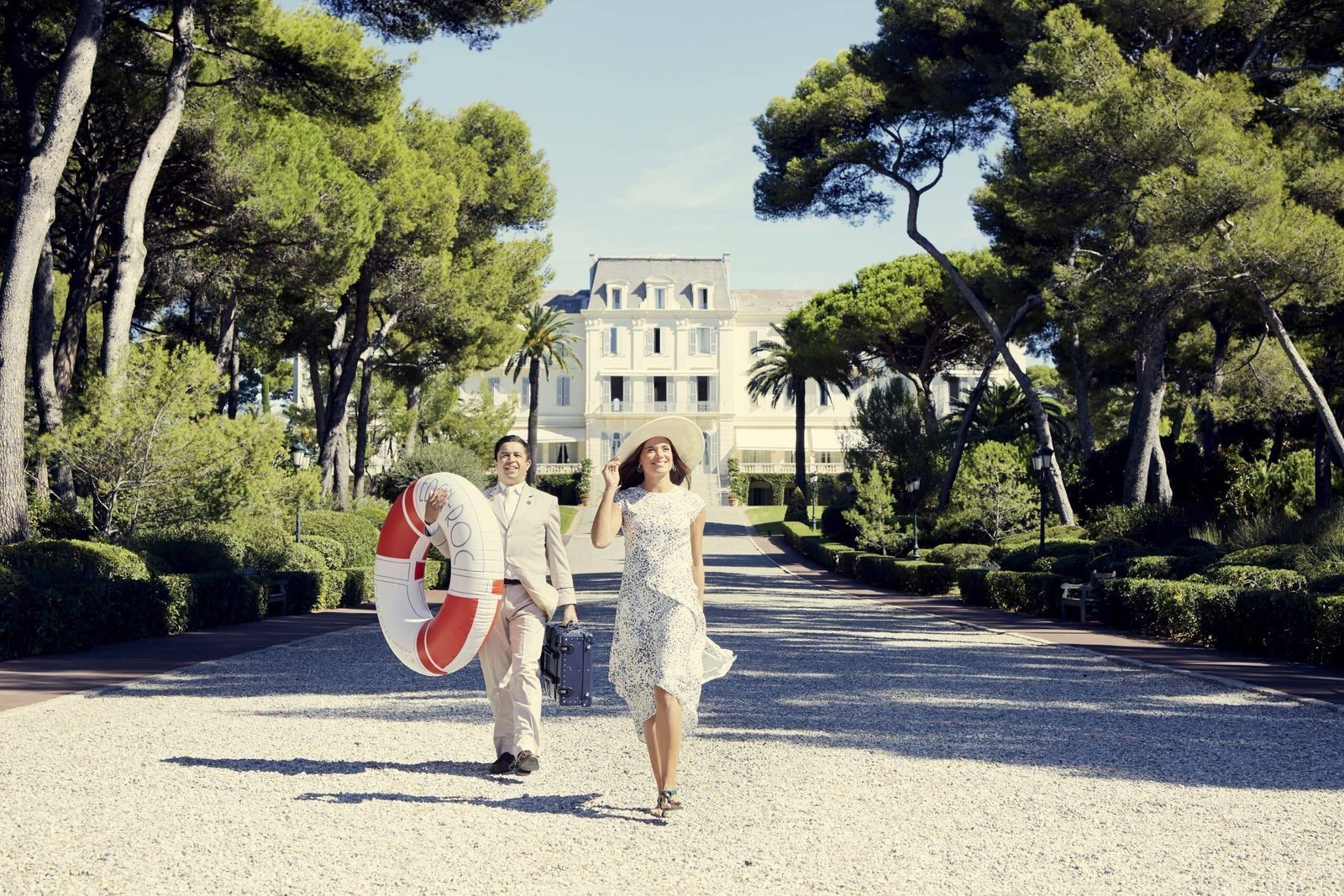
Arriving through the maritime pines, I noticed the late-afternoon light across the main house. Philippe Perd’s observation about the particular light at the Cap in this season belonged to a place whose visual identity has been repeated in decades of film-world photographs. The atmosphere begins in the landscape, but history adds another layer.
A house older than the festival
The property’s origins are associated with Le Figaro’s Hippolyte de Villemessant. It opened as a hotel in 1870, not the 1889 date implied by an earlier calculation of its age at the first Cannes festival.
Gerald and Sara Murphy helped make the 1920s summers part of its literary history. F. Scott and Zelda Fitzgerald belonged to that circle, and Tender Is the Night carried a Riviera hotel into fiction as Gausse’s Hôtel des Étrangers.
The film industry later inherited a setting that already had a social vocabulary. Its appeal was not constructed entirely around Cannes, even when the festival became one of the moments in which that appeal was most visible.
The return is part of the ritual
The hotel’s relationship with repeat guests creates a continuity a new opening cannot manufacture. Rooms, the main house, the seaside pavilion and the grounds give people different ways to participate in the same address.
Privacy depends on conduct as well as architecture. The original reporting described a house that expects respect for staff and for the property; unverified or potentially harmful stories about individual guests are not necessary to make that principle clear.
Lunch at The Grill
During my May lunch at The Grill, the room’s social choreography was as noticeable as the table service. A lobster salad prepared beside the table made the meal part of the event, while arrivals and departures kept conversations moving around the terrace.
The gardens, cliffs and sea also attract gatherings by fashion houses, production companies and the organisations connected with the festival. The Cap offers a setting where a meal can become a meeting without needing to announce itself as one.
The Grande Allée and amfAR
The amfAR gala gives that social life its largest annual form. The organisation’s benefit joined the hotel’s calendar in 2009, connecting fundraising, fashion, art and cinema in an event whose preparation begins long before the guests arrive.
The Grande Allée, running from the main house towards the sea, supplies a ready-made frame. Auction previews and the evening’s temporary structures add to it, but the garden remains the organising axis.
The ballroom installed around the tennis-court area is a considerable logistical exercise. It must feel complete for an evening, then return the grounds to their ordinary use. That transformation reveals another side of hospitality: a short event supported by months of planning.
Cannes, at a useful distance
Graydon Carter’s recollection of returning to the Cap while making relatively few journeys into Cannes itself captured the distinction. The festival supplies the occasion, but the hotel can become the place where the stay actually happens.
The drive between the two is not a fixed promise of twenty-five minutes during a crowded festival week. It is a transition between public spectacle and a setting where the same people can meet on different terms.
Hollywood returns for that relationship. Cannes provides the screen. The Cap provides the room around it.
Cover: Hotel du Cap-Eden-Roc. Historical archive image.
Go with WAYFARER. WAYFARER Agency arranges the red carpet, brand parties and a hotel on the Croisette for the Cannes Film Festival, with a written proposal within 24 hours.
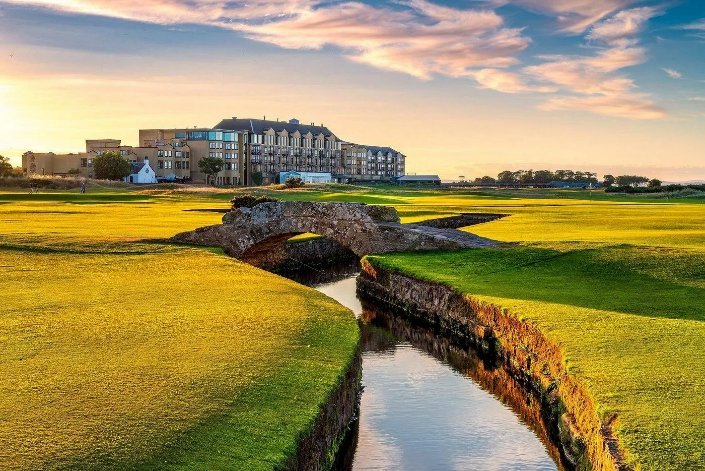
From St Andrews and Royal County Down to Cabot Saint Lucia, Hirono and Tara Iti, eleven courses that justify the journey, with how to get a tee time and where to sleep afterwards.
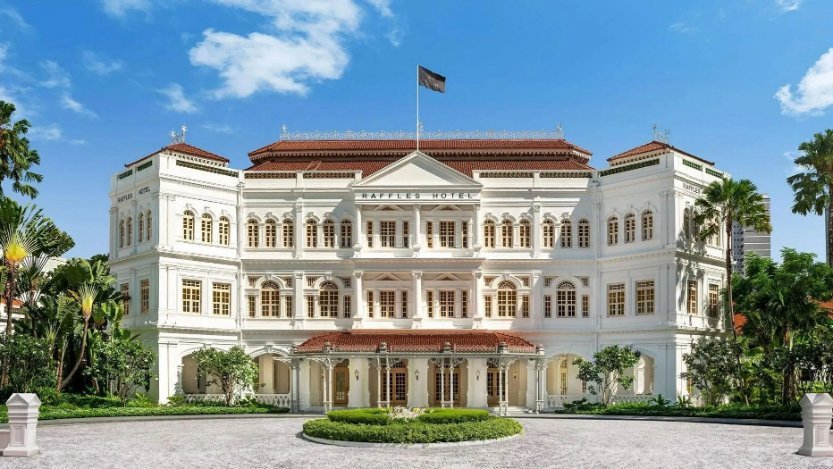
From the Hôtel de Paris in Monte-Carlo to Raffles in Singapore and a Mandarin Oriental in Bangkok marking 150 years, the grand hotels that have stayed relevant for more than a hundred years without surrendering their identity.