Dining / Brief
The World’s 50 Best Bars 2026: Bar Leone Holds the Top, and South America Takes the Podium
Hong Kong keeps the crown, Milan plays host and wins, and South America has never been so present. The full ranking, from 1 to 100.

THE CURATED EDITION.
Reportage /
There is a luxury that never appears on the bill: being recognised at the door.
Dining · Hospitality
There is a luxury that never appears on the bill: being recognised at the door.
The bartender remembers your drink. The waiter suggests, before the menu arrives, the dish he thinks you will like. Someone says “good to see you again” and means it. The best front-of-house people know these gestures weigh more than they seem. Martin Kuczmarski, founder of The Dover in London, leaves handwritten notes on tables when he cannot stop by in person, a small detail that makes one of the city’s most sought-after rooms feel intimate.
In an age of app reservations, confirmed by three automated reminders and cancelled with algorithmic coolness, becoming familiar to a place has turned into a rare comfort. The restaurants we return to are seldom only about the food: they are atmosphere, ritual and the sense of being, for a few hours, exactly where one should be. Jeremy King, one of London’s most respected restaurateurs, has said there are no signs to the lavatory in his rooms, because a guest should only ever need to ask once.
The good news is that becoming a regular has little to do with how much you spend or how often you go. The guests restaurants truly love are rarely the loudest or the most demanding in the room. They understand the rhythm of the place, treat the team as people and add to the atmosphere rather than draining it. And no, it does not mean greeting the maître d’ with theatre every Thursday and asking for “the usual”. The art is far subtler.
Regulars rarely arrive announcing the intention. The quickest way to be remembered for the wrong reasons is to rush familiarity on enthusiasm. Becoming part of a place is less like collecting points and more like any other relationship: it happens slowly, through constancy and trust. Nobody needs to hear “you’ll be seeing a lot of me” halfway through the second negroni. As on a first date, it is wise not to talk about commitment before the starter.
In a sea of anonymous bookings, paying attention to people is already a distinction: knowing your waiter’s name, remembering the bartender who chats, greeting whoever is at the door with real warmth. The care lies in not turning it into performance. Over-using first names to seem important is noticed at once, usually somewhere between the third “my friend” and a handshake held too long. For those who forget names, a discreet note on the phone will do. It is infinitely better than calling someone “darling” for three years without ever knowing who they are.
A restaurant is a living organism, with moods, peaks of pressure and a routine of its own. The good guest notices when the room is full and when there is space for a longer conversation. They do not arrive twenty minutes late demanding the favourite table on a busy Friday. They know that sometimes the kindest gesture is to order decisively, enjoy the evening and let the service run.
Perhaps the golden rule. A regular never behaves as if frequency entitles them to special treatment at the expense of the room. Nobody warms to the person who announces “they know me here” seconds before asking for seventeen changes to a dish. The irony is that a restaurant’s spontaneous kindnesses usually go to those who ask for them least.
A restaurant’s kindnesses usually go to those who ask for them least.
Restaurants like curious guests: those who ask, trust a recommendation and, now and then, stray from their usual order. For the kitchen and the floor there is something flattering in a guest willing to be led. It does not require feigned enthusiasm for every extreme ingredient, only an open approach to the menu rather than a suspicious one. Whoever asks “what are you most excited to serve right now?” tends to eat far better than whoever cross-examines every sauce.
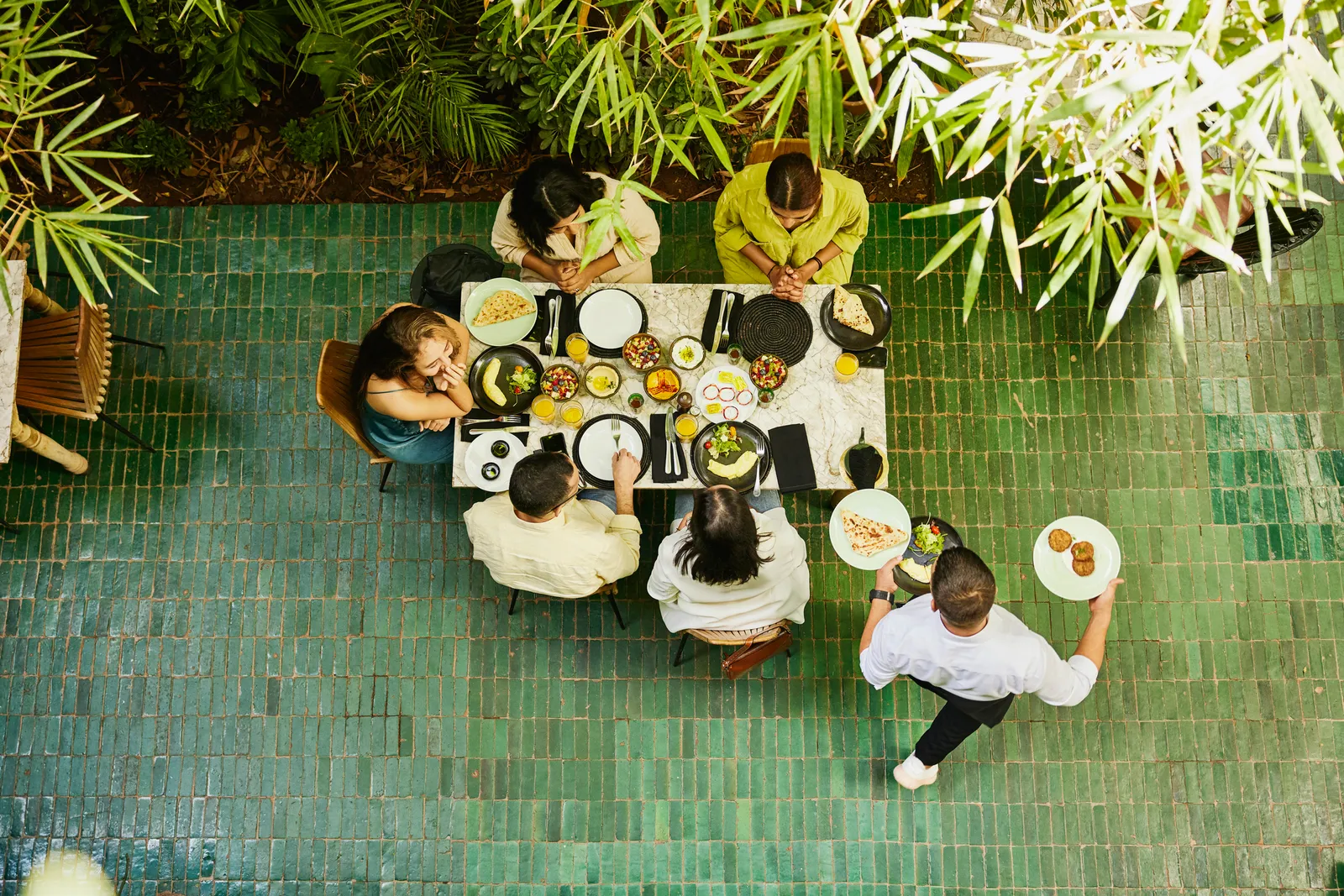
Tipping matters, above all where teams work under intense pressure. But good generosity feels natural, not theatrical. Nothing spoils a room faster than someone treating basic decency as a gesture worthy of applause. The point is not to use generosity as a currency of status, but to be someone the team is glad to look after.
Few things reveal as much as the guest who is impeccable with whoever controls the bookings and indifferent to whoever fills the water glass. Those who remember you most fondly are rarely the most visible faces: they are the runners, the bartenders and the younger waiters who hold the service together. A restaurant is an ecosystem, and a reputation, good or bad, travels quickly inside it.
Ending the night gracefully is also an art. The good guest notices when the house begins to slow down and does not insist on being the last obstacle between an exhausted team and the way home. That is no call for haste: some of the best nights deserve to run long, around a good bottle. But there is a difference between enjoying a room and taking it hostage.
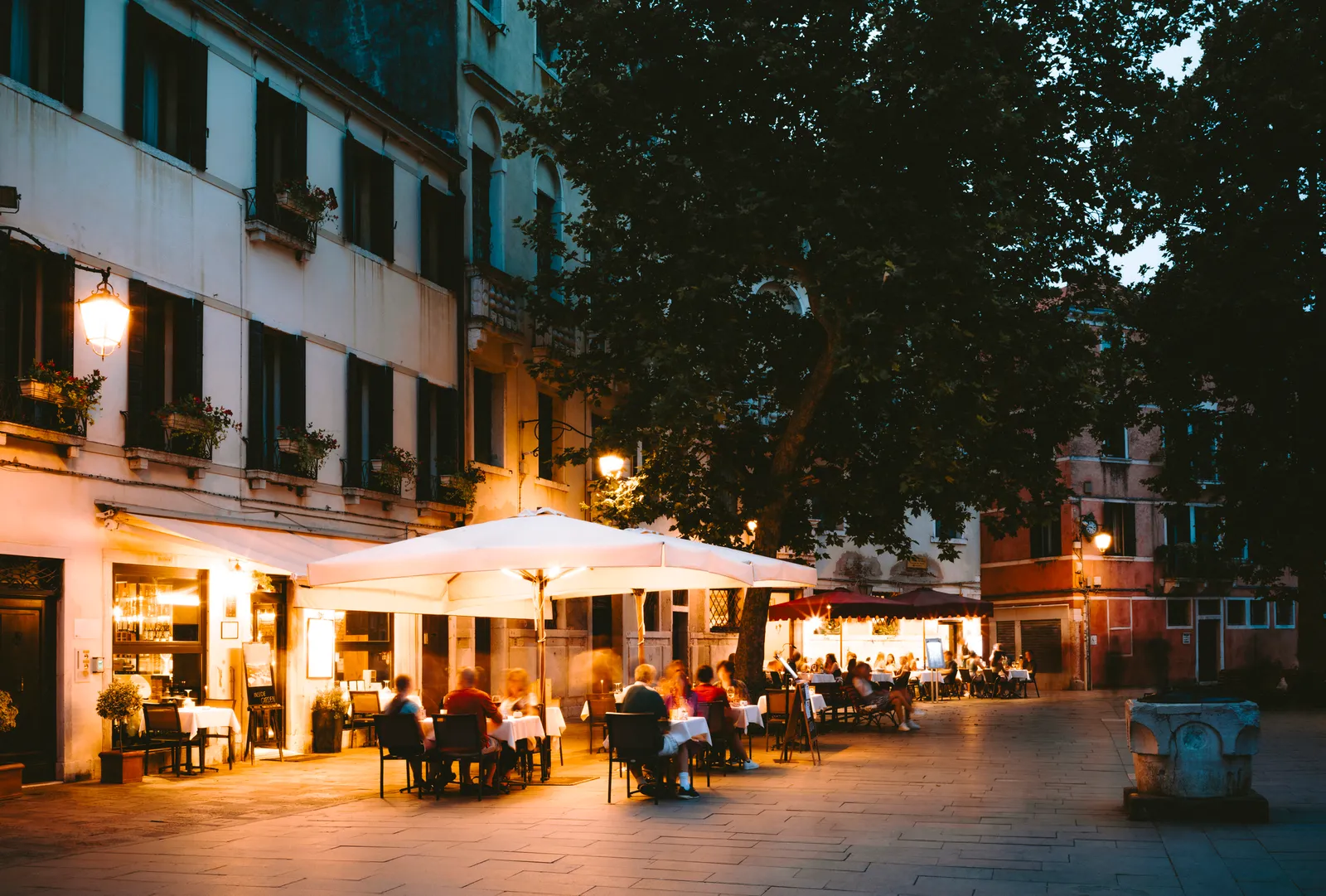
The most loved guests are rarely the showiest. More often they are the ones who improve a room simply by being in it: they bring good energy, put their friends at ease, laugh generously. They understand that dining out is a small collective theatre, made by the floor, the kitchen and the guests. People who work in restaurants remember how you made the room feel long after they have forgotten what you ordered.
There is a temptation to think that being a regular should bring ever larger rewards: champagne on the house, impossible tables, off-menu dishes whispered by candlelight. Sometimes it does. But the real reward is quieter: returning to a place that feels like yours, being received with warmth and knowing that, in cities increasingly run by algorithms and brief encounters, there are still rooms where someone remembers you.
No loyalty card buys what a room offers to those who know how to be in it. The usual table, the drink that arrives unasked, the “good to see you again” said in earnest: the luxury that never appears on the bill remains the only one that cannot be booked.
WAYFARER Edition
CONTINUE READING
Dining / Brief
Hong Kong keeps the crown, Milan plays host and wins, and South America has never been so present. The full ranking, from 1 to 100.
Dining / Reportage
After two years as runner-up, Asador Etxebarri tops The 50 Best Restaurants 2026. Sixteen names change in the top 50, and Japan disappears from it.
Dining / Reportage
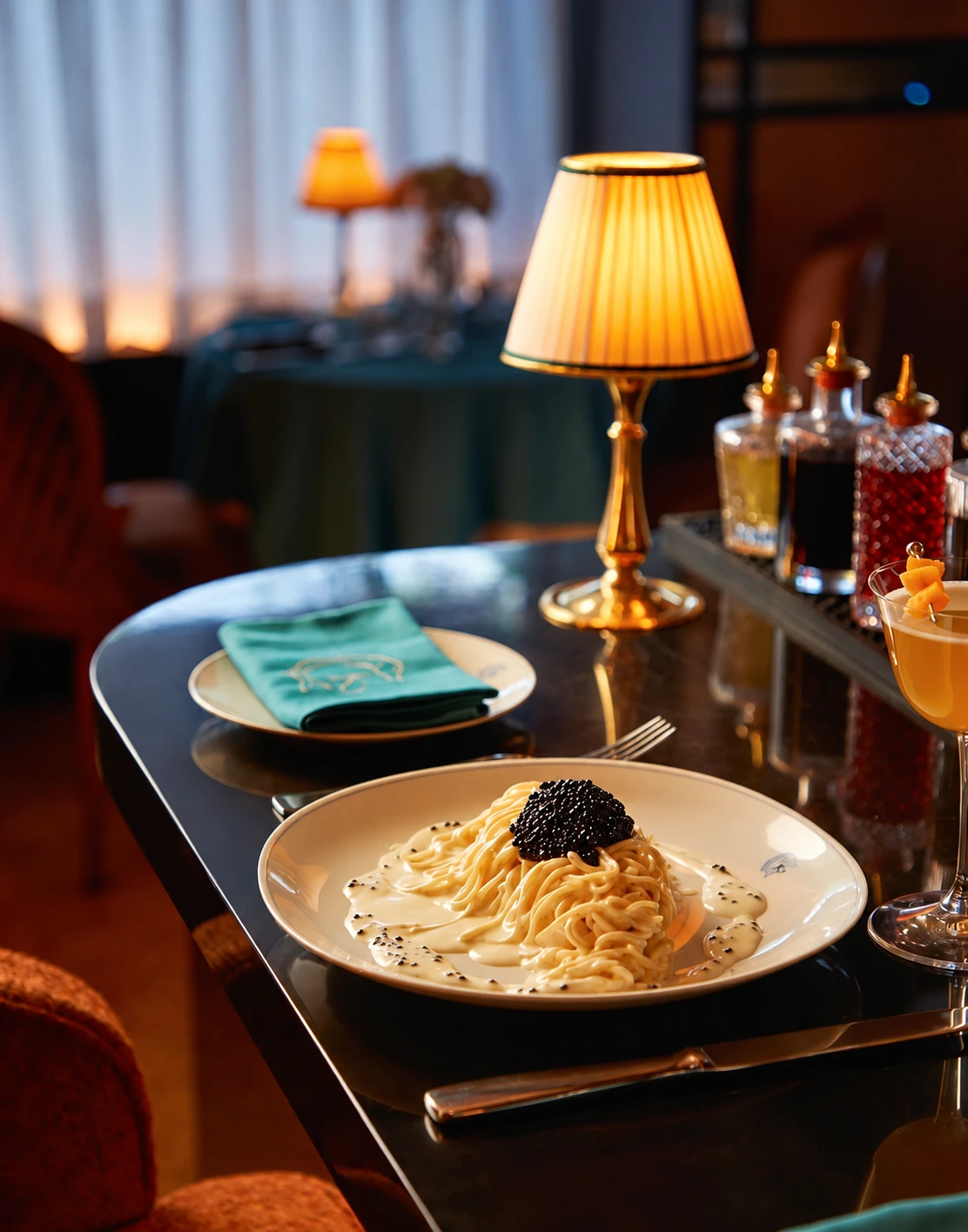
A potato chip takes the ceremony out of caviar. Whether it also takes the attention depends on what is on it, and how much the person serving it still cares.
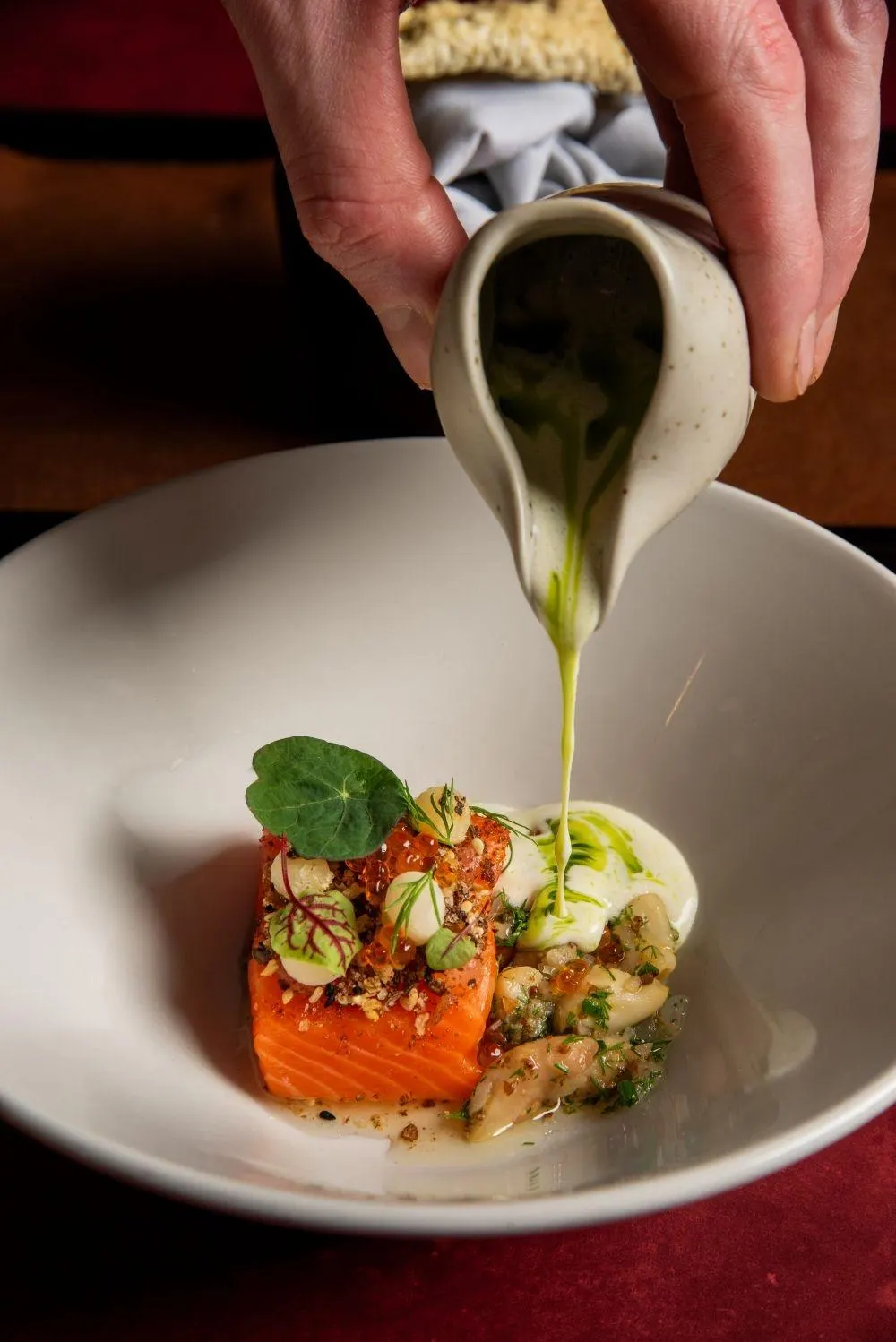
Dining / Reportage
A Michelin star rewards a habit more than a single brilliant night. Sepia in Chicago, starred through fifteen consecutive editions and now under Kyle Cottle, and Ariete in Miami show what the inspectors are really looking for.

Dining / Reportage
In a small town in County Leitrim, P. J. Rigney distils a gin that carries Chinese gunpowder tea in its name and Irish meadowsweet in its recipe.
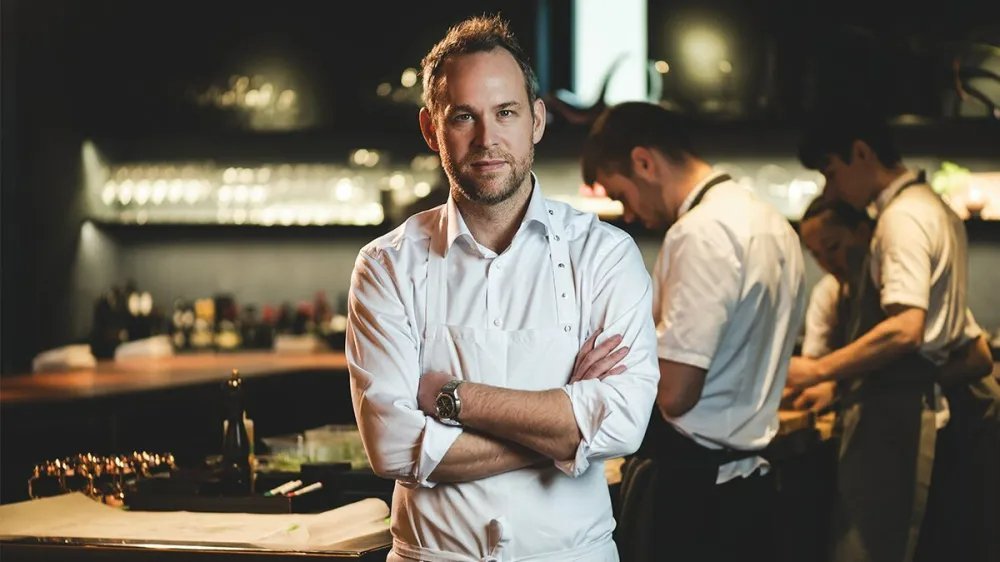
Dining / Interview
The Swedish chef is the only person in the world to run three three-Michelin-star restaurants at once.
THE CURATED GLOBE / FROM THE EDITORS
A considered selection of people, places and ideas from WAYFARER Edition, delivered to your inbox.
Free. No data sharing. Unsubscribe in one click.