Japan: three different ways to understand a ryokan stay
Asaba in Izu, Hoshinoya Tokyo and Ekoin on Mount Koya reveal why a country inn, an urban ryokan and a Buddhist temple stay should not be treated as the same itinerary.
The most useful question about a Japanese inn is not how traditional it looks. It is how the stay is organised: the relationship between the room, the meal, the bath and the place around them.
That question separates three very different addresses. Asaba belongs to Shuzenji in Izu. Hoshinoya Tokyo places a ryokan format inside the capital. Ekoin, on Mount Koya, is temple lodging, or shukubo, rather than simply another ryokan.
Asaba: a stage across the water
Asaba traces its history to 1484. Its setting in Shuzenji includes a Noh stage across the pond, a structure whose presence gives the inn a cultural axis as well as a view.
The stage is not interchangeable with garden decoration. It introduces a relationship between performance, architecture and an audience. When looking at an inn, that sort of specific element tells a reader more than a claim that the whole property represents timeless Japan.
Shuzenji also requires an actual journey. The inn’s access information places the last section between the station and the property in a taxi, and explicitly states that it does not offer a complimentary shuttle. Railway connections and timings should be checked for the day of travel.
Hoshinoya Tokyo: an urban interpretation
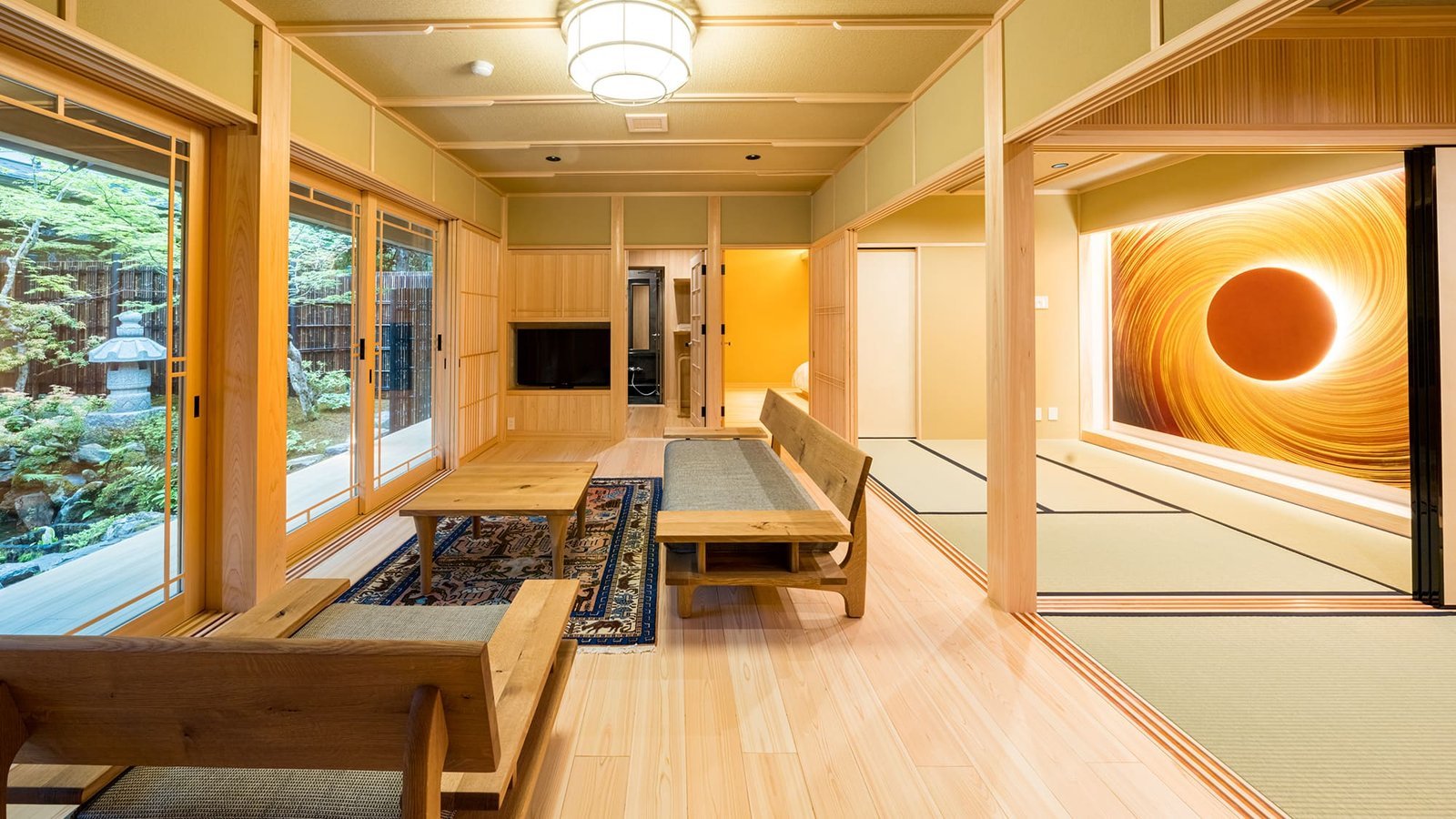
In Otemachi, Hoshinoya Tokyo brings the format into a high-rise building. Tatami corridors and the ochanoma lounge associated with each floor create a shared interior scale within a much larger city structure.
The result is not a country inn transported intact into Tokyo. The outside remains metropolitan. Inside, the arrangement of floor, corridor and common room gives the stay another rhythm.
This is the useful contrast with Asaba. One begins with a pond, a stage and a journey to Izu; the other begins with the capital and an interior organisation that changes how a guest inhabits it.
Calling both traditional without explaining the difference would lose the reason to choose between them. The form is related; the geographical experience is not.
Ekoin: a religious house, not a decorative theme
At Ekoin, lodging is attached to a Buddhist temple. The house describes shojin meals using plant ingredients and offers participation in activities including morning services, the goma fire ritual and ajikan meditation.
Those practices should not be recast as a hotel entertainment programme. Their religious context is part of the stay, including the distinction between observing a ceremony and participating in an activity.
The temple provides English-language information, which is the right place to confirm the daily schedule and the conditions attached to each activity. A traveller should allow the house’s routine to determine the shape of the visit.
Choose the structure before the photograph
The distinction between ryokan and shukubo is especially important. One term describes an accommodation tradition; the other identifies lodging within a religious institution. Neither becomes more meaningful by promising that a visitor will live as a local.
The room is only one part of the form
Tatami, a futon, bathing and a meal provide related but distinct parts of a traditional inn stay. The original Japanese selection placed them together, yet the three addresses here show why the setting matters. A rural pond, a metropolitan floor and a temple courtyard do not organise the day in the same way.
The comparison is therefore about structure rather than an authenticity contest. Asaba gives performance a place beside the water; Hoshinoya reorganises the urban interior; Ekoin asks the visitor to encounter the routine of a religious house. Each makes the destination more specific.
A good stay makes the place more specific. The pond in Shuzenji, a shared room above Tokyo, a temple’s morning routine: three settings, three structures, three reasons to travel.
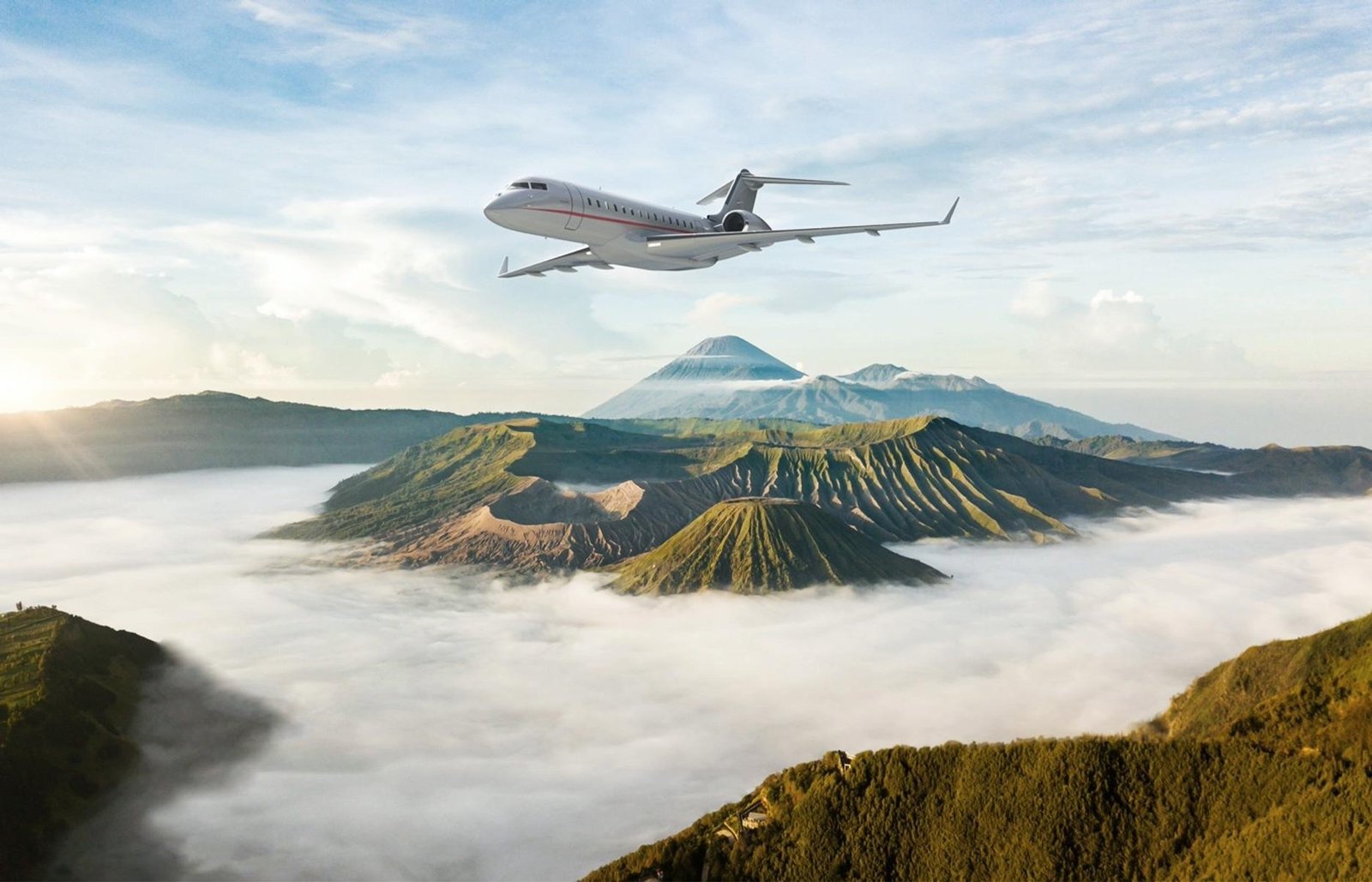
Four Seasons, Aman, Maybourne, Belmond and Mandarin Oriental now sell the journey as part of the stay, from helicopter transfers into London to 23-day circumnavigations at $238,000 a head. Who flies, why, and what is really being bought.
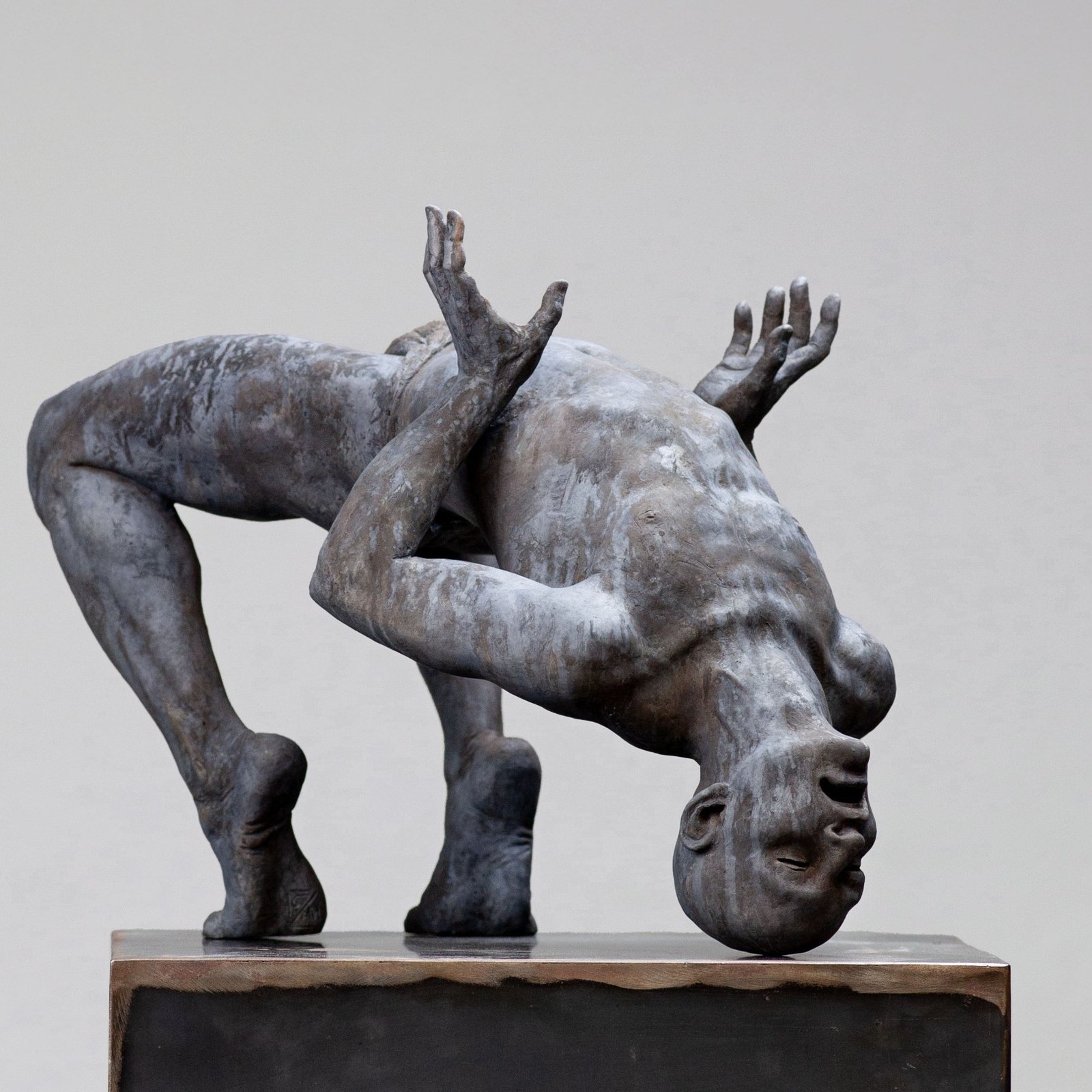
Airlifted by helicopter to the summits, monumental bronzes by Coderch & Malavia turn Courchevel's slopes into an open-air gallery, with Arman back in 1850.
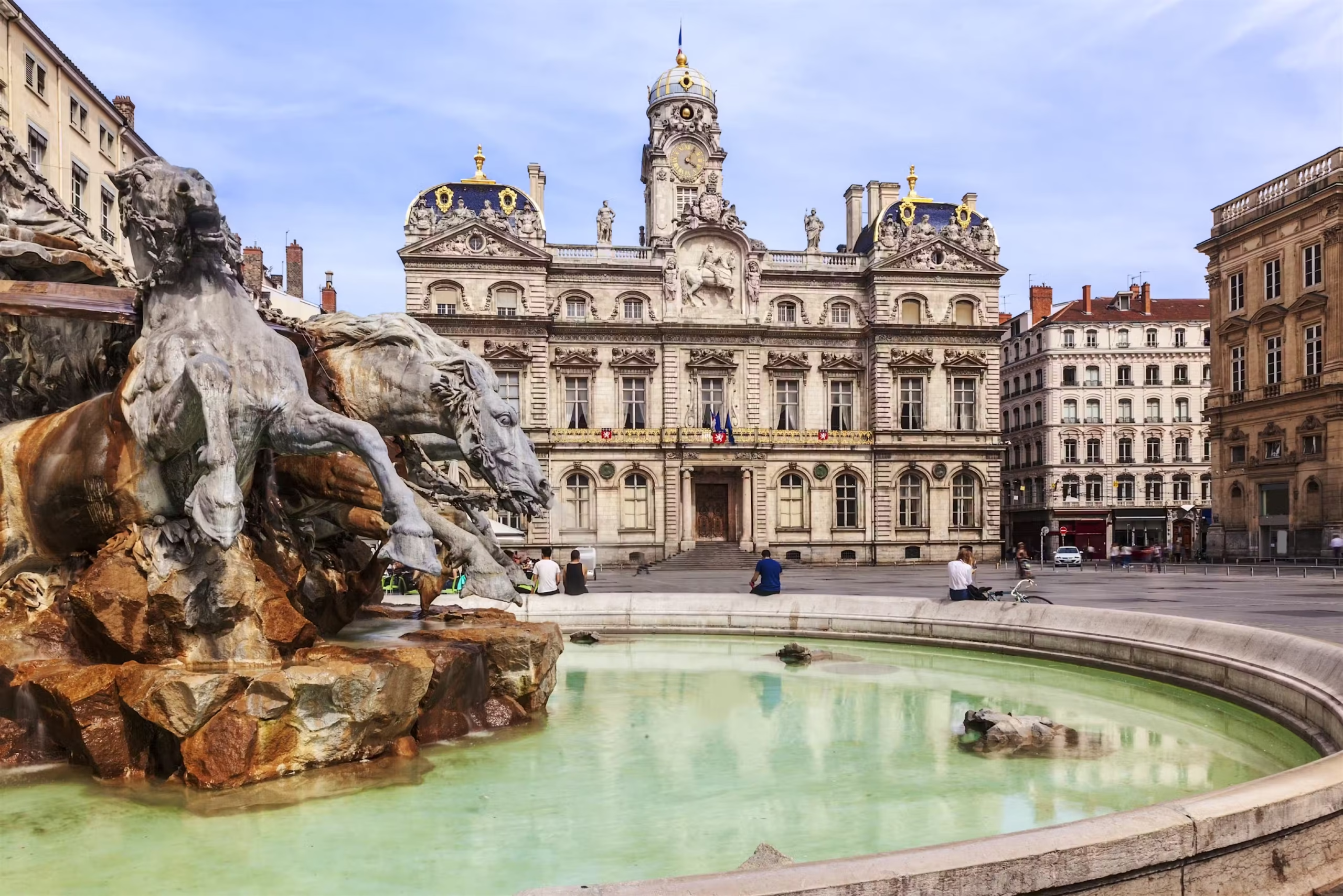
Founded by the Romans as Lugdunum, Lyon is best understood from the water up: the Saône and the Rhône, the hill of Fourvière, the traboules of the old town and the tables that made its name.
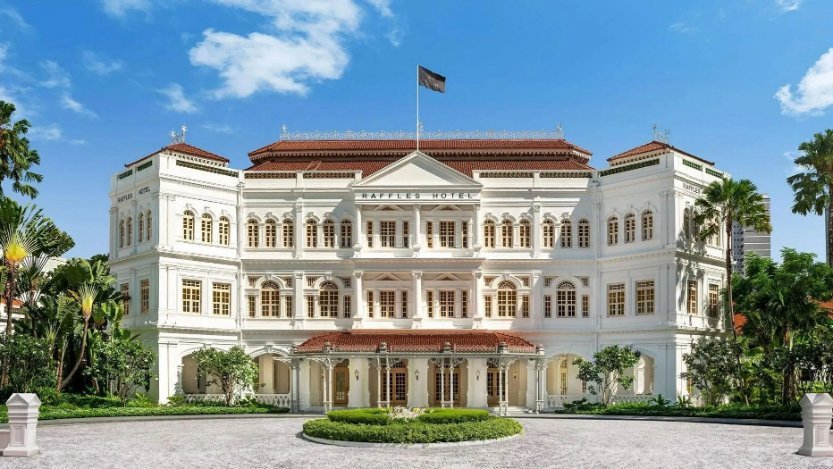
From the Hôtel de Paris in Monte-Carlo to Raffles in Singapore and a Mandarin Oriental in Bangkok marking 150 years, the grand hotels that have stayed relevant for more than a hundred years without surrendering their identity.