The Langham, New York: art and the city in the same frame
Alex Katz paintings, a Fifth Avenue address and rooms oriented towards the Empire State Building give The Langham a recognisable Manhattan perspective.
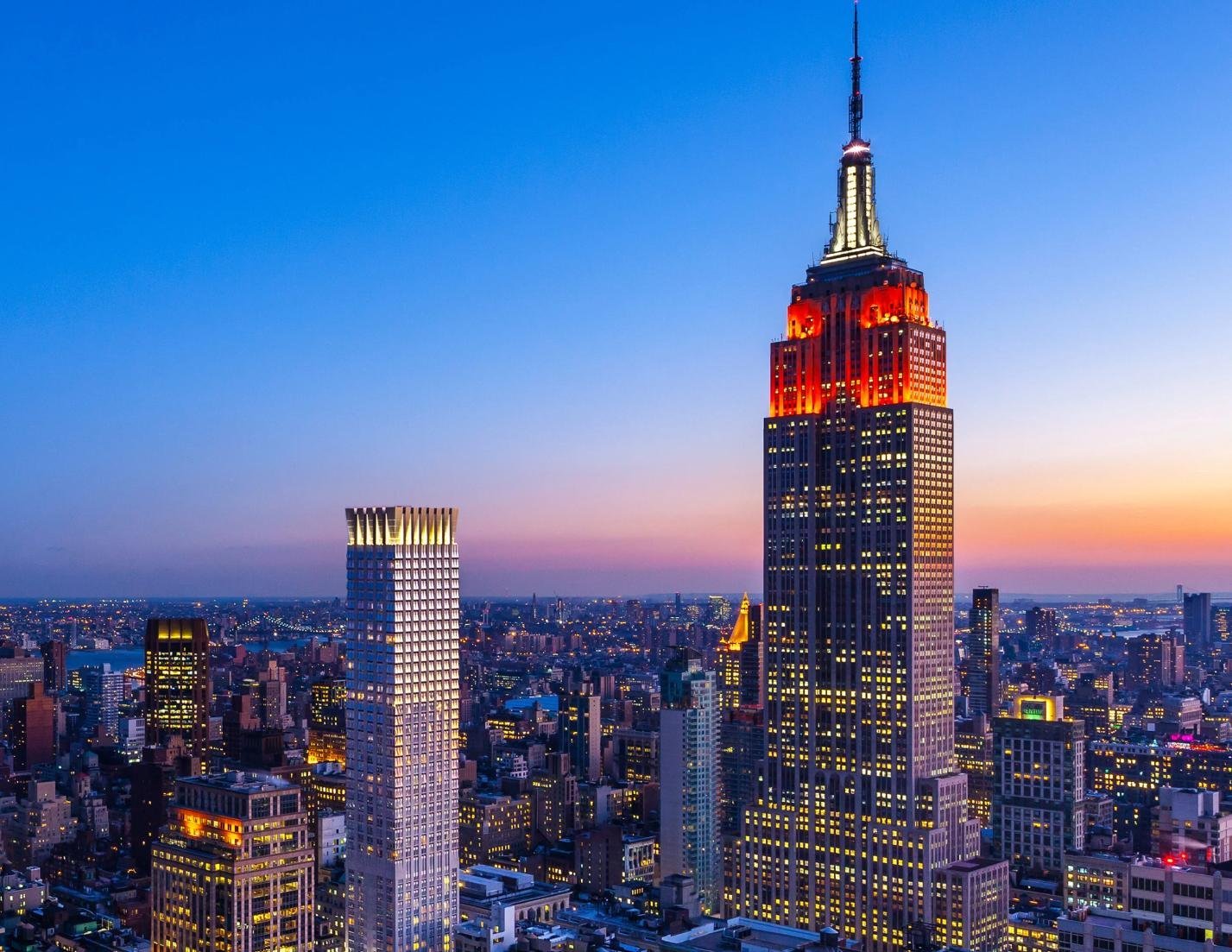
A Manhattan hotel can make the city part of its interior without turning the room into a postcard. At The Langham, New York, Fifth Avenue, that relationship moves between the Empire State Building beyond the glass and Alex Katz’s paintings within it.
Gwathmey Siegel’s architecture gives the building a distinct skyline presence. Inside, the interest is closer: the direction of a window, the scale of a painting and the way furniture lets a guest occupy the view rather than simply photograph it.
An artist at the entrance
Two large Katz oil paintings sit behind the front desk. The hotel identifies them as part of a collection of ten original works displayed across the property. Naming the artist changes how those surfaces are read: this is not a generic art programme designed merely to supply colour.
The paintings also establish an interior point of attention before the rooms introduce Manhattan through their windows. The city is present in two registers, as an artistic subject and as the architecture outside.
Different rooms, different relationships
The accommodation range is broader than a single skyline image suggests. Some rooms have terraces; others introduce kitchens or separate living areas. The distinction matters for travellers spending time indoors as well as moving between museums, restaurants and meetings.
The Two-Bedroom Empire State Penthouse brings Roche Bobois furniture together with fabrics by Maison Lacroix and Paul Smith, alongside Katz’s work. The Empire State Presidential Suite uses a different combination, including Hermès accents. Those named design choices belong to particular suites, not every room.
Duxiana mattresses appear in the hotel’s published accommodation description. The supplier makes the accommodation description more precise.
A shared room above Fifth Avenue
The Langham Club occupies the fourth floor overlooking the avenue. Its food presentations and refreshments add a shared space distinct from a suite’s private living area. Access belongs to the relevant accommodation or service arrangement, not automatically to anyone entering the building.
Ai Fiori and Bar Fiori provide the dining and bar components. Their distinct rooms extend the hotel’s social setting beyond the accommodation.
Midtown remains outside
The Fifth Avenue location places Bryant Park and the Empire State Building within the surrounding urban context. Their proximity gives a stay an immediate relationship with Midtown, while the interiors provide another scale on which to occupy it.
A room for a different kind of day
The 2024 account described marble bathrooms with soaking tubs and rainfall showers, alongside the Duxiana beds. These details concern routines rather than the view: returning from the street, changing pace and using a room for more than its photograph.
That distinction helps explain the range of accommodation. A kitchen, a separate living room and a terrace each supports a different length and pattern of stay. The skyline may remain the common image, but the plan determines how the visitor occupies the address.
The strongest idea here is continuity rather than escape. A painting, a chair and a window each hold the eye differently. Together, they keep Manhattan present without asking the room to imitate the street.
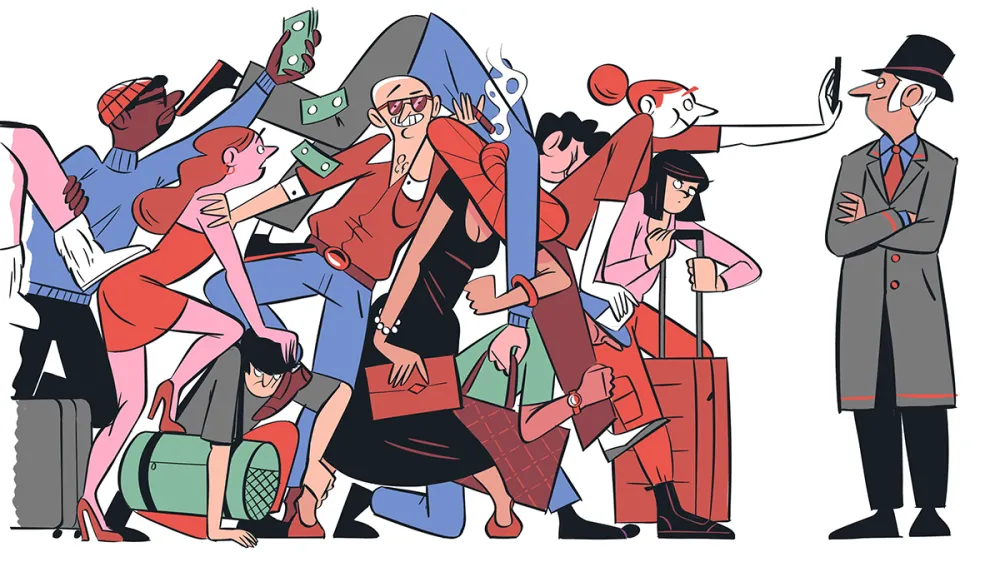
Four Seasons, Aman, Maybourne, Belmond and Mandarin Oriental now sell the journey as part of the stay, from helicopter transfers into London to 23-day circumnavigations at $238,000 a head. Who flies, why, and what is really being bought.
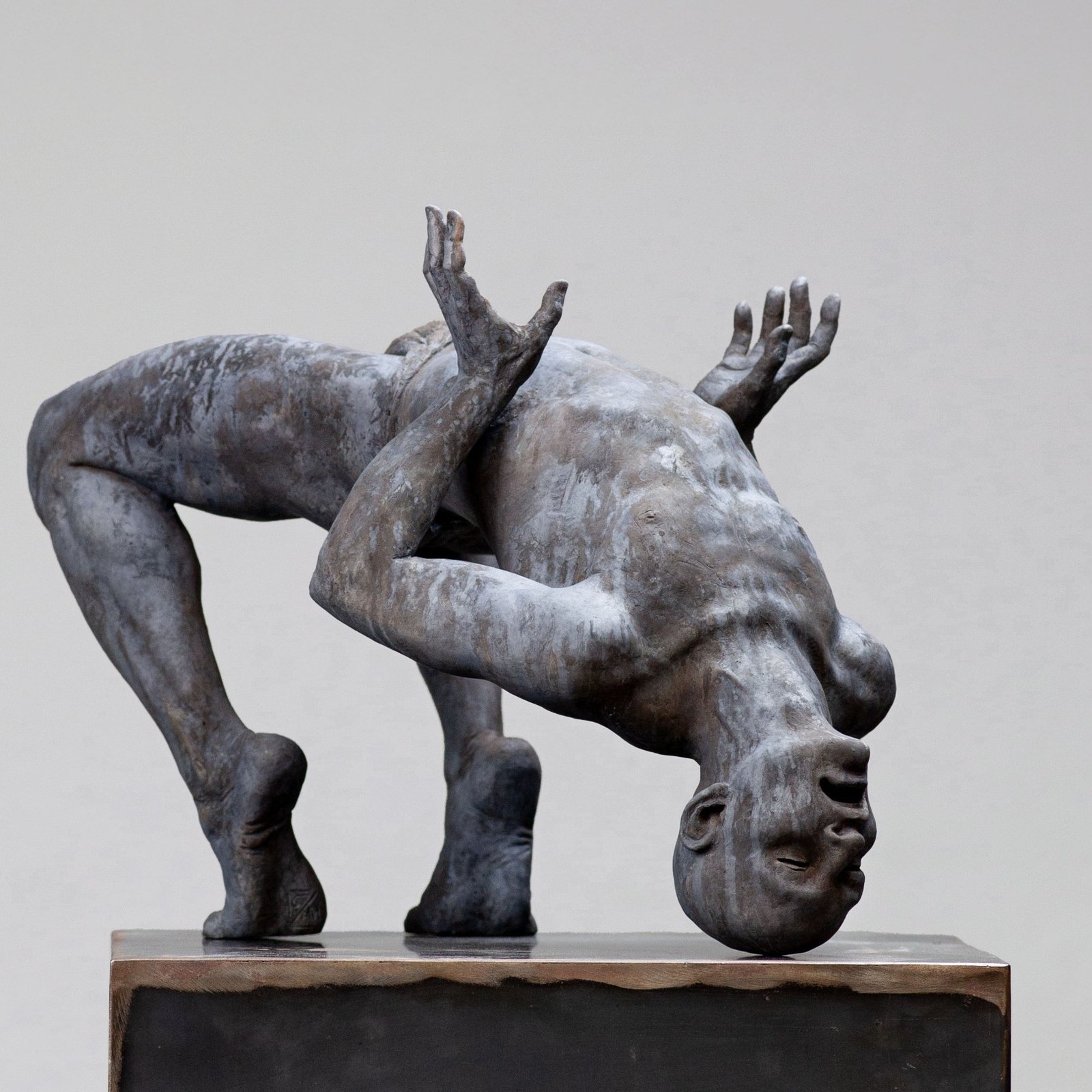
Airlifted by helicopter to the summits, monumental bronzes by Coderch & Malavia turn Courchevel's slopes into an open-air gallery, with Arman back in 1850.
A USD 350,000 contribution or a USD 800,000 bond: Argentina's new programme brings citizenship by investment to South America, and with it a passport that opens 169 destinations without a visa.
At a handful of the world's most sought-after hotels and villas, money buys an application, not a room. Advisers now build dossiers to prove their clients belong.
From a motor hotel in Toronto in 1961 to the Grand-Hôtel du Cap-Ferrat, twenty properties show how Four Seasons turned a single principle into a standard of hospitality.
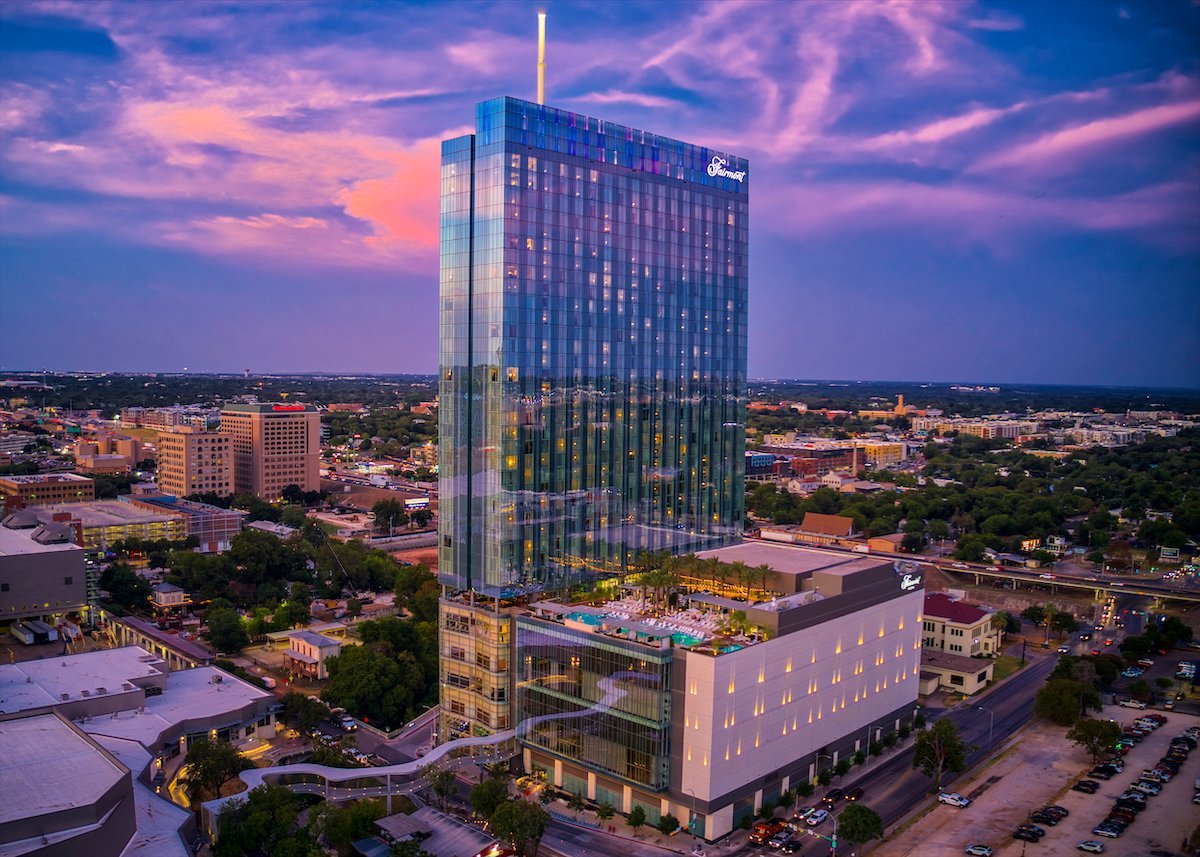
A rooftop, a live-fire kitchen and a separate service floor give the downtown property different scales. The choice is less about the size of the building than how its spaces fit a stay.
Austin
THE CURATED GLOBE / FROM THE EDITORS
Good stories. Better company.
A considered selection of people, places and ideas from WAYFARER Edition, delivered to your inbox.
Welcome aboard. Your first letter is on its way.
We could not complete your subscription. Please check your email and try again.