L’Occitane en Provence at 50: from a rosemary still to three thousand boutiques
In 1976, a 23-year-old literature student distilled rosemary in Haute-Provence and sold the oils at market. Fifty years on, L'Occitane has more than 3,000 boutiques, a hundred spas and marks the half-century by refreshing its shea icon.
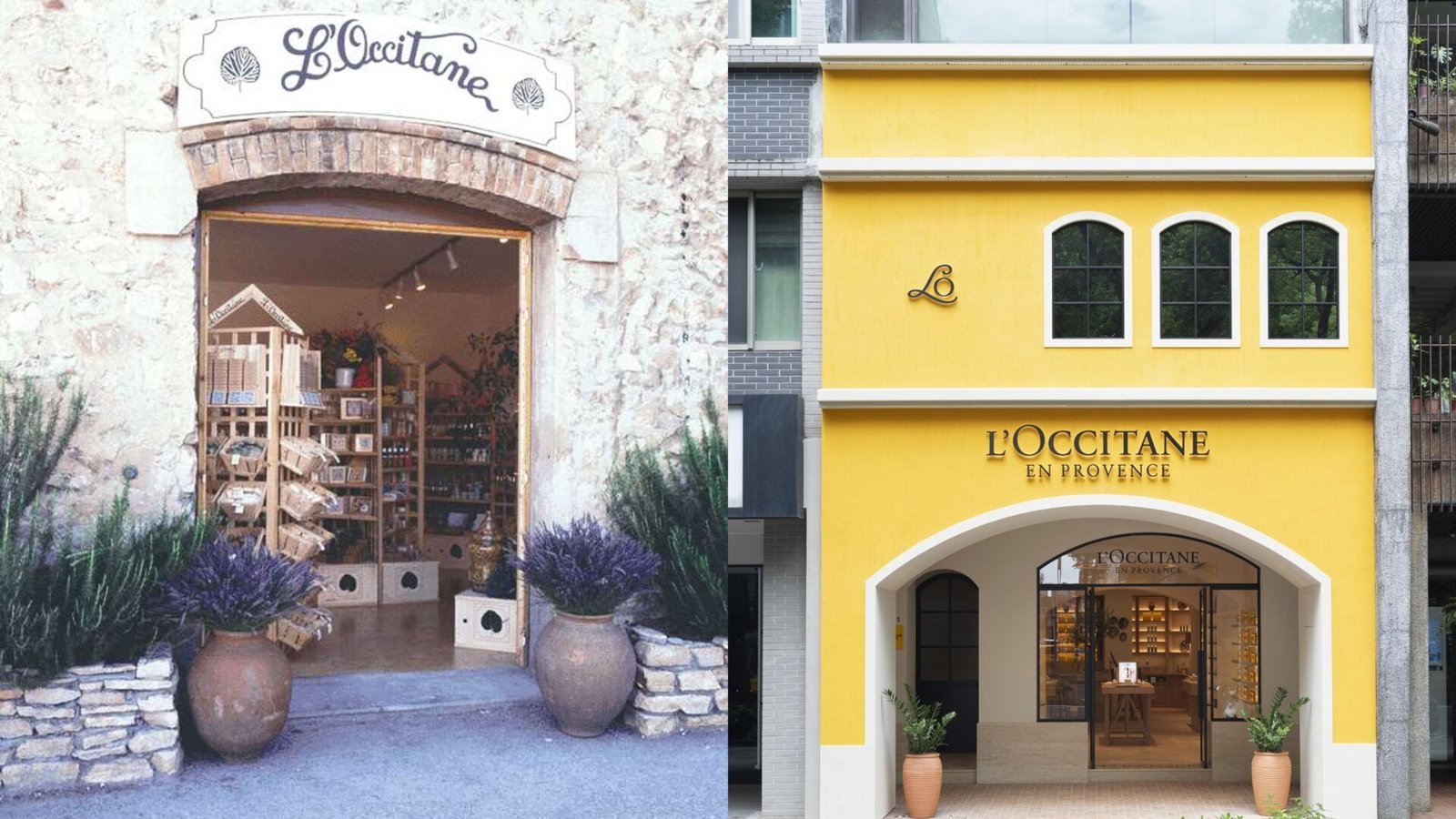
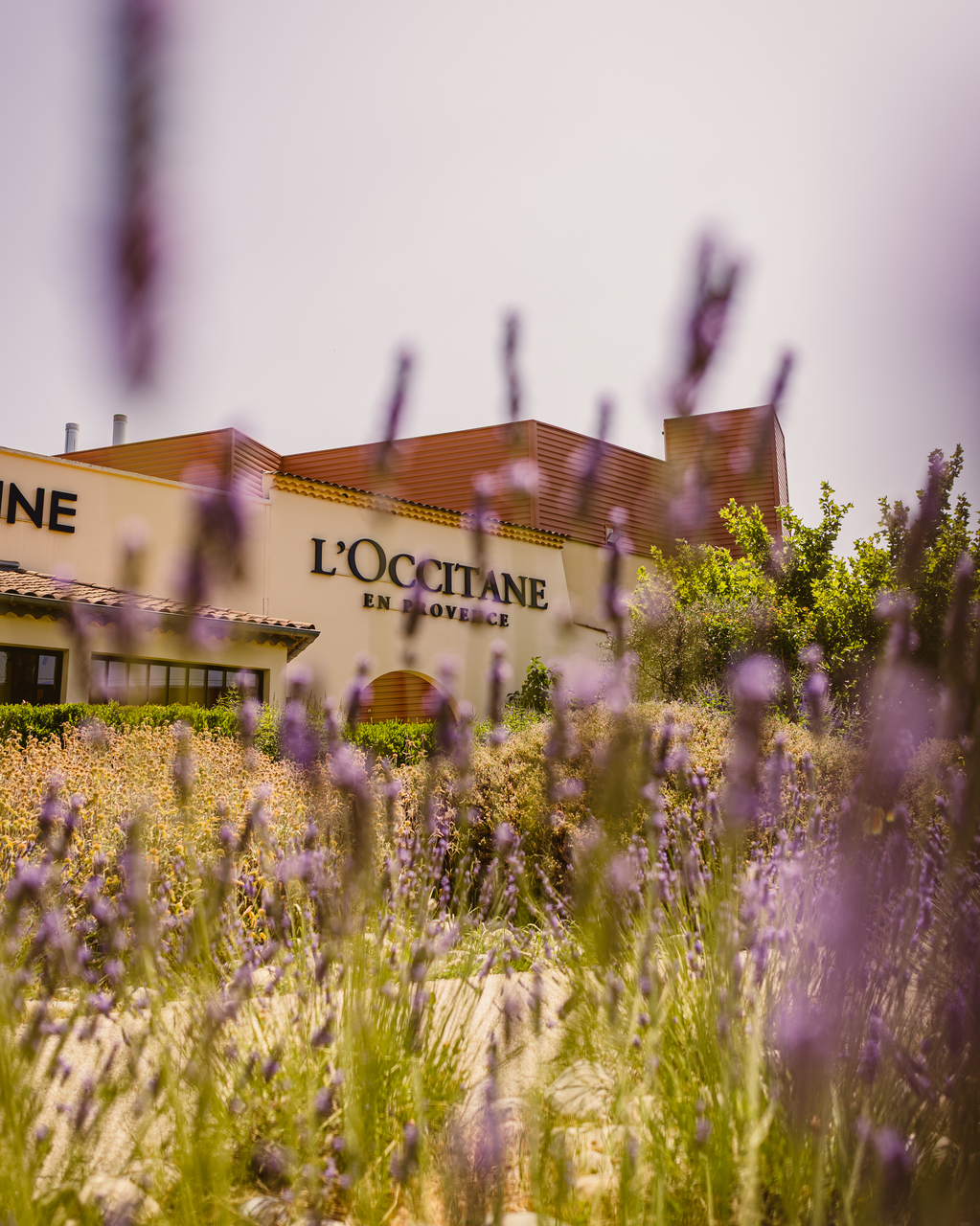
From the first stone doorway in Provence to the yellow façades of today. Image: L'Occitane Group / WAYFARER Edition | Images: L'Occitane Group; L'Occitane en Provence
BEAUTY & WELLBEING
Some houses are born in ateliers. L’Occitane was born at a street market, with a small still, a bunch of rosemary and a 23-year-old who believed Provence could fit in a bottle. Half a century later, it fits into more than three thousand addresses around the world.
From the first stone doorway in Provence to the yellow façades of today. Image: L’Occitane Group
1976: the still
Olivier Baussan was studying literature in Aix-en-Provence when he decided that the scent of the landscape he grew up in was worth more than a thesis. With a small still, he began distilling wild rosemary and lavender and selling the essential oils at the markets of Haute-Provence. There was no brand, no shop and no expansion plan. There was a gesture: gather, distil, offer.
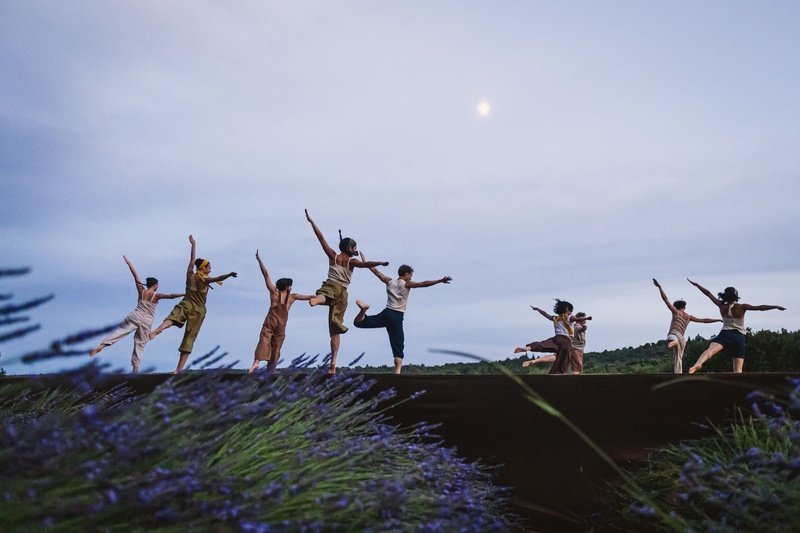
It is that gesture the house is celebrating now. For the anniversary, the choreographer Angelin Preljocaj created D’un Geste Simple, performed by ten dancers in a lavender field, which turns the acts of planting, tending, harvesting and distilling into movement, drawing on Baussan’s own writing.
D’un Geste Simple, by Angelin Preljocaj, in a lavender field. Image: L’Occitane en Provence
1977 to 1981: Manosque soap and the first door
The following year, with the chemist Yves Millou, Baussan took over an old soap works in Manosque and revived Marseille soap, then in decline. In 1981 he opened the first factory and the first boutique in Volx, in Haute-Provence. The look of those beginnings, stone, wood and pots of lavender at the door, has crossed five decades almost intact, and it opens the anniversary campaign.
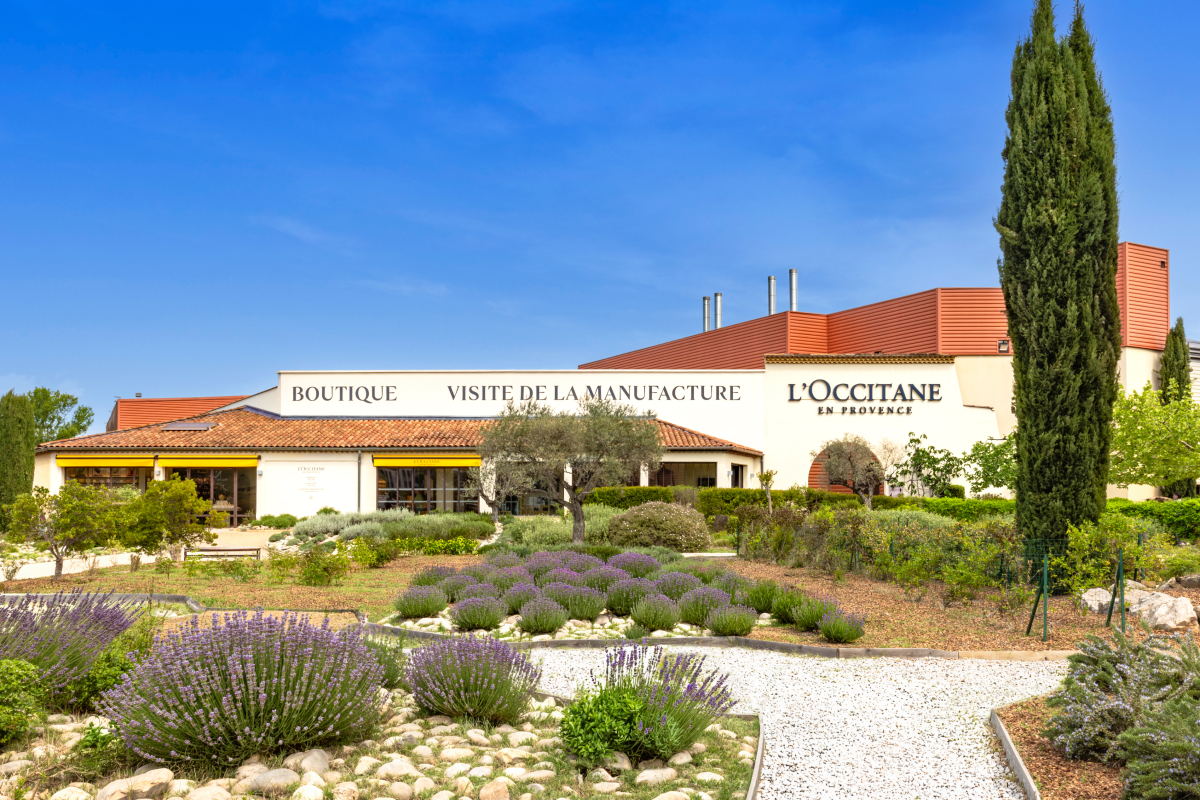
Manosque remains home. The manufactory and the research centre are there, at the edge of the town, a short drive from the Valensole plateau and its lavender fields. It is from this small corner of the Alpes-de-Haute-Provence that formulas leave for every continent.
Manosque, where the house still makes what it sells. Image: L’Occitane en Provence
The 1980s: the gold of Burkina Faso
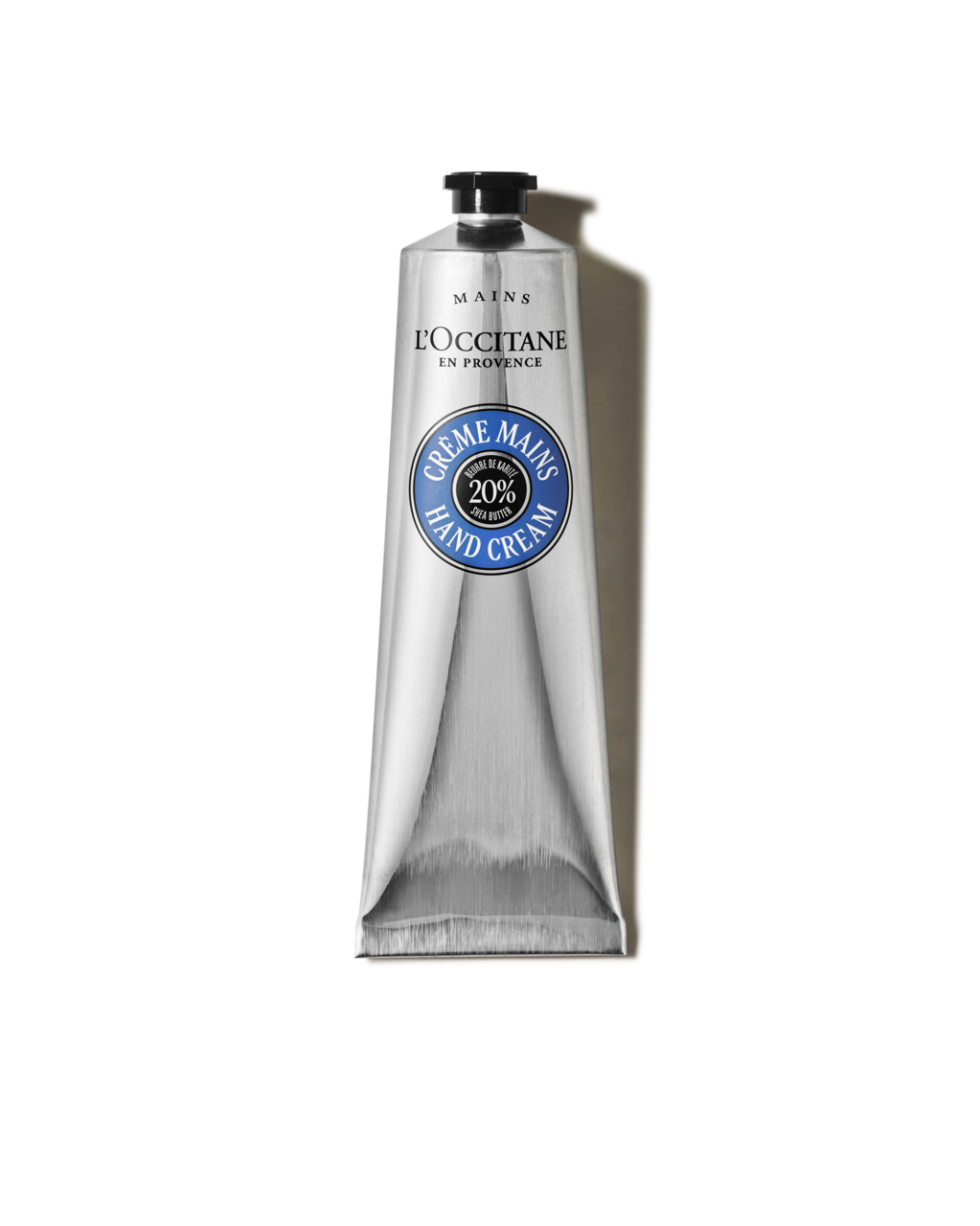
It was in the 1980s that L’Occitane found the ingredient that would become its icon. Shea butter began to be bought directly from women’s cooperatives in Burkina Faso, a relationship that has now lasted more than four decades. Long before fair trade became a marketing line, the house was building a direct relationship with the people who harvest. From that encounter came the Shea Hand Cream, with 20 per cent shea butter, probably the most recognisable product the house makes.
The 1990s: the world knocks
To grow, Baussan opened the capital. In 1994 the Austrian entrepreneur Reinold Geiger bought a third of the company and, two years later, became majority shareholder, inviting the founder back as creative director. The name gained the suffix that now seems inevitable, L’Occitane en Provence. In 1997 came a discreet gesture that says a great deal about the house: product names began to be printed in Braille on most packaging. Few people notice. Those who need it are grateful.
2001: the spa
The spa extends the brand’s botanical vocabulary into treatments and a different pace of attention. In Provence, Le Couvent des Minimes brings that approach into a hotel setting.
2010 to 2024: from brand to group
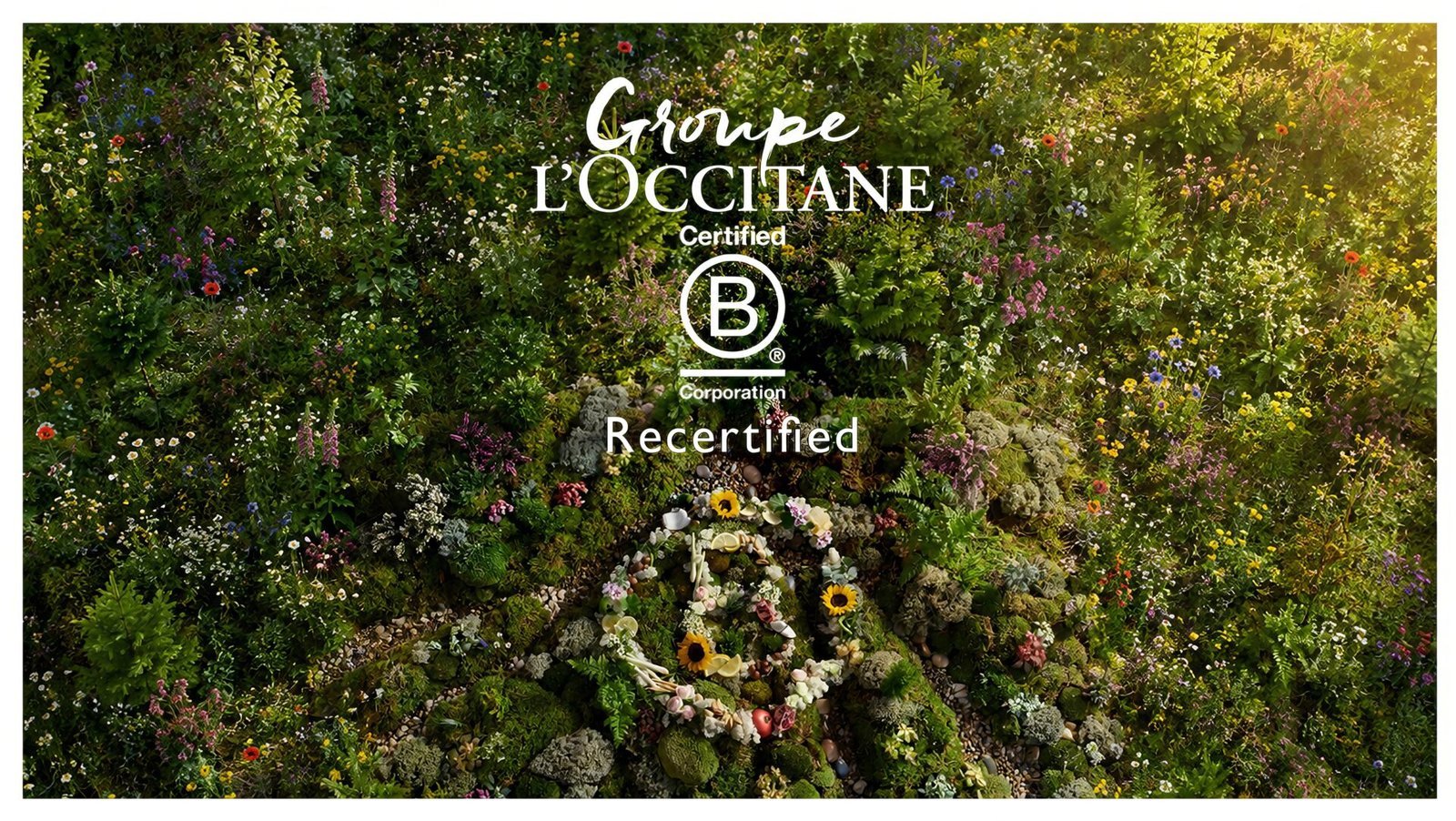
In 2010 the company listed in Hong Kong. In the years that followed, the L’Occitane Group gathered other houses, among them Elemis, Erborian, Melvita and Vranjes Firenze. In 2024 Geiger took the group private again. Along the way it became a B Corp and created a foundation focused on women’s economic independence in Burkina Faso and on support for people with visual impairment.
The group renewed its B Corp certification in 2026. Image: L’Occitane Group
2026: the half-century
The year of celebrations began on 1 April with a shift in identity: the brand now presents itself as Maison L’Occitane en Provence, with more minimal packaging and boutiques updated to a global standard. In Paris, an installation in the Marais boutique paired natural soundscapes with almond, lavender and verbena, and spilled into the street for two days. In Shanghai and Beijing, the boutiques were redressed in the anniversary’s colours, scents and light. Baussan published a book on the early years, and the house created the Prix Cultures, with the Provence Culture network, for young talents inspired by the region.
In Manosque, the factory tour has been redesigned around what the house calls its cultures: of plants, of crafts, of territory and of creation. Visitors follow the transformation of botanical ingredients from extraction to formulation, then continue into a reworked boutique with a spa and a Mediterranean garden.
The redesigned visit opens the factory doors to the public. Image: L’Occitane en Provence
The most symbolic gesture is also the most restrained. The Shea Comfort line has new packaging and a new visual identity, without changing a word of its formulas. It is the oldest rule of the classics: they last because they cross time without losing their essence.
The Shea Hand Cream in its new packaging. Image: L’Occitane en Provence
Fifty years on, rosemary is still being distilled, shea still arrives from Burkina Faso and Manosque is still home. The packaging, the markets and the size of the world have changed. The gesture has not. And that may be precisely what L’Occitane has to celebrate.
L’Occitane en Provence · The Manosque visit
Where: L’Occitane en Provence manufactory, Chemin Saint Maurice, Manosque, Alpes-de-Haute-Provence
Schedule: consult the current Manosque visit calendar for the intended date; the brand’s regional pages publish different seasonal schedules.
Duration: about one hour, with French- and English-language tours listed by the operator.
Admission: the operator lists an adult rate of €6. Check the current child-age threshold and availability when arranging the visit: the French and US pages give different age limits.
Also on site: boutique, treatments and a Mediterranean garden. Check access and treatment arrangements separately from the factory tour.
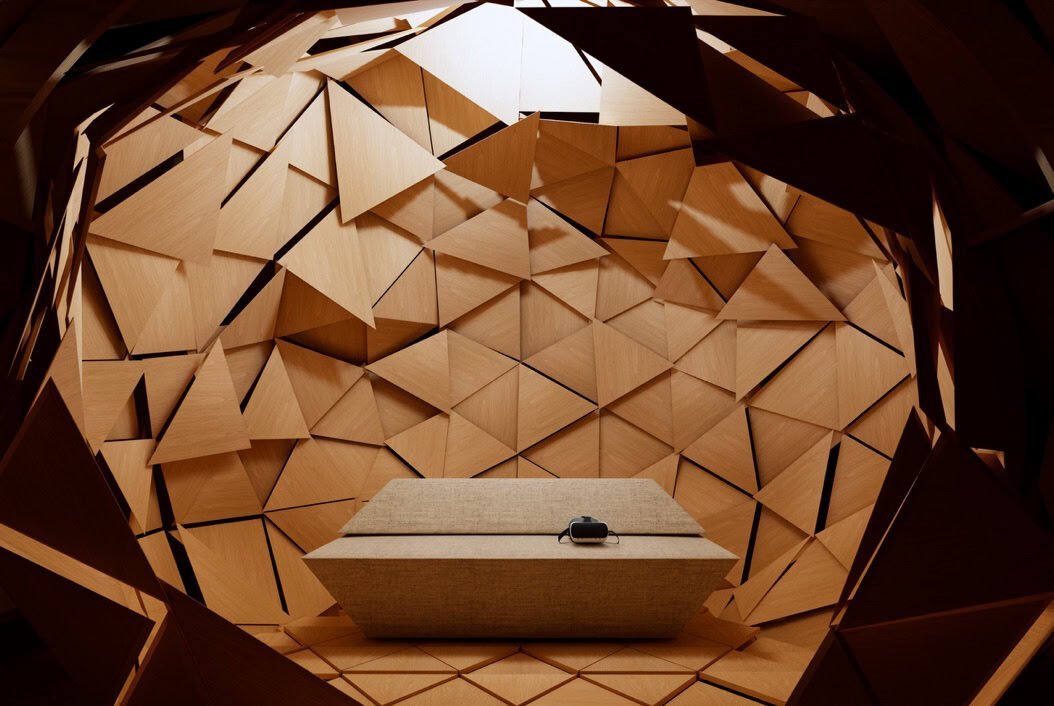
In Geneva, Erkin Bek's ALL HERE pairs guided practice with immersive headsets and live brainwave readings, a meditation centre that treats technology as a door rather than a distraction.
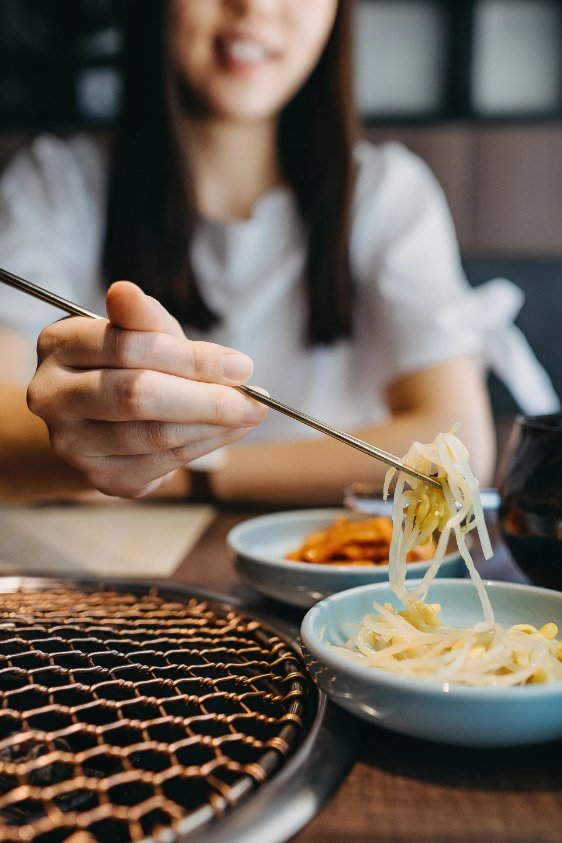
Japan has some of the longest lives on earth, and no single food explains them. From natto to wakame, eight staples of the Japanese table and the habit of stopping before you are full show how a diet built on fermentation, soy, sea vegetables and moderation fits a wider pattern of health.
From a floating ring of saunas in Swedish Lapland to a cedar cabin on a British Columbia bay, eleven hotels where heat, cold water and quiet have become the reason to travel.