Wellness once sold calm in the present tense. Longevity sells a healthier future self, and with wearables, diagnostics, artificial intelligence and venture capital behind it, the promise is reshaping a market worth some USD 6.8 trillion.
Longevity has moved the wellness industry’s centre of gravity from now to later. Wellness always sold an immediate kind of good: balance, self-care, a pause in the present. Longevity proposes something else. Routines, habits and products become investments in a future, healthier version of oneself, and the customer is captured earlier and kept engaged for longer.
The shift is happening inside an economy already growing fast. The Global Wellness Institute valued the global wellness economy at about USD 6.8 trillion in 2024 and expects it to approach USD 9.8 trillion by 2029. Longevity is the segment that every adjacent industry now wants a share of.
A growth engine that crosses categories
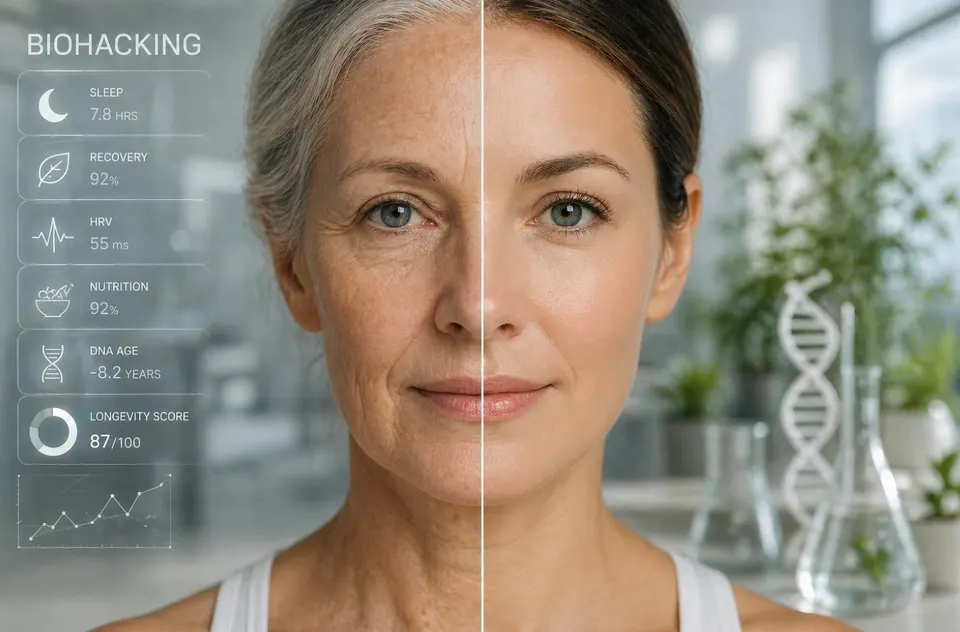
FROM ANTI-AGEING TO PREVENTION: THE VOCABULARY OF WELLNESS REWRITTEN. IMAGE: PRESS
The language has changed first. Reactive anti-ageing has given way to preventive care and continuous optimisation, and over the past two years brands in beauty, sport and hospitality have adopted that position as a route to growth, driving a second wave of expansion within the industry. Clinique La Prairie, the Swiss clinic that turned medical rejuvenation into a hospitality format, has become a reference point for the model.
Valerie Thomas, a consultant who specialises in wellness hospitality, argues that longevity sits inside wellness rather than the other way round, and that the offer now runs across a wide spectrum, from highly commercial, exclusive propositions to far more fundamental and accessible ones. She sees hospitality, residential property and wellness converging, sometimes in entire communities built around longevity principles, often with a medical or diagnostic layer integrated into the stay.
Biohacking and the performance mindset
Much of the commercialisation runs through biohacking, which promises to lower biological age and extend both healthspan and lifespan through metrics tracked by wearables and increasingly accessible tests. Recovery trackers such as WHOOP and smart rings such as Oura lead the movement, concentrating on sleep and stress, two lifestyle factors with a well-established effect on overall health. Other niches are gaining ground: contrast therapy of the kind offered by Othership’s sauna and cold-plunge studios, and broad laboratory testing such as Function Health’s, which screens hundreds of biomarkers and returns personalised recommendations.
WEARABLES AND PERSONAL TESTING HAVE MADE BIOLOGICAL OPTIMISATION A HABIT OF CONSUMPTION. IMAGE: PRESS
The machine reads the body
Behind the consumer products sits a second, more technical race. Artificial intelligence now analyses genetic, behavioural and environmental data at a scale that was unthinkable a decade ago, searching for the biomarkers of ageing and shortening the path towards personalised interventions. Datasets that once took years to process can be read in hours. Young companies, quicker to experiment and to change course than pharmaceutical groups, have taken a visible share of the field, and venture capital has followed them into gene therapies, biometric monitoring and drugs aimed at the mechanisms of ageing itself.
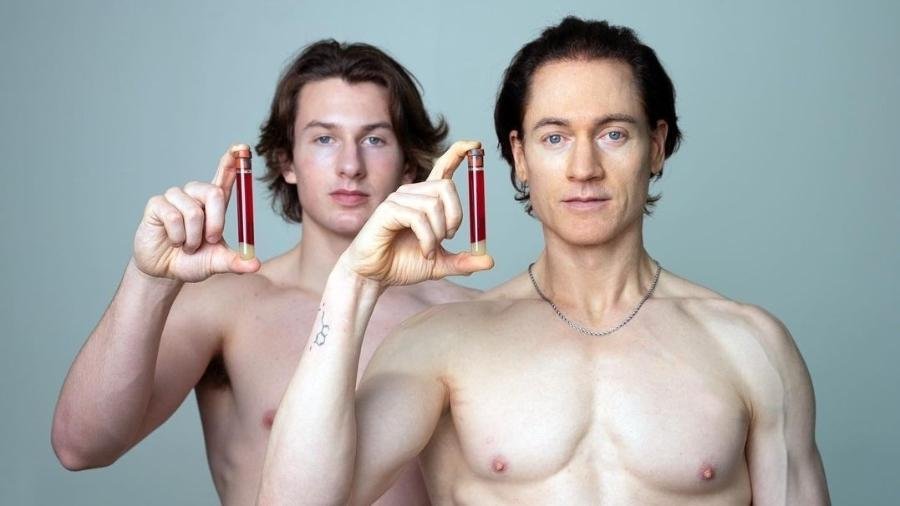
Bryan Johnson, the entrepreneur who has turned his own body into a public experiment of rigorous protocols and constant measurement, has become the emblem of that convergence of technology and personal discipline. Some of the techniques circulating in the field, from plasma exchange to experimental infusions, remain far from proven.
EXPERIMENTAL PROTOCOLS STILL WAIT FOR THE EVIDENCE TO CATCH UP. IMAGE: PRESS
A structural shift, with caveats
The volume of capital flowing into preventive health and quasi-medical wellness shows the appetite of investors and consumers alike. As with much of the supplement category, it also raises doubts about reliability and about whether so many products are needed at all. Regulation varies widely between countries, access to advanced tools remains unequal, and scientists continue to debate which interventions are genuinely safe and effective over the long term.
Thomas warns of the risk of over-commercialising something that is, at heart, very simple. In the Blue Zones, she points out, nobody biohacks: the way of life is the hack, made of community, purpose, movement and little overstimulation. The real opportunity, in her view, lies in building systems that genuinely support how people live, rather than new ways of selling wellbeing.
What separates longevity from traditional wellness is its position on the border between lifestyle and medicine, one of the most commercially attractive territories of the moment. Consumption is no longer occasional. The journey lengthens, and interactions multiply in the name of a future self.
Wellness promised a better today; longevity promises a longer tomorrow. Whether that promise becomes accessible and credible, or follows wellness into ever more exclusive and expensive territory, will decide not only how long people live, but how they spend the time.
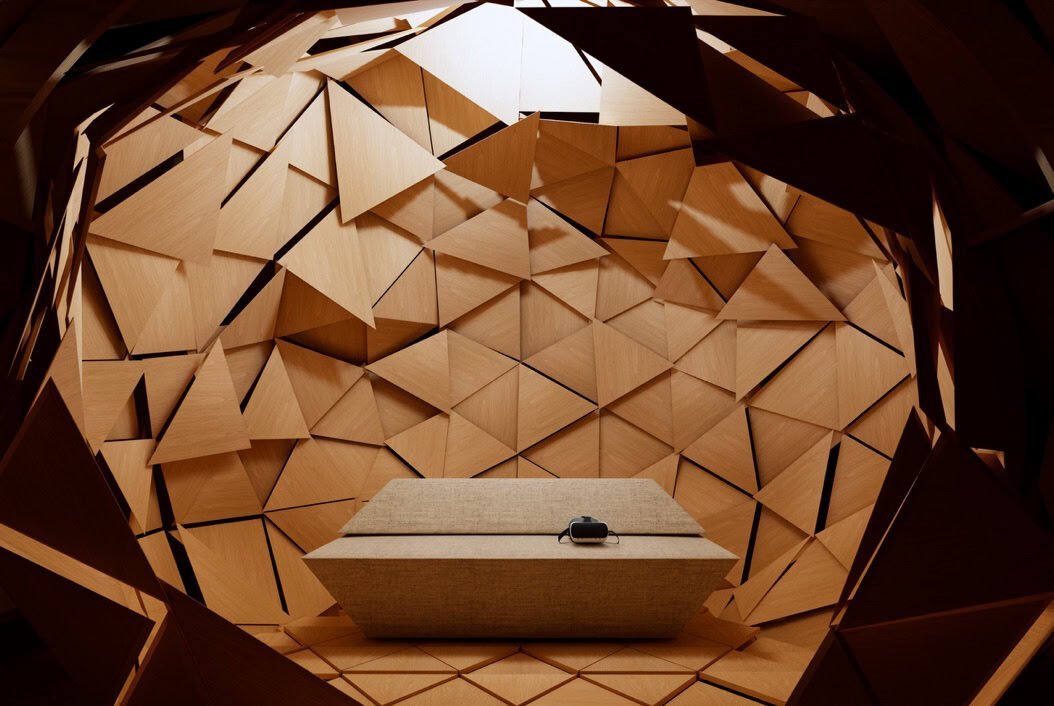
In Geneva, Erkin Bek's ALL HERE pairs guided practice with immersive headsets and live brainwave readings, a meditation centre that treats technology as a door rather than a distraction.
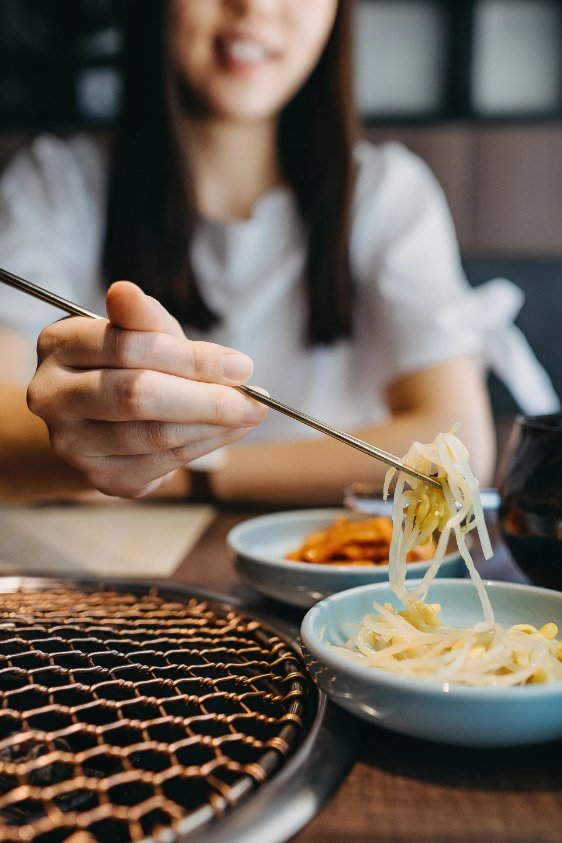
Japan has some of the longest lives on earth, and no single food explains them. From natto to wakame, eight staples of the Japanese table and the habit of stopping before you are full show how a diet built on fermentation, soy, sea vegetables and moderation fits a wider pattern of health.
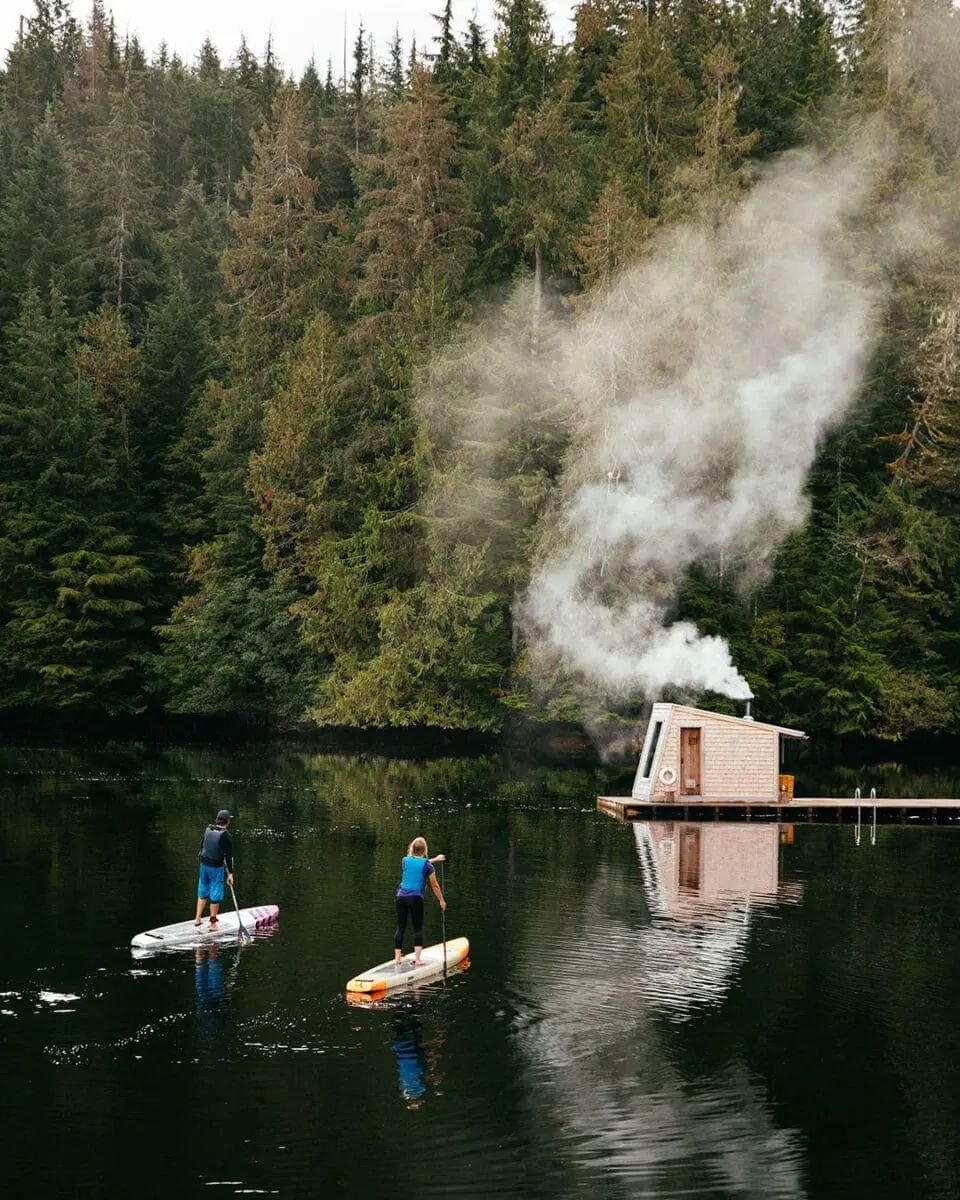
From a floating ring of saunas in Swedish Lapland to a cedar cabin on a British Columbia bay, eleven hotels where heat, cold water and quiet have become the reason to travel.