Style / Brief
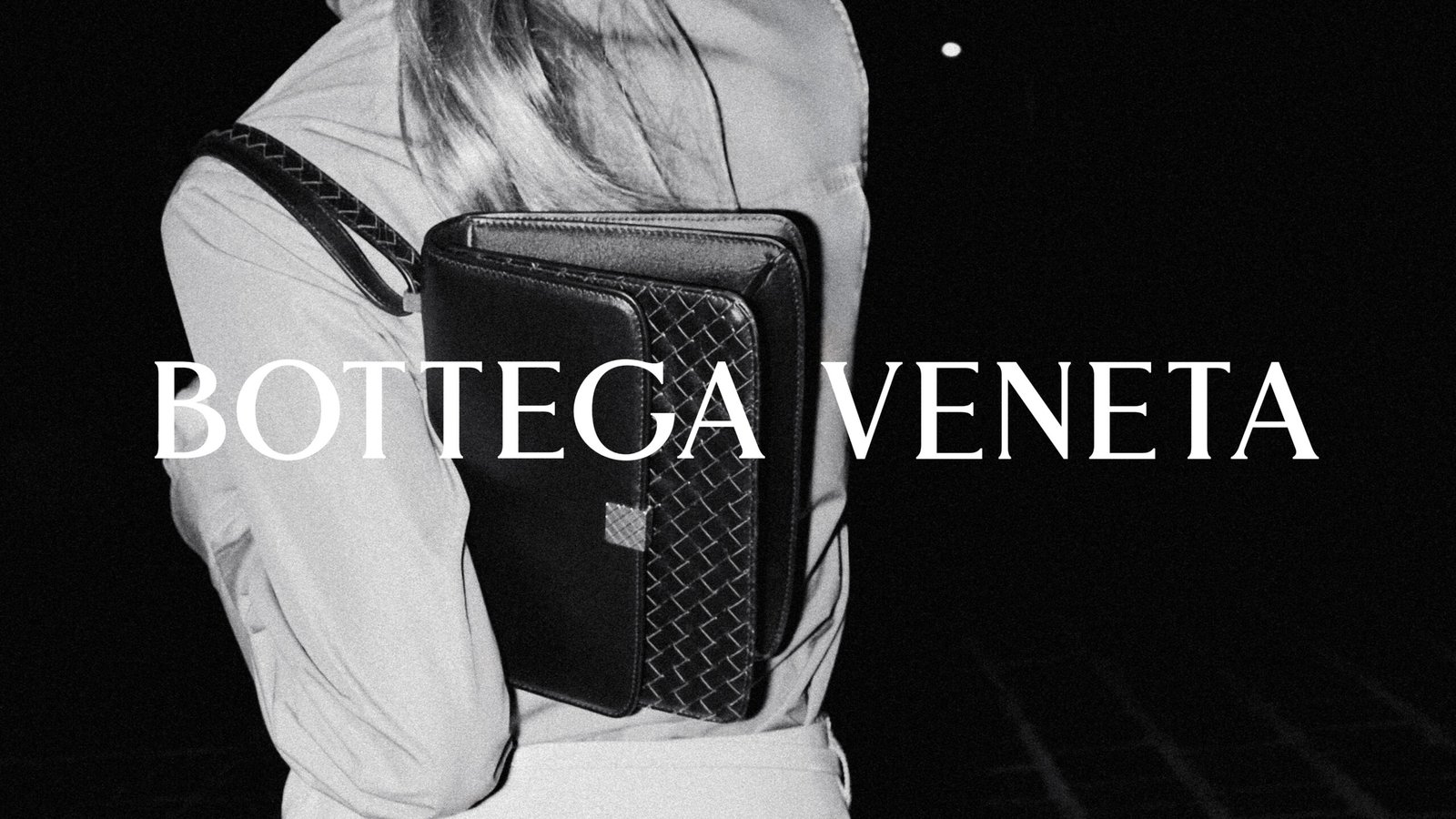
Bottega Veneta Takes Spring 2027 Home to Venice
Chris Rhodes photographs Louise Trotter's Spring 2027 collection against the pink walls, terrazzo and damask of the lagoon city, with the new Verde bag at its centre.

THE CURATED EDITION.
Reportage / Avignon
At the Palais des Papes, Nicolas Ghesquière brought medieval volume into contact with metallic surfaces and the objects of travel. The building supplies a second way to read the collection.
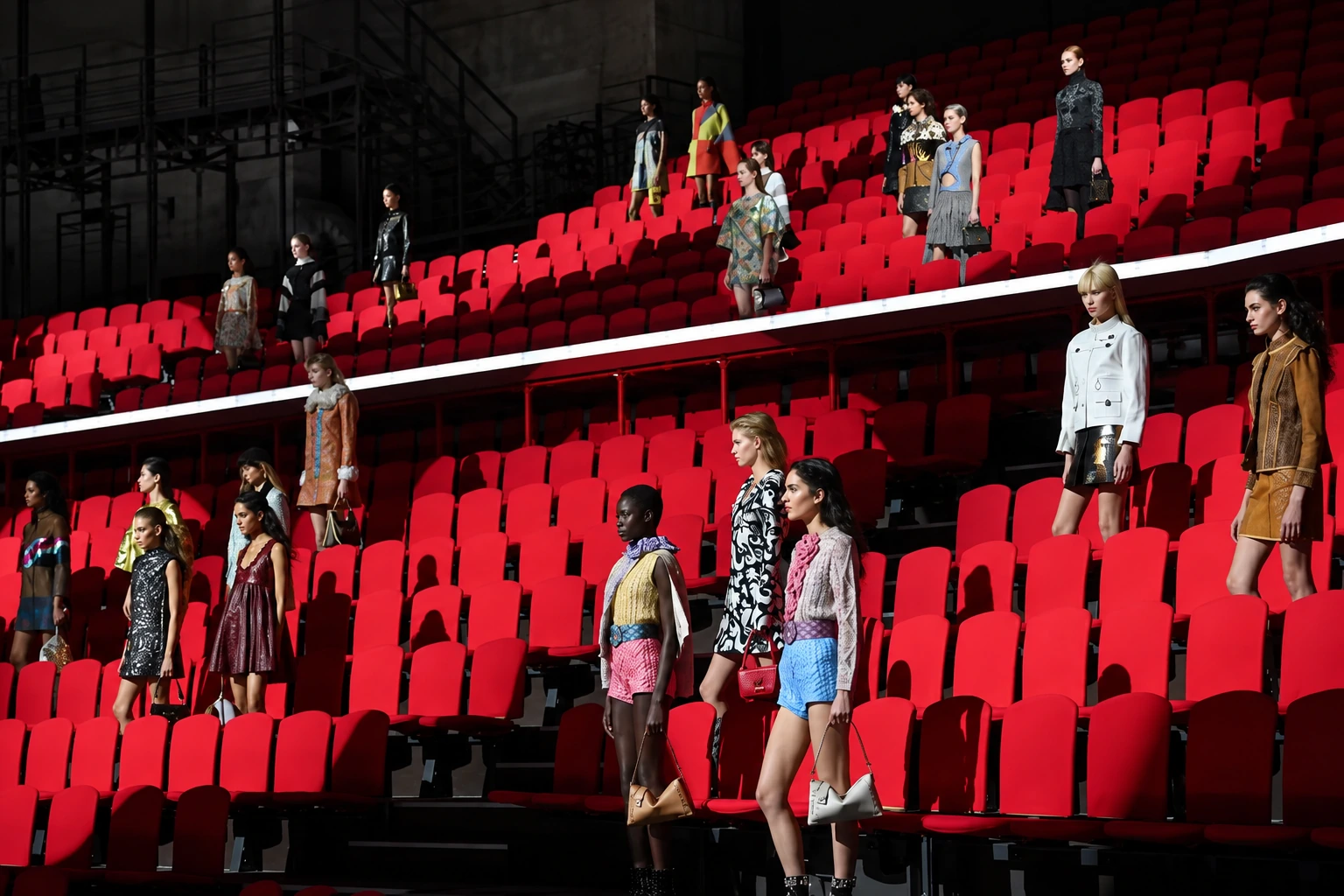
A historic setting becomes interesting when the clothes argue with it. Louis Vuitton’s Cruise 2026 presentation at the Palais des Papes in Avignon brought the scale of medieval architecture into contact with Nicolas Ghesquière’s contemporary material language. The show took place on 22 May 2025; the season in its name should not be mistaken for the year of the presentation.
Flared coats and dresses, metallic surfaces and forms suggesting armour worked against the weight of the palace. The relationship was not a literal reconstruction of period dress. It was a negotiation between clothing that moves and a building that establishes its authority through mass.
The monument developed through distinct building campaigns. Benedict XII’s palace, constructed between 1335 and 1342 under architect Pierre Poisson, supplied a fortified structure and papal apartments. Under Clement VI, Jean de Louvres directed an expansion between 1342 and 1352, including the Great Audience Hall and Great Chapel.
The Cour d’Honneur belongs to that expanded composition. Its scale helps explain why staging a fashion presentation here is an architectural decision, not simply a choice of picturesque scenery.
The palace’s historical interiors also brought together frescoes by Matteo Giovannetti, sculpture, stained glass, furnishings and tapestries. Stone was only one component of a much more elaborate visual system. The collection’s embroidered surfaces found a relevant counterpart in that history of decorated rooms.
Louis Vuitton describes the collection through a meeting of medieval references and glam rock, with the performing arts as its conceptual frame. That proposition makes more sense through the clothes’ proportions than through any search for a single historical costume.
Flared silhouettes changed the outline of the body. Leather and metallic finishes introduced harder surfaces; satin-like textiles and embroidery offered different responses to light. Silver and black established contrasts without requiring every reference to belong to the same century.
The audience occupied the courtyard while models moved around the space. This arrangement placed the clothes within the room’s perimeter rather than isolating them on a conventional central runway. Architecture became part of how the presentation was read.
Accessories carried the house’s travelling vocabulary into the collection. Trunk-shaped bags and smaller box forms translated luggage construction into objects held close to the body. Mirrored clutches and shoes extended the play of reflective surfaces beyond the garments.
The subsequent collection presentation also foregrounded the Express bag, with a supple shape and colours connected to the ready-to-wear palette. Its softer outline provides a useful comparison with the more rigid travelling forms: there is no single way for the luggage reference to enter a wardrobe.
The palace gives the collection scale and historical context, but neither explains the other completely. A visitor to Avignon can examine the monument without pursuing a fashion itinerary; a reader of the show can follow its material decisions without turning the building into a brand emblem.
The connection lies in proportion, surface and movement. The courtyard holds its scale while clothes and accessories change the outline of the body passing through it.
The Palais des Papes gives Ghesquière a setting whose proportions resist intimacy. Against that scale, a flare, a metallic surface or a strongly defined shoulder has to establish its own outline. The clothes need not reproduce the building’s ornament to enter into a relationship with it.
The collection’s glam-rock register introduces a useful tension with the medieval surroundings. Metallic references can suggest armour without making a garment a historical costume; leather and satin bring different degrees of stiffness and reflection to that reading. Bags supply a second scale of the same conversation. Trunk-like forms, mirrored surfaces and the softer Express do not all treat structure in the same way. Avignon becomes a framework for comparing those decisions, not merely an impressive address attached to a seasonal presentation.
Louis Vuitton Cruise 2026 presentation · Palais des Papes · Avignon, France.
CONTINUE READING
Style / Brief
Chris Rhodes photographs Louise Trotter's Spring 2027 collection against the pink walls, terrazzo and damask of the lagoon city, with the new Verde bag at its centre.
Style / Reportage
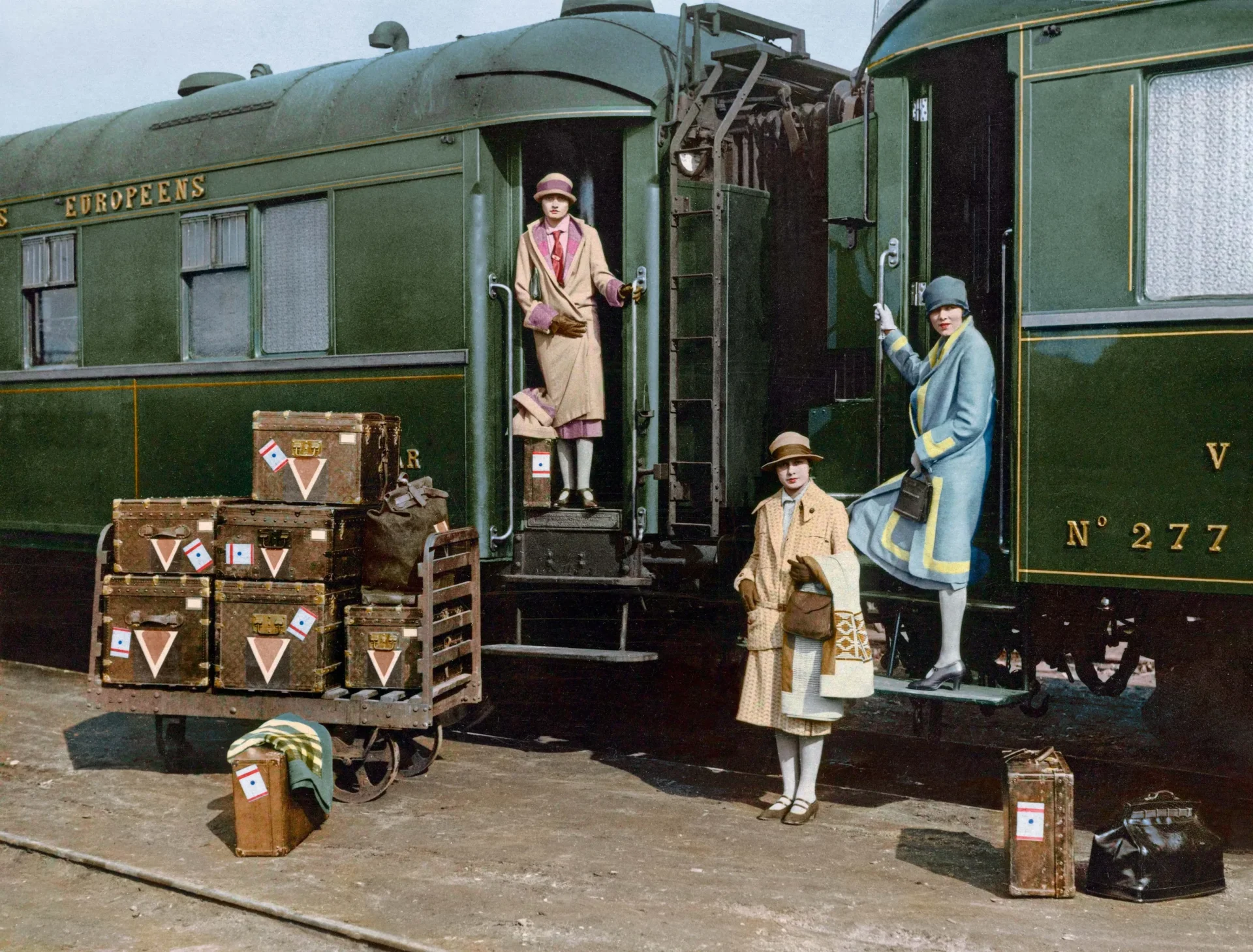
In Asnières, where the house has made its trunks since 1859, Pierre-Louis Vuitton talks about the Monogram and the craft, while Bruno Aveillan's suitcase, photographed in more than a hundred places, becomes a book and an exhibition in Paris.

Style / Reportage
From René Lacoste's court to Paul Newman's film sets, the polo has crossed a century without losing its ambiguity. What three icons teach about collar, fit and fabric, and the pieces worth owning now.
Style / Reportage
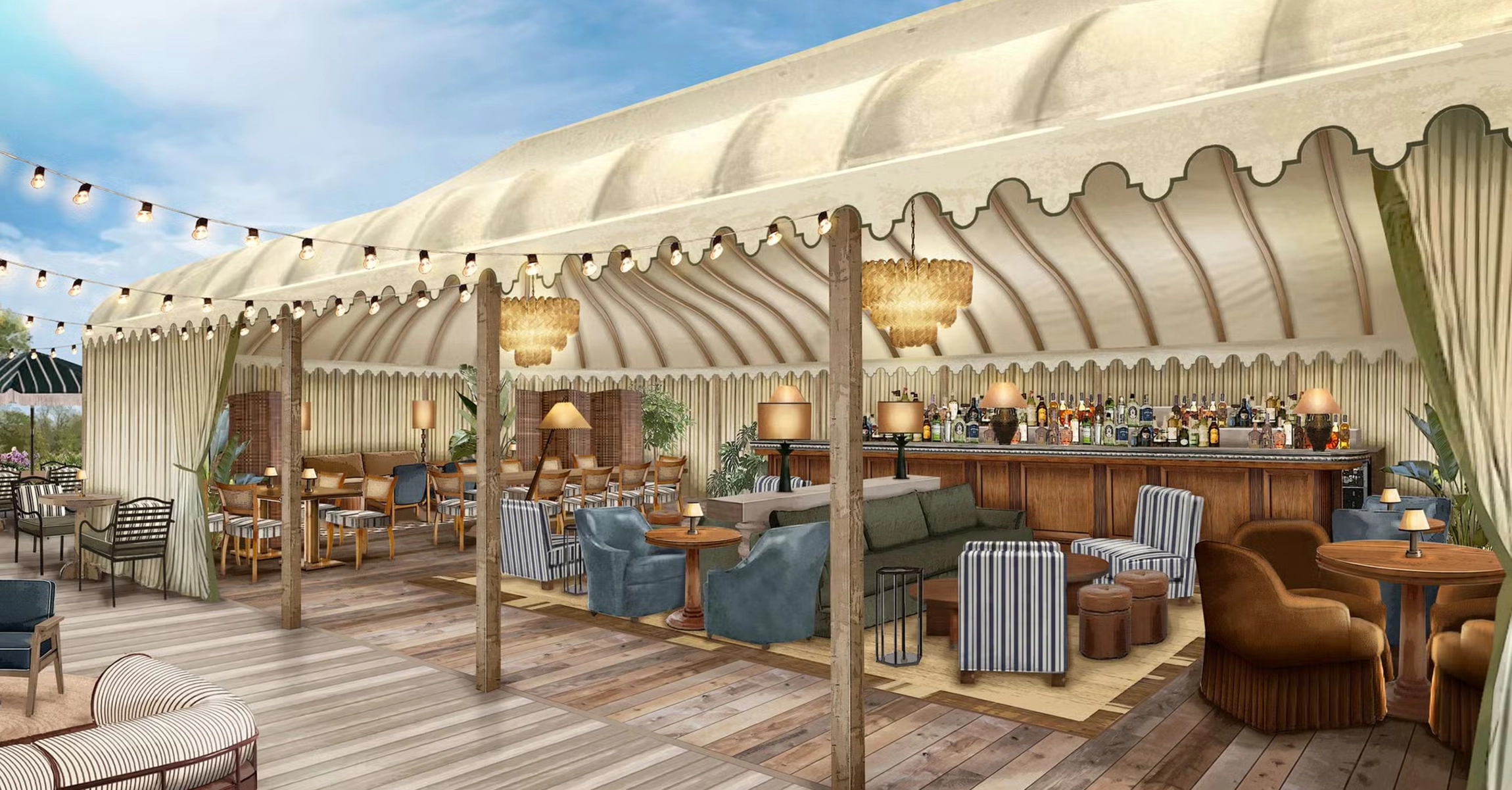
The Soho House collaboration connects design, food, music and the driver’s personal references inside the Paddock Club.
Style / Reportage
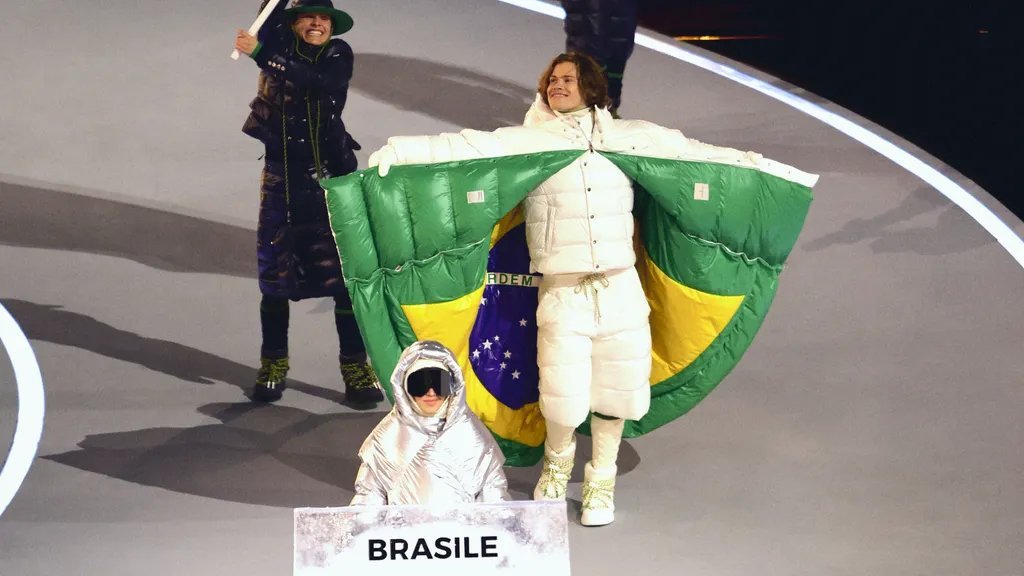
Brazil's opening-ceremony uniform at Milano Cortina 2026 approached national identity through a contrast rather than a literal translation of tropical imagery. Moncler and Oskar Metsavaht paired an alpine vocabulary with the Brazilian flag, using white, navy and green to build a collection whose most expressive detail appeared through movement.
Style / Reportage
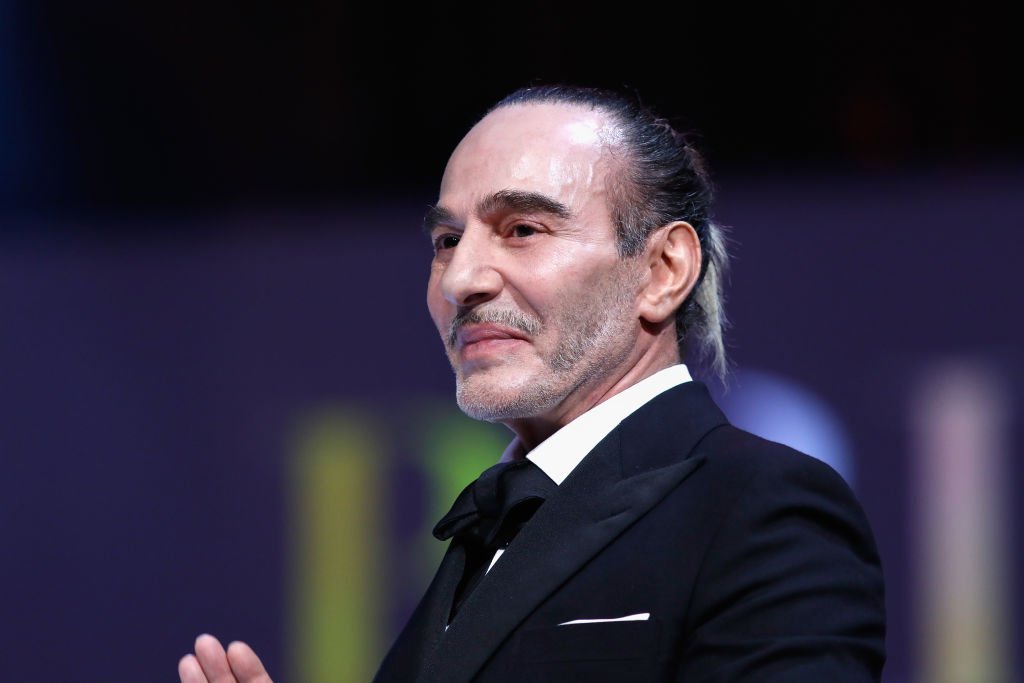
The Metropolitan Museum of Art and John Galliano have jointly cancelled Horizons, the Costume Institute retrospective due to open with the 2027 Met Gala, after a backlash over the designer's past antisemitic remarks.
THE CURATED GLOBE / FROM THE EDITORS
A considered selection of people, places and ideas from WAYFARER Edition, delivered to your inbox.
Free. No data sharing. Unsubscribe in one click.