Moncler and Oskar Metsavaht: an Olympic uniform built from contrasts
Brazil's opening-ceremony uniform at Milano Cortina 2026 approached national identity through a contrast rather than a literal translation of tropical imagery. Moncler and Oskar Metsavaht paired an alpine vocabulary with the Brazilian flag, using white, navy and green to build a collection whose most expressive detail appeared through movement.
Brazil’s opening-ceremony uniform at Milano Cortina 2026 approached national identity through a contrast rather than a literal translation of tropical imagery. Moncler and Oskar Metsavaht paired an alpine vocabulary with the Brazilian flag, using white, navy and green to build a collection whose most expressive detail appeared through movement.
The collaboration brought together Moncler’s chairman and chief executive Remo Ruffini, Metsavaht and alpine skier Lucas Pinheiro Braathen. Their connection gave the project a sporting as well as a design context. The clothes belonged to an Olympic ceremony, but the references reached into mountaineering, fashion and the personal histories of the collaborators.
The flag inside the cape
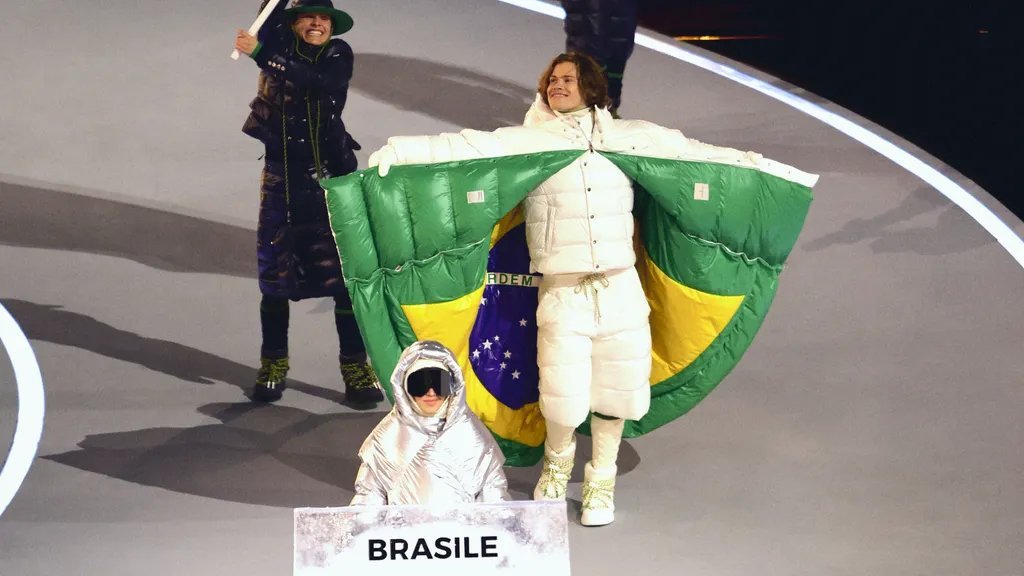
The white cape worn by the flagbearers made the contrast particularly clear. From outside, its volume and colour recalled snow and the formality of the ceremony. Inside, the Brazilian flag was worked in intarsia, becoming visible as the wearer moved.
The effect did not depend on applying the same national symbol to every outer surface. Concealment and revelation gave the garment its sequence: the exterior established one impression, and the lining supplied another. The body completed the design by setting it in motion.
An archive with a specific origin
The collection drew on Moncler’s Karakorum jacket, created in 1954 for the Italian expedition to K2. Its substantial quilting was reinterpreted in the cape, shorts and skirts. That reference gave the project a material history rather than treating winter clothing as a generic category.
Metsavaht brought his own relationship with mountain sports and design. A physician, former snowboarder and founder of Osklen, he has worked across disciplines that are often kept apart. In this commission, that range helped connect performance requirements with a cultural reading of dress.
A return to the Olympic setting
Milano Cortina marked Moncler’s return to the Winter Olympics almost six decades after Grenoble in 1968. Choosing the Brazilian delegation gave that return a less predictable expression, bringing an alpine house into dialogue with a country not usually placed at the centre of winter-sports imagery.
This is a retrospective on the uniform, not a forecast of the Games or a claim about an athlete’s results. Its international relevance lies in the design itself: a collaboration that made different histories visible without reducing either one to a costume. The strongest detail was also the simplest to understand, a flag revealed from within a white silhouette.
The body reveals the second image
The cape’s exterior and lining establish two readings of the same garment. White gives the first impression; the flag becomes visible through movement. The design depends on timing as well as colour, with the wearer deciding when the interior enters the public image.
That sequence distinguishes the commission from a uniform that repeats the same national symbol on every surface. The Karakorum reference gives the volume a separate material history, while the Brazilian flag locates the ceremonial purpose. The two need not compete for attention. Metsavaht’s contribution can be read through how they are arranged, with a mountain-clothing archive entering a contemporary Olympic setting rather than being copied as period dress.
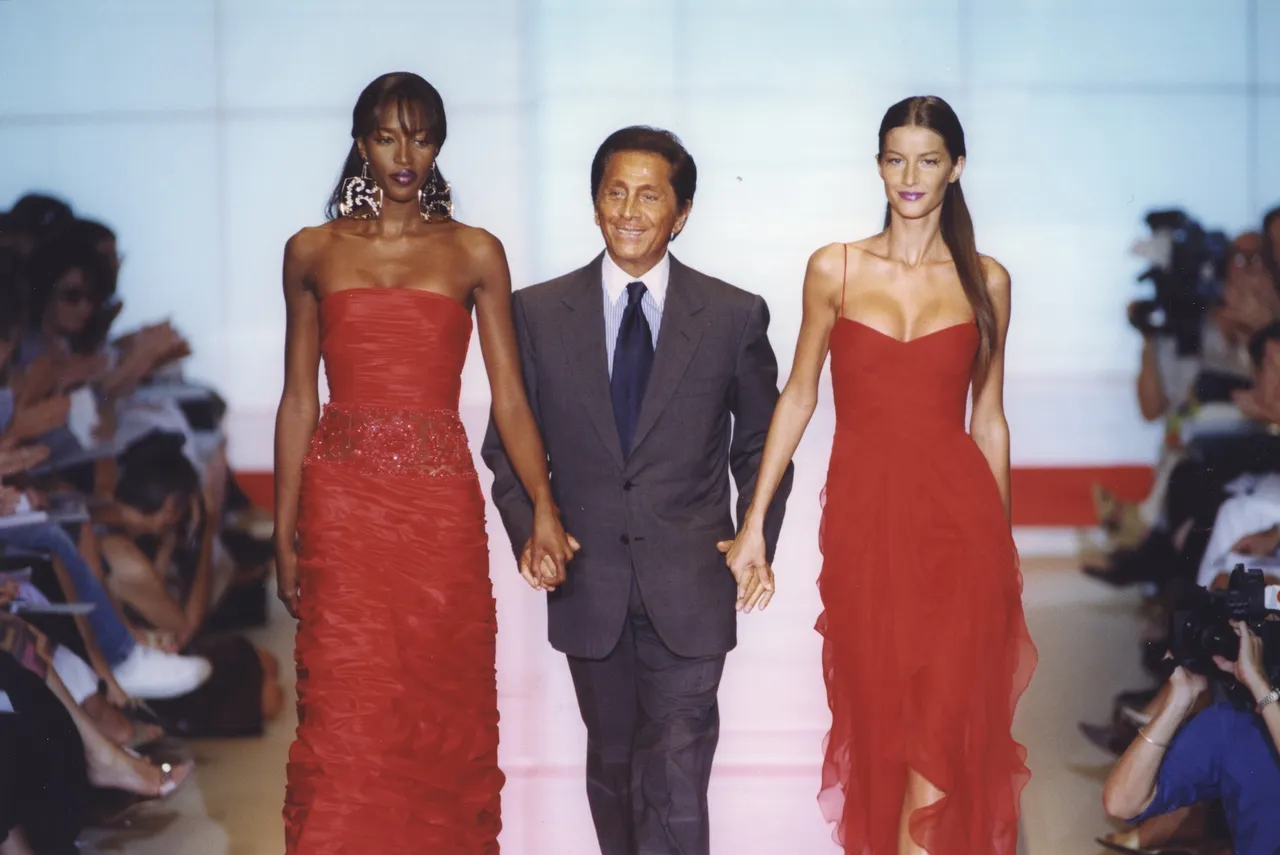
Valentino Garavani died at home in Rome in January 2026, at 93. From his Paris apprenticeship and the red that bears his name to the Florence show that made him and the foundation he built with Giancarlo Giammetti.
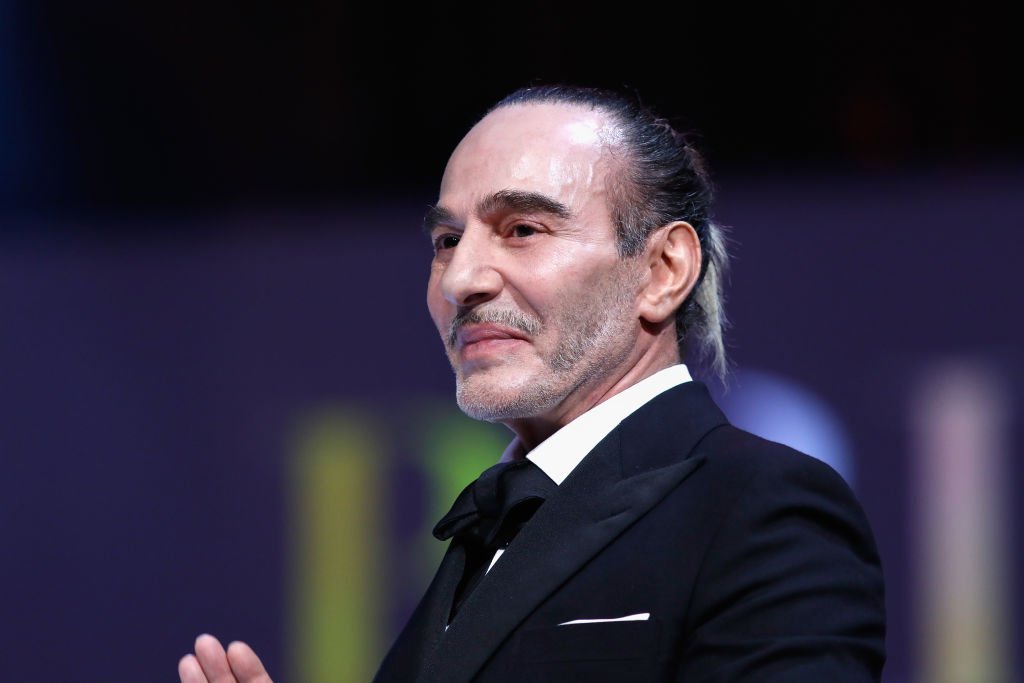
The Metropolitan Museum of Art and John Galliano have jointly cancelled Horizons, the Costume Institute retrospective due to open with the 2027 Met Gala, after a backlash over the designer's past antisemitic remarks.
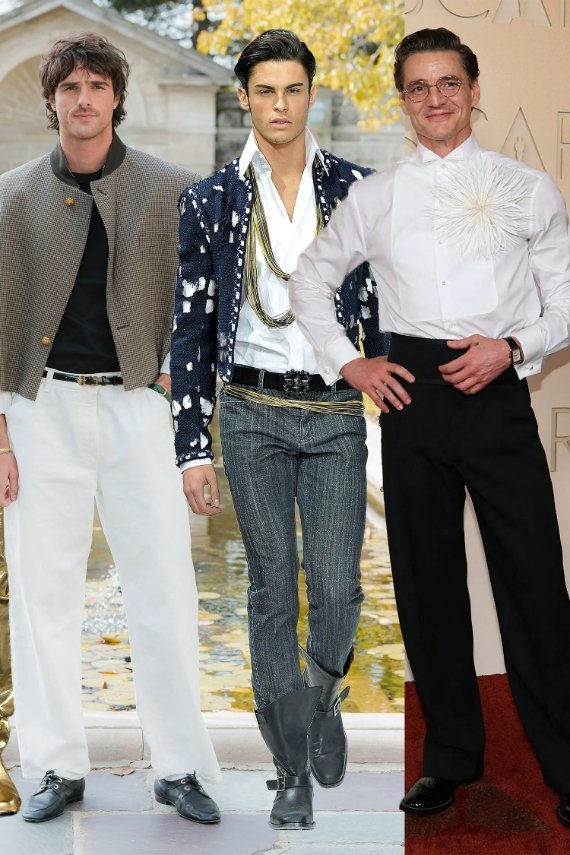
Chanel has never launched a men's line, and says it has no plans to. From Gabrielle Chanel and Karl Lagerfeld to Harry Styles, Pedro Pascal and Jacob Elordi, the house has built a menswear of suggestion instead.