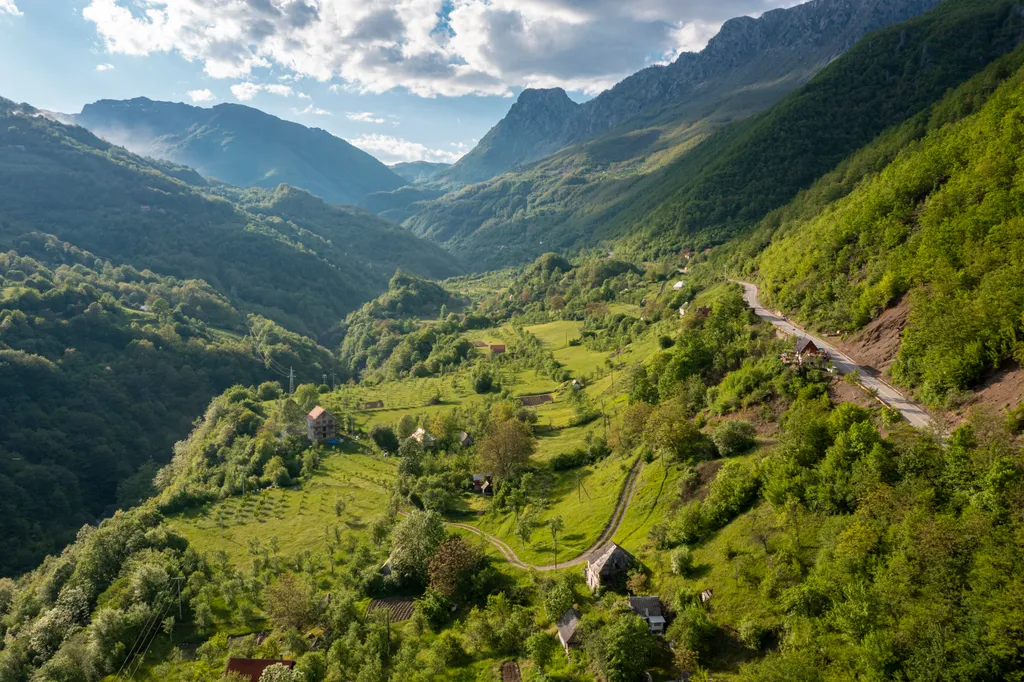
Montenegro’s water is not one continuous experience. Lake Skadar, the Bay of Kotor and the open Adriatic around Luštica have different ecologies, histories and practical conditions. Treating them separately makes a trip more precise than describing the whole country as a single coastal escape.
Its small size does not eliminate travel time. Roads, mountain routes and summer traffic can turn apparently short distances into a substantial part of the day, and not every destination is within two hours of every other.
Lake Skadar
Shared with Albania, Skadar introduces freshwater, wetland vegetation and birdlife into the itinerary. A locally guided boat outing can connect the landscape with fishing practices and lakeside settlements without promising that every species will be visible during one visit.
Conditions and protected-area rules belong in the planning. The boat is a way to understand a habitat, not permission to move anywhere across it. A meal of local fish provides another encounter with the lake’s economy.
Kotor and the inner bay
Kotor’s old town and defensive works sit beneath steep mountain slopes. Walking its streets and seeing the settlement from the water provide different measures of the same geography.
Venetian influence is central to the built history. The town’s position within wider regional conflicts should not be simplified into a claim that every period left identical traces. Perast supplies another coastal settlement with its own architectural scale.
Palazzo Sbutega in Prčanj offers a more intimate accommodation reference along the bay. It should be considered as a particular restored house, not a generic description of staying anywhere on the coast.
Shellfish belong to the sea
Oyster and mussel farming around the bay is maritime, not freshwater gastronomy. Visiting a producer requires its own arrangement and current confirmation; a photograph of a farm does not imply unrestricted public access.
The distinction from Skadar is useful at the table as well as on a map. Lake fish and bay shellfish arise from different waters and working practices.
Luštica’s outer coast
Rose and Žanjice give the peninsula specific points of approach. Beaches, fishing settlements and Mediterranean vegetation coexist with modern development, so the area should not be presented as universally untouched or unknown.
Ribarsko Selo provides a seafood-led stop in this wider setting. Confirm its current programme and transport arrangements, particularly if arriving by boat. The best route joins distinct places rather than rushing to prove that they can all be reached on one day. Lake, bay and open coast give Montenegro three different subjects, each deserving its own time.
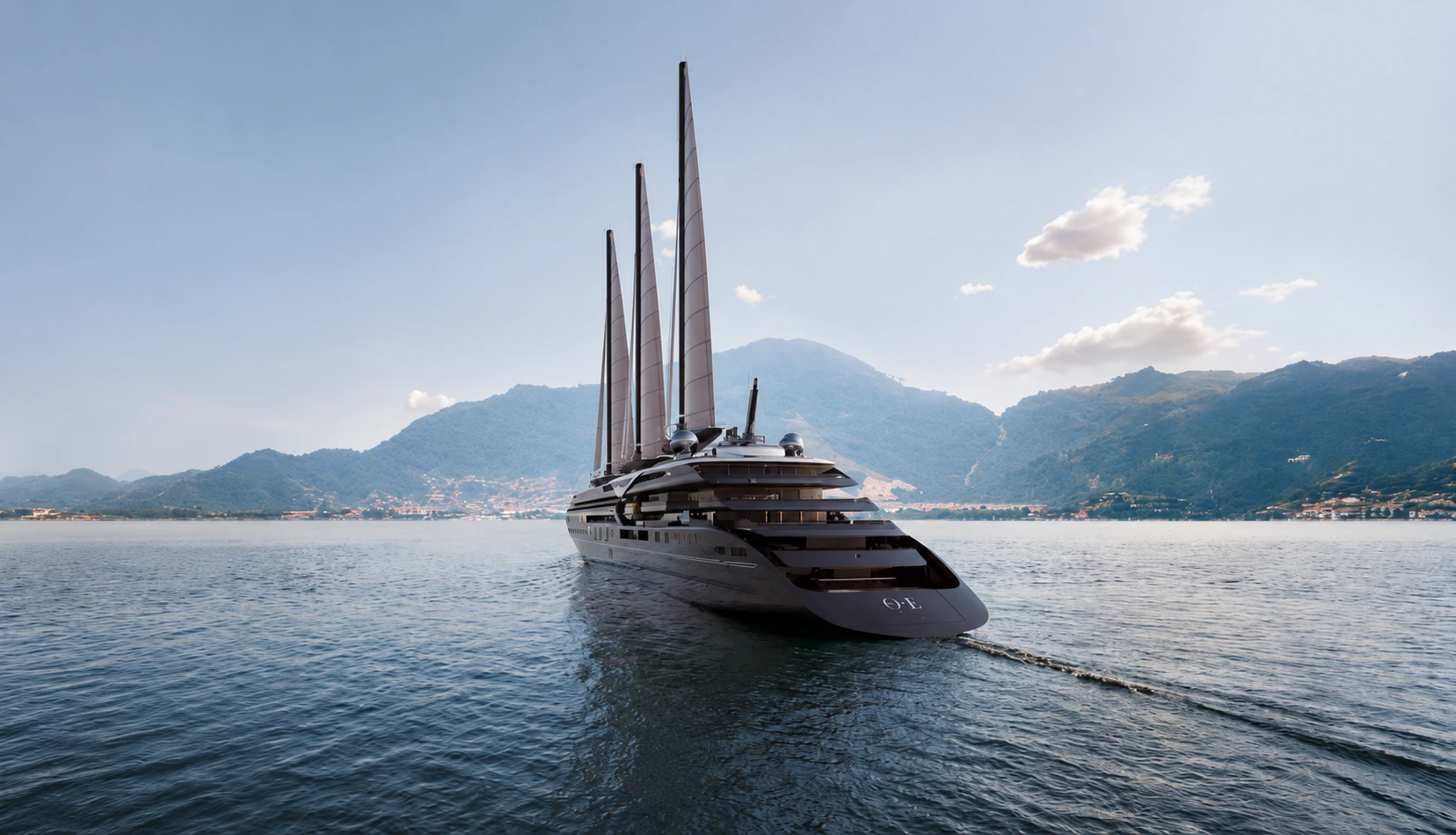
Four Seasons, Aman, Maybourne, Belmond and Mandarin Oriental now sell the journey as part of the stay, from helicopter transfers into London to 23-day circumnavigations at $238,000 a head. Who flies, why, and what is really being bought.
Airlifted by helicopter to the summits, monumental bronzes by Coderch & Malavia turn Courchevel's slopes into an open-air gallery, with Arman back in 1850.
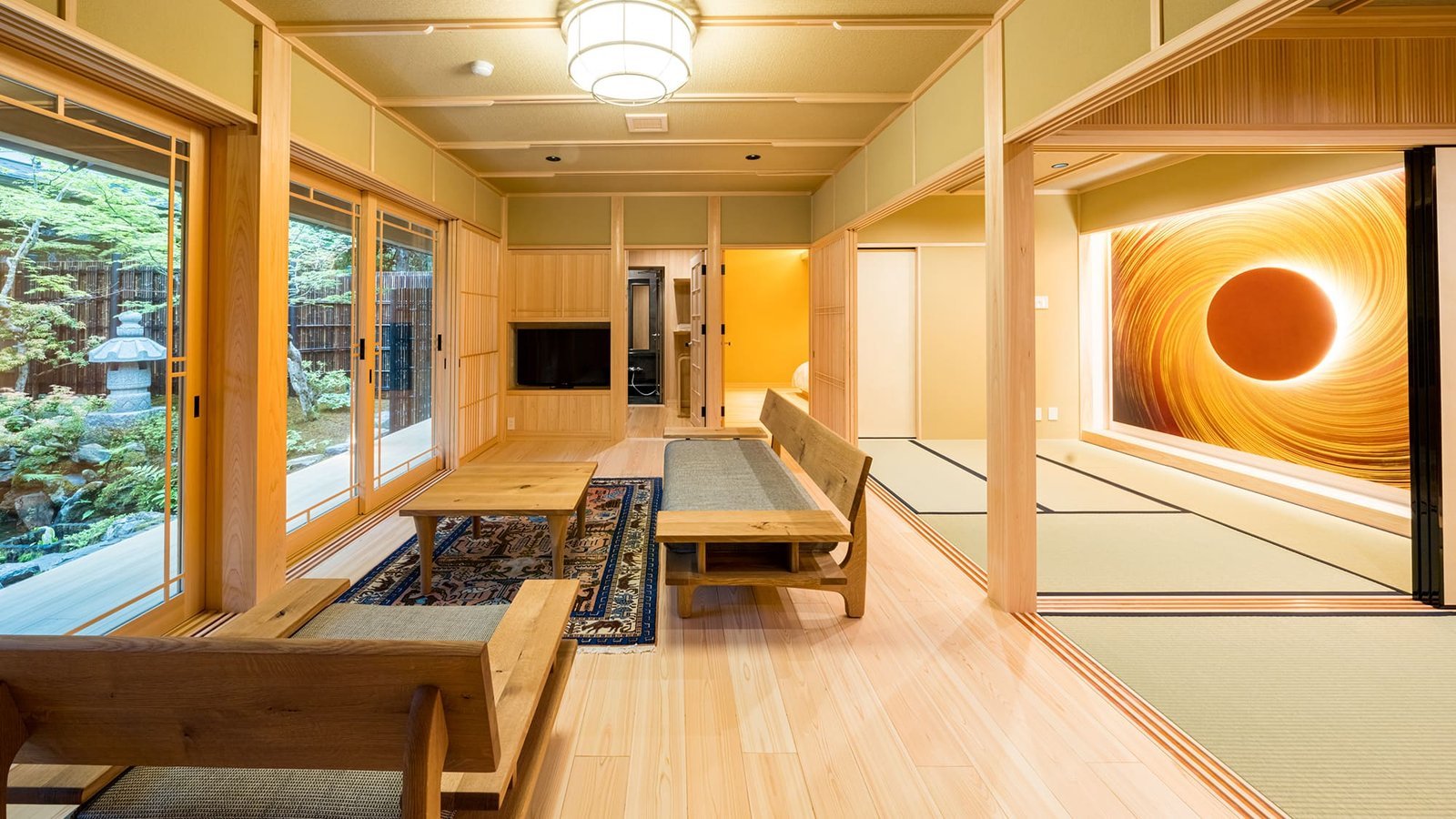
Asaba in Izu, Hoshinoya Tokyo and Ekoin on Mount Koya reveal why a country inn, an urban ryokan and a Buddhist temple stay should not be treated as the same itinerary.
Gabriel Silveirado’s account follows the relationship between rooms and sea. The ship’s deck plan adds a practical reading of its restaurants, shared spaces and private terraces.
THE CURATED GLOBE / FROM THE EDITORS
Good stories. Better company.
A considered selection of people, places and ideas from WAYFARER Edition, delivered to your inbox.
Welcome aboard. Your first letter is on its way.
We could not complete your subscription. Please check your email and try again.