From her family home on Vancouver Island, Pamela Anderson treats hospitality as a form of self-portrait: plant-based cooking, garden produce and a table where the conversation matters more than the setting.
To receive guests well is to say something about oneself without saying it aloud. It takes repertoire, sensitivity and an instinct for what turns an evening into a memory. Pamela Anderson, who spent decades as one of the most photographed women in the world, has arrived at a view of hosting that is almost the opposite of the image once attached to her: unhurried, rooted, and built around the table rather than the spotlight.
The hostess as character
The setting explains much of it. During the pandemic Anderson sold her house in Malibu and returned to Ladysmith, on Vancouver Island, where she was born, making her grandmother’s property her permanent home and restoring it. The garden became a vegetable farm, and the kitchen the centre of the house. Her cookbook, I Love You: Recipes from the Heart, published by Voracious in 2024 and nominated for a James Beard Award for its photography, gathers simple plant-based recipes she describes as entertaining with a humble kind of joy.
Receiving well, in her version, has little to do with décor or an immaculate menu. It is about orchestrating an atmosphere in which guests feel not merely accommodated but genuinely welcomed. Anderson understands that nuance with the precision of someone who lived under the lights and learnt to create intimacy even in public.
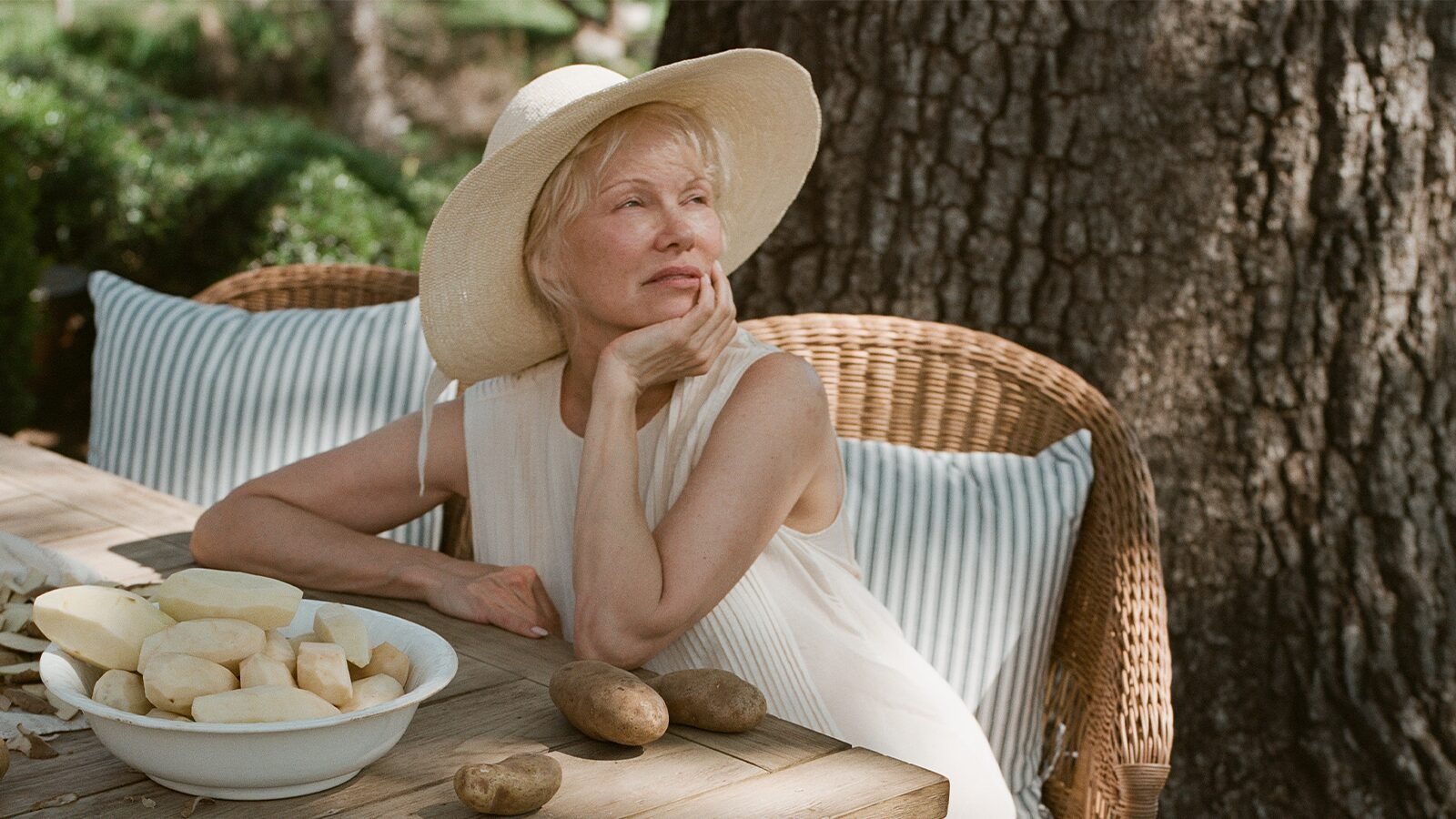
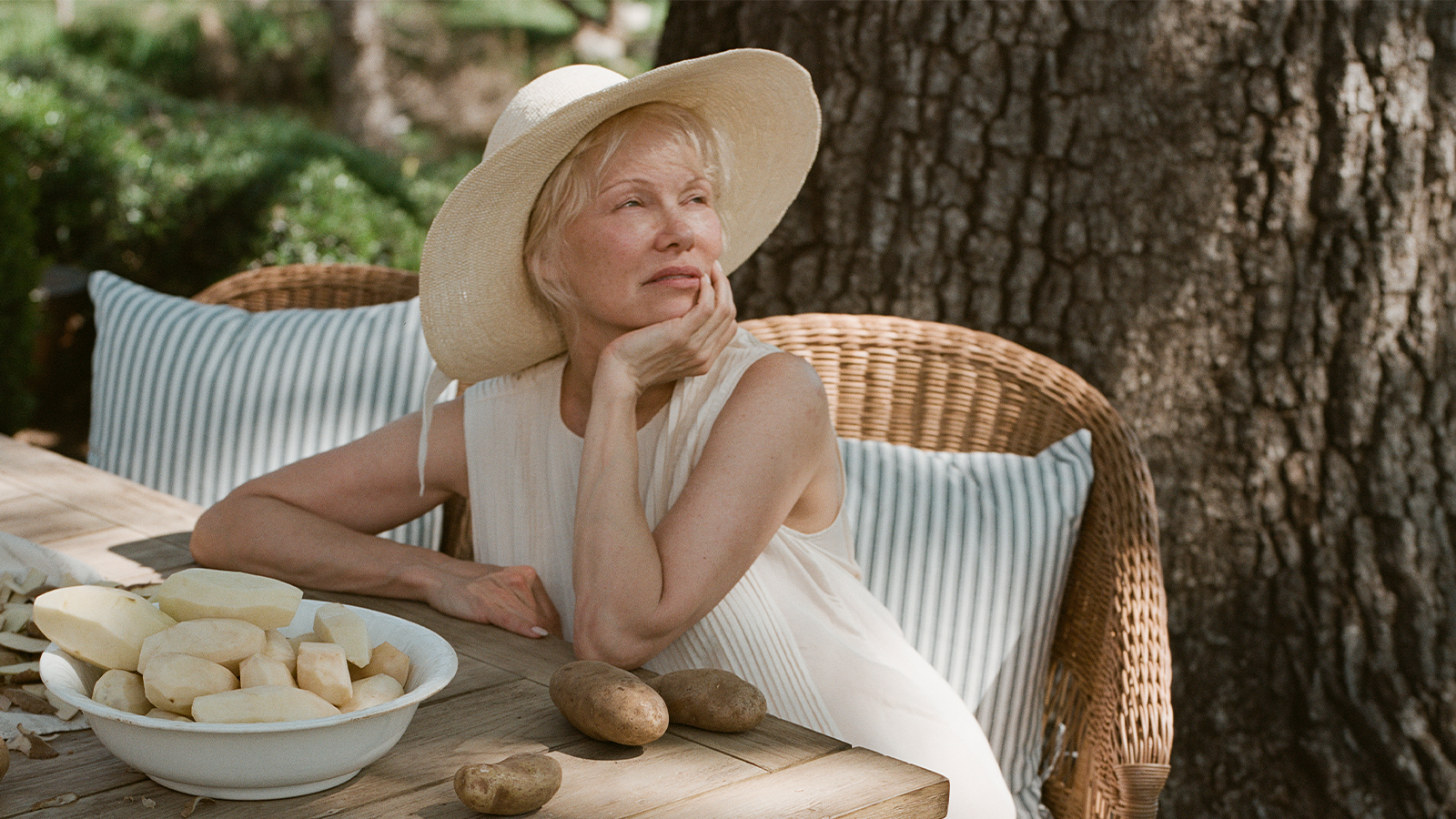
THE HOUSE AS A PORTRAIT. IMAGE: PRESS
The elements of a considered evening
What distinguishes an exceptional host is the ability to anticipate needs without hovering. Conversation flows when each guest feels central to the night. Anderson’s approach balances sophistication with ease: elegance, but never stiffness.
The details reveal intention: the music, the temperature of the room, the pace of the courses, the placement of chairs. Each works as an instrument in a larger composition. An experienced host leaves nothing to chance, and never lets the preparation show. Her cooking series, Pamela’s Cooking with Love, which began airing in Canada in 2025, makes the same case on screen: the food is seasonal and unfussy, and the point is the people around it.
Conversation at the centre
No gathering thrives without real dialogue. Anderson sees the host’s role as making connections between people, creating the conditions in which good conversation can happen on its own. That requires attention, listening and the occasional quiet redirection.
Modern sophistication has abandoned rigid formality for a refinement that feels relaxed. A beautifully laid table matters less than the quality of what is exchanged across it. In this, Anderson is of her moment, placing human experience above every other consideration.
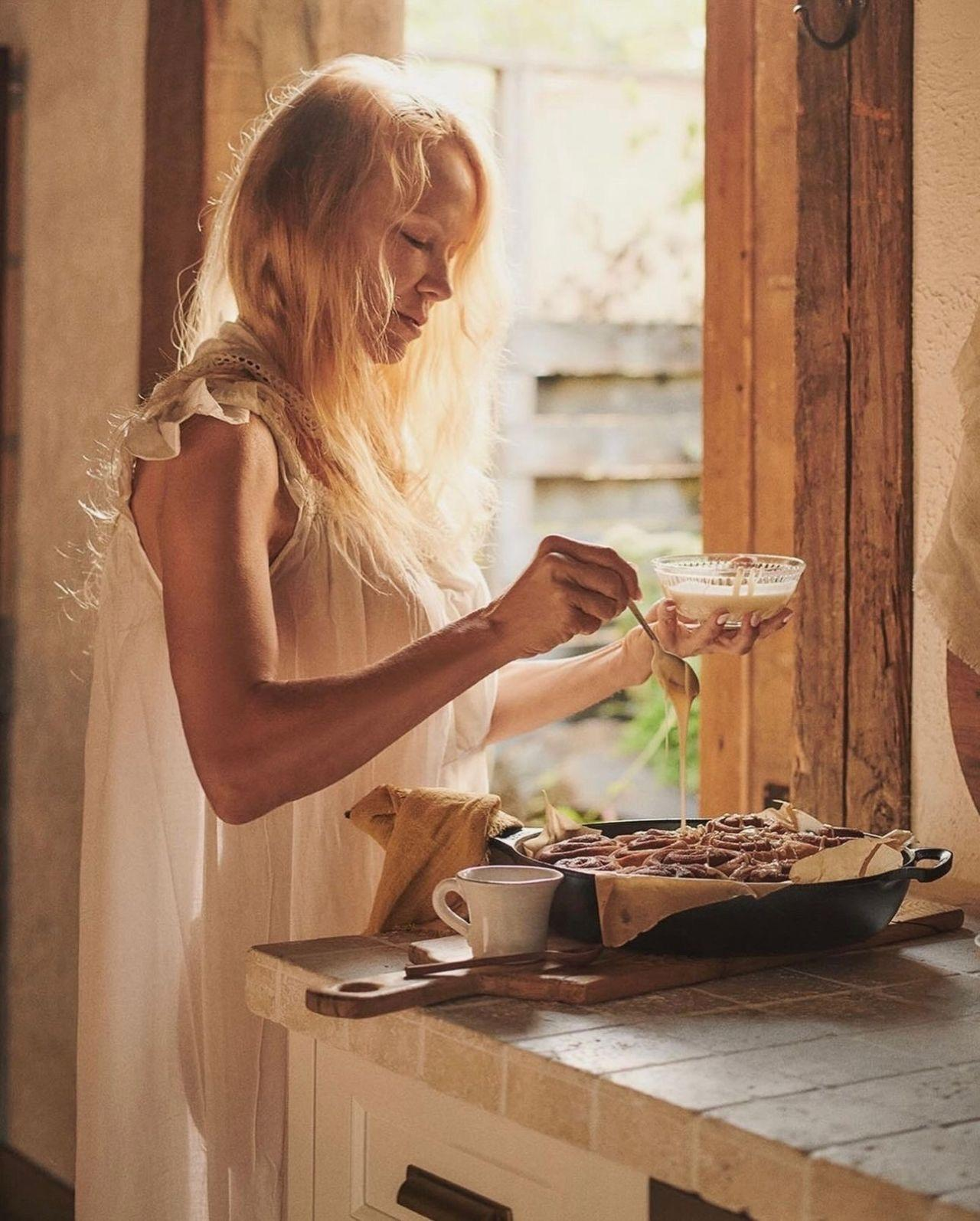
AN EVENING WITHOUT AN AUDIENCE. IMAGE: PRESS
A way of receiving
Watching how someone of her renown chooses to receive offers lessons in power, vulnerability and generosity. Hosting is an act of trust, an opening of private space to others, and a form of unspoken communication that reveals values through everyday choices.
Her later career, from Roxie Hart on Broadway in 2022 to the Golden Globe nomination for The Last Showgirl, has been read as a reclamation. Her table belongs to the same story. Hospitality, done with authenticity, becomes a signature, independent of anyone else’s narrative.
To receive well is to say something without saying it. At Anderson’s table on the island, what is said is simple: the lights are off, the garden is in season, and the guest is the point.
Mike White's fourth season unfolds during the Cannes Film Festival, between a castle in Saint-Tropez and the Croisette. The subject this time is fame, and the series is due on screen in 2027.
Derek Ridgers' Hello, I Love You gathers kisses caught by flash on London nights in the early 1980s. Seen today, the pictures record something more fragile than romance: a night that did not need to be documented to exist.
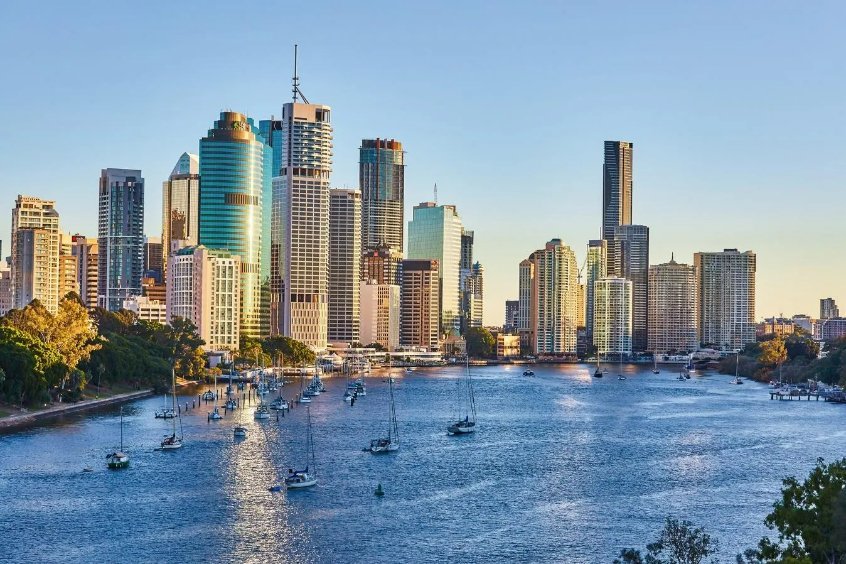
Brisbane leads a 50-city index of the best places to raise children, ahead of London and Auckland. The ranking reads less like a league table than a verdict on how cities choose to spend space, time and money.