Culture / Reportage
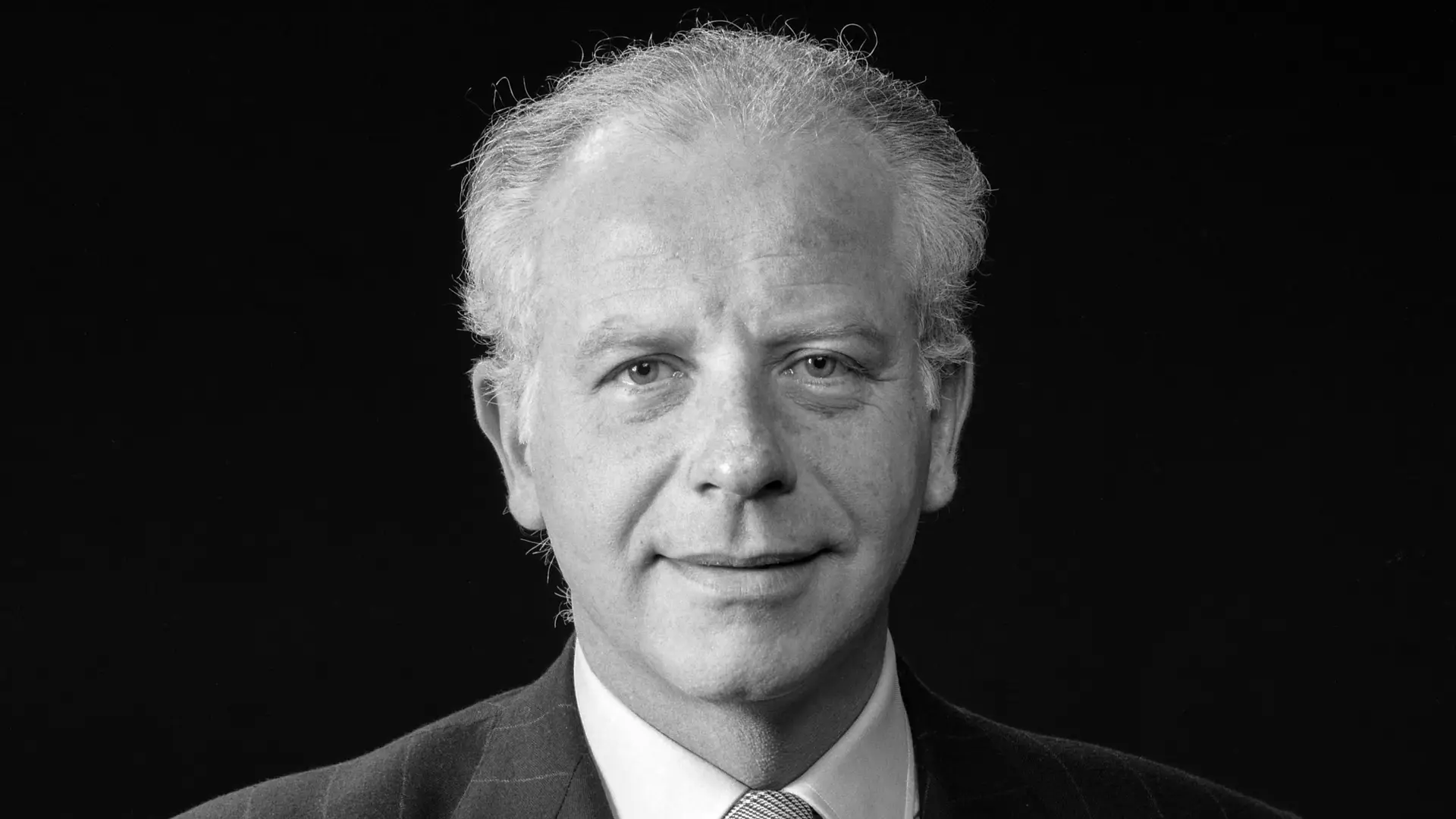
Paolo Bulgari, the Man Who Listened to Stones
Paolo Bulgari has died in Rome at 89. He chose gems with his eyes closed and taught high jewellery to speak in colour. A portrait.

THE CURATED EDITION.
Reportage /
Nicholas Foulkes's authorised history follows the watch through the archive, returning to a design introduced in 1945.
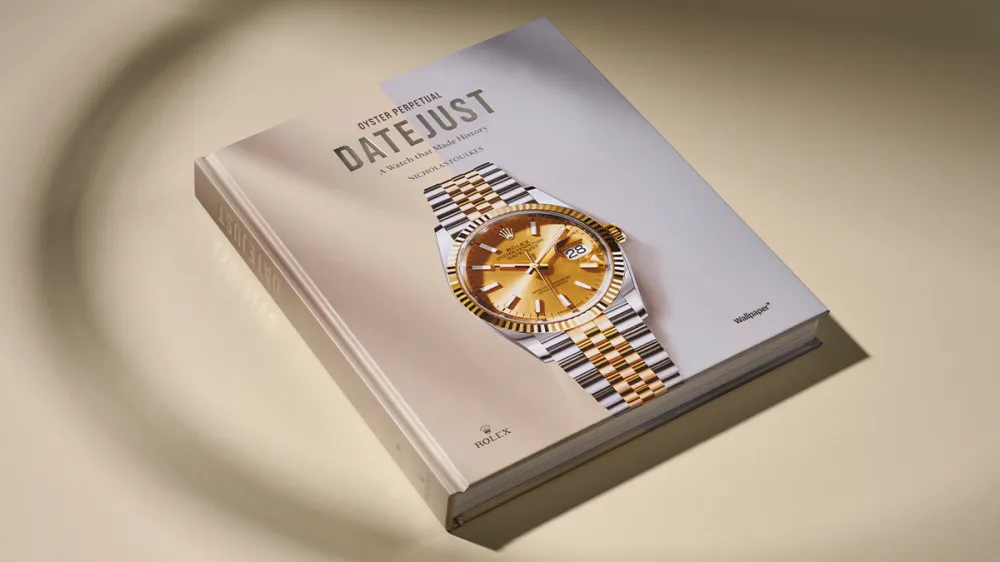
A watch can acquire a long history without surrendering its outline. The Datejust offers a particularly clear example: a design introduced in 1945 remains recognisable across the variations that followed it.
Published in 2025, Oyster Perpetual Datejust: A Watch that Made History is Rolex’s authorised history of the model. The 224-page book combined new photography with material from the company’s archive, using the eightieth anniversary as a reason to examine continuity rather than simply announce another reference.
Nicholas Foulkes, the historian and writer who had also worked on the Submariner volume, led the project. Access to Rolex’s records allowed the book to connect the model’s development with the ideas of founder Hans Wilsdorf.
The book’s narrative extends beyond technical specifications to the Datejust’s place in the lives of artists, athletes and other public figures. Such histories can show how a manufactured object enters a wider visual culture.
The book followed the earlier Submariner publication made with Wallpaper. Its subject was different, but the editorial principle was comparable: photographs and documents could make the evolution of a watch visible without relying only on a list of movements and dimensions.
Read as a design study, the Datejust’s persistence is the point. Changes in detail matter precisely because the larger identity remains intact. Eight decades give the reader a long enough sequence to see both.
An anniversary book offers a longer viewing distance than a new-model announcement. Instead of asking what has just changed, it makes it possible to consider how a design remains identifiable while its details evolve. The Datejust’s name, dating from 1945, gives that exercise a defined starting point; the eighty-year interval supplies its scale.
The authorised nature of the publication is equally important. Access to a manufacturer’s archive can bring photographs and documents into view that would otherwise be difficult to assemble. It also gives the account a particular perspective. The book should be understood as a history developed with the house, not automatically as an independent critical verdict on it.
For a reader interested in design, the useful relationship is between the photograph and the chronology. An image makes a detail visible; the surrounding record locates it within a sequence. Foulkes’s role as a historian brings those two modes of reading together. The object becomes more than a list of specifications, without losing the fact that changes in construction and appearance belong to particular moments.
CONTINUE READING
Culture / Reportage
Paolo Bulgari has died in Rome at 89. He chose gems with his eyes closed and taught high jewellery to speak in colour. A portrait.

Watches & Jewellery / Reportage
Bernard Arnault's youngest son traded volume for craft and made Louis Vuitton watches a serious subject among collectors. A portrait of an executive who has learned to measure success in years rather than quarters.
Watches & Jewellery / Reportage
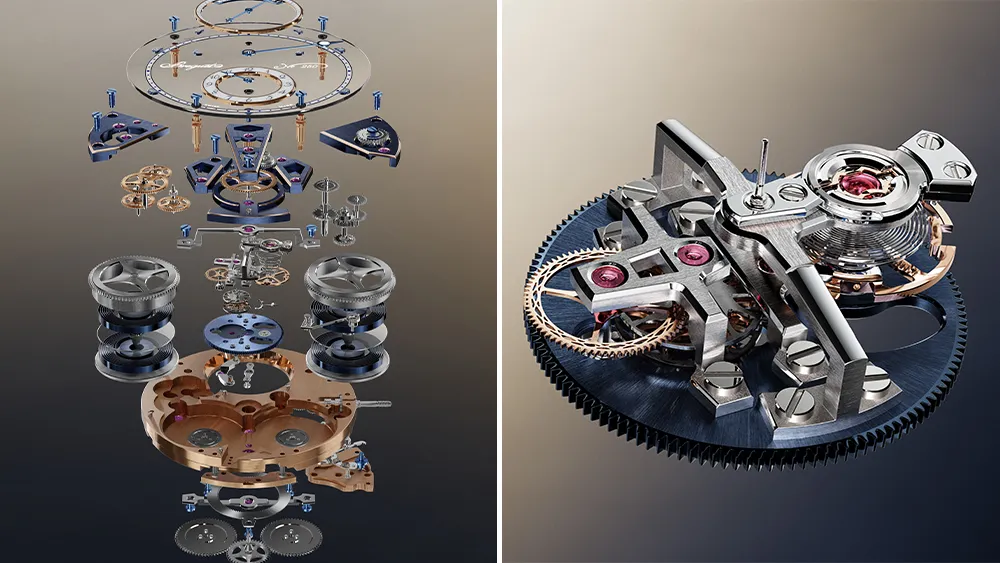
A 10 Hz tourbillon and magnetic constant-force escapement bring the manufacture’s research programme into a 75-piece edition.
Watches & Jewellery / Reportage
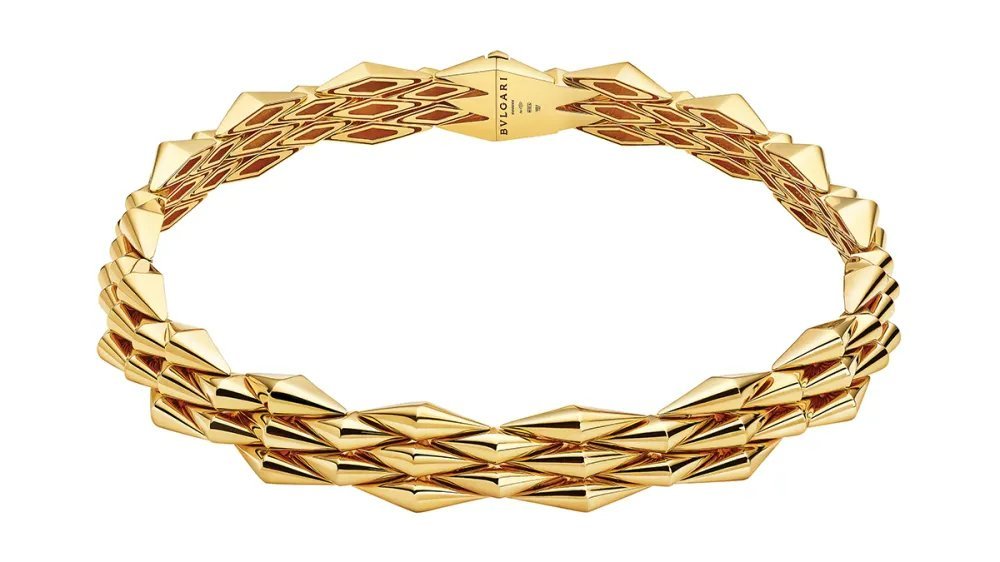
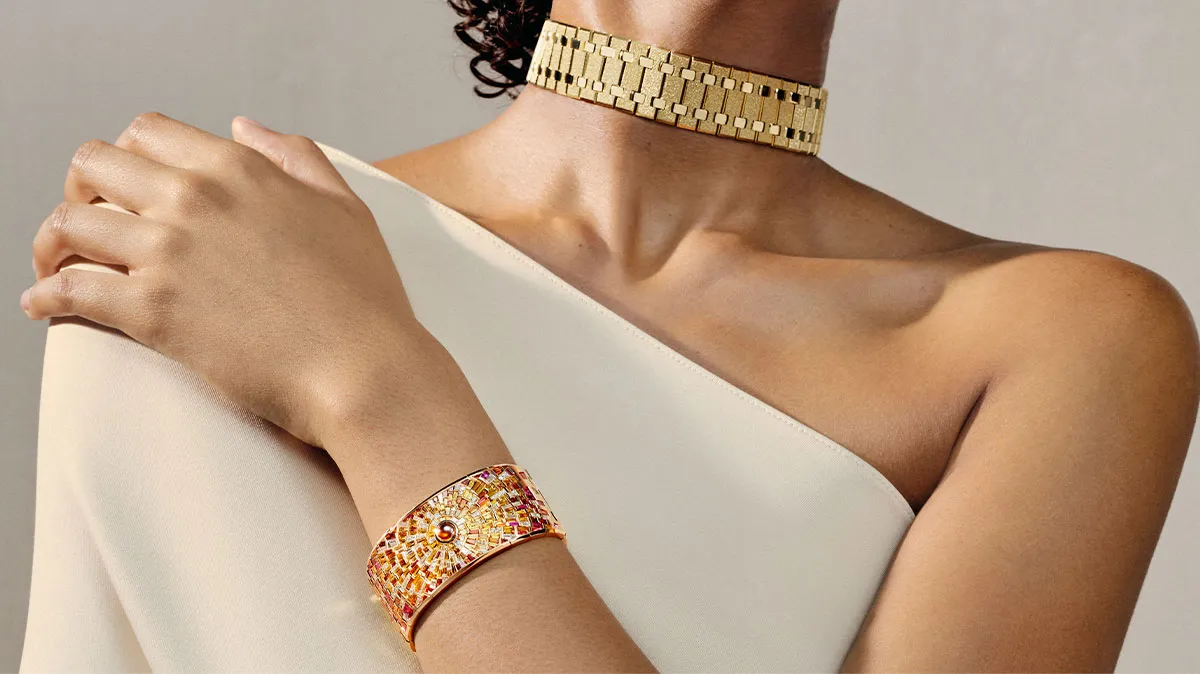
The Eternal collection returns to a 1942 bracelet through articulated gold and a darker high-jewellery interpretation.
Watches & Jewellery / Reportage
Nineteen pieces translate the bracelet’s recognisable structure into necklaces, cuffs and earrings, with colour and stones opening another design vocabulary.

Watches & Jewellery / Reportage
Official timing, team partnerships and driver editions produce different kinds of racing watch.
THE CURATED GLOBE / FROM THE EDITORS
A considered selection of people, places and ideas from WAYFARER Edition, delivered to your inbox.
Free. No data sharing. Unsubscribe in one click.