Culture / Reportage
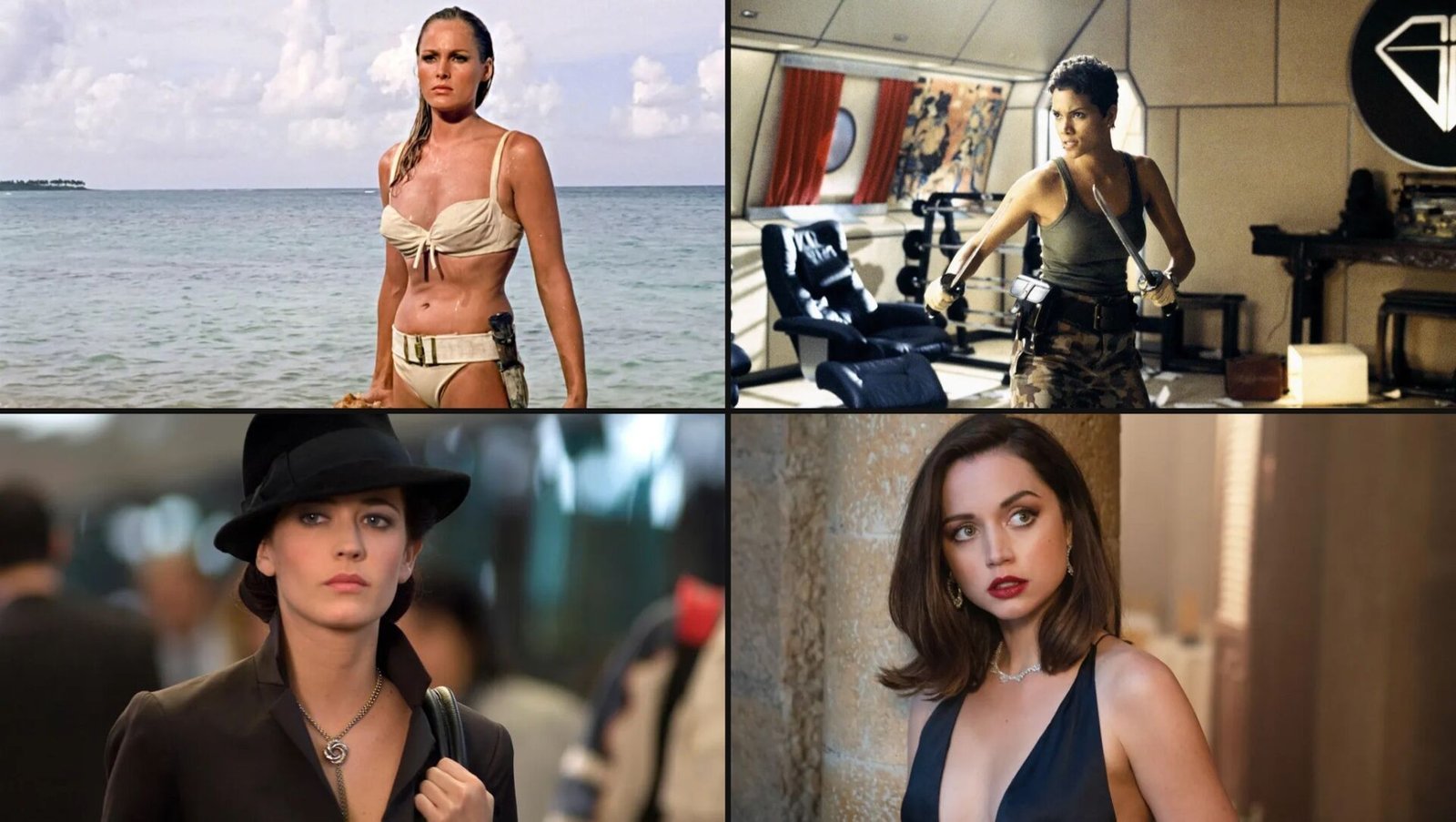
Fourteen Bond Women Who Defined Their Decades, as Robert Pattinson Becomes 007
From Ursula Andress to Ana de Armas, fourteen women who changed what James Bond meant, as Robert Pattinson is named the seventh 007.

THE CURATED EDITION.
Reportage /
Paolo Bulgari has died in Rome at 89. He chose gems with his eyes closed and taught high jewellery to speak in colour. A portrait.
WAYFARER EDITION · Portraits | Rome
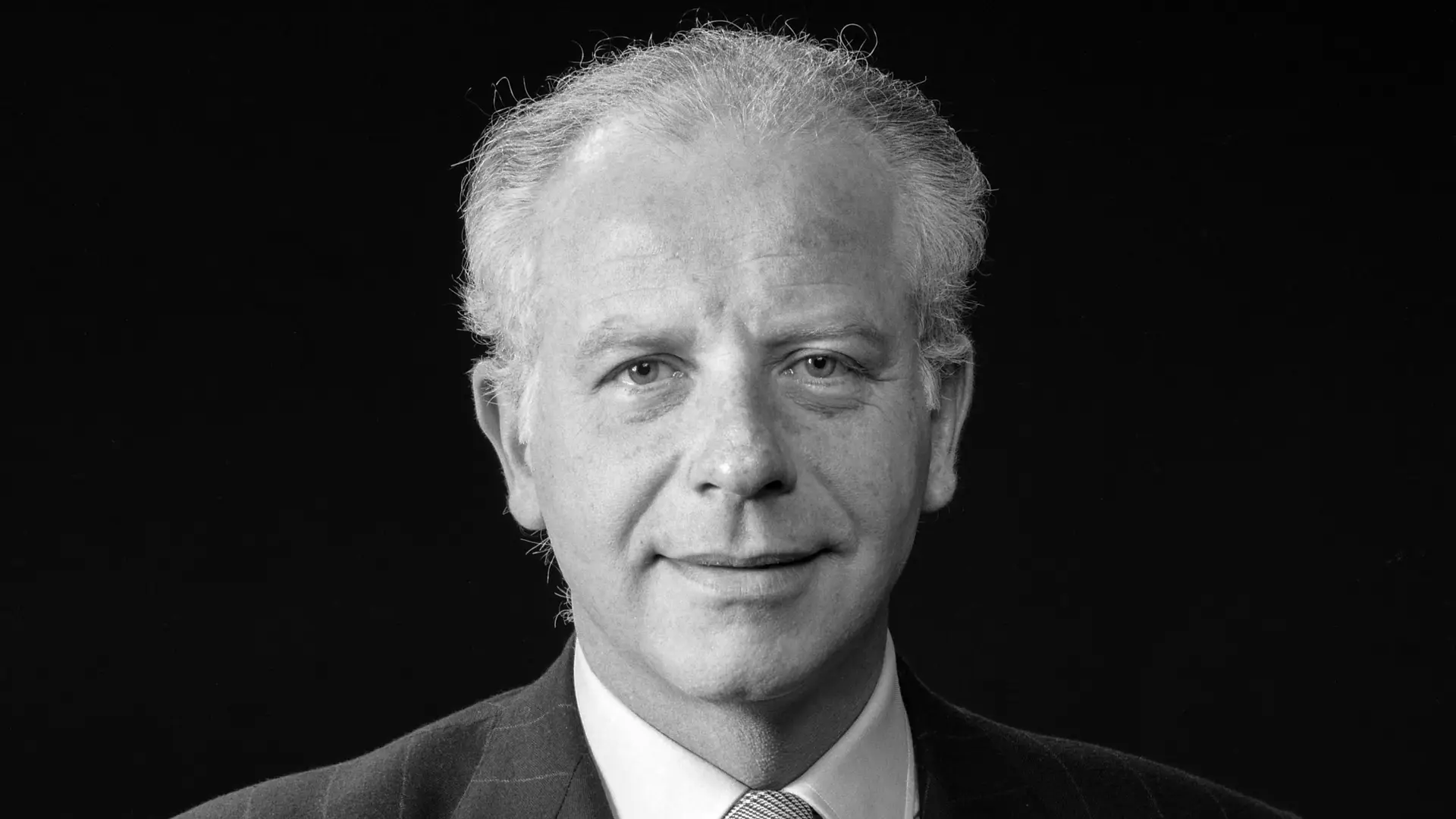
Paolo Bulgari, 1937 · 2026
In a room above Via Condotti, every stone arrived wrapped in white paper. Coffee was poured. Then a silver-haired man closed his eyes and held the gem in his palm, the way one listens.
That was how Paolo Bulgari decided what would become a jewel. Not by the grading chart, not by the certificate. By the proportion he felt in his fingers, by the weight, by whatever the stone seemed to say. For more than six decades, that almost liturgical ritual set the taste of one of the most recognisable houses in the world.
He died on Saturday, 21 November, in Rome. He was 89. His family spoke of an extraordinary figure, of deep humanity, of an entrepreneur who loved Italy and served as its ambassador to the world. In another note they went further and called him the greatest jeweller of our time. In a trade that lives on superlatives, the line read less like praise than like an inventory.
The story begins in the mountains of Epirus, in north-western Greece, home to a silversmith named Sotirios Voulgaris. Paolo liked to say that his grandfather left Greece with almost nothing in his pocket. He reached Italy with his hands and his trade, opened a first shop on Via Sistina in 1884, Italianised the name and, early in the next century, settled the family on Via Condotti, a few steps from the Spanish Steps.
Paolo was born in Rome on 8 October 1937, a son of Giorgio Bulgari. Lia came first, in 1933, then Gianni in 1935. After him came Nicola, in 1941, the brother with whom he would share the house for most of his life. He grew up among velvet cases and clients who arrived with bodyguards. He was reading law when he began spending his days in the family workshop at his father’s side. He never left.
He did everything: buying raw stones, the bench, the drawing board. Between the brothers a division settled in that lasted a lifetime. Nicola was the man of silver, of ancient coins, of collecting. Paolo was the man of stones.
Nicola was the man of silver. Paolo was the man of stones.
In the 1950s and 1960s, Rome was the capital of world cinema and Via Condotti was its dressing room. Ingrid Bergman, Audrey Hepburn, Sophia Loren, Anna Magnani, Anita Ekberg, Monica Vitti: all of them came through the door. None left a deeper mark than Elizabeth Taylor and Richard Burton during the filming of Cleopatra, when their affair became an international scandal and Bulgari emeralds became part of the plot.
Burton summed it up with the best line the jewellery trade has ever been given: he had introduced Liz to beer, and she had introduced him to Bulgari. Among her pieces was a necklace set with a sugarloaf sapphire of almost indecent size, a stone that decades later still held the people who worked with Paolo in a trance. He and his protégée could spend hours in front of it without exchanging a word.
Paolo was there from the start. Young, discreet, watching how those women wore the pieces and what they asked for without saying it. From that came a rule he would repeat all his life: every jewel must be imagined on a woman’s body, never on the velvet of a display case. Even as chairman, he kept coming down to the salon to serve clients himself. It was his laboratory.
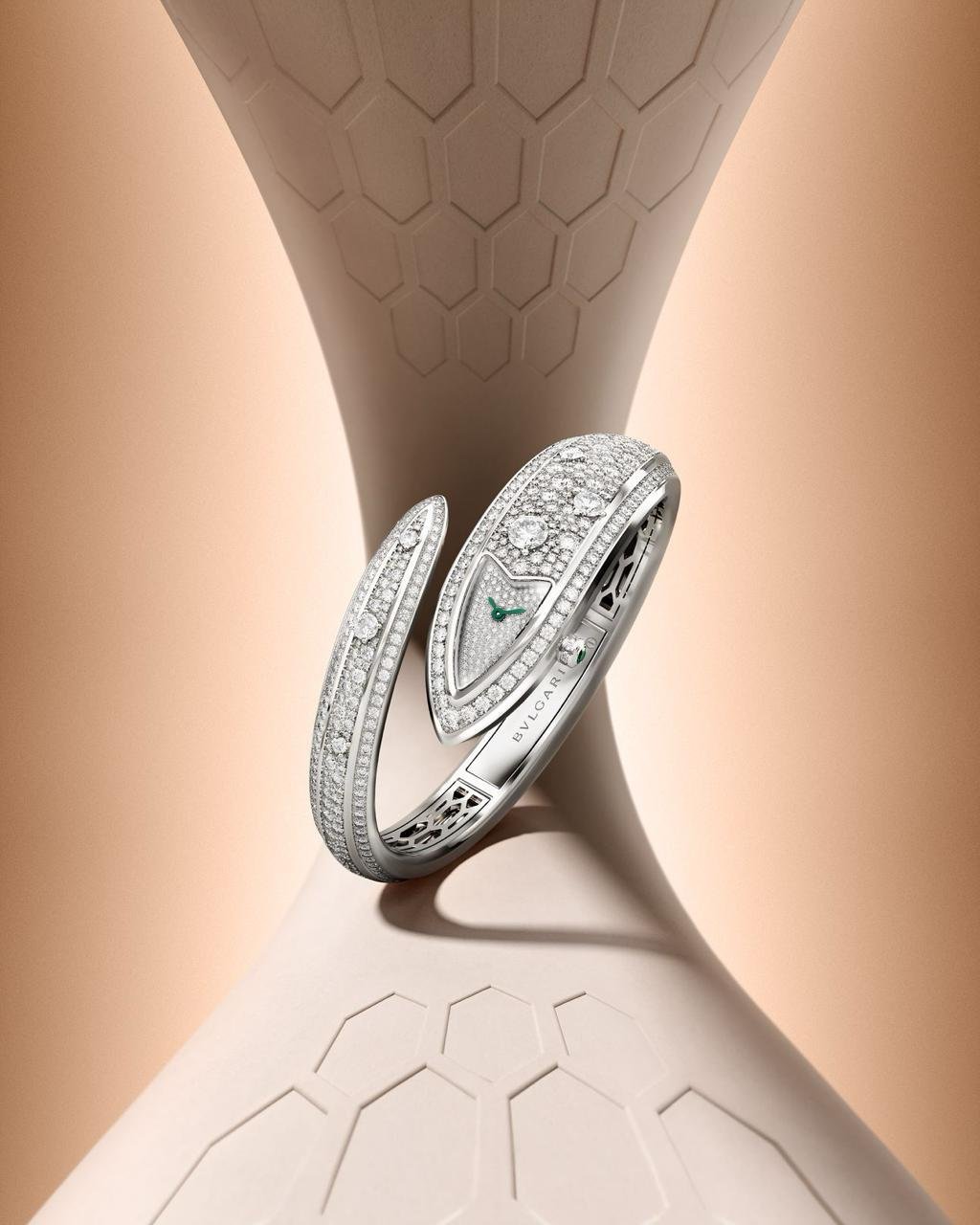
Until then, high jewellery spoke French. Orders came from Place Vendôme: white diamonds, platinum, symmetry, brilliance as proof of worth. Years later Paolo described the break in a single dry sentence. Bulgari invented multicoloured jewellery when Paris was only cutting diamonds.
The classic triad of rubies, sapphires and emeralds acquired unlikely company: tourmalines, rubellites, garnets, peridots, hardstones. The smooth, domed cabochon replaced the facet. Yellow gold gained volume. The “V” in place of the “U”, after the manner of Latin inscriptions, gave the name the gravity of a monument. In 1982 came Parentesi, drawn from the joints of Roman architecture and paving, a modular design that still looks current.
Paolo also knew how to wait. When he was shown a ring in three tones of gold inspired by the Colosseum, an idea that raised eyebrows at the time, he said it was beautiful but that its moment had not come. It went into the safe. When it finally emerged, it became one of the most recognisable designs the house has ever made. Those who worked with him put it simply: he had a vision, and he was right.
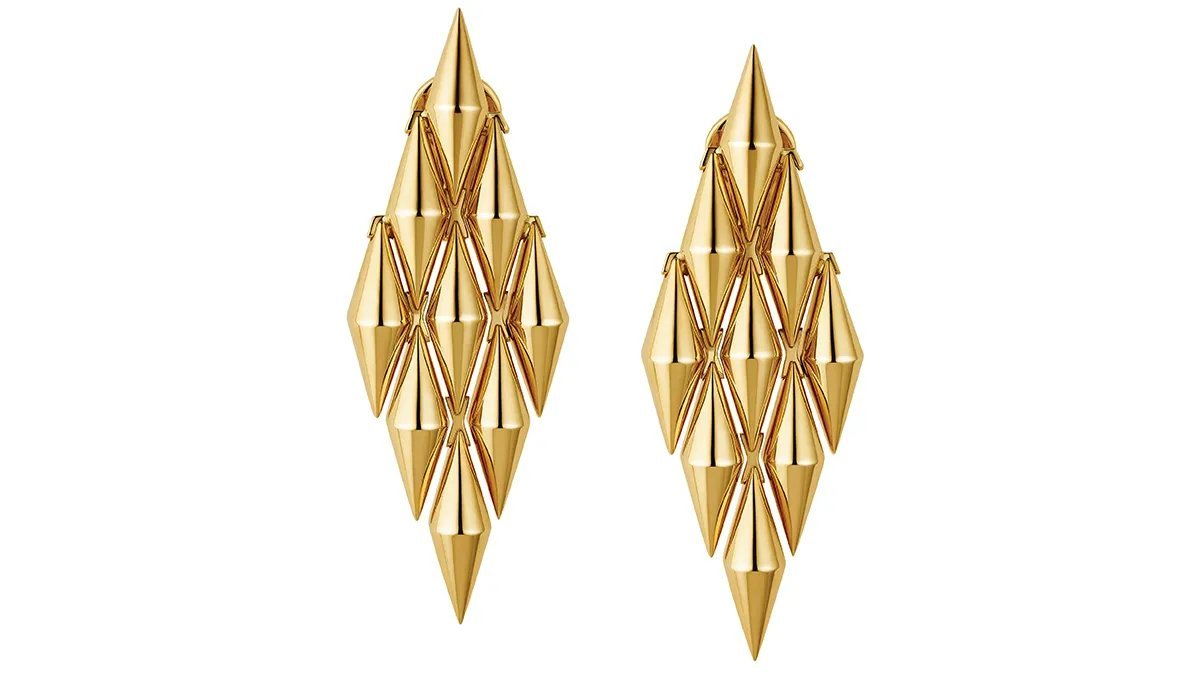
Perhaps the best witness to his method is Lucia Silvestri, today Bulgari’s jewellery creative director. She was 19, a biology student, hired to cover a maternity leave. Her father was Paolo’s right-hand man. On her first day she found an enormous desk entirely covered in stones. She picked them up without fear, as if it were the most natural thing in the world. Paolo noticed at once.
She gave up biology. For years she travelled with him to the best gem dealers and markets in the world, learning to tell the good from the extraordinary. He taught her a rule she still repeats: never buy a stone without first imagining how and where it will be used. And the two of them invented a game. Without opening a parcel, simply by feeling what was inside, each tried to tell whether the stones were good.
There are few more precise images of a master than this one: a man who could recognise a sapphire by touch, through paper.
A man who could recognise a sapphire by touch, through paper.
In 1984 Paolo became chairman, with Nicola as vice chairman. Gianni, the eldest, who had led the house in the preceding decades, left in 1987 after disagreements with his brothers and sold them his third. From then on Bulgari was run by Paolo, Nicola and their nephew Francesco Trapani, Lia’s son, who took the executive helm and carried the name into every capital that matters. Watches followed, then fragrance and accessories. In 1995 the company listed in Milan.
In 1994 Paolo appeared for a few seconds as himself in Robert Altman’s Prêt-à-Porter. It was perhaps his only concession to the stage. Those who knew him described a reserved man of acute artistic sensibility, more at ease in front of a stone than a microphone. The spotlight belonged to the house. For him, the drawing was enough.
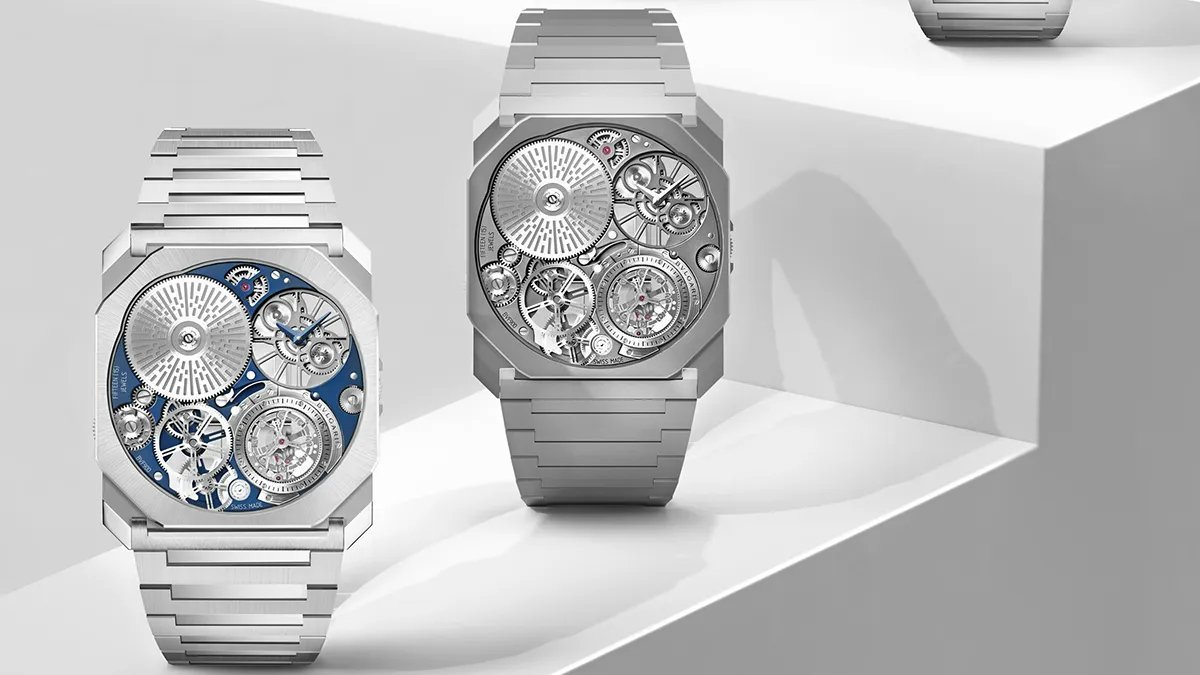
In 2011 the family handed control of Bulgari to Bernard Arnault’s LVMH in a deal valued at around €4.3 billion. Paolo, Nicola and Trapani exchanged their stakes for shares in the French group, and the company left the stock exchange that October. Asked about the decision, Paolo did not pretend. It had been taken with great personal suffering.
He nonetheless remained chairman, and the house kept its workshops, its accent and its capital. There were darker chapters too. In 2015 Paolo and Nicola were sent to trial over alleged tax evasion linked to offshore companies. In 2018 a Rome court acquitted both, finding that no offence had occurred, and ordered the seized funds returned.
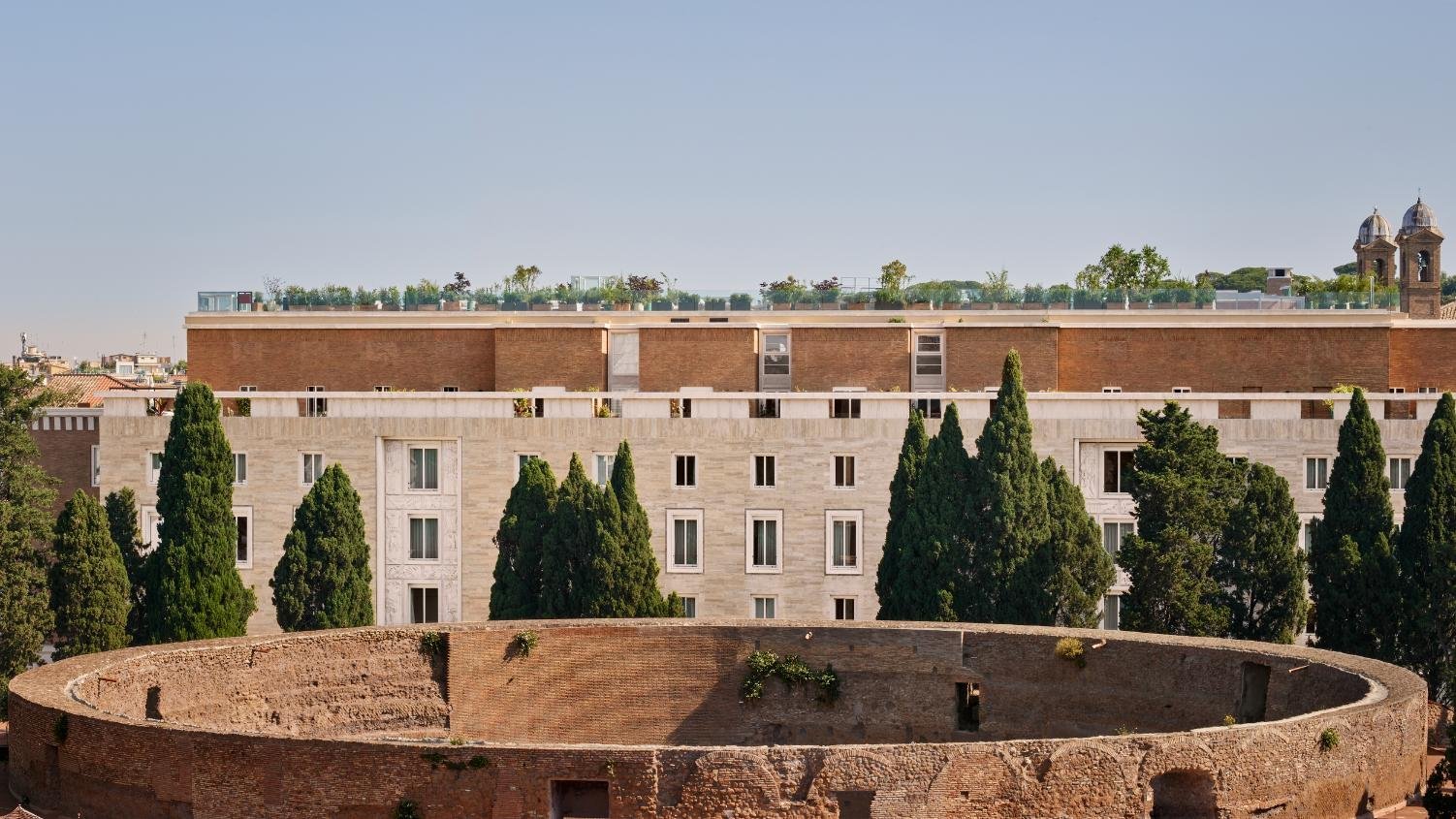
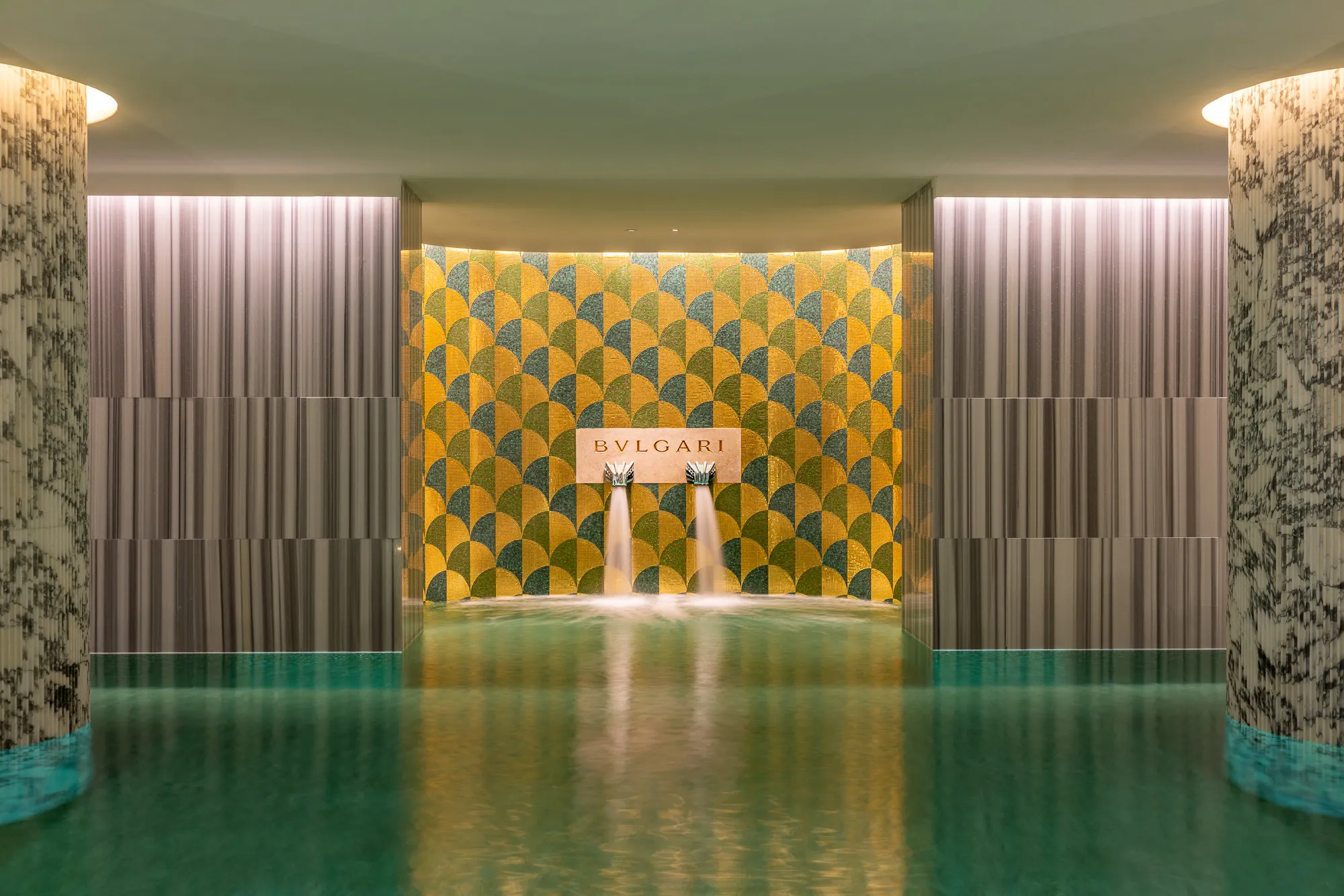
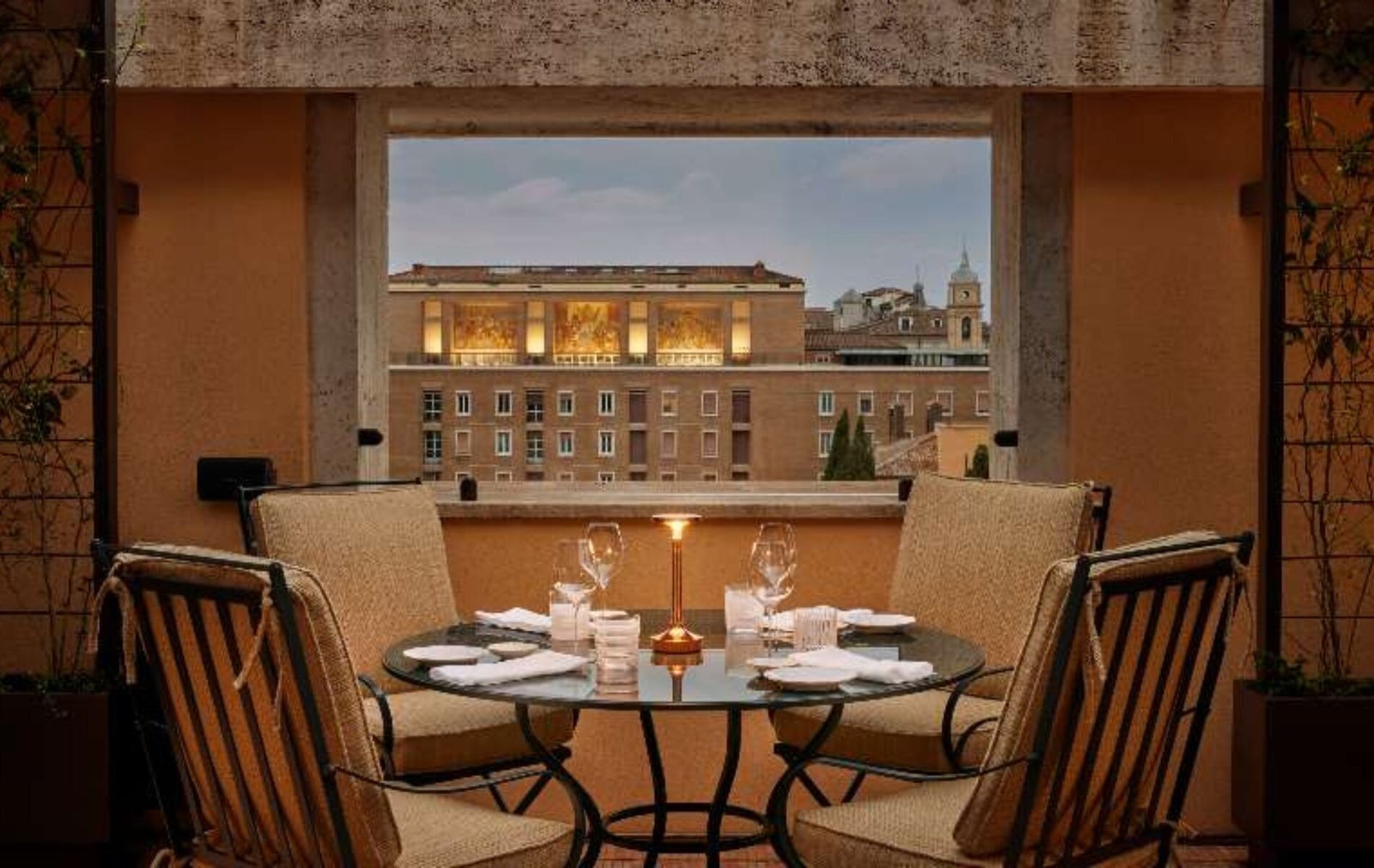
In the years that followed, Bulgari kept investing in the city that gave it its name. It funded the restoration of the Spanish Steps and supported work on the mosaics of the Baths of Caracalla. In Valenza, in Piedmont, it opened in 2017 what is described as the largest single-brand jewellery manufacture in the world, now home to some 1,100 artisans and a school devoted to the craft. In Rome it opened its own hotel, facing the Mausoleum of Augustus.
Paolo married twice. With Alice Valli he had Irene, Alessia, Gaia and Giovanni. With Maite Carpio, from Madrid, Carlotta and Marina. Six children, and a family that always preferred the shade of Roman columns to the glare of the red carpet.
With Giovanni he gave his later years to another form of patience: wine. In Tuscany, at San Casciano dei Bagni, father and son built Podernuovo a Palazzone, some 30 hectares (74 acres) of vineyards with a winery designed by the architect Massimo Alvisi. Anyone who knows the rhythm of a vineyard will understand why it suited him. Nothing there is hurried.
In 2019, with his wife, he created the Fondazione Paolo Bulgari for children and young people on the eastern edge of Rome, above all in Tor Bella Monaca, one of the city’s most vulnerable districts. It fights educational poverty by supporting schools and training. It may have been the most Roman gesture of all: giving back to the city a little of what it had given him.
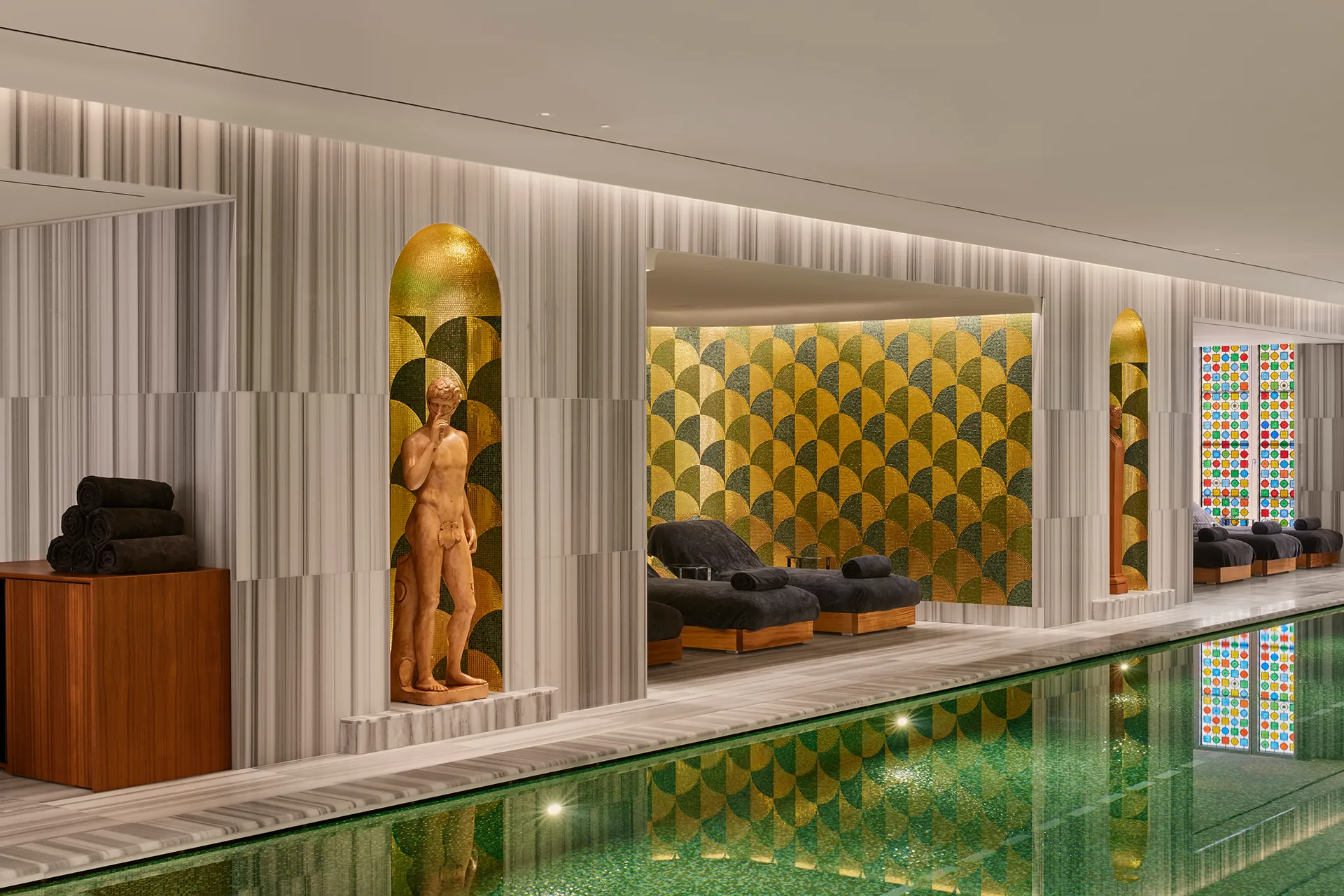
A style remains. That is rarely said of a businessman, and more rarely of someone who shared authorship with a brother, a father and a grandfather. Yet look into any high jewellery window today, in Paris, New York or Dubai, and the chromatic daring Bulgari championed in the 1970s and 1980s has become common language. What once looked like heresy became canon.
A school remains too. Lucia Silvestri, the biology student who handled stones without fear, now designs the house’s collections by the rules she learned at that desk. And an idea of origin remains. Paolo’s Bulgari never hid where it came from. It made Rome its argument: the columns, the domes, the mosaics, the serpents, the colour of travertine at the end of the afternoon. In an industry that so often sells placelessness, he sold exactly the opposite.
The funeral will be held on Monday, 23 November, at 11am, at the Basilica of Santa Croce in Gerusalemme in Rome.
· · ·
Somewhere above Via Condotti there is a desk where stones still arrive wrapped in white paper. Someone pours the coffee. Someone closes their eyes and holds a gem in the palm of their hand, waiting for it to say something. The ritual outlives the man who invented it. That is how you recognise a master.
Gabriel Silveirado for WAYFARER Edition.
Further reading: Bulgari Serpenti Aeterna: reducing the serpent to its line · Bvlgari Hotel Roma: the work before the opening photograph
CONTINUE READING
Culture / Reportage
From Ursula Andress to Ana de Armas, fourteen women who changed what James Bond meant, as Robert Pattinson is named the seventh 007.

Culture / Reportage
As Grand Theft Auto VI arrives on 19 November, Vice City revives a Miami built less by architects than by Miami Vice and Scarface: pastel, neon and danger in equal measure.
Culture / Reportage
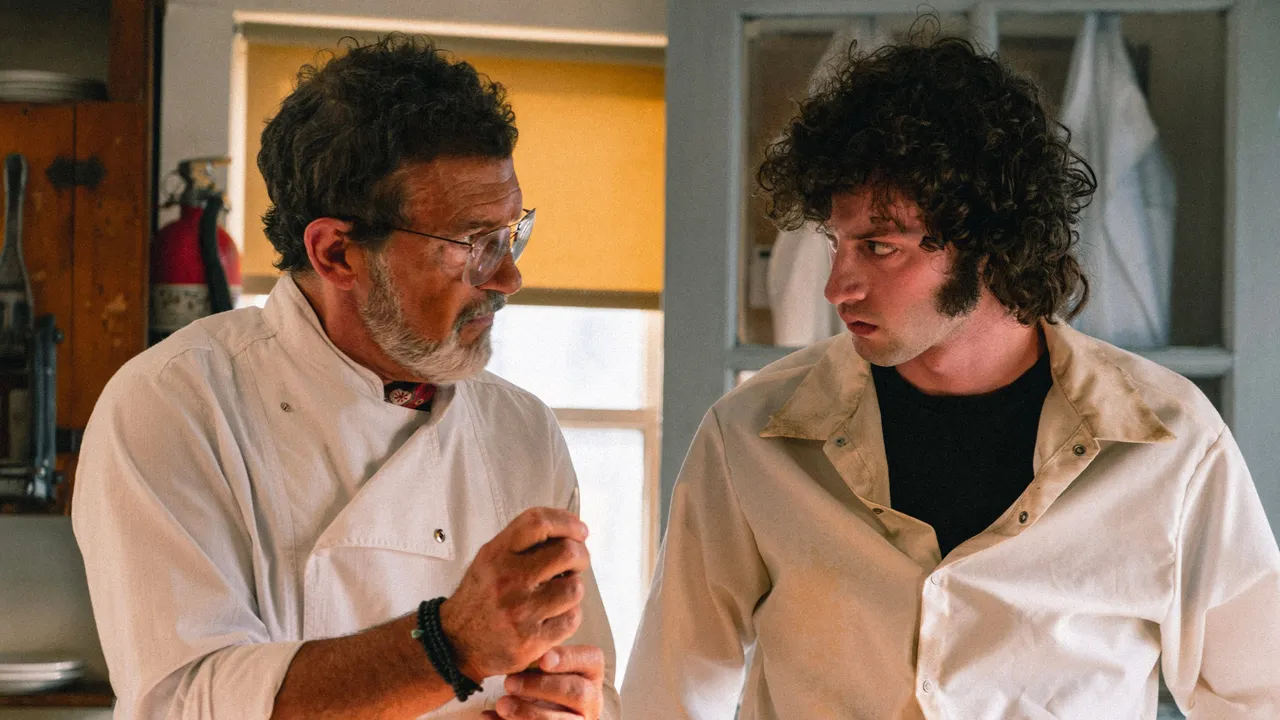
Food stylist Christine Tobin explains the Cape Cod cooking behind Tony, from squid stew to a communal clambake.
Culture / Reportage
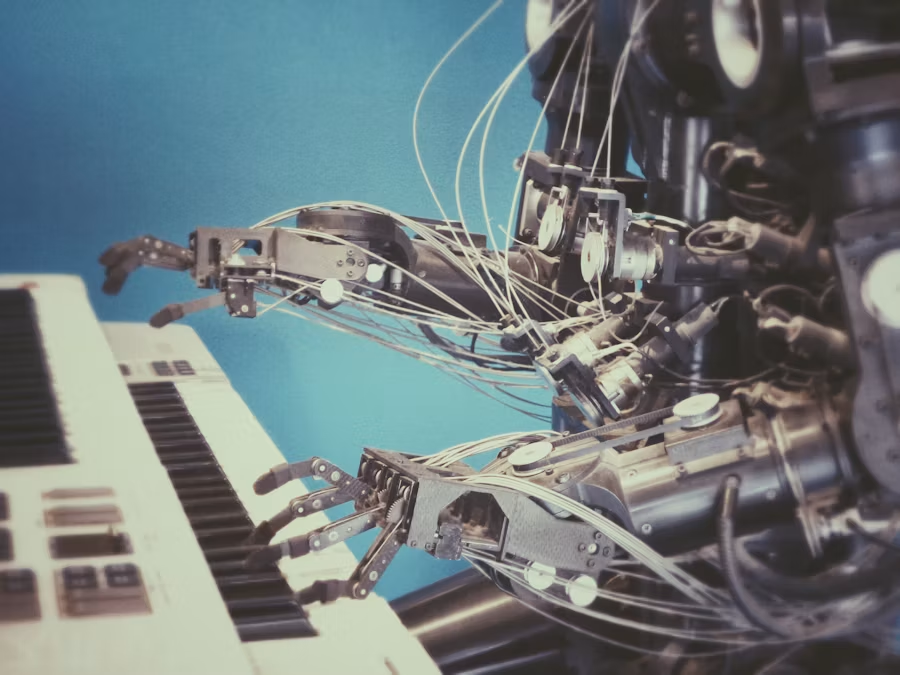
For the first time, a technology is not merely enriching an elite but designing one. Artificial intelligence is deciding who rises, how they live and what they want.
Culture / Reportage
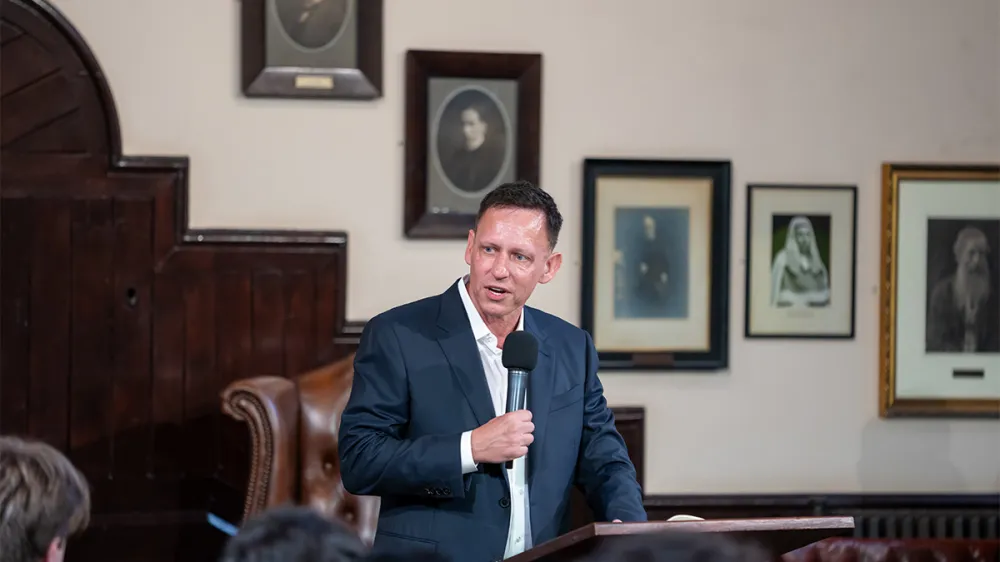
A one-time 5% levy on fortunes above $1 billion has sent several of the state's richest residents elsewhere. On 3 November, Proposition 40 meets the ballot box, and two rival measures designed to cancel it.
Culture / Reportage
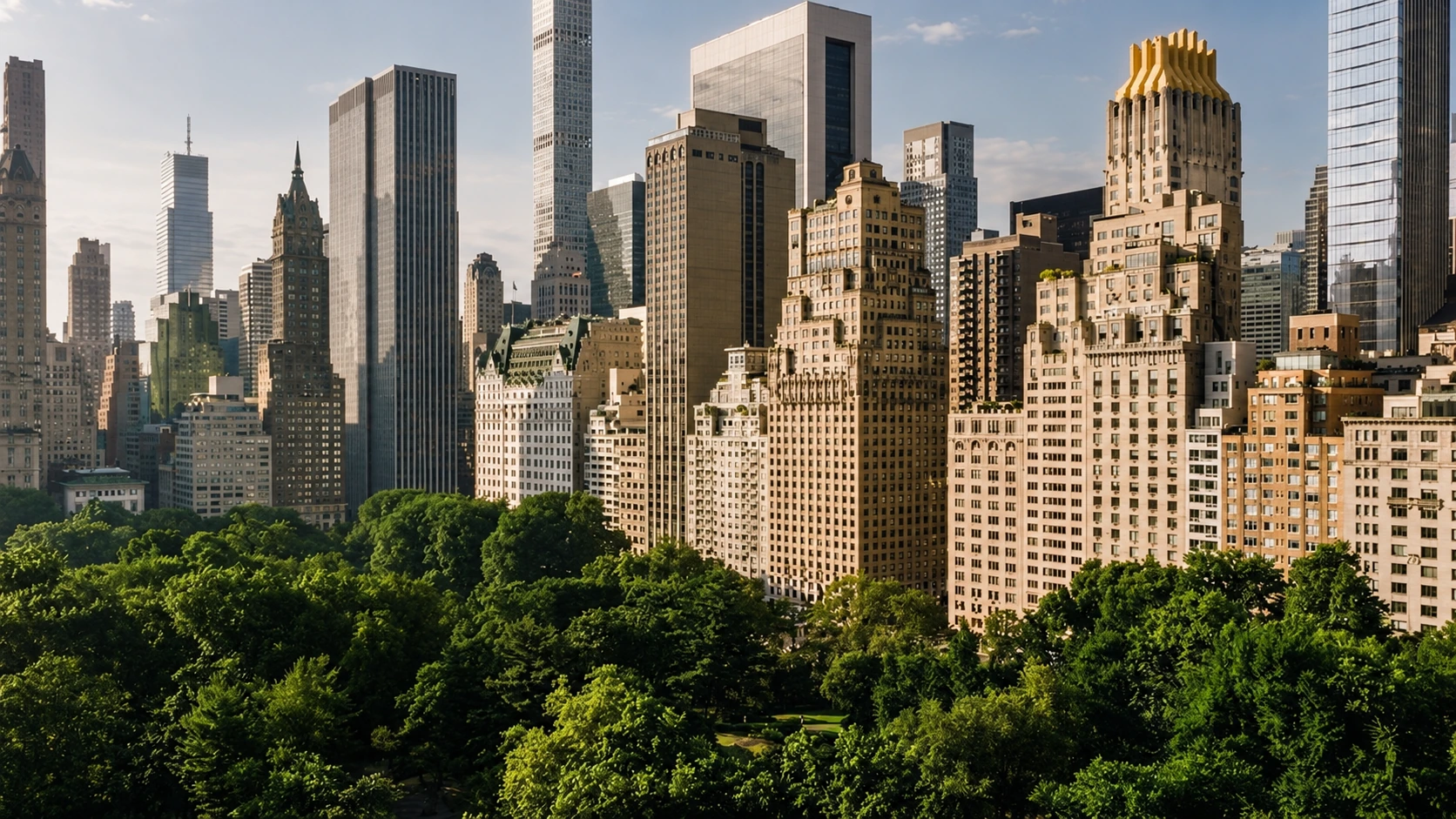
Two performers bring an intimate musical programme to the hotel’s Central Park address.
THE CURATED GLOBE / FROM THE EDITORS
A considered selection of people, places and ideas from WAYFARER Edition, delivered to your inbox.
Free. No data sharing. Unsubscribe in one click.