Sophia Loren: a Roman suite as a personal portrait
At Anantara Palazzo Naiadi, books, photographs and familiar rituals give a room dedicated to Sophia Loren a more intimate vocabulary than a conventional celebrity tribute.
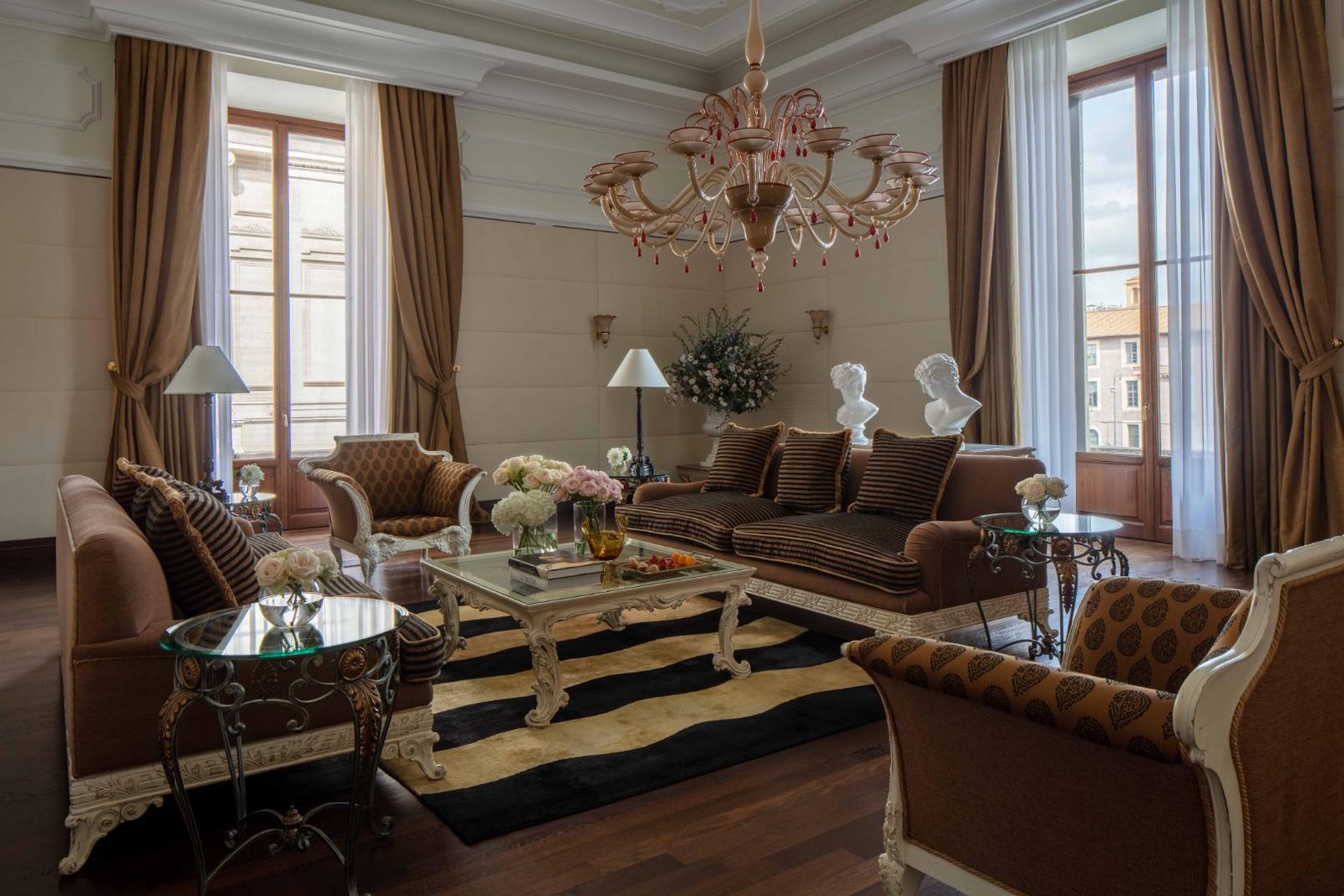
A suite dedicated to an actor can easily become a gallery of publicity photographs. At Anantara Palazzo Naiadi in Rome, the Sophia Loren project takes another route. Books, family pictures, music and everyday preferences are used to suggest a person rather than simply reproduce an image.
The suite’s introduction in 2024 coincided with Loren’s ninetieth birthday. Developed with her son Edoardo Ponti, the project drew on memories of Pozzuoli and her relationship with the Roman hotel. Those connections give the objects a reason to be present beyond their recognisability.
Biography through small decisions
White roses, a beauty corner and a private cinema formed part of the original description. The cinema acknowledges the public career; the flowers and dressing space work at a more domestic scale. A playlist introduces taste through something that occupies time, rather than another image on a wall.
Family photographs and books complicate the familiar screen portrait. Their purpose is not to turn a guest into the subject of the room. They establish another person’s interests while leaving space for the visitor’s own routines.
The most revealing details are often the smallest. Coffee accompanied by two savoiardi, described in the 2024 account, makes a preference tangible. It does not require a monumental display or a catalogue of films to communicate a habit.
Food as part of the portrait
Loren’s cookbooks, including Recipes and Memories and In the Kitchen with Love, supplied another connection between public work and private life. The hotel project included meals inspired by those recipes. That historical detail is not a guarantee of a fixed menu today.
A cookbook carries instructions as well as memory. In a room concerned with biography, it offers a different kind of encounter from a publicity photograph: something that can be read for pleasure or used to make a meal. The difference helps the suite avoid a single, cinematic register.
A Roman address, not a portable set
Views towards Piazza della Repubblica and the Fountain of the Naiads return attention to the city. They keep the tribute within an actual Roman address rather than an interior that could be reproduced anywhere.
The hotel occupies a crescent-shaped palazzo with nineteenth-century marble architecture. Its setting adds another scale to the stay: beyond the personal objects inside the suite are a square, a fountain and the movement of the city.
The current suite specification lists 186 square metres, a king-size bed and capacity for two adults and one child. Living and dining areas and a kitchenette make the distinction between a suite and a bedroom practical, not merely a matter of decorative detail.
Pozzuoli in a Roman room
The suite’s references to Pozzuoli place Loren’s childhood beside her later relationship with Rome. A city of origin and a city of work need not be collapsed into one biography. Their coexistence gives the room a personal geography beyond the collection of film images.
The cookbooks make that geography practical. A recipe can carry an association with home without relying on a portrait of its author. In the suite, food, music and reading supply different ways to encounter a public life through private preferences.
The suite’s strongest idea remains a design question: how can hospitality communicate a public figure through the objects and routines of private life? Here, the answer is less about the scale of fame than the scale of a room.
Four Seasons, Aman, Maybourne, Belmond and Mandarin Oriental now sell the journey as part of the stay, from helicopter transfers into London to 23-day circumnavigations at $238,000 a head. Who flies, why, and what is really being bought.
Airlifted by helicopter to the summits, monumental bronzes by Coderch & Malavia turn Courchevel's slopes into an open-air gallery, with Arman back in 1850.
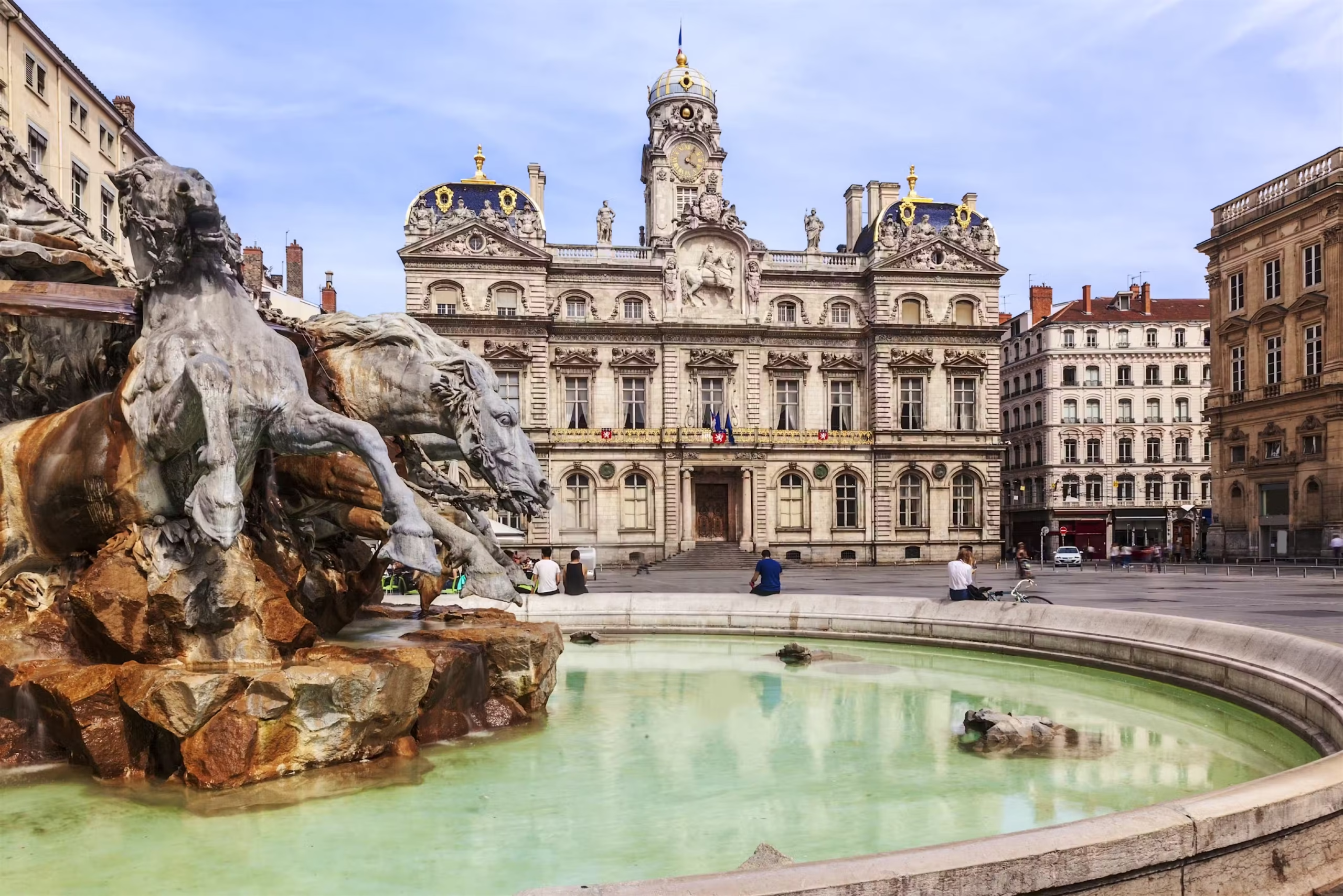
Founded by the Romans as Lugdunum, Lyon is best understood from the water up: the Saône and the Rhône, the hill of Fourvière, the traboules of the old town and the tables that made its name.
Lyon
THE CURATED GLOBE / FROM THE EDITORS
Good stories. Better company.
A considered selection of people, places and ideas from WAYFARER Edition, delivered to your inbox.
Welcome aboard. Your first letter is on its way.
We could not complete your subscription. Please check your email and try again.