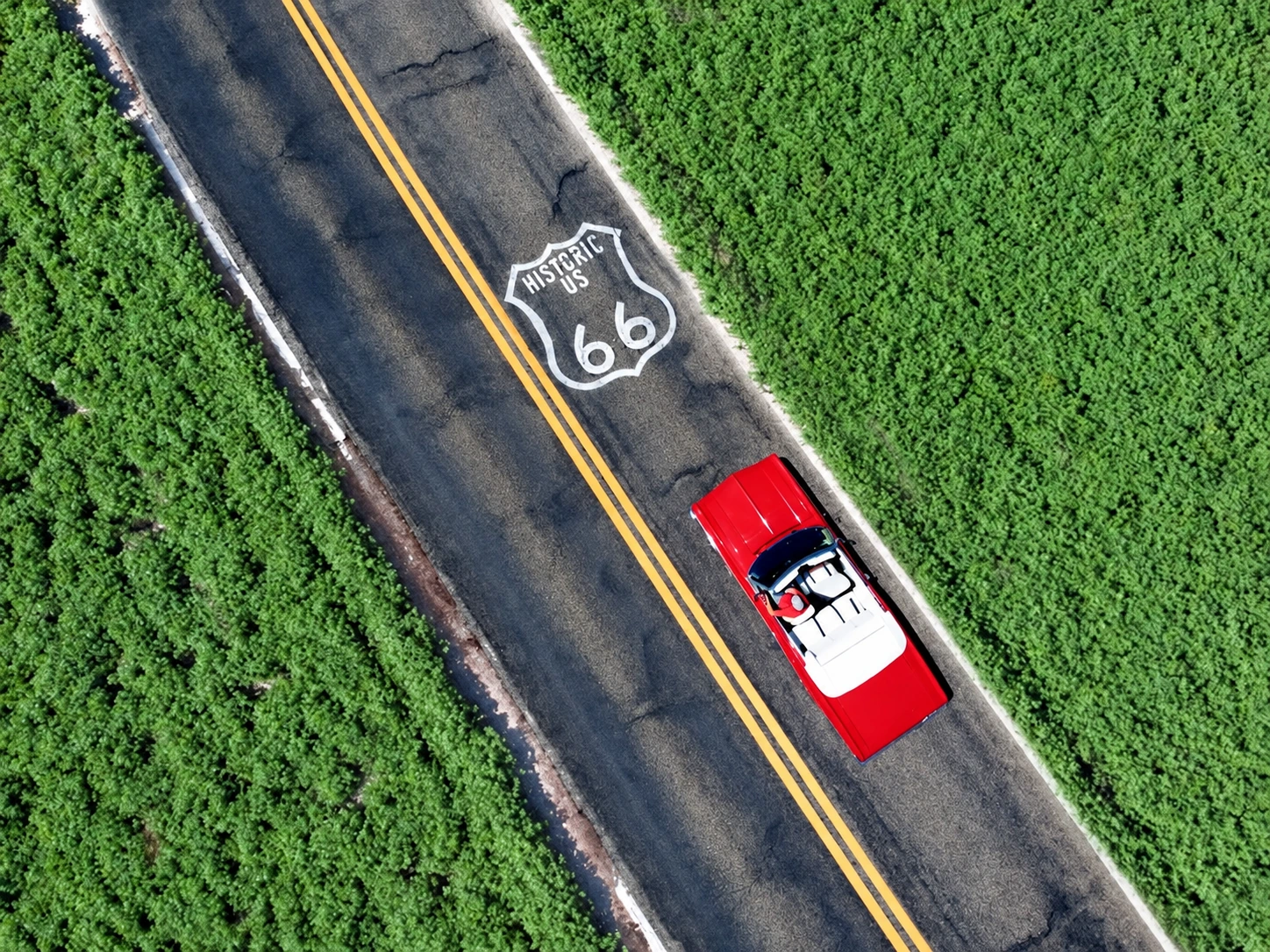
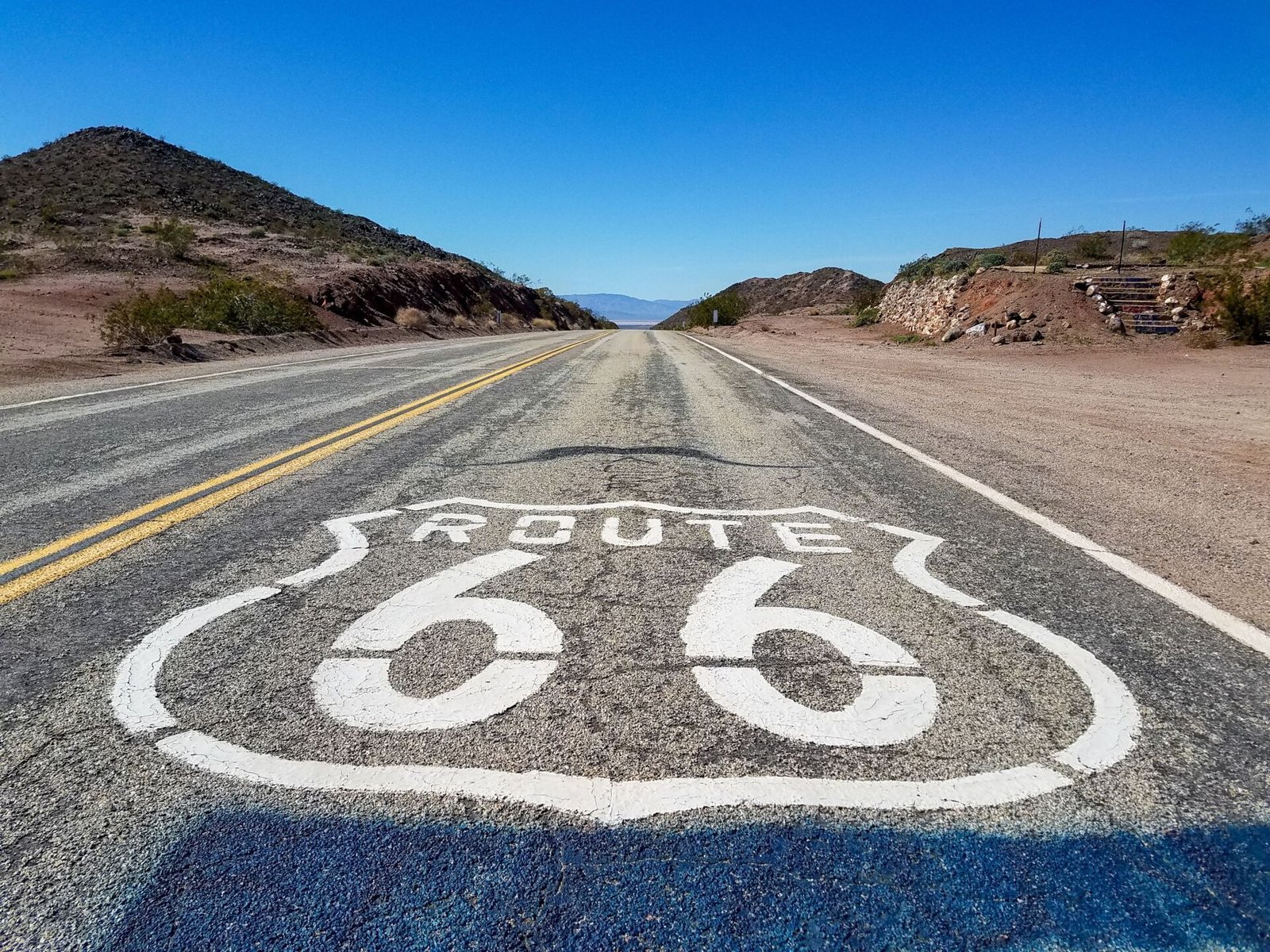
Route 66 reaches its centenary in 2026. Established in 1926, the historic route links a powerful American road image with a less straightforward present-day journey: surviving stretches, changed alignments and modern roads do not form one uninterrupted original highway.
Its hotels make that layered history tangible. This circuit restores eight distinct addresses, including two deliberate detours. They are not interchangeable beds beside the same strip of asphalt.
Chicago and St Louis
Chicago Athletic Association occupies an 1893 club building. Venetian architectural references, stained glass and mosaic belong to its earlier life, while the rooftop places contemporary Chicago and Millennium Park within view. It is an urban beginning, not a roadside motel.
In St Louis, 21c inhabits a former YMCA. A basketball court and suspended running track carry the building’s previous purpose into a hotel shaped by contemporary art. The stop turns civic and sporting architecture into part of the overnight experience.
Oklahoma and New Mexico
Bradford House in Oklahoma City starts with an early-twentieth-century house rather than a purpose-built roadside property. Its domestic scale offers a different register after the larger city buildings.
Los Poblanos, in Albuquerque, combines hospitality with a working landscape of lavender, gardens and agricultural activity. Architecture is only part of the stay; the productive ground around it matters just as much.
Santa Fe is a worthwhile diversion from later Route 66 alignments. El Rey Court retains the motor-court idea, with rooms arranged around outdoor space and a bar focused on tequila and mezcal. The stop is a detour to make consciously, not a claim that every historical alignment passes its door.
Flagstaff, the canyon and the coast
Americana Motor Hotel in Flagstaff uses the visual language of the retro motor lodge. The city’s relationship with astronomy gives the overnight stop another reason to look beyond the road.
Under Canvas Grand Canyon takes the circuit away from the highway and into tented accommodation. It is a canyon excursion, not an original Route 66 landmark. Allowing time for that separation makes the visit more useful than treating the Grand Canyon as a passing roadside attraction.
The Georgian in Santa Monica closes the sequence with its turquoise façade and Art Deco identity. The ocean changes the journey’s final atmosphere, but the building supplies a more particular conclusion than a photograph beside an end-of-trail sign.
Eight stops reveal eight different relationships with the American journey: club, civic building, house, farm, motor court, revived motel, camp and coastal hotel. The route becomes richer when the accommodation contributes a story of its own.
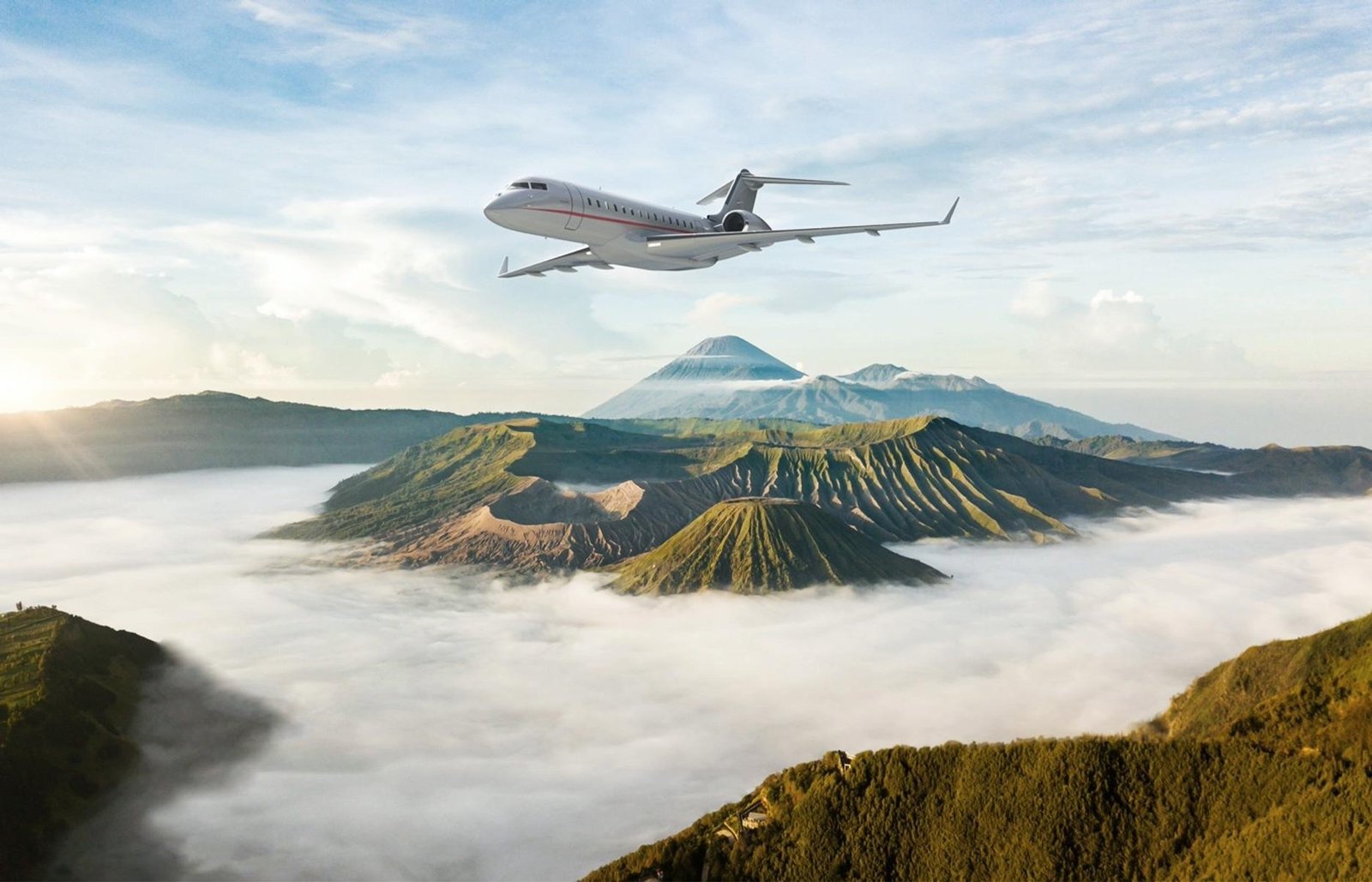
Four Seasons, Aman, Maybourne, Belmond and Mandarin Oriental now sell the journey as part of the stay, from helicopter transfers into London to 23-day circumnavigations at $238,000 a head. Who flies, why, and what is really being bought.
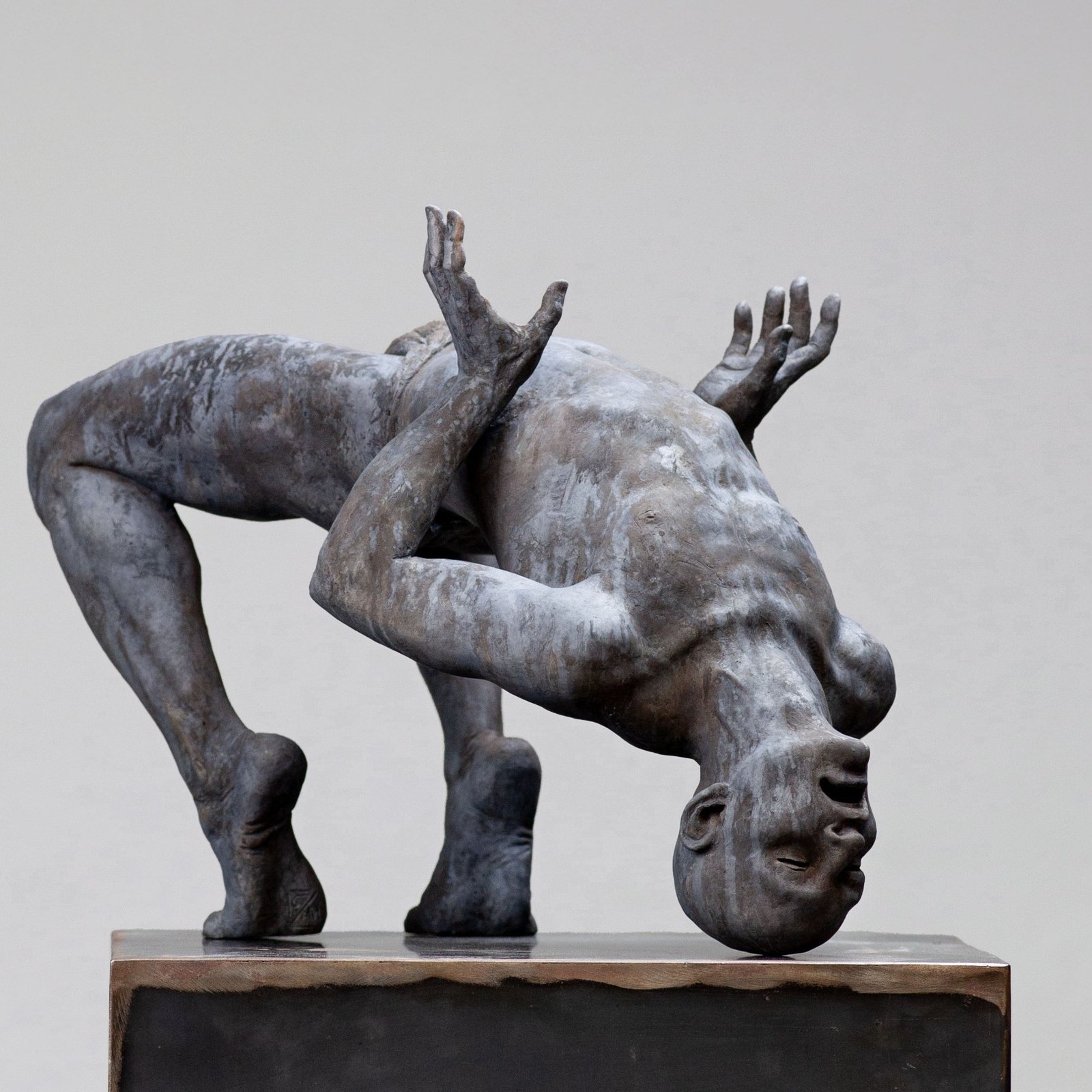
Airlifted by helicopter to the summits, monumental bronzes by Coderch & Malavia turn Courchevel's slopes into an open-air gallery, with Arman back in 1850.
Created on 11 November 1926, Route 66 turns a hundred. Almost 4,000 kilometres and eight states between Chicago and Santa Monica Pier: the route, the icons of each stretch and the detours worth the wheel.
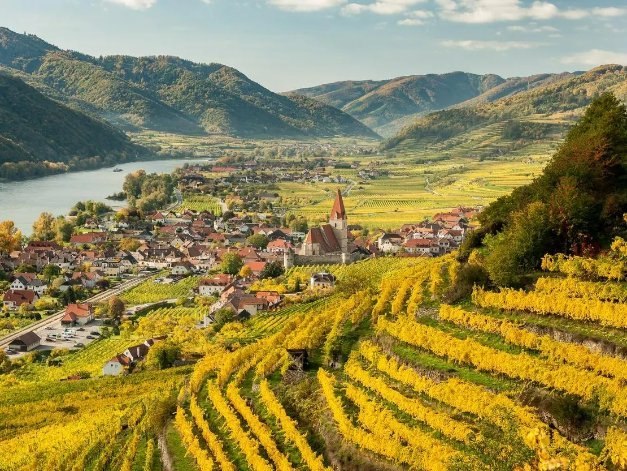
From the three rivers of Passau to the thermal baths of Budapest, by way of Linz, the Wachau, Vienna and Bratislava: Central Europe read slowly, one bend of the Danube at a time.