The new club: tennis, padel and pickleball as the court culture of the moment
From Paris to Madrid and Miami, the conversation that once happened on the green has moved to the court, taking the wardrobe, the sponsors and the property market with it.
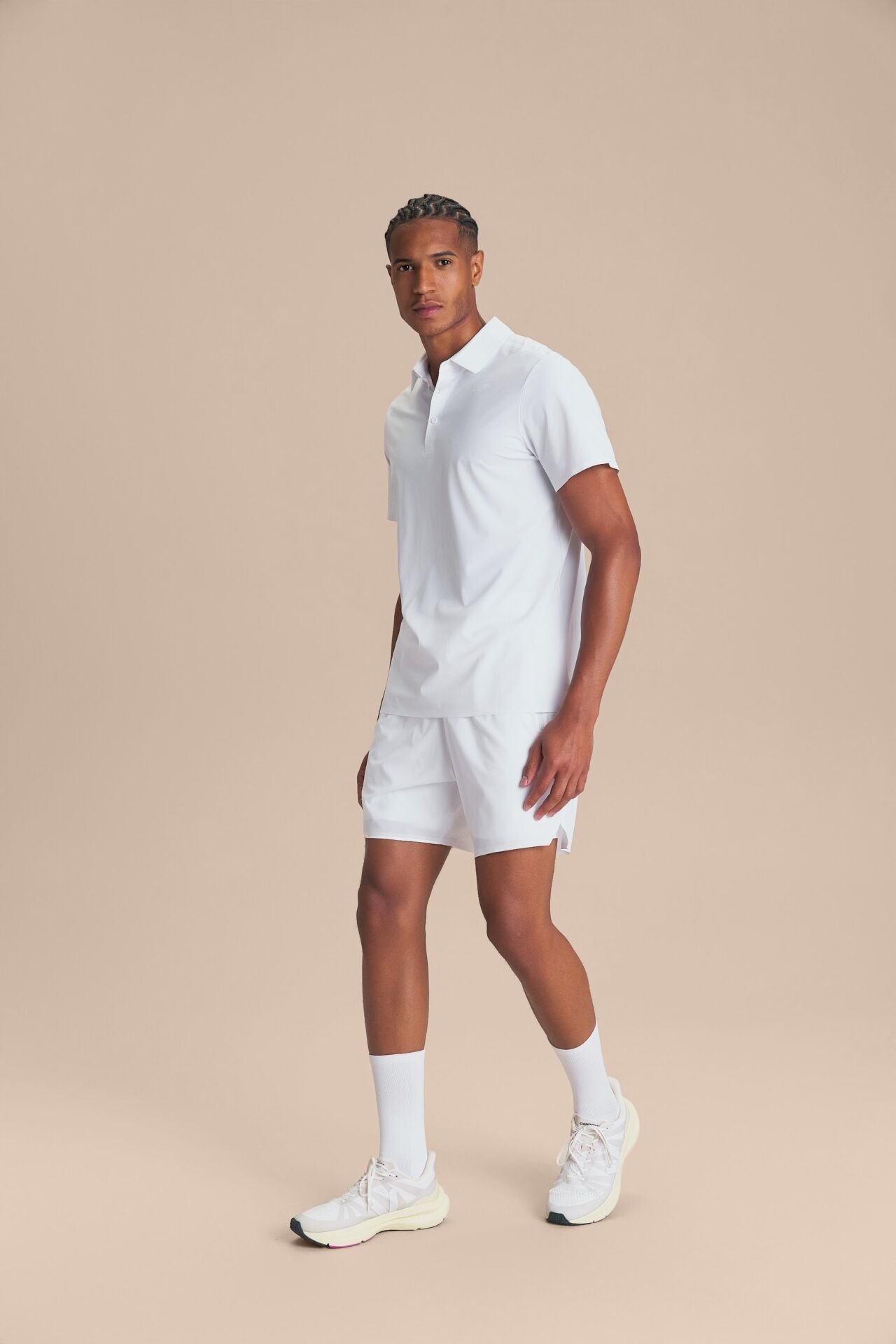
Court whites, the club's oldest code, in a contemporary cut. Image: LIVE! / WAYFARER Edition | Images: LIVE!; Golden Goose
STYLE
The new club has no fireplace and no cigar room. It has a net, glass walls, clay and a waiting list. In Paris, Madrid, London and Miami, the conversation that used to happen on the green has moved to the court, and it has taken the wardrobe, the sponsorships and the property market along with it.
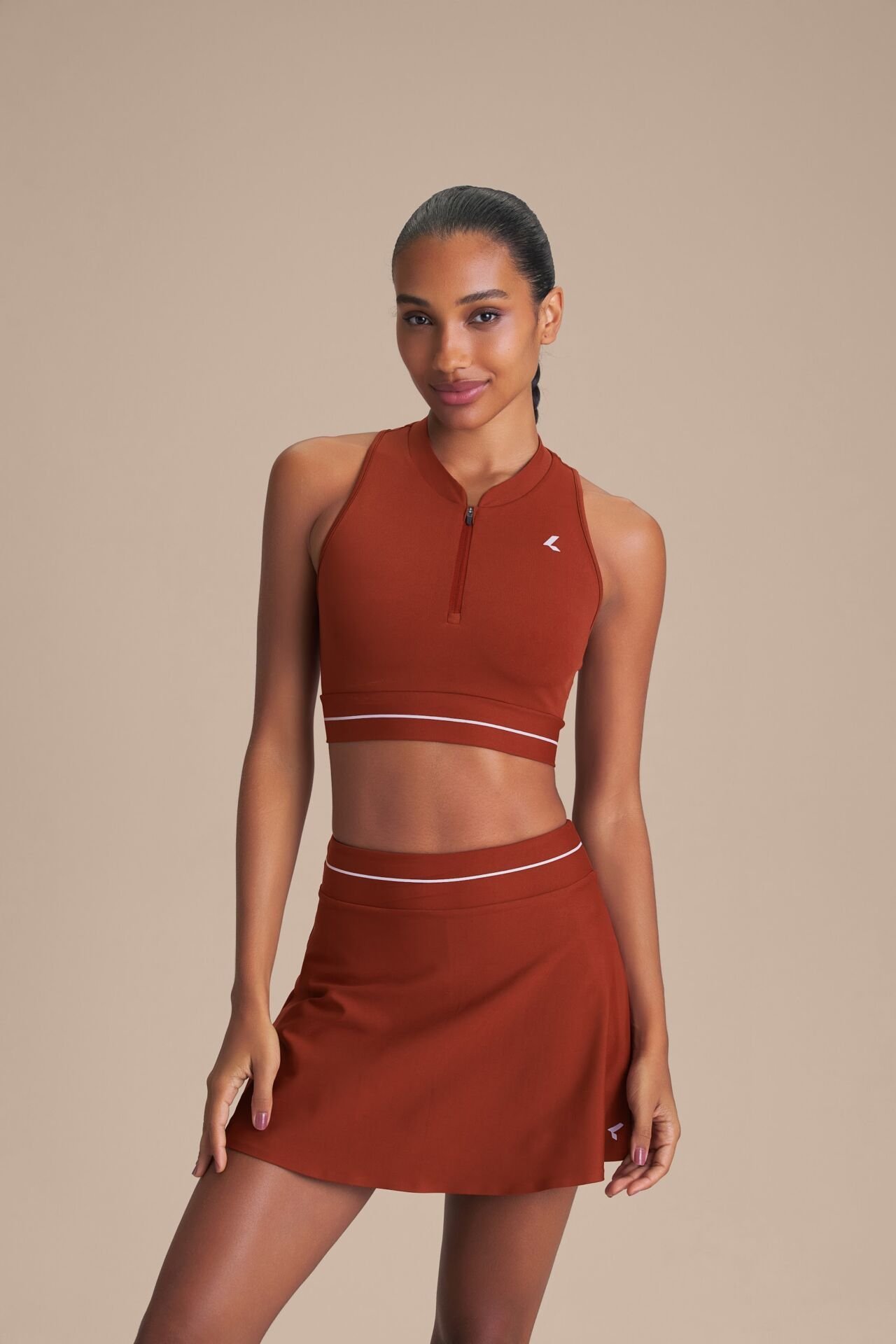
Court whites, the club’s oldest code, in a contemporary cut. Image: LIVE!
Tennis: a new generation of faces
Every wave needs a face, and tennis currently has several. Jannik Sinner and Carlos Alcaraz have brought a generational rivalry back to the centre courts, and the fashion houses have followed: Sinner is a face of Gucci, Alcaraz is close to Louis Vuitton, Roger Federer built a second career with On, and Rolex remains a constant at the tournaments that matter. Off the scoreboard, the signs are just as clear: crowded clubs, waiting lists for courts and residential developments that add a court as a selling point.
Padel: a jet-set game that went global
Padel was born in Acapulco in 1969, when Enrique Corcuera, lacking the space for a full tennis court at his house, built a smaller one enclosed by walls. His guests tried it, and one of them, Prince Alfonso of Hohenlohe-Langenburg, took the idea home: in 1974 he built the first two courts in Spain at the Marbella Club Hotel. For years the game remained what it was there, a pastime of the Costa del Sol set, before spreading to Argentina, the rest of Spain and, eventually, everywhere.
The International Padel Federation’s report published on 14 October 2026 counts more than 40 million active players and over 91,200 courts worldwide. The 2025 report had put participation above 35 million; its 42 per cent increase referred to registered federation players, not to all participants. Keeping those measures distinct matters when describing the sport’s growth.
On 6 May 2026, Audemars Piguet announced its partnership as Official Timekeeper of the Qatar Airways Premier Padel Tour and a relationship with Agustín Tapia. The agreement places watchmaking alongside a sport whose club culture extends beyond the match.
Court culture also travels through clothing and sponsorship. The practical question for a club remains space: a court has to accommodate play, circulation and the places where people stay after the match.
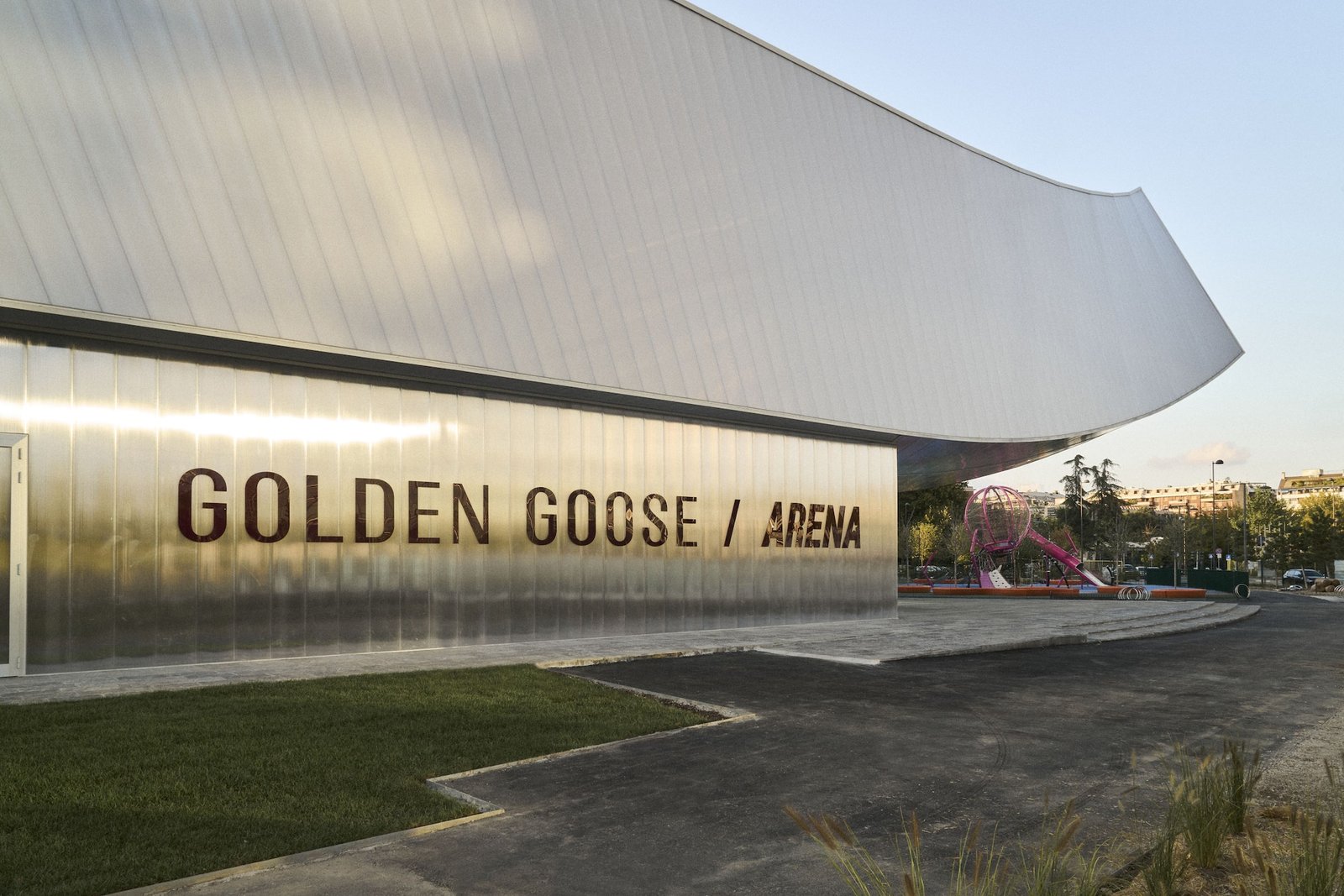
Golden Goose’s Arena in Milan’s CityLife district brings padel together with a store, hospitality and spaces to gather. The project gives the company’s sporting wardrobe a setting in which it can be worn and used.
For Milan Design Week in April 2026, artist Sofia Elias transformed the Arena’s outdoor courts with reflective, partly transparent surfaces and a sound installation. The intervention made the court a place to experience design as well as sport.
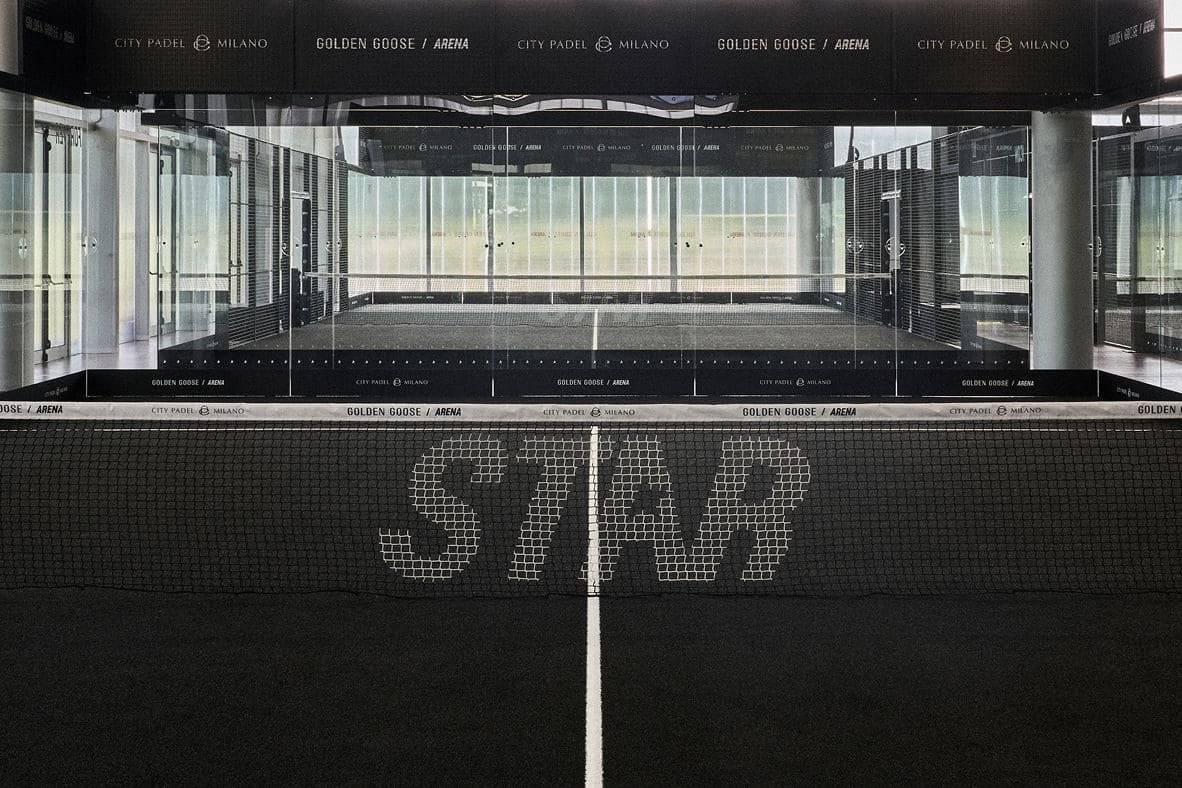
Glass, black walls and a net: the new architecture of the club. Image: Golden Goose
The houses take the court
Milan: the club as architecture
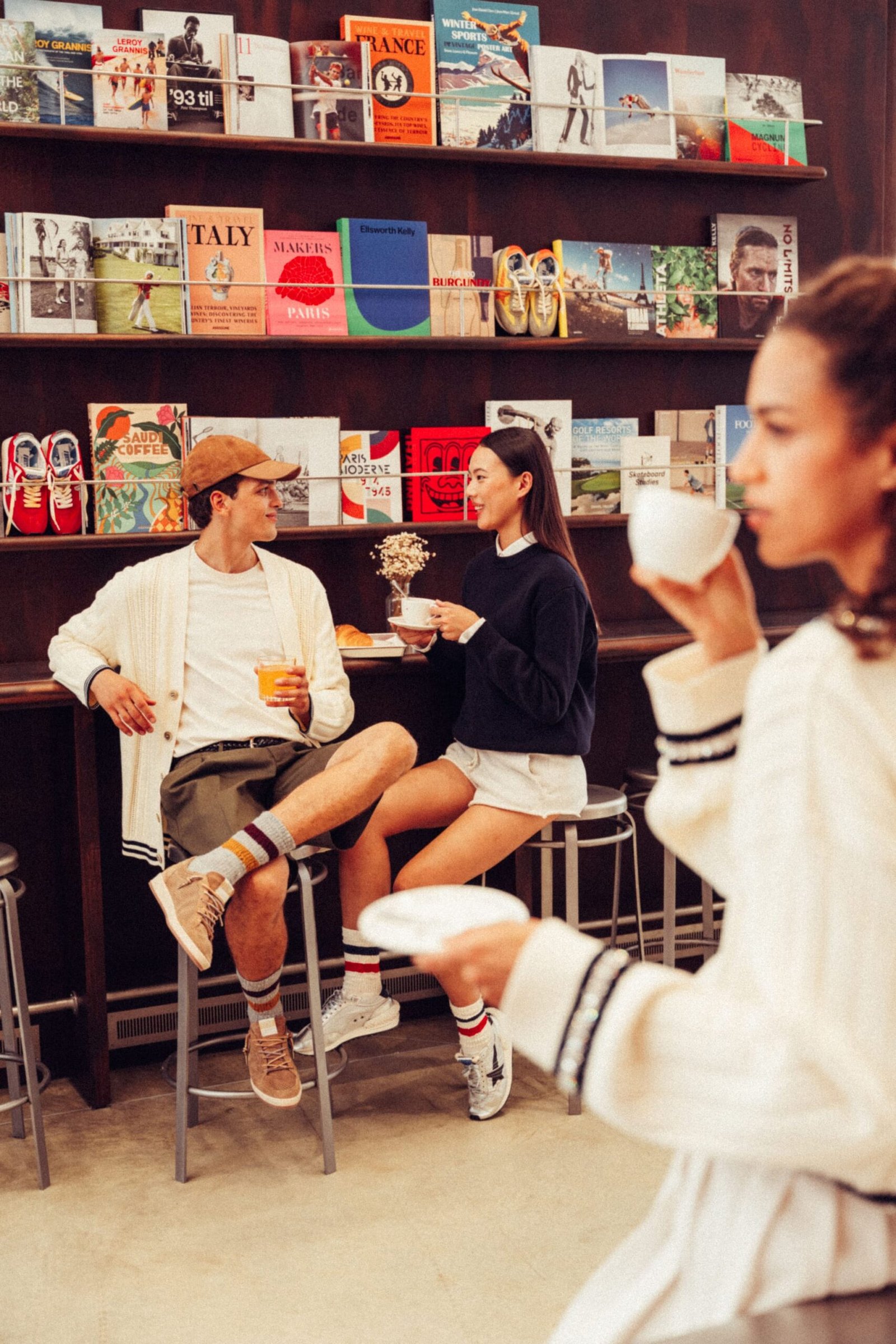
The Golden Goose Arena, by Fabio Novembre, in CityLife. Image: Golden GooseAfter the match, the conversation. Image: Golden Goose
Pickleball: the newcomer at the club
The youngest of the three is easy to learn in an afternoon, played in pairs and conducive to conversation throughout. In the United States, where it became a phenomenon, its professional league has drawn team owners including LeBron James, Tom Brady, Patrick Mahomes, Eva Longoria and Heidi Klum. Private clubs that once offered only tennis and golf now paint pickleball lines on their courts.
The court wardrobe
Where there is a club, there is a dress code. Tenniscore has moved from court to runway: Miu Miu and Prada put tennis back at the centre of fashion, Lacoste and Ralph Lauren have lived off club codes for decades, and the materials and proportions of Loro Piana, Brunello Cucinelli and Zegna speak the same quiet language. Challengers did the rest, carrying the aesthetic of the court from the cinema to the street.
Rust in place of white: the court palette has found colour. Image: LIVE!
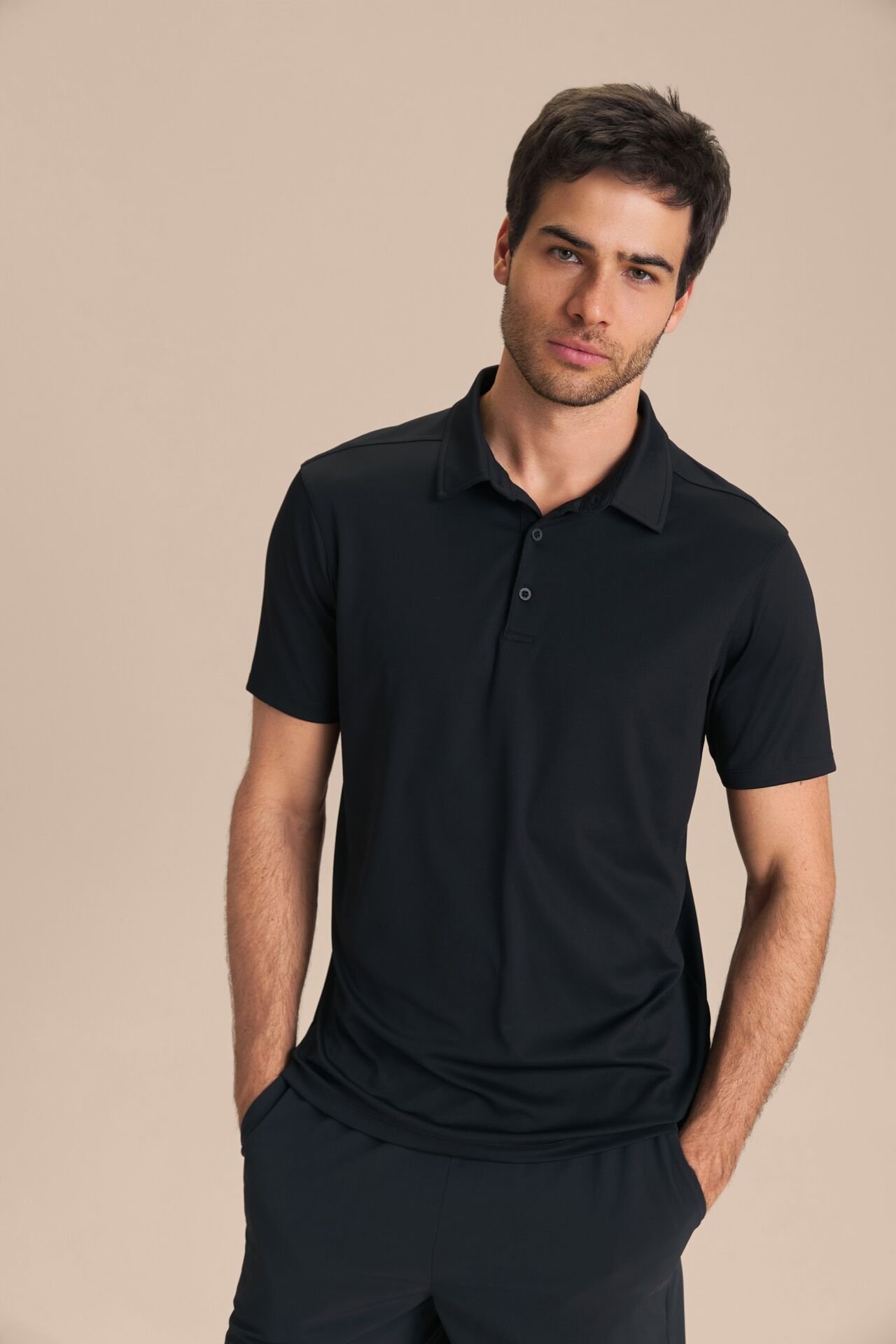
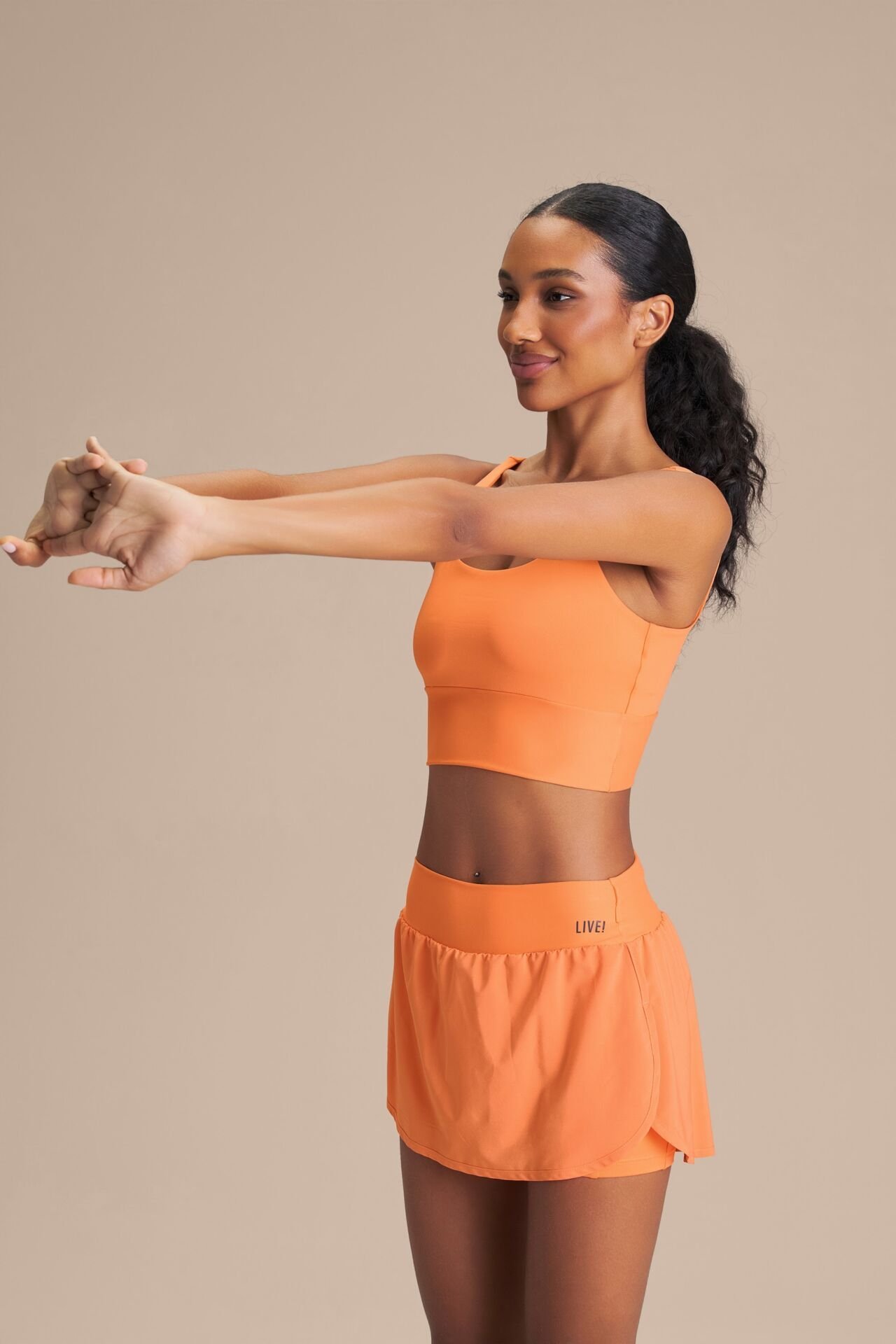
The new court wardrobe is built for the match and for what comes after it: pleated and balloon skirts, layered tulle, polos that move from the baseline to dinner, and a palette that adds wine, lavender, rust and green to the traditional white, black and navy.
The black polo, from court to dinner. Image: LIVE!
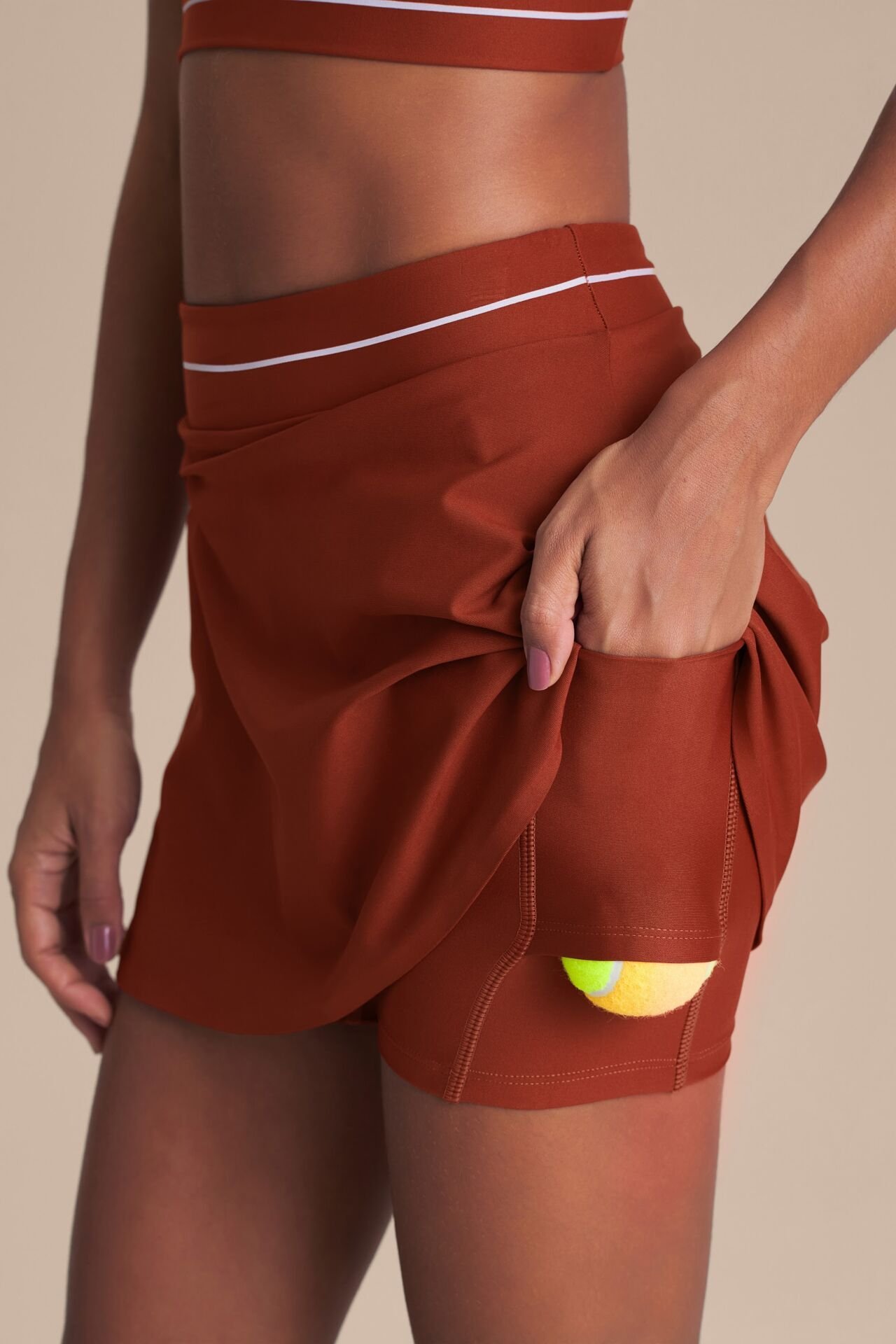
The detail that reveals a serious piece is the pocket: discreet, on the side of the skirt, exactly the size of a ball. Elegance on court also means keeping your hands free.
The ball pocket, the detail that gives a serious piece away. Image: LIVE!Orange for the baseline, and for the terrace after. Image: LIVE!
The club has changed its shape, not its purpose. It is still where the people who matter meet, where voices drop between points and where clothes say where you come from. The difference is that now you also need to return a ball.
Valentino Garavani died at home in Rome in January 2026, at 93. From his Paris apprenticeship and the red that bears his name to the Florence show that made him and the foundation he built with Giancarlo Giammetti.
The Metropolitan Museum of Art and John Galliano have jointly cancelled Horizons, the Costume Institute retrospective due to open with the 2027 Met Gala, after a backlash over the designer's past antisemitic remarks.
Chanel has never launched a men's line, and says it has no plans to. From Gabrielle Chanel and Karl Lagerfeld to Harry Styles, Pedro Pascal and Jacob Elordi, the house has built a menswear of suggestion instead.