Culture / Reportage
Peter Simon: the collector’s eye moves from cloth to canvas
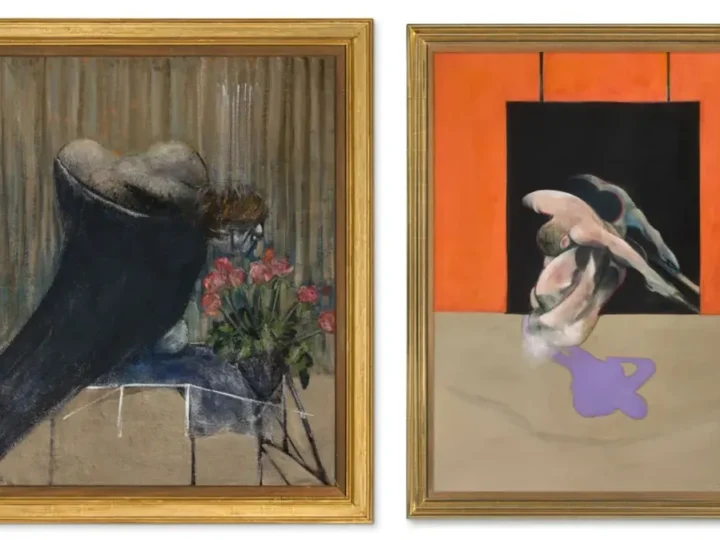
The Monsoon founder’s collection reaches Christie’s during Frieze Week, offering a study in colour, composition and the formation of taste.

THE CURATED EDITION.
Interview / Los Angeles
An Irish photojournalist turned fashion photographer, he paints with saturated colour, irony and the memory of stained glass.
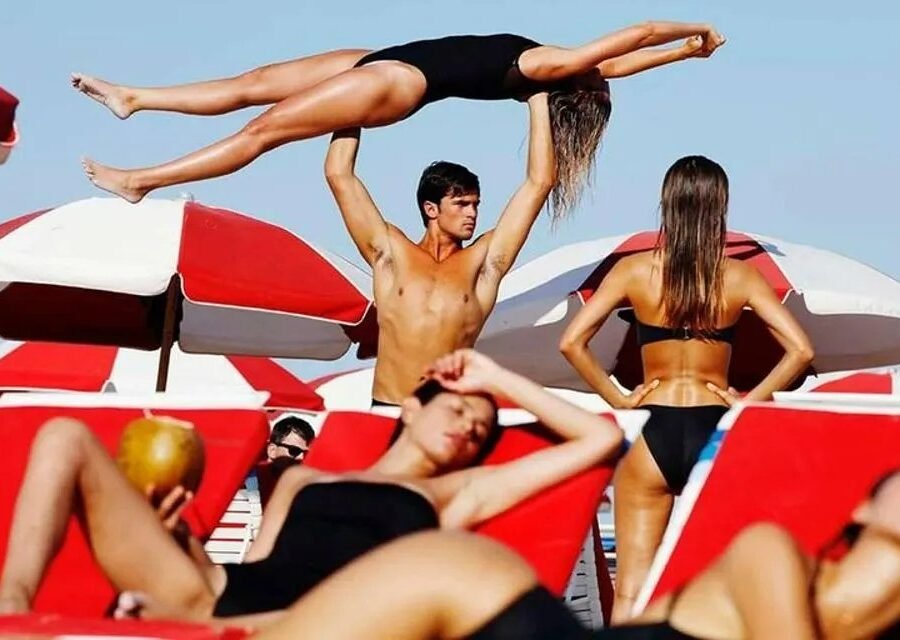
Born in Ireland and now based in Los Angeles, Tony Kelly has built an unconventional career in contemporary photography by turning a photojournalist’s training into a visual language of excess, irony and absolute glamour. He began as a news photographer while still a teenager, an experience that shaped not only his technical speed but above all his ability to tell stories through an image. The turning point came during a stay in Barcelona, when direct contact with fashion photography set off a creative awakening. There Kelly understood that his narrative eye could take on new contours in a more performative, aesthetic and conceptual universe.
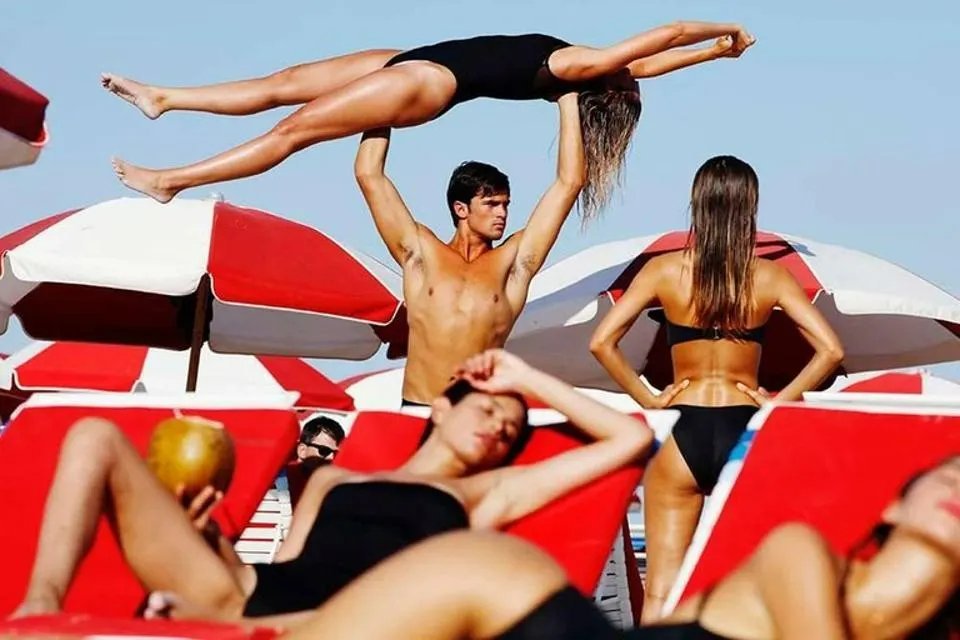
That decision led him to leave a secure job at a national newspaper and start again from zero as a fashion assistant, a move that consolidated his artistic identity. From then on he rejected the traditional codes of studio and classical fashion photography in favour of an authorial path that mixes storytelling, theatricality and a sharp sense of humour. His pictures do not simply exalt beauty or refinement. They build almost cinematic scenes in which characters, objects and settings talk to each other with conscious exaggeration and an openly provocative aesthetic.
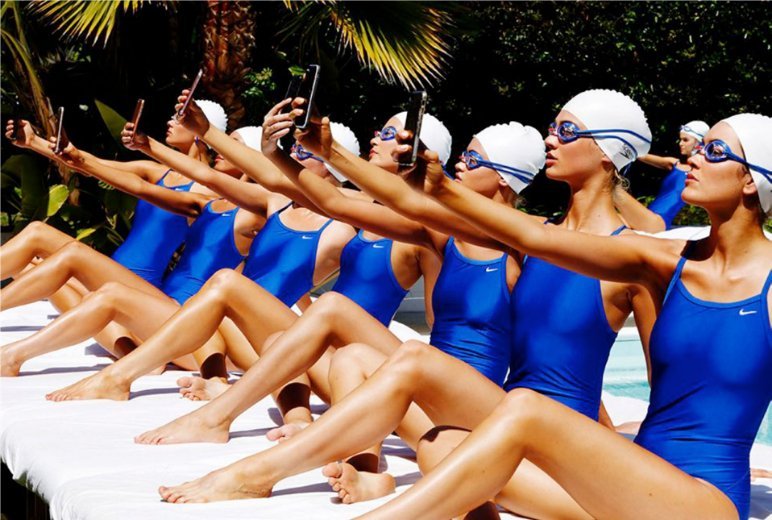
Kelly’s work is instantly recognisable for its intense, saturated colour, strong graphic compositions and situations that flirt with the absurd. Bikinis, sky-high heels, gleaming jewellery and sculpted bodies appear as symbols of exaggerated privilege, always treated with irony and lightness. There is sensuality in abundance, but also irreverence, as if every photograph invited the viewer to laugh along with the scene unfolding in front of them. That balance of eroticism, humour and visual critique turns his images into subtle commentary on consumer culture, self-exposure and contemporary desire.

His main aim remains simple and direct: to give pleasure and draw smiles.
Tony Kelly
Kelly’s visual references go back to a childhood in Catholic Ireland, where Sunday Mass became a kind of first museum. While the sermons passed him by, it was the Renaissance paintings and coloured stained glass of the churches that held his attention. Deep reds, intense blues, vibrant greens and luminous yellows were etched into his visual memory and remain present in his work today, reinforcing a rich, almost hypnotic palette. Over his career those early influences have been in conversation with names such as Helmut Newton, Guy Bourdin, David LaChapelle, Chris von Wangenheim and Jean-Daniel Lorieux, artists who, like him, challenged convention and expanded the limits of fashion photography.

For all the technical polish and meticulous construction, Kelly says his main aim remains simple and direct: to give pleasure and draw smiles. Each image carries multiple layers of reading, he says, but the audience’s emotional reaction is the real thermometer of success. At exhibitions, watching people laugh, be surprised or simply enjoy themselves in front of his work confirms that the photograph has done its job. In an artistic landscape in constant change, Kelly maintains that original ideas carried out with obsession, passion and hard work remain the core of great art. Recognition, in his view, arrives only as a natural consequence of total commitment to the craft and to one’s own creative language.

It all comes back to the stained-glass windows of an Irish church: colour that stops you in your tracks, and a good joke told with a straight face.
WAYFARER
CONTINUE READING
Culture / Reportage
The Monsoon founder’s collection reaches Christie’s during Frieze Week, offering a study in colour, composition and the formation of taste.
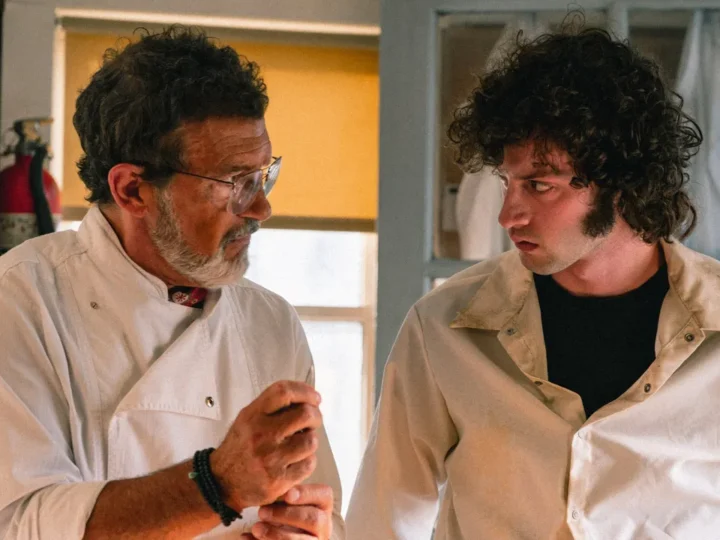
Culture / Reportage
The film’s early-kitchen premise opens a wider conversation about food, apprenticeship and the difference between biography and fiction.
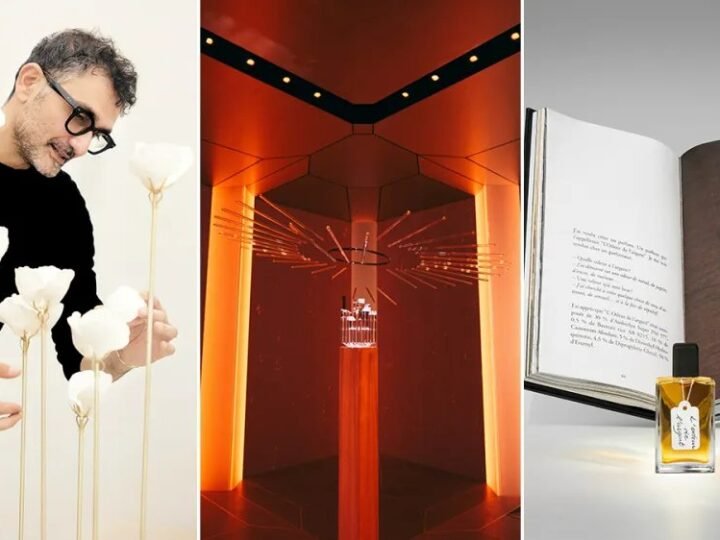
Culture / Reportage
Looking back at the 2025 Palais de Tokyo exhibition, scent emerges as a material for collaboration rather than simply a product to be displayed.