At the Grand Palais, Art Basel Paris 2025 was shaped as much by its setting as by the works inside the stands. Iron, glass and the building’s restored volume gave the fair a different architectural register from an anonymous exhibition hall. Light travelled through that structure, making the relationship between art and space difficult to separate.
The 2025 edition brought together 206 galleries from forty-one countries, with roughly a third based in Paris. Those figures established an international field while keeping the city’s own galleries visibly present. The fair was not simply an event arriving in Paris for a few days; it operated within an existing art ecosystem.
The building changes the encounter
The Grand Palais gives a visitor a larger field of vision than the individual booth. Its structure remains visible above the temporary architecture, so moving between galleries also means moving through the building. The result is a continual shift between the scale of a particular work and the scale of the fair as a whole.
That context does not determine the quality of every presentation, but it gives the visit a spatial identity. A fair can often be remembered as a sequence of transactions or names; here, the architecture supplied another way of understanding the experience.
A place for emerging practices
The Emergence sector included sixteen solo presentations. The format allowed individual artistic practices to be considered with more focus than a stand assembled from several artists. Within a large international fair, that concentration can be useful: it gives the visitor a clearer opportunity to follow one body of work.
The Oh La La programme, framed in 2025 around À la mode, introduced another curatorial layer. Rather than assuming that the standard booth display exhausted the fair’s possibilities, it provided a way to consider different works and connections within the same event.
The fair and the city
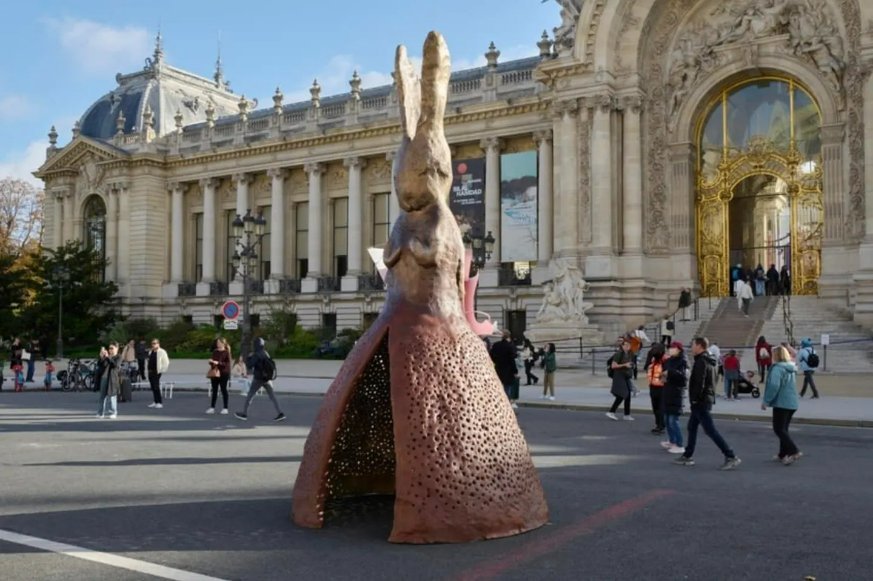
The programme beyond the stands extended the encounter towards the spaces around the Grand Palais and Petit Palais, including Avenue Winston Churchill. That relationship with the city is part of what distinguishes the Paris edition: the fair’s temporary duration sits alongside a much longer cultural landscape.
This account belongs to the 2025 edition and preserves the reporting’s original timeframe. It should not be read as a description of the 2026 gallery list or programme. What carries beyond that date is the relationship Luiza Rodas observed between the fair’s international scale and a Parisian setting that remained unmistakably its own.
A booth is not the whole fair
The sixteen solo presentations in Emergence offered a different unit of attention from a stand bringing together several artists. Following one practice allows a visitor to consider relationships between works; moving through a mixed presentation introduces another set of decisions about selection and juxtaposition.
The Grand Palais supplies a larger structure around both. Its iron and glass remain present above the temporary divisions, making the passage between booths part of the encounter. Rodas’s account is strongest in that change of scale: from an individual presentation to the building, then to the Parisian cultural setting beyond it. The 2025 figures establish the size of the field, but they should not become a substitute for what a particular edition made visible.
Go with WAYFARER. WAYFARER Agency arranges invitation days, hotel and dinners for Art Basel Paris at the Grand Palais, with a written proposal within 24 hours.
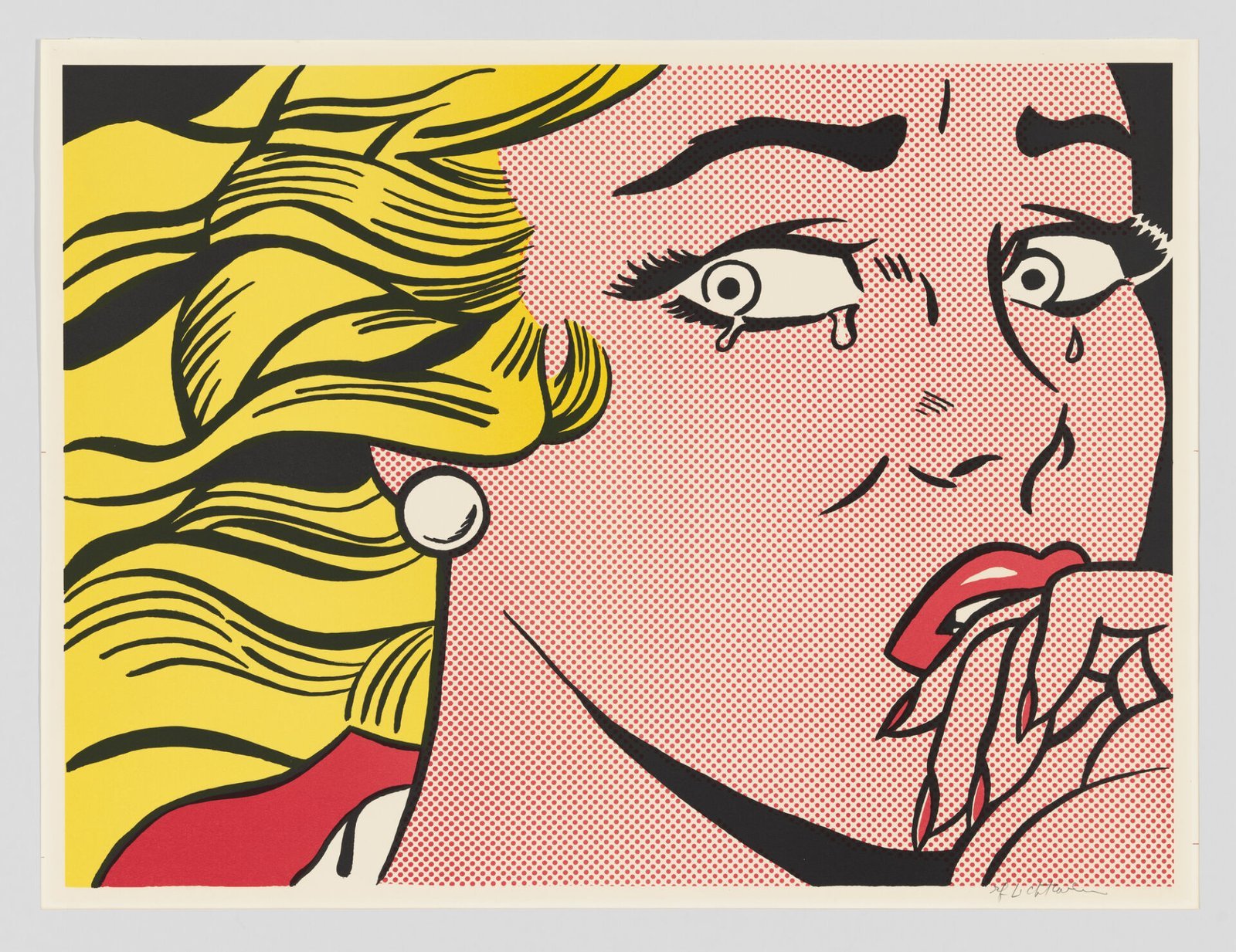
More than 130 works, murals remade by hand and a room of mirrors: "Roy Lichtenstein: Like New" fills the Whitney's fifth floor until 10 May 2027 and asks us to look again at the most obvious name in Pop Art.
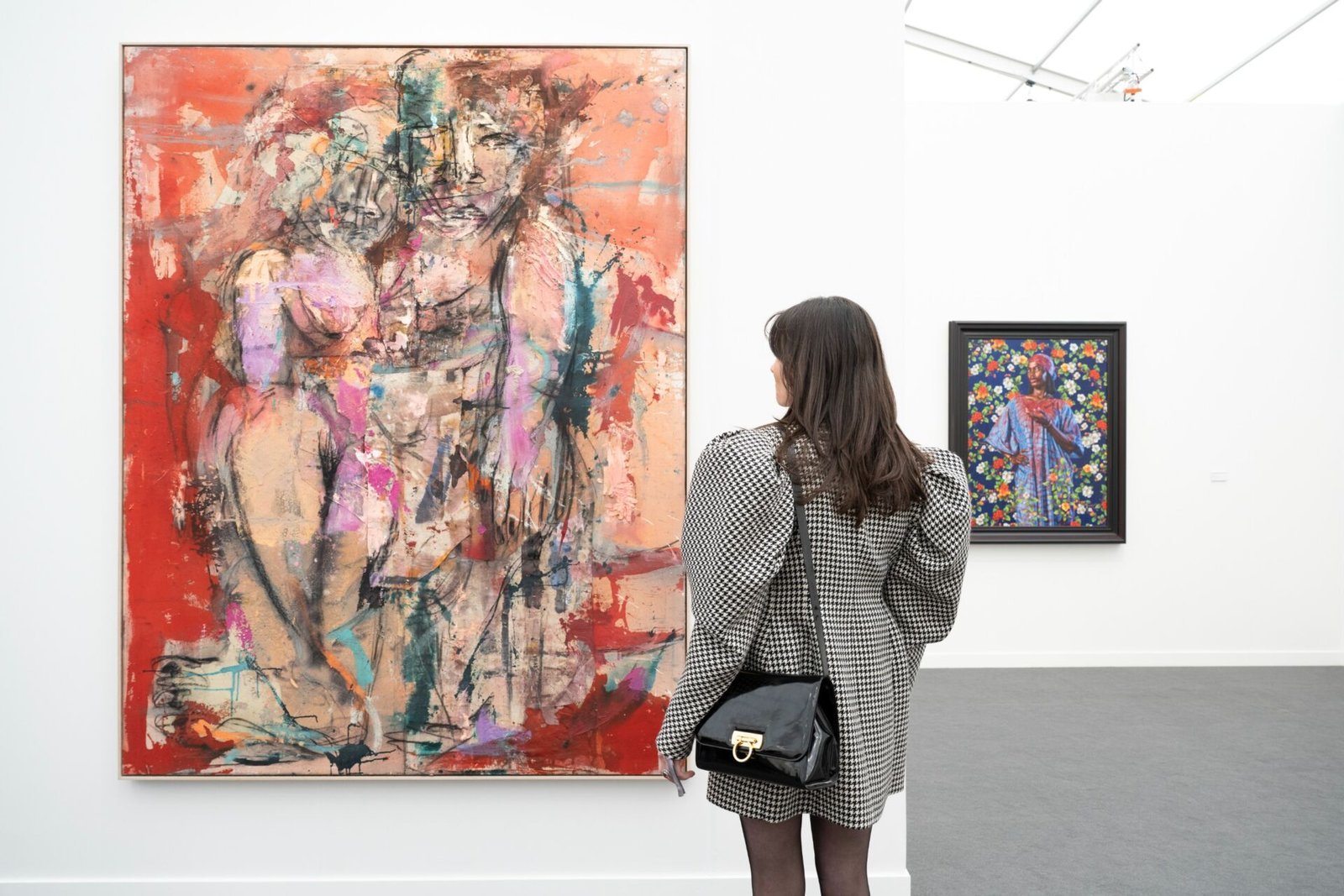
Frieze took place in Regent's Park from 14 to 18 October. Frieze Week took place everywhere else. A selection of ten programmes, from Yuko Mohri at the Barbican to Es Devlin at the Design Museum, and the exhibitions that remain open after the fairs close.
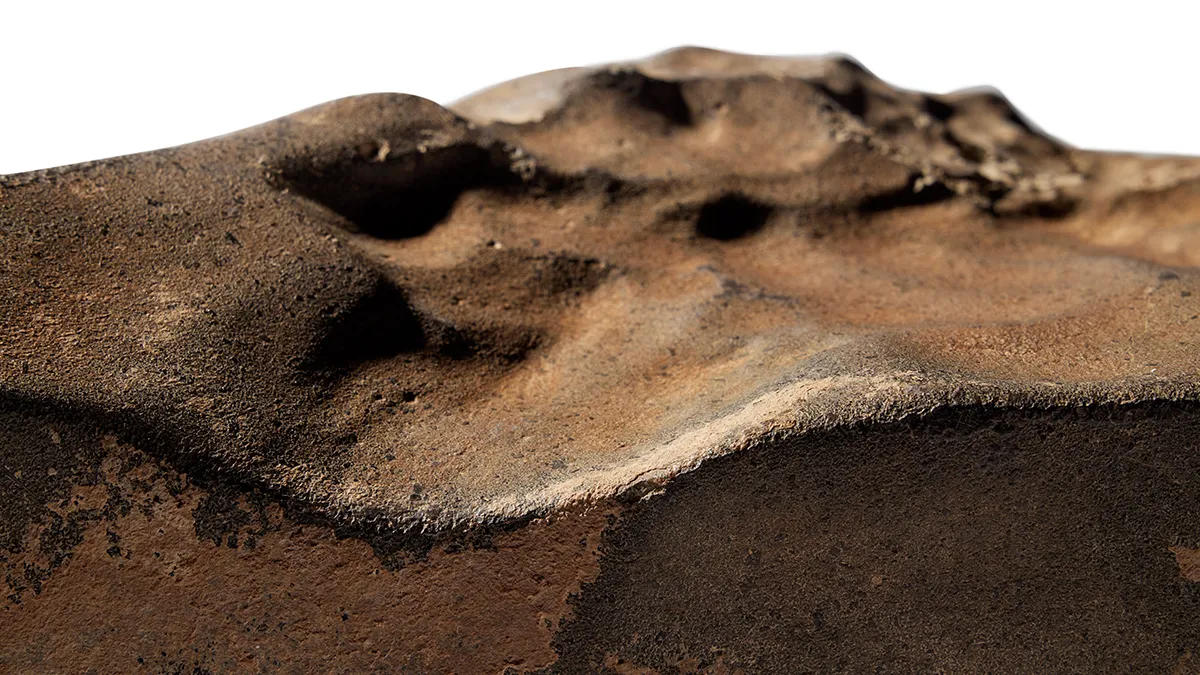
At 24.5 kilograms, NWA 16788 brought an unusual kind of scale to Sotheby's natural-history auction in July 2025. The meteorite was identified as originating from Mars and described in the auction catalogue as the largest known Martian meteorite at the time of the sale. Its importance was therefore not simply that it had come from another planet, but that such a substantial piece had survived to be found on Earth.