NWA 16788: the Martian meteorite that became an auction object
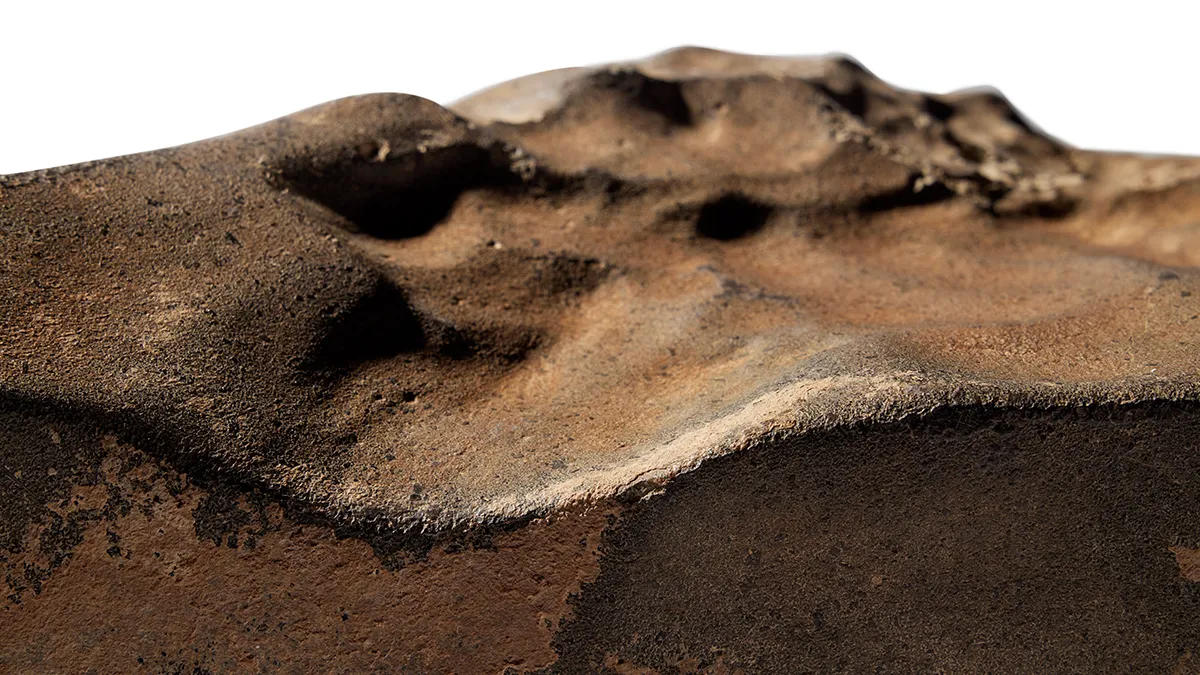
At 24.5 kilograms, NWA 16788 brought an unusual kind of scale to Sotheby's natural-history auction in July 2025. The meteorite was identified as originating from Mars and described in the auction catalogue as the largest known Martian meteorite at the time of the sale. Its importance was therefore not simply that it had come from another planet, but that such a substantial piece had survived to be found on Earth.
At 24.5 kilograms, NWA 16788 brought an unusual kind of scale to Sotheby’s natural-history auction in July 2025. The meteorite was identified as originating from Mars and described in the auction catalogue as the largest known Martian meteorite at the time of the sale. Its importance was therefore not simply that it had come from another planet, but that such a substantial piece had survived to be found on Earth.
Discovered near Agadez in Niger on 16 November 2023, the stone moved from a desert find to an object studied, classified and offered at auction. That sequence is essential to its identity. Without the scientific work that establishes its origin, an extraterrestrial claim would remain only a story attached to a rock.
What the price measures
The July 2025 sale achieved a hammer price of 4.3 million dollars, or approximately 5.3 million dollars with fees. Those are different figures and should not be used interchangeably. The result reflects an auction transaction, not a general valuation for all Martian material.
The catalogue placed the meteorite’s mass at roughly seventy percent greater than the previous largest known example. That comparison helped explain its position within a market where rarity is tied not only to provenance, but also to the amount of material available and the completeness of the specimen.
Between science and collecting
A meteorite operates in two systems at once. It is a source of information about a planetary body, and it can also be a privately collected object. The auction makes the second system visible, but the first is what gives the object a meaning beyond its weight and appearance.
The appeal is different from that of a painting or a designed object. There is no artist whose intention supplies the framework. Instead, geological history, the journey to Earth and the process of identification become the narrative. The specimen is valued as a physical connection to that larger history.
A record with a date attached
Calling something the largest known example requires a date. New discoveries can change the comparison, and the record should be understood as the catalogue’s assessment at the time of the 2025 auction, not an assertion that no larger specimen could ever appear.
NWA 16788 is most compelling when those distinctions are kept intact. Its auction price records a moment in the collecting market; its classification records a scientific conclusion. Together, they show how a desert discovery can become one of the most unusual objects to pass through a saleroom.
The catalogue is part of the object’s public history
The desert discovery and the auction result belong to different stages of NWA 16788’s record. The first locates the find; the second records a particular transaction. Classification connects the stone with Mars, but it does not turn an auction price into a measure of scientific importance.
That separation makes natural-history collecting more demanding than a story about rarity alone. A buyer encounters an object whose identity depends on a chain of documentation as well as a physical specimen. The distinction between hammer price and the amount including fees is another part of that precision. NWA 16788 can be read simultaneously as planetary material and as an auction lot, provided neither record is allowed to stand in for the other.
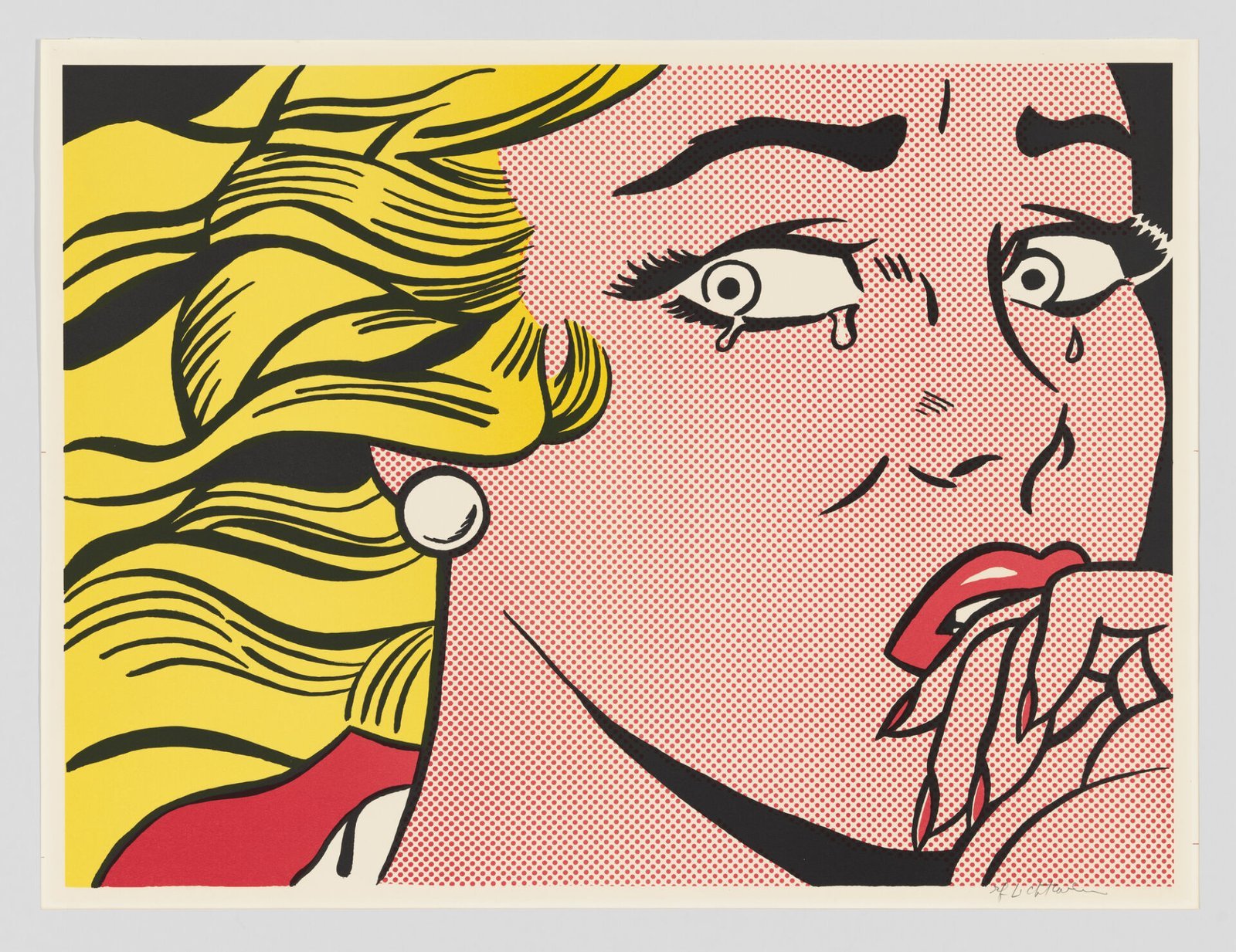
More than 130 works, murals remade by hand and a room of mirrors: "Roy Lichtenstein: Like New" fills the Whitney's fifth floor until 10 May 2027 and asks us to look again at the most obvious name in Pop Art.
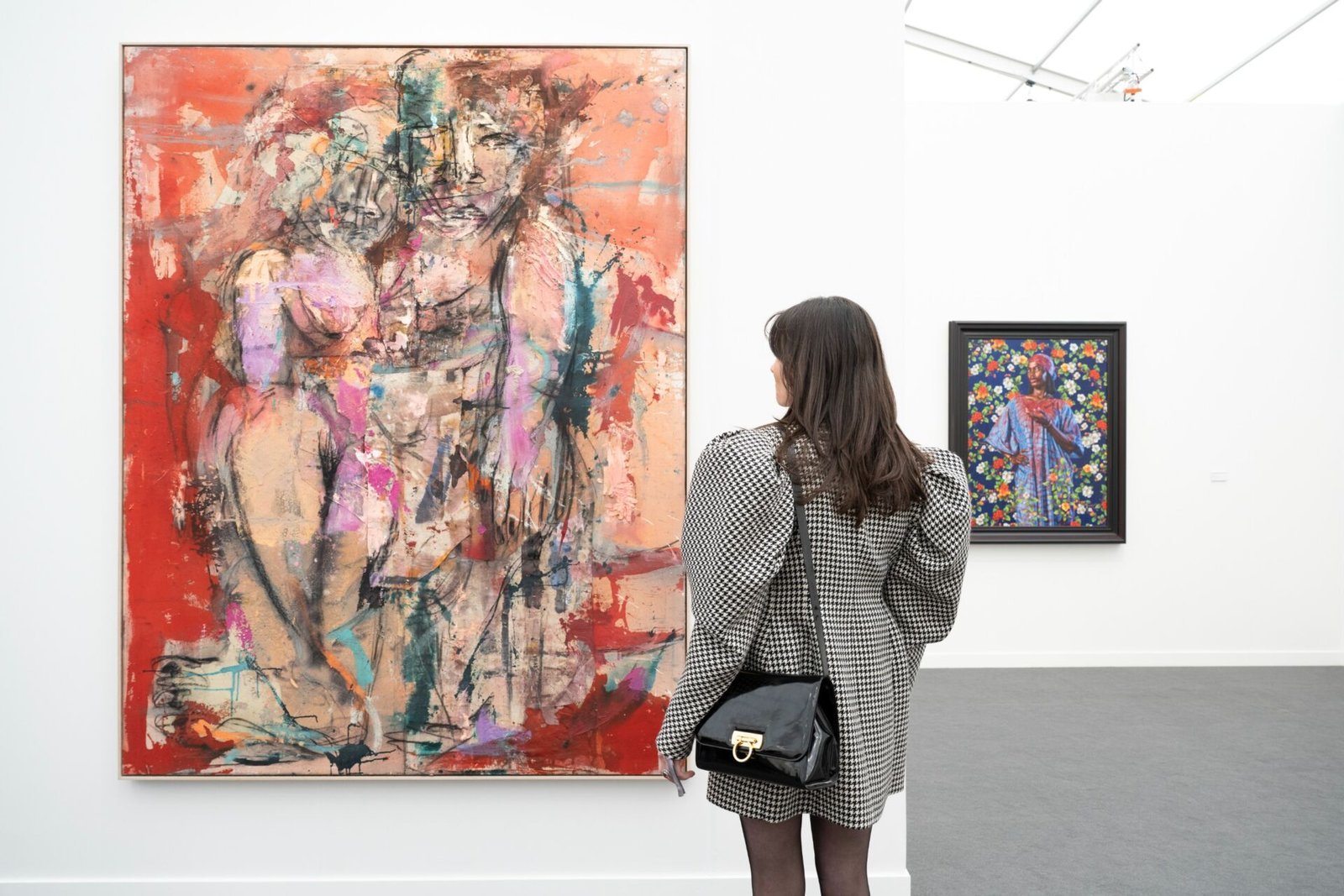
Frieze took place in Regent's Park from 14 to 18 October. Frieze Week took place everywhere else. A selection of ten programmes, from Yuko Mohri at the Barbican to Es Devlin at the Design Museum, and the exhibitions that remain open after the fairs close.