Frieze Week 2026: ten reasons London mattered beyond the booths
Frieze took place in Regent's Park from 14 to 18 October. Frieze Week took place everywhere else. A selection of ten programmes, from Yuko Mohri at the Barbican to Es Devlin at the Design Museum, and the exhibitions that remain open after the fairs close.
Images courtesy of the artists, galleries and institutions
ART & COLLECTING
Frieze takes place in Regent’s Park. Frieze Week takes place in the rest of the city.
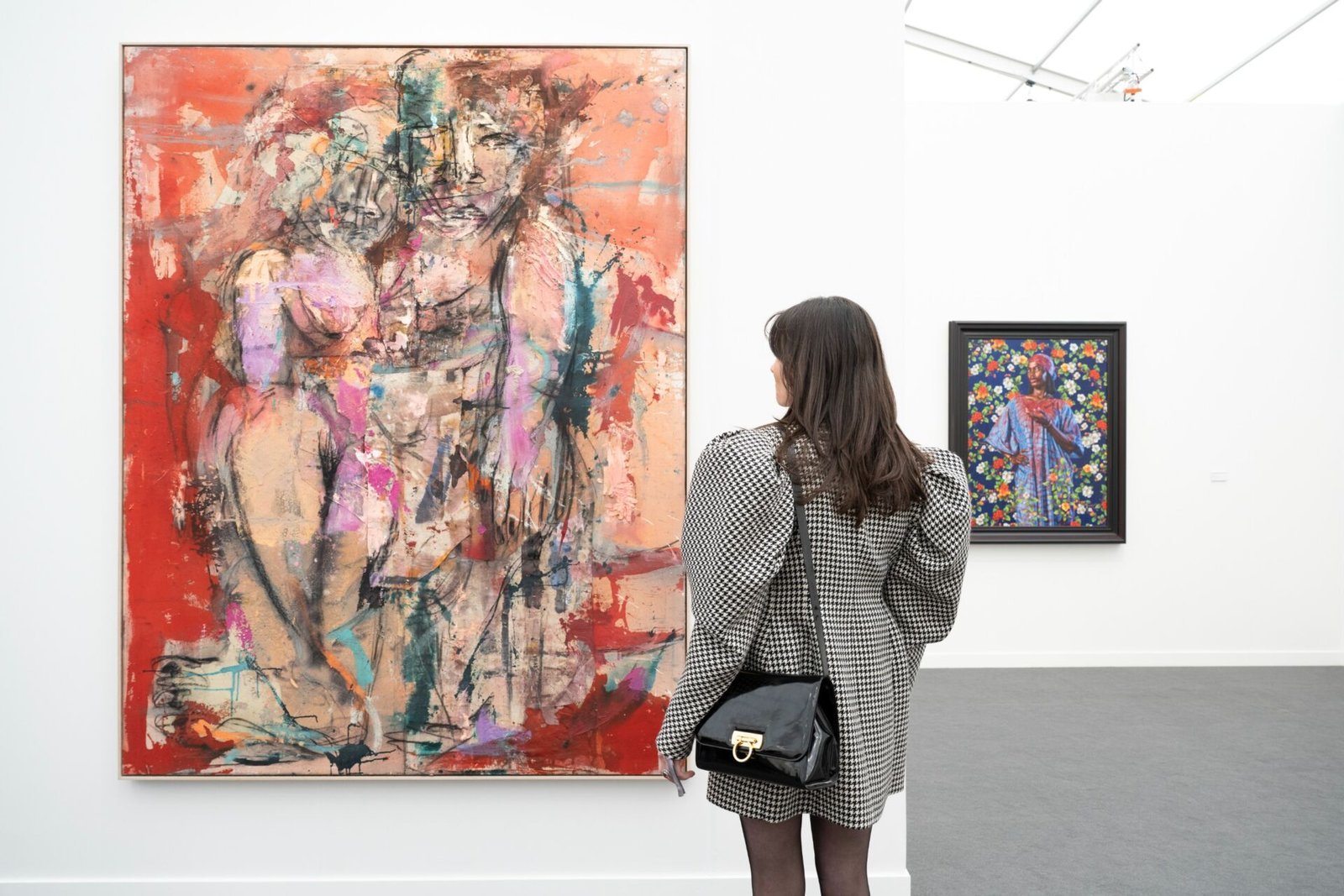
From 14 to 18 October 2026, while Frieze London and Frieze Masters filled their tents with booths and negotiations, London rearranged itself around the fairs. Galleries timed new exhibitions for the arrival of collectors, institutions opened their autumn programmes and a parallel nightlife settled into unlikely rooms. Ten programmes, from experimental theatre to the first European retrospective of one of the most influential stage designers working today, show why the week is worth more than the fair. Several of them remain open well into the winter.
The Front: history as sensation
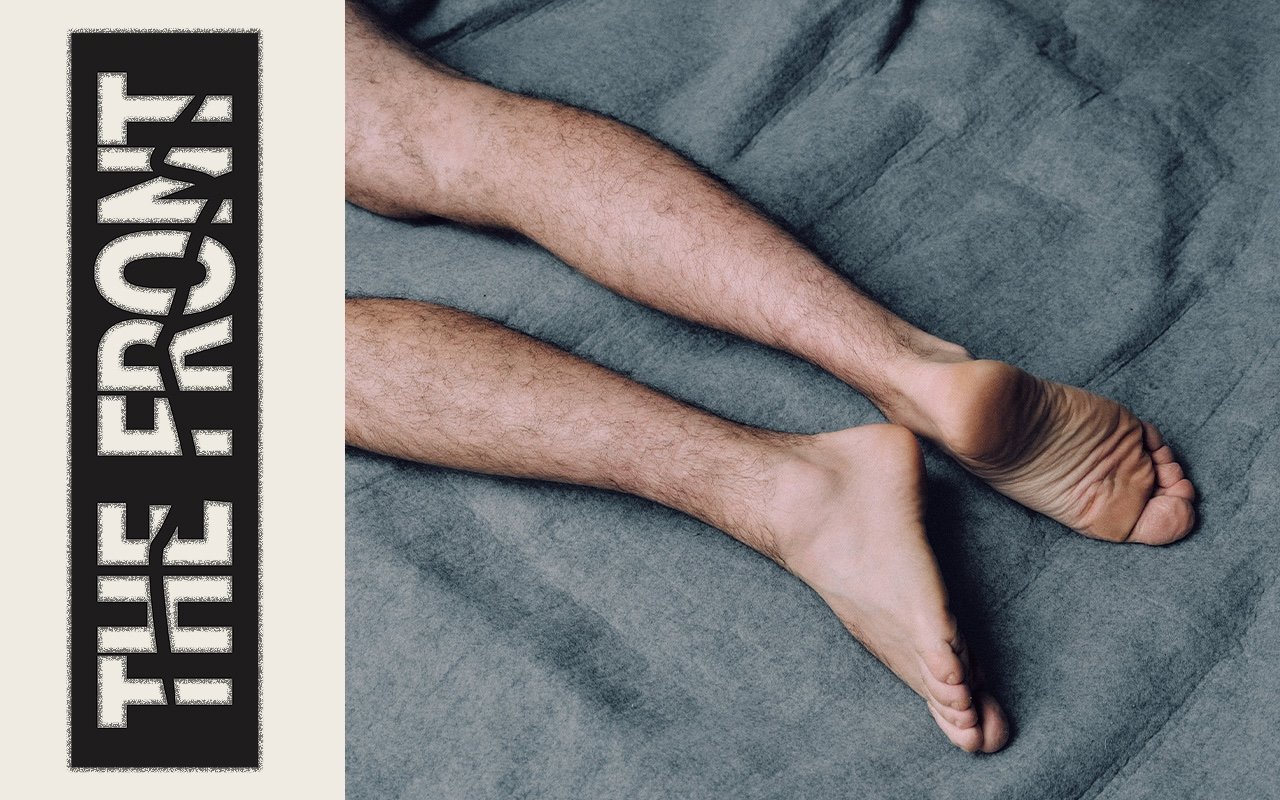
A play is not the obvious entry on a Frieze itinerary, but The Front, staged at London Performance Studios in South Bermondsey on 16 and 17 October only, justified the exception. It is written by the artist and writer Sam Cottington, with the multidisciplinary artist Middleton Maddocks coordinating the production. Its protagonists, Carol and Stephen, discover without understanding why that they cannot die, and their lives run for more than a century, from Belgium and the Western Front to an isolated farm in Bavaria and the edges of contemporary Berlin. Cottington describes the work as an inquiry into how history is felt rather than how it happened.
Barbican: a concert of discards
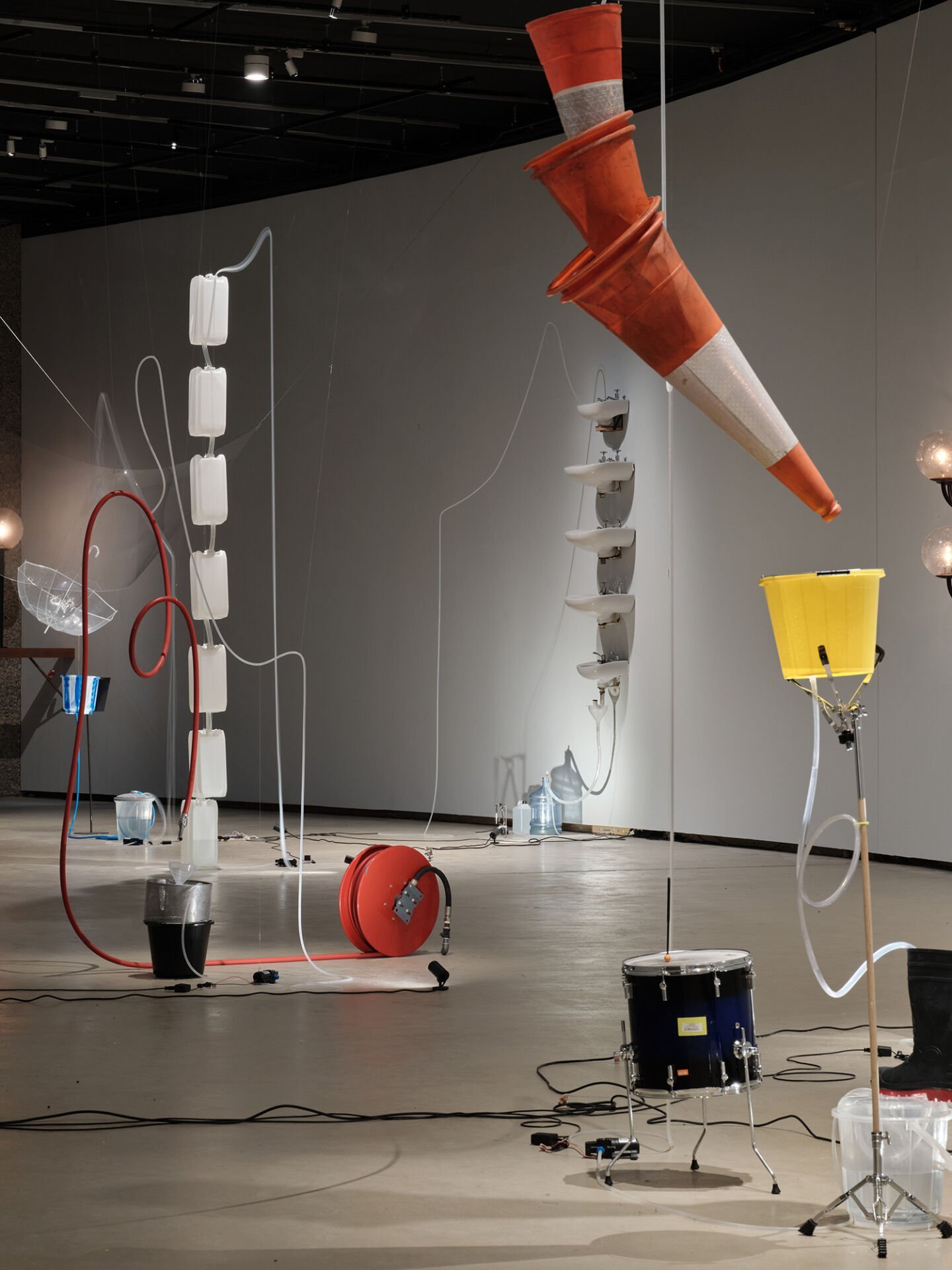
Yuko Mohri’s In Concert occupies The Curve with material recovered from the Barbican itself. Photo: courtesy Barbican
Yuko Mohri spent part of the year in the back rooms of the Barbican. During a spring residency, the Japanese artist explored workshops and stores not normally seen by visitors and recovered old wiring, scrap metal and street lamps that once belonged to the building, set aside during its renovation. Some of that material returns as In Concert, her installation for The Curve, on view until 24 January 2027.
Mohri, who represented Japan at the 2024 Venice Biennale, is known for kinetic sculptures that join everyday objects to unstable forces such as water, air, gravity and magnetism. Nothing here is forceful. Her interest lies in leaks, failures, repairs and new beginnings, and she turns the building’s cast-offs into an unruly concert for a building that is itself under repair.
Maureen Paley: Rebecca Warren returns
Rebecca Warren returns to London with sculpted bodies that move between the erotic and the abstract. Photo: courtesy Maureen Paley
It has been fifteen years since the British artist Rebecca Warren last showed in London. Maureen Paley has been with her from the start, giving her an exhibition in 2000, years before her Turner Prize nomination, her election to the Royal Academy and her OBE for services to art. There Will Be Another You now fills both of the gallery’s Bethnal Green spaces with entirely new work. Known for bronze, clay and steel sculpture that treats the human figure freely, Warren imagined a retrospective of herself in a slightly different version, in which forms from earlier periods reappear in new pieces. At its centre is the title work, a life-size reclining bronze figure whose body seems to melt and reassemble, with two right arms and no left.
Herald St: what the museum hides from itself
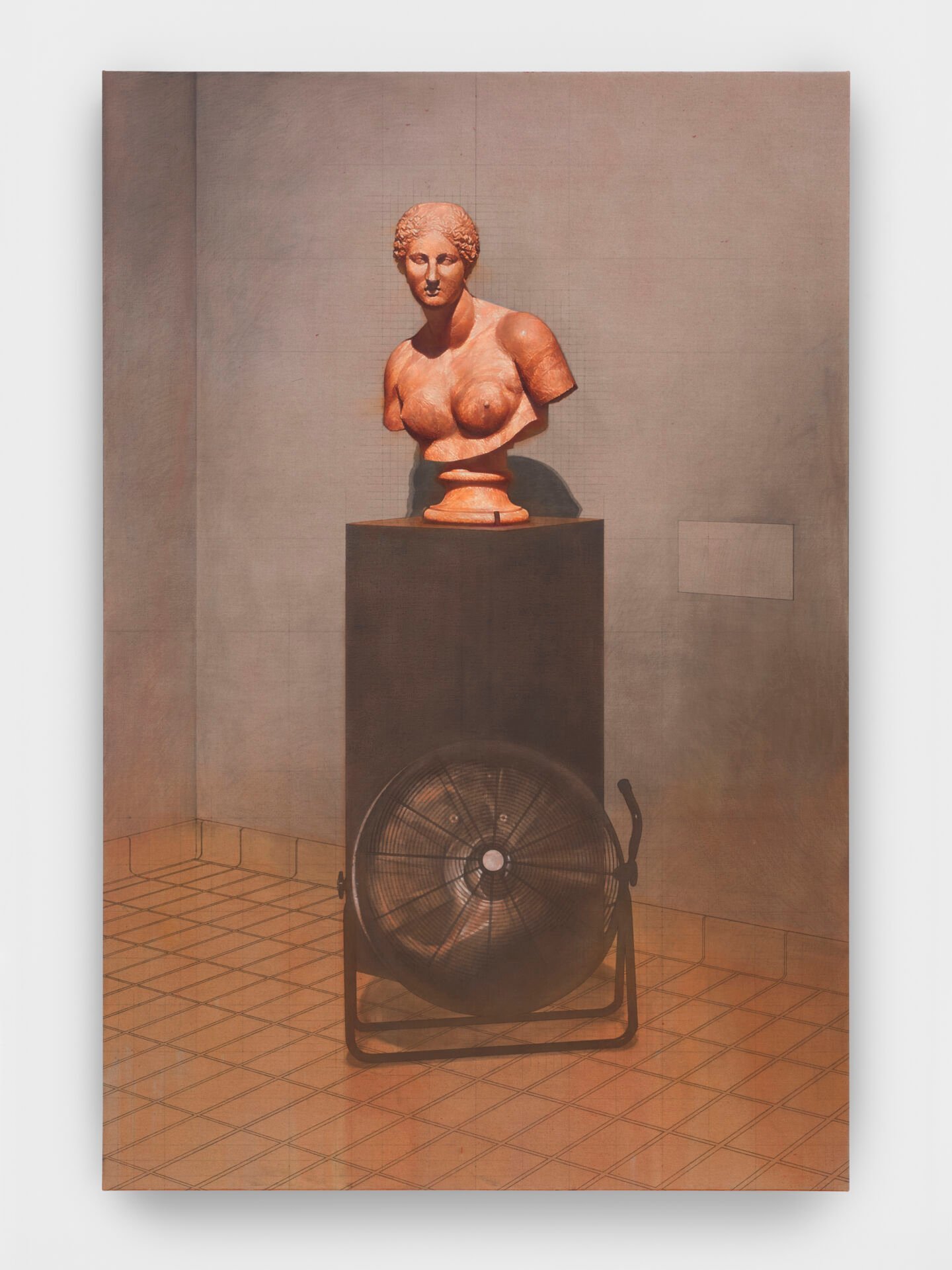
At the Acropolis Museum in Athens, spaces have been deliberately left empty for sculptures now held by the British Museum. Those gaps are the starting point of “British Museum”, Esteban Jefferson’s first solo exhibition with Herald St, at the gallery’s Museum Street address a few steps from the museum itself. Jefferson photographed the voids and the plaster casts standing in for missing sections of the Parthenon Frieze before following the originals to London, where his attention turned less to the artefacts than to the clutter around them: air purifiers, fans, temperature monitors and other conservation equipment. In his new paintings they share the frame with ancient objects, drawing attention to the systems through which museums display, preserve and claim their collections.
Esteban Jefferson sets classical artefacts beside the machinery of museum conservation. Photo: courtesy Herald St
Artist-to-Artist: nomination as curation
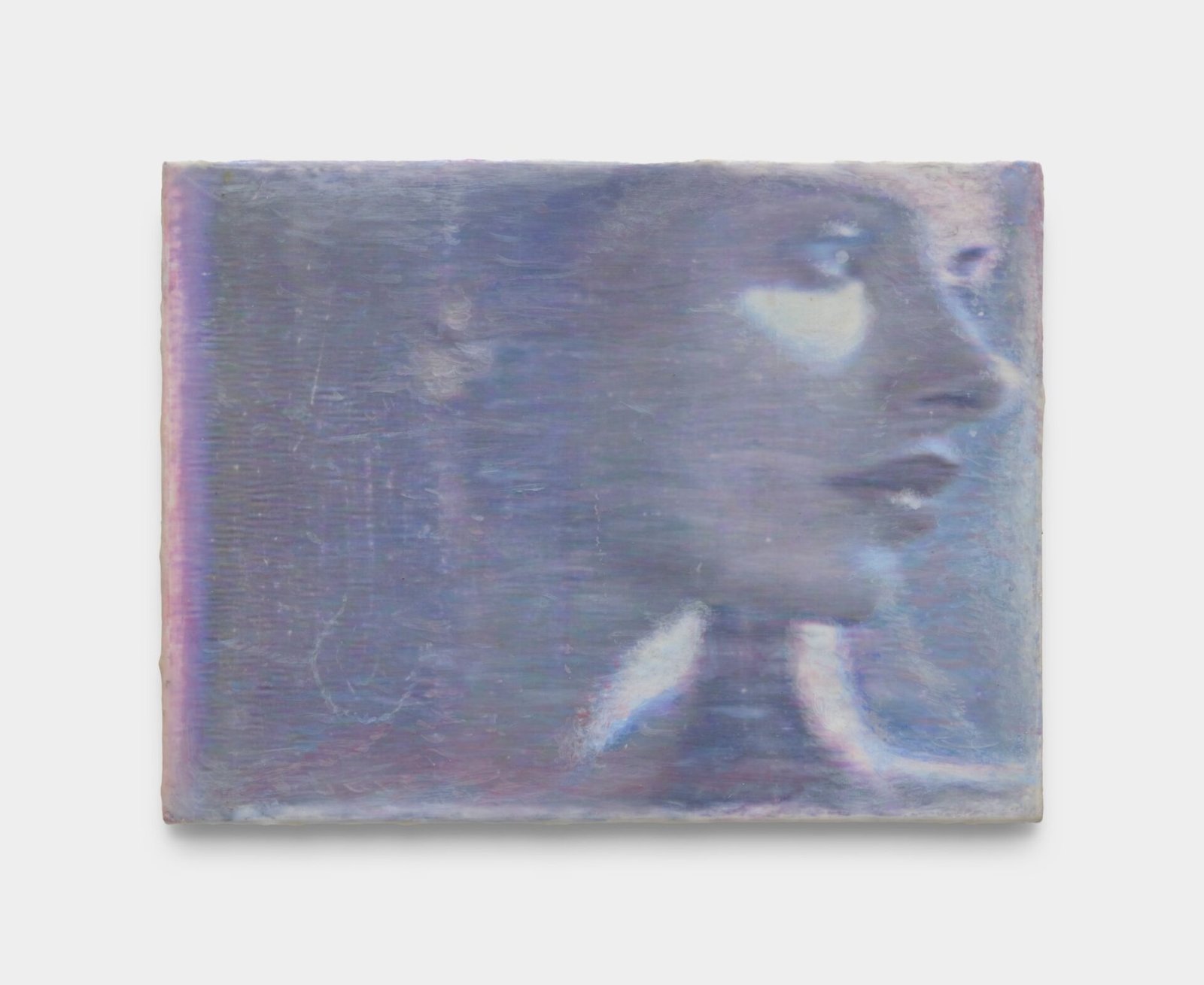
On its first appearance at Frieze London, Alice Amati gave its booth to the Vienna-based Romanian painter Paul Robas, invited into the Artist-to-Artist section. Now in its fourth edition, the initiative asks established artists each to nominate a peer they believe deserves wider recognition. Robas was chosen by the British painter Louise Giovanelli. Trained in Cluj-Napoca before an MFA in Vienna, he is interested in what happens to an image as it passes between the digital and the physical, editing, collaging and projecting photographs before translating them into paint. His technique relies on encaustic, an ancient wax-based process he encountered while studying the Fayum mummy portraits of Roman Egypt. Combined with oil and acrylic, the wax gives his canvases a spectral, almost faded quality.
Full Circle by Paul Robas combines encaustic, oil and acrylic. Photo: courtesy Alice Amati
Bolding Gallery: one night, no list
On Friday 16 October, Anal House Meltdown brought its party to Bolding Gallery in Mayfair, with doors at 8pm and no guest list. The cult queer night was founded in 2011 by the artists Prem Sahib, Eddie Peake and George Henry Longly, and has since moved between Dalston basements and the volcanic island of Stromboli. For Sahib, whose work often addresses the architecture and material language of queer space, the party has always been another way of occupying space, this time on the dance floor. Barkley Bandon, Lali, Eddie Peake and Debonair played into the night.
Frieze Masters: Soho in prints
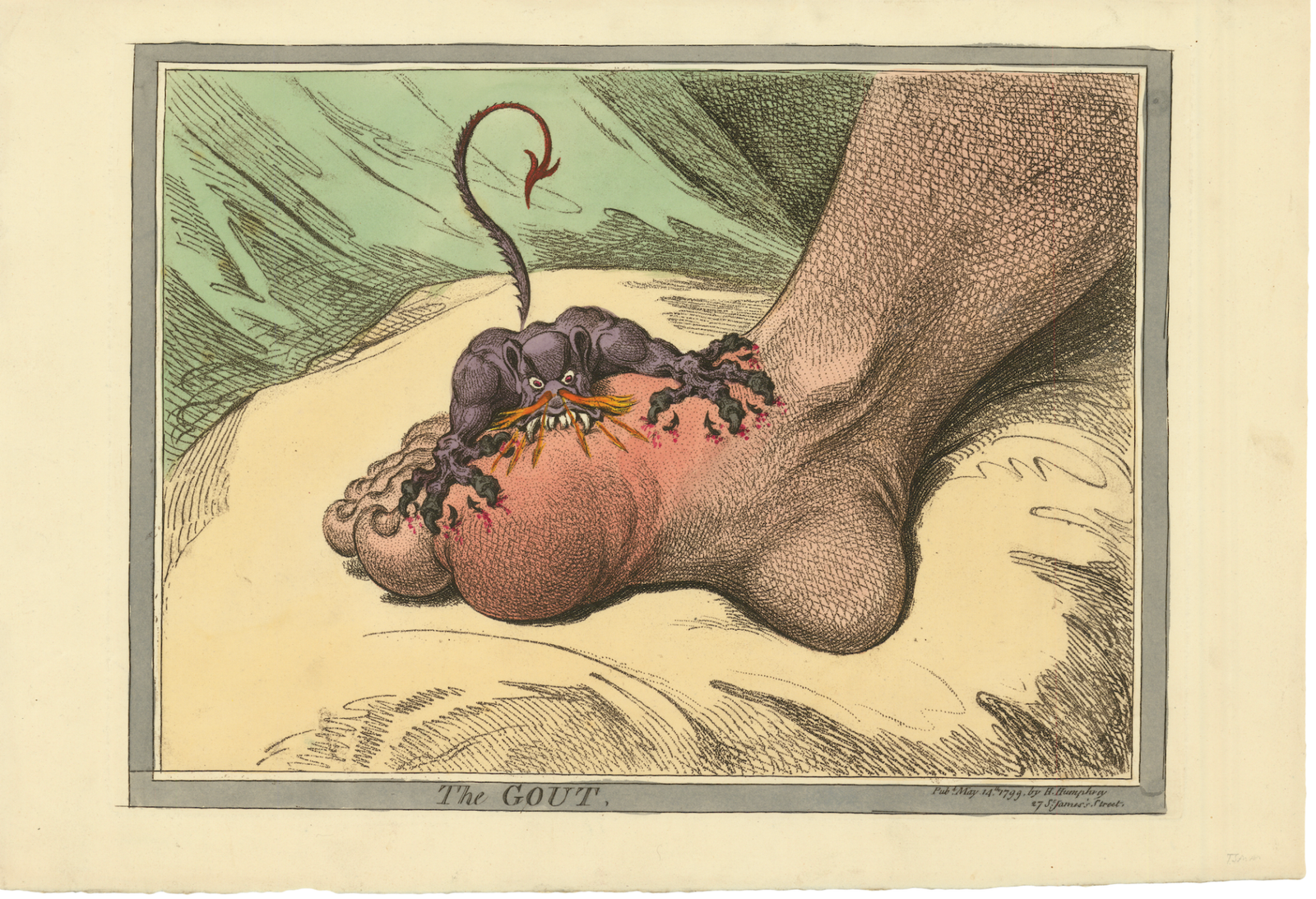
The late Andrew Edmunds gave his name to one of Soho’s most loved restaurants, a candlelit fixture on Lexington Street. Less widely known is the collection he built in parallel. Over half a century, Edmunds, also a dealer, assembled more than ten thousand caricatures and satirical prints made between about 1680 and 1850. At Frieze Masters, Daniel Crouch Rare Books presented highlights, among them more than 1,200 prints by James Gillray, 300 works by William Hogarth and more than 500 by Thomas Rowlandson, as well as the only known copy of a 1779 satire on Mrs Phillips’s shop. Sex, food, fashion, politics, empire and national rivalry run through the sheets. Sharp and ironic, they are direct ancestors of the political cartoon and the meme.
The Gout by James Gillray, 1799, from the collection assembled by Andrew Edmunds. Photo: courtesy Daniel Crouch Rare Books
Design Museum: the worlds of Es Devlin
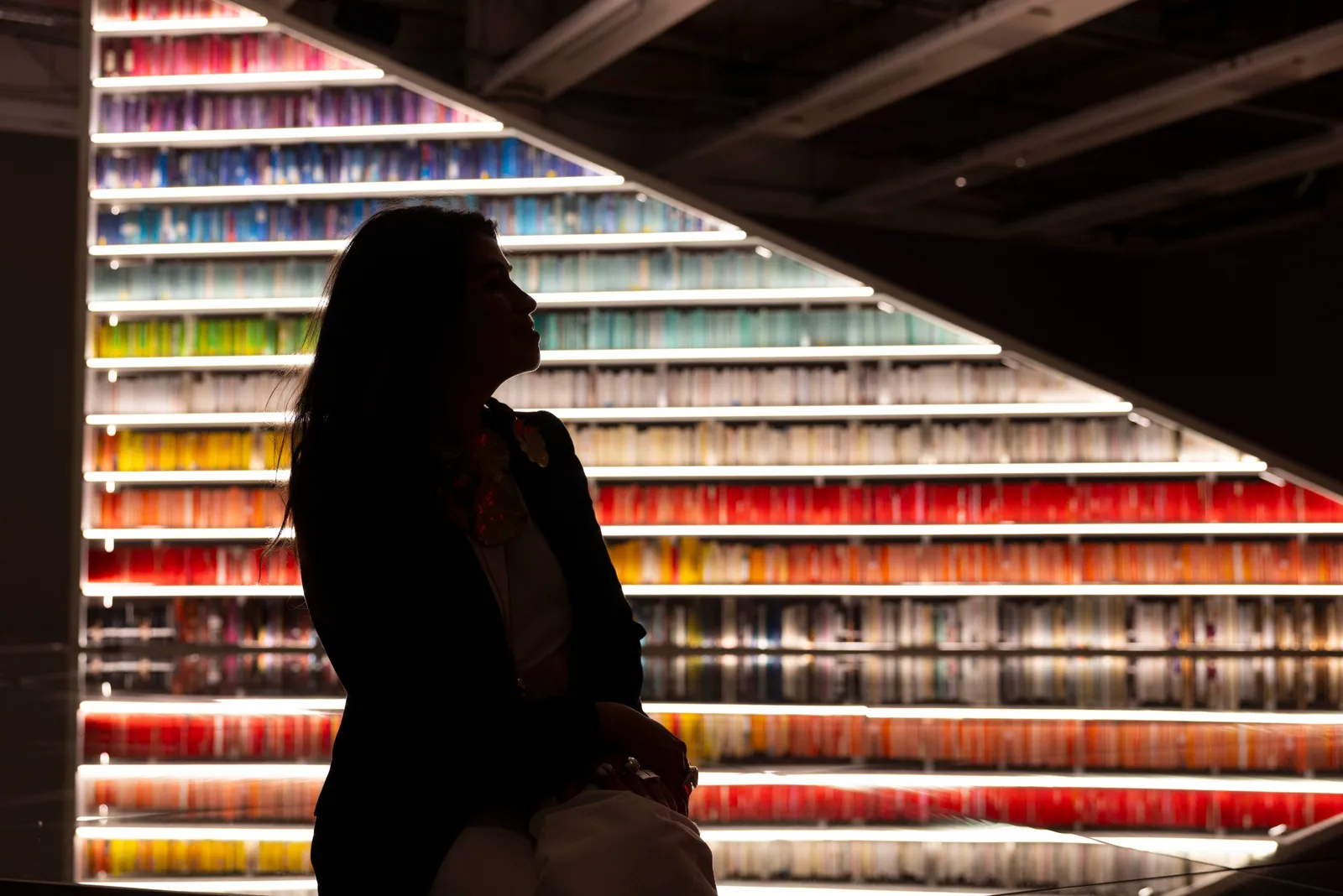
Few designers have shaped the contemporary experience of live performance as much as Es Devlin. Across three decades she has moved between theatre, opera, art, fashion and music, building stages and kinetic sculptures for Beyoncé, Adele and U2 as well as for the London 2012 Olympics. “Es Devlin: Other Worlds”, the first retrospective of her practice in Europe, runs at the Design Museum until 4 April 2027. It opens with a reconstruction of her London studio, complete with books, tools and models, then gives way to Come Home Again, illuminated drawings of 240 species of plants and animals found in London. At its centre, 30-Year Desk turns through thirty projects, among them The Lehman Trilogy and the 2022 Super Bowl half-time show, before a red passage leads into Infinite Library, a kinetic installation of more than two thousand books.
And actually, maybe the thing is everything.
Es Devlin
Other Worlds gathers three decades of stage design and kinetic sculpture by Es Devlin. Photo: courtesy Design Museum
National Portrait Gallery: Issy Wood faces herself
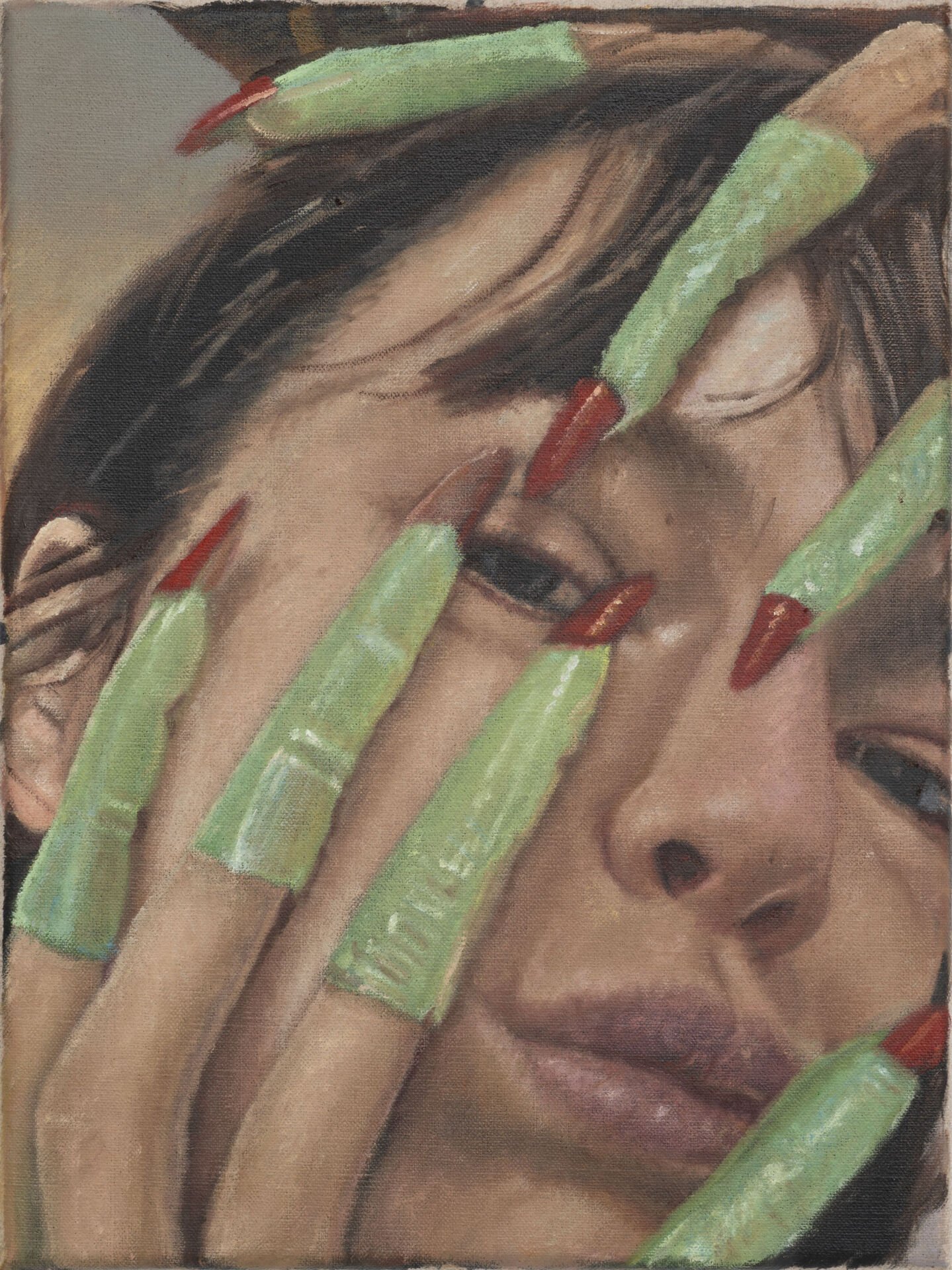
The National Portrait Gallery has launched a programme devoted to contemporary portraiture, and Issy Wood opens it. The British American artist paints people, body parts, clothing, animals and objects from her studio, on linen and on less conventional surfaces such as velvet, often cropping so tightly that portrait and still life blur. Represented by Carlos/Ishikawa before she graduated from the Royal Academy Schools, she has since extended her practice into music and writing. At the NPG, until 28 February 2027, eleven self-portraits made since 2020 are shown together for the first time, seven of them never before exhibited. Wood describes them as stand-ins for photographs of herself. Three already belong to the gallery’s collection, making it the only national institution in the United Kingdom to hold her work.
Issy Wood opens the National Portrait Gallery’s new contemporary portrait programme. Photo: courtesy National Portrait Gallery
Thaddaeus Ropac: Baselitz’s broken heroes
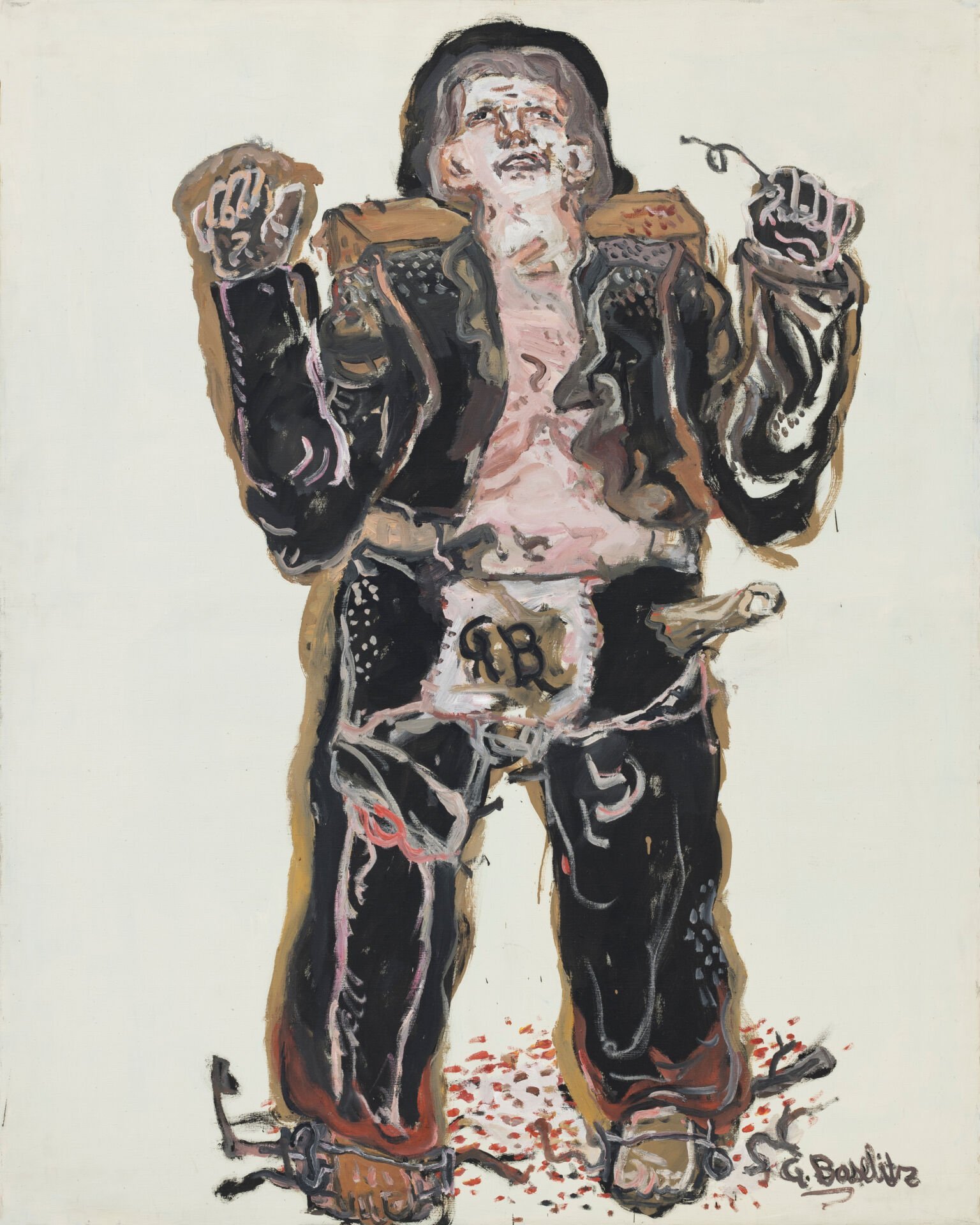
Georg Baselitz was 27 when, in a single year, he produced some sixty paintings, 130 drawings and 38 prints. At the centre of that period stand the Heroes: monumental, battered figures, barefoot, in rags or torn uniforms, lost in devastated landscapes. At Ely House on Dover Street until 18 December, Thaddaeus Ropac presents the first exhibition in the United Kingdom devoted exclusively to the series. Having left East Germany for West Berlin, Baselitz found himself between the official realism of the East and a West absorbed in the optimism of the economic miracle. He began the Heroes in the summer of 1965, shortly after a residency at the Villa Romana in Florence, where the distorted figures of the sixteenth-century Mannerists, Pontormo and Parmigianino among them, had held his attention. “They’re not heroes swinging their fists,” he has said of the figures.
Spekulatius, 1965, part of the Heroes series, shown together in the United Kingdom for the first time. Photo: courtesy Thaddaeus Ropac
Inside Regent’s Park, art is sold. Outside it, art is met: in a building under repair that becomes an instrument, on a night without a list, in a museum looking at its own machines. Frieze keeps the rhythm of the fair. Frieze Week keeps the rhythm of the city.
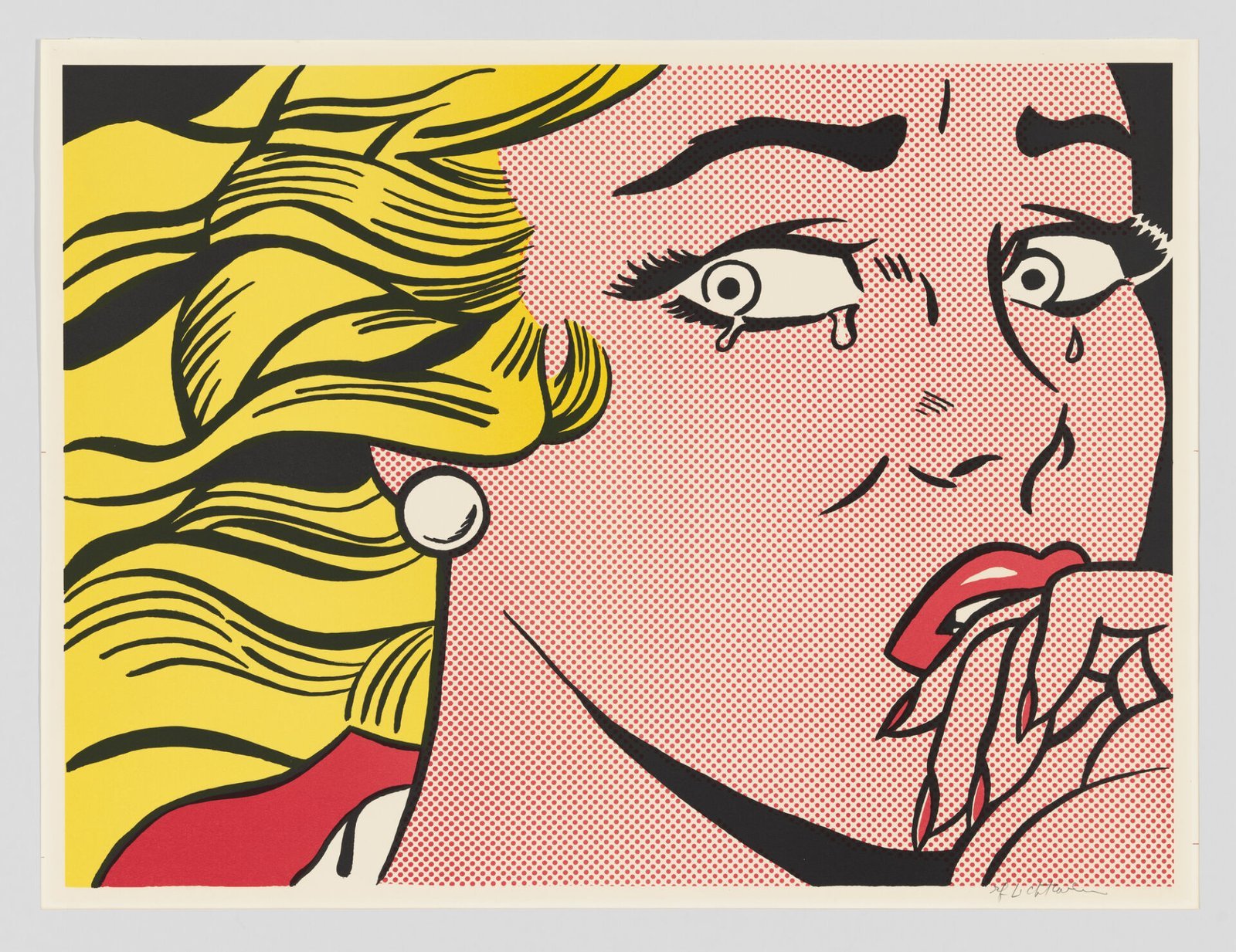
More than 130 works, murals remade by hand and a room of mirrors: "Roy Lichtenstein: Like New" fills the Whitney's fifth floor until 10 May 2027 and asks us to look again at the most obvious name in Pop Art.
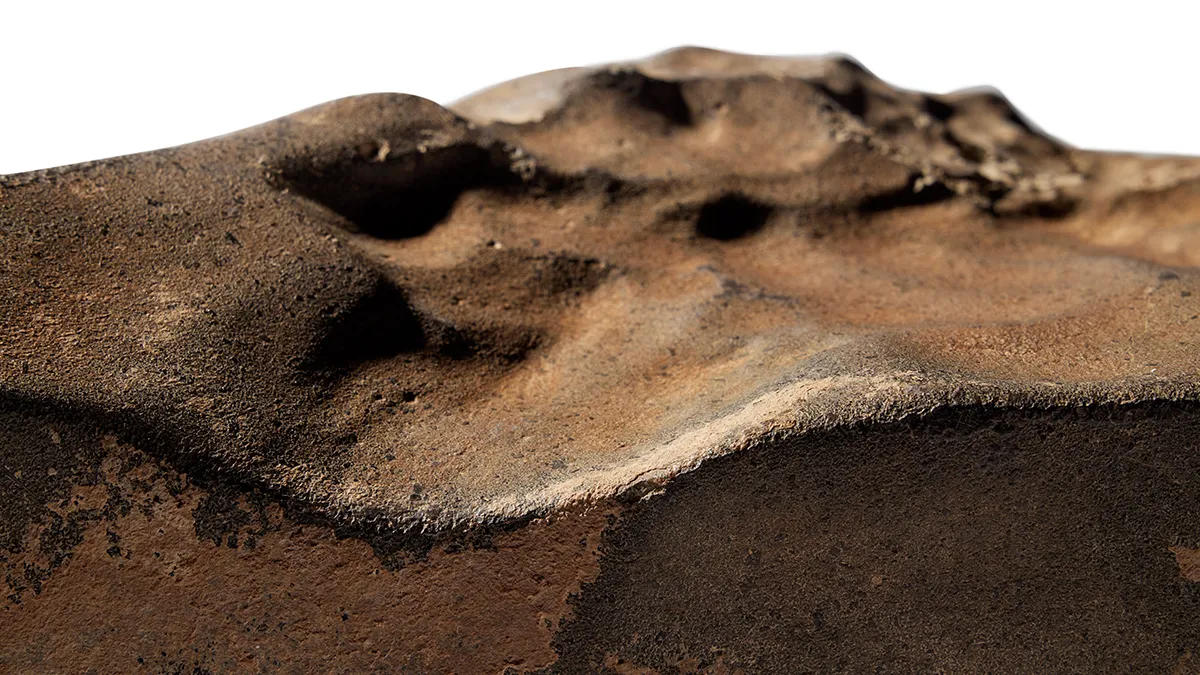
At 24.5 kilograms, NWA 16788 brought an unusual kind of scale to Sotheby's natural-history auction in July 2025. The meteorite was identified as originating from Mars and described in the auction catalogue as the largest known Martian meteorite at the time of the sale. Its importance was therefore not simply that it had come from another planet, but that such a substantial piece had survived to be found on Earth.