Inside PS, the private terminal at LAX now arriving in Miami, Dallas and Paris
At the back of Los Angeles International Airport sits a terminal with no queue, no crowd and no gate. What PS costs, who uses it, and why travellers who do not fly private have decided to pay not to wait.
There are ten terminals at Los Angeles International Airport. Nine belong to everyone. The tenth appears on no map.
The first nine offer what one expects of them: the security line, the hurried coffee, the restless crowd. The tenth sits at the back of the complex, between cargo sheds and an in-flight catering kitchen, and runs on a different logic. Here, nobody has to push through.
On arrival, a guard checks a name against a list. A valet takes the bags. The passenger is shown to a private suite with velvet sofas, bouclé armchairs, Assouline books on the table and Le Labo soap in the bathroom. In the fridge, iced matcha and chocolates; on the sideboard, chargers at hand. It is the exact opposite of the plastic bottle sold at any airport convenience store.
The terminal: the flight begins without a queue
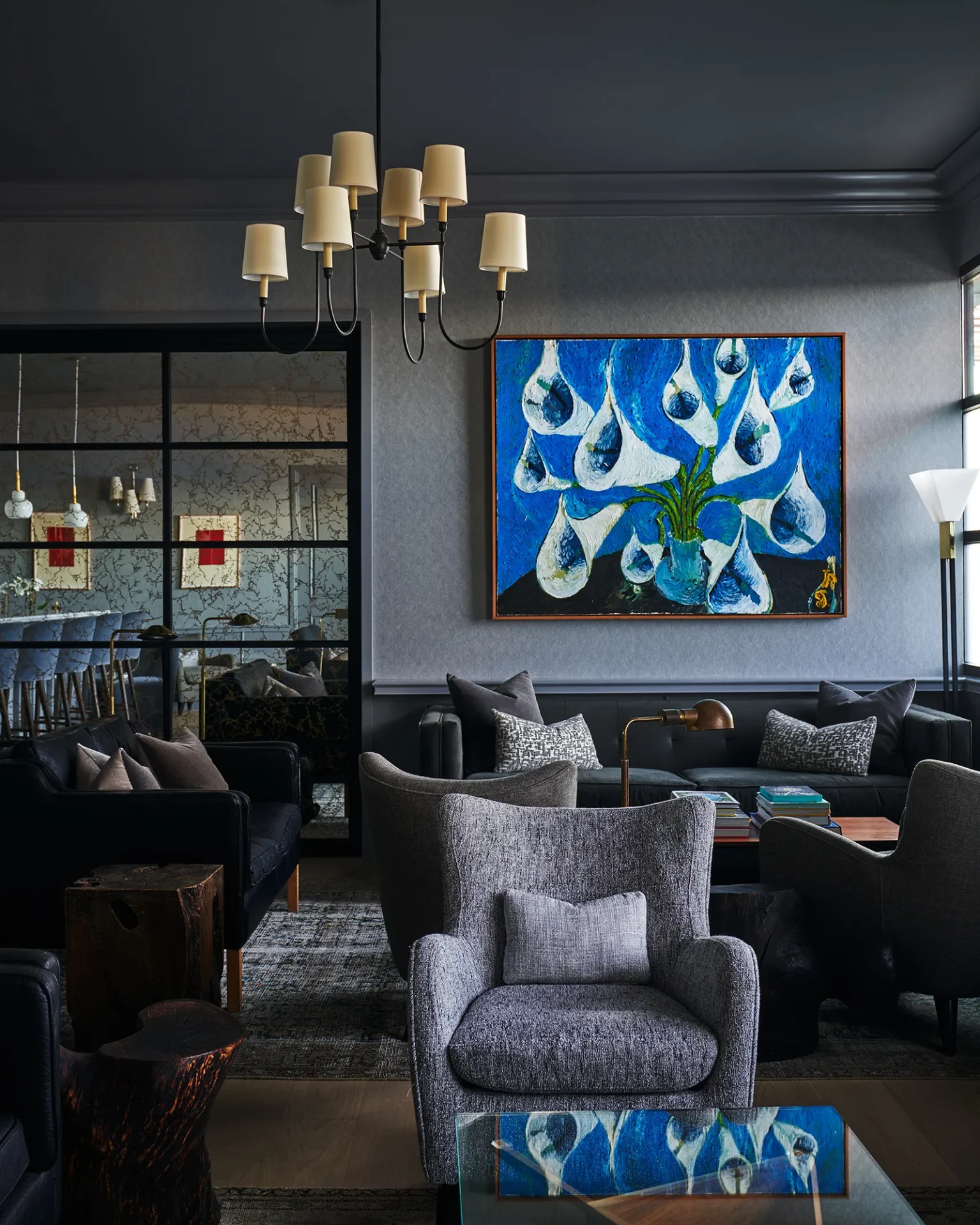
This is PS at LAX, a private, members-only terminal inside the largest airport on the American West Coast. While waiting for the flight, one can book a manicure, a massage or a haircut, or ask for a pair of Normatec Elite compression boots, priced at $1,100, to get the circulation going before take-off. For those who prefer company, there is the Salon: abstract art on the walls, hanging chandeliers and a design by Cliff Fong, a name on Elle Decor‘s A-List.
THE SALON AT PS AT LAX, DESIGNED BY CLIFF FONG · Image courtesy of PS
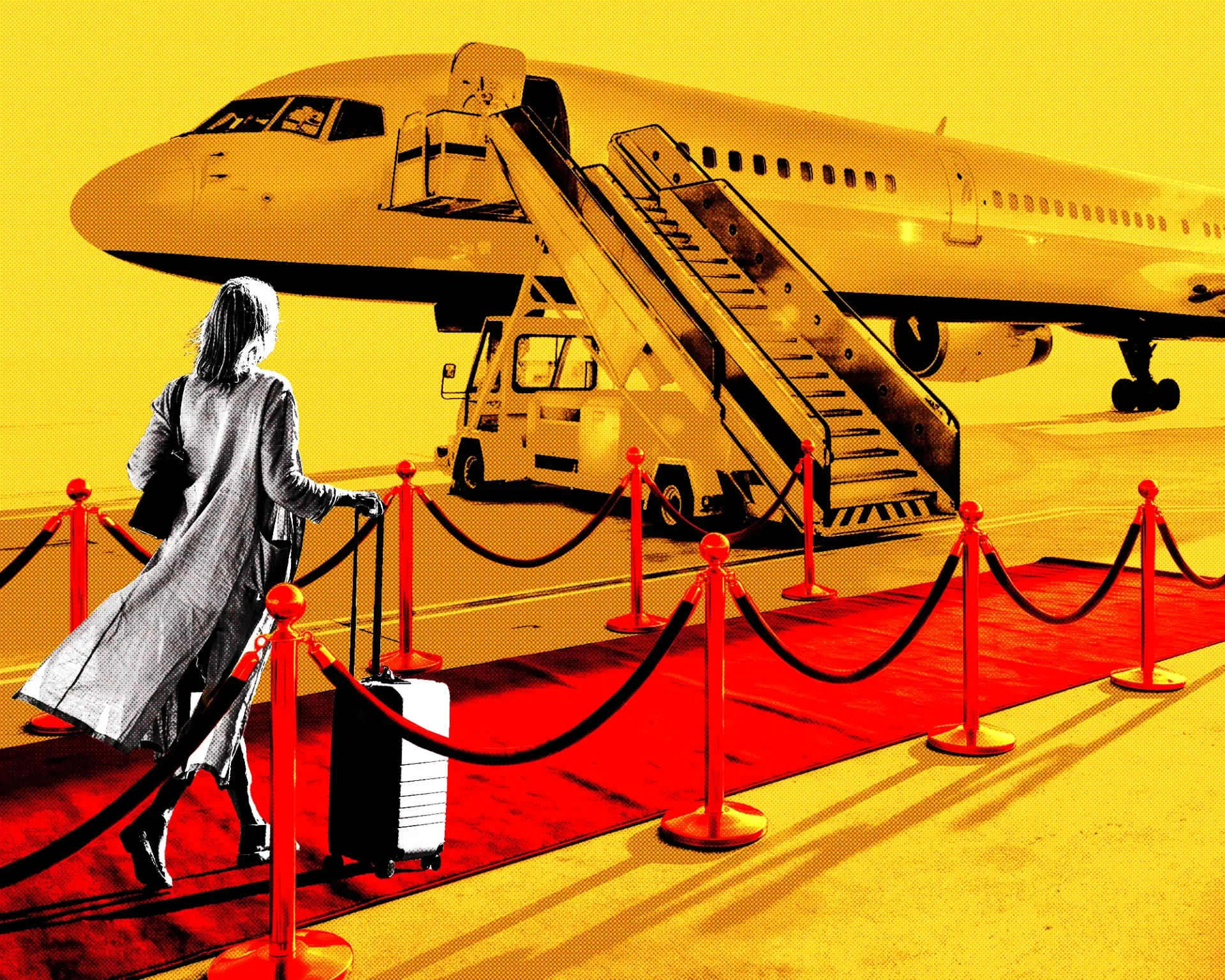
The menu follows the same discretion: coconut chia pudding and a bagel with lox in the morning, duck confit agnolotti or a chicken panini on ciabatta at lunch, New York strip and caviar service in the evening. When it is time to board, a dedicated TSA agent handles screening, and a BMW drives the passenger across the tarmac to the aircraft steps. No boarding groups, no contest for overhead bin space.
The price: what it costs not to wait
A single entry to the Salon, with nothing else, costs $1,295. For frequent flyers, annual membership starts at $1,250 and reaches $4,850. The private suites add another $3,650 or $4,950 per use, depending on membership tier and the number of occupants.
It is no surprise that the place has become a refuge for those who would rather not be seen in commercial terminals, nor by the photographers who watch them. Gigi Hadid, Gabrielle Union, Hailey Bieber, Jamie Foxx and Kourtney Kardashian are among the familiar faces.
But the clientele is no longer only Hollywood. In the past six months the company has opened terminals in Miami, in the historic Pan Am space, and in Dallas, with interiors by Jean Liu. Paris is planned for early 2027. Design, seclusion and the kitchen all help, but chief executive Amina Belouizdad Porter points to a more concrete reason why clients pay thousands of dollars on top of a first-class fare.
“The lack of friction,” she says. “It’s that feeling of boarding without having hacked your way through the jungle.”
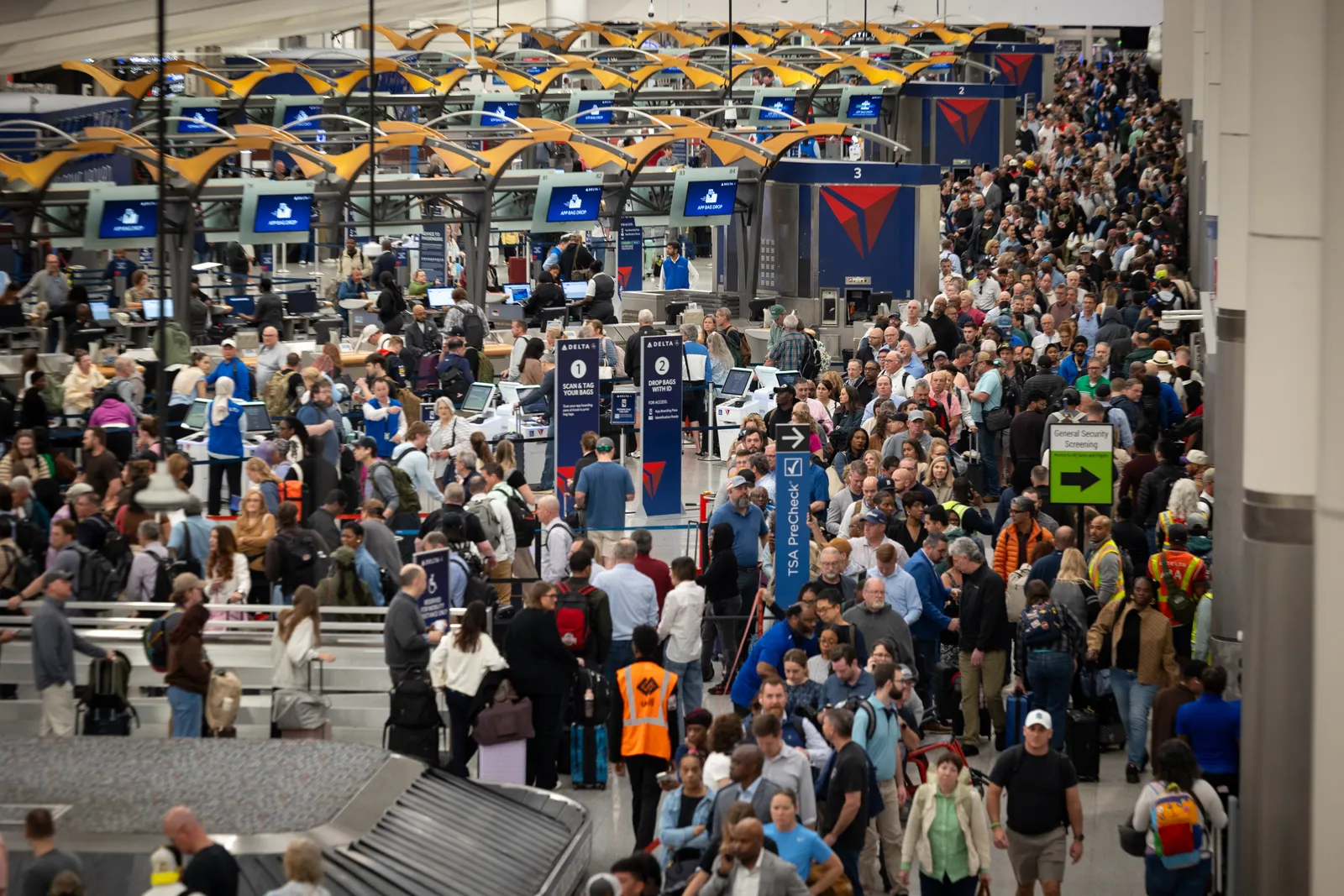
THE QUEUES THAT BECAME ROUTINE IN AMERICAN AIRPORTS DURING FEDERAL SHUTDOWNS
The context: the airport got worse
It is not only the rich and famous who want privacy at the airport. They are, however, the ones who can pay for it, and PS is betting that the American upper class will spend whatever it takes to make commercial flying bearable. There has been no shortage of reasons. The last fiscal year saw three government shutdowns, the longest lasting 76 days. TSA deputy administrator Ha Nguyen McNeill told Congress that the agency faced the longest wait times in its 24 years during the shutdown from 14 February to 30 April 2026. In Atlanta, queues reached five hours.
The collapse came just as air travel had never been busier: in 2025, almost 907 million passengers flew on commercial airlines in the United States. Belouizdad Porter says those crises directly grew PS’s client base.
The lounges, which were supposed to be the escape valve, overflowed too. Chase, American Express, Citi and Capital One turned lounge access into a selling point for their cards, and demand outgrew the floor space. In The New York Times, columnist David Mack summed up the paradox: there have never been so many lounges, and never so many that seemed not worth the effort. At some airports, the lounge queue is longer than the one for security.
There have never been so many lounges, and never so many that seemed not worth the effort.
The middle ground: between first class and the jet
Then there is the price of private aviation. People speak of “the one per cent” to describe jet owners, but only 0.003 per cent of the American population can afford even fractional ownership. Demand soared after the pandemic and prices followed: the average net worth of a jet owner is $190 million, and of a fractional owner, $140 million. Below that sits a legion of people with a few tens of millions trying to escape the ordinary airport.
Sartre had already warned that hell is other people. Before PS, Belouizdad Porter explains, the choice was binary: a round-trip first-class ticket for six thousand dollars, with all the friction of the airport, or a private flight for two hundred thousand. The company occupies exactly the space between the two. “There is a real appetite for that middle ground: the convenience of private aviation without the commitment or the cost of chartering an entire aircraft,” observes Lucie Kittel, founder of the travel consultancy Domino Travel.
And not even the jet solves everything. A midsize model, with six to nine seats, costs between ten and twenty million dollars and flies two to three thousand nautical miles: enough to link New York and California, not to cross the Atlantic. Add the shortage of experienced pilots, who prefer airline salaries, and the advantage larger aircraft hold in bad weather.
The airlines have noticed. Delta has announced more than a billion dollars for the overhaul of its premium cabins, and the new Delta One Terminals at JFK and LAX let first-class passengers skip the TSA line and the general lounge. “Most of my clients flying out of JFK are choosing Delta One,” says Kittel, “and they love the experience.”
The artificial intelligence cycle, the latest chapter in fifteen years of rising markets, has multiplied America’s multimillionaires. Not all of them can fly private, but nearly all can pay to step away from the crowd. That band, below the very top and above everyone else, is what PS and the major airlines are now competing for.
At the tenth terminal in Los Angeles, nobody pushes through because nobody needs to. What is bought there is not comfort. It is the absence of other people, counted in minutes not spent in line.
PS Private members’ terminals: Los Angeles (LAX), Miami and Dallas; Paris planned for early 2027 Single Salon entry: $1,295 Annual membership: from $1,250 to $4,850 Private suites: $3,650 or $4,950 per use, depending on membership and number of occupants
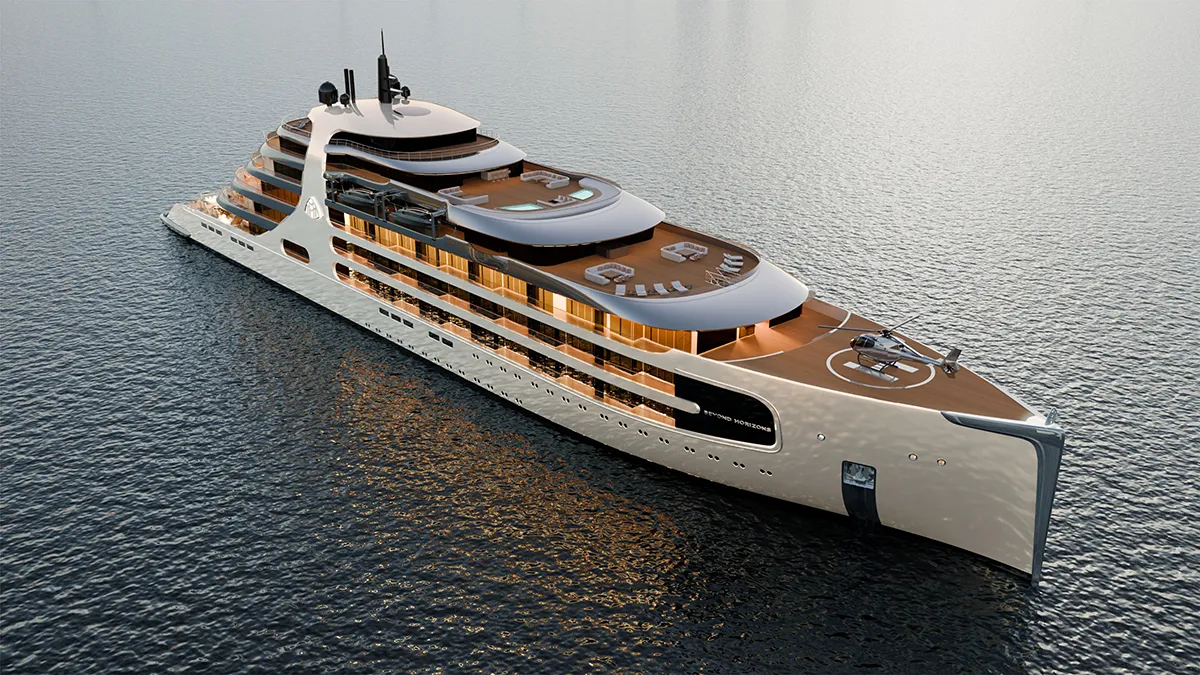
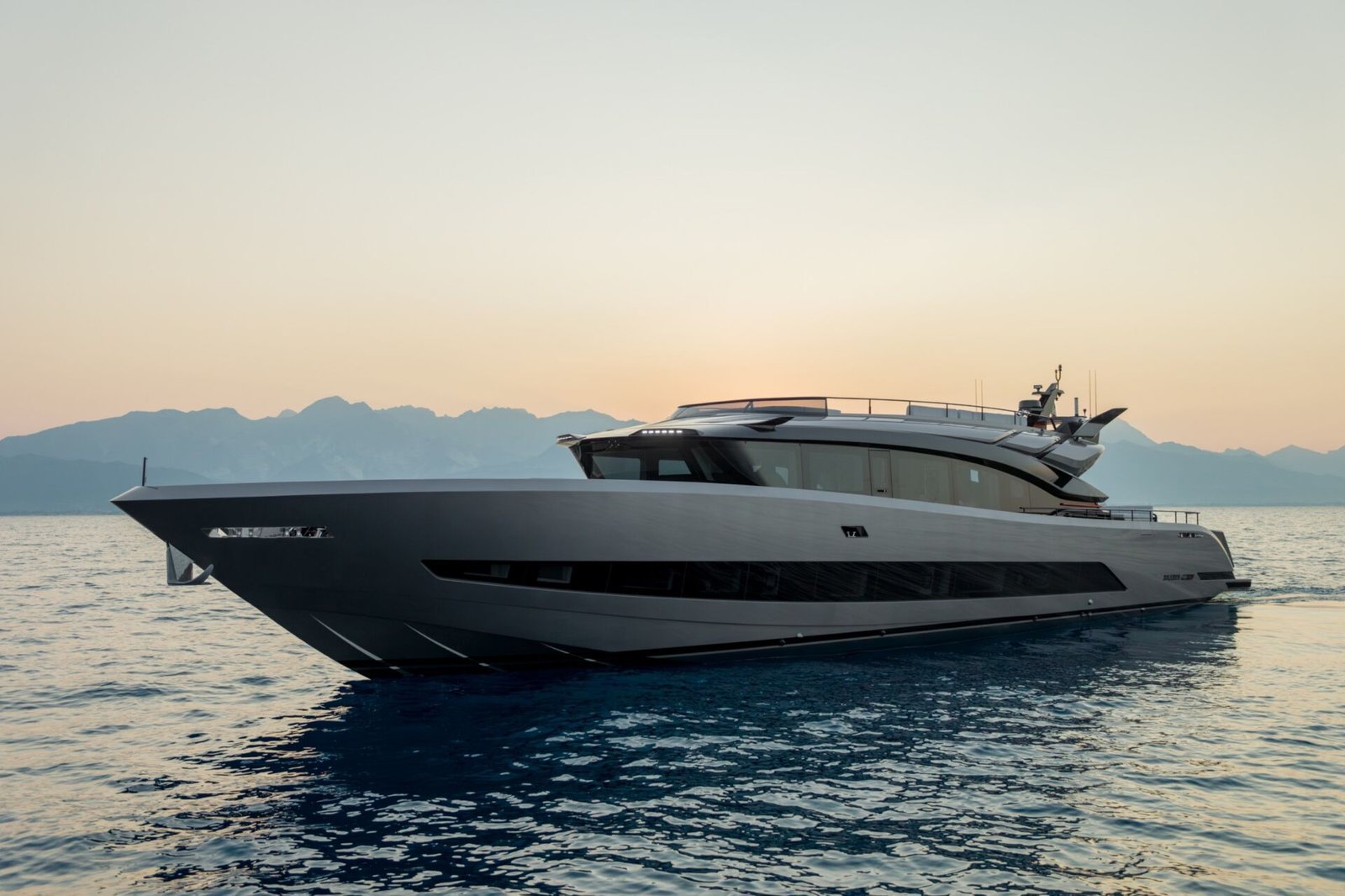
A 155-metre superyacht, 300 co-owners and four weeks a year at sea. With Beyond Horizons, Mercedes-Maybach is betting that the club of the future will have no address, only the right company.
After cars, motorcycles and a residential project in Abu Dhabi, Brabus takes to the sea with three yachts built with AB Yachts. Constantin Buschmann explains why black, carbon and attitude count for more than engineering.
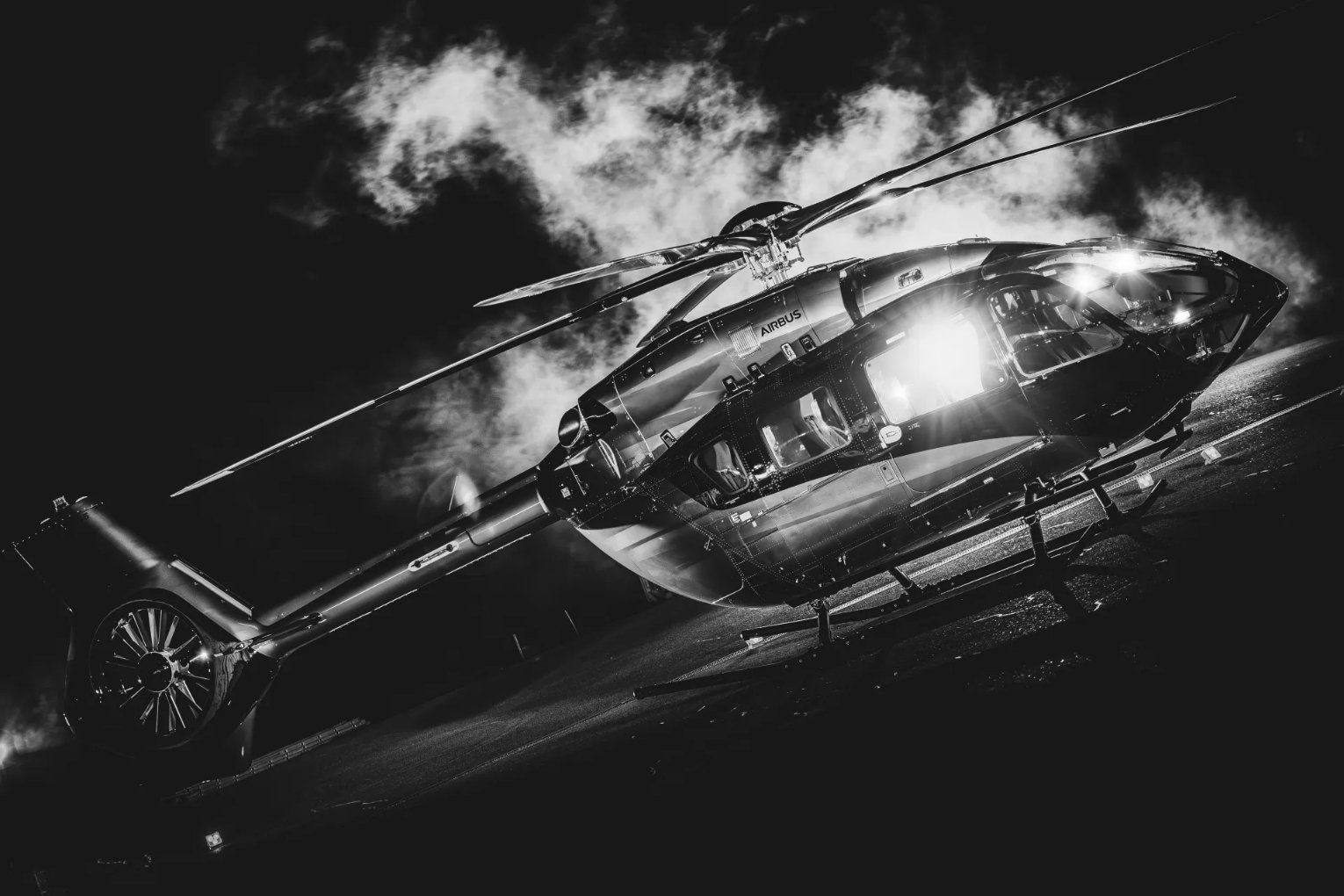
Airbus Corporate Helicopters and Mercedes-Benz have worked together since 2010. Their new ACH145 Mercedes-Benz edition continues that relationship with a cabin whose materials and proportions borrow from automotive design, while remaining subject to the very different requirements of a helicopter.
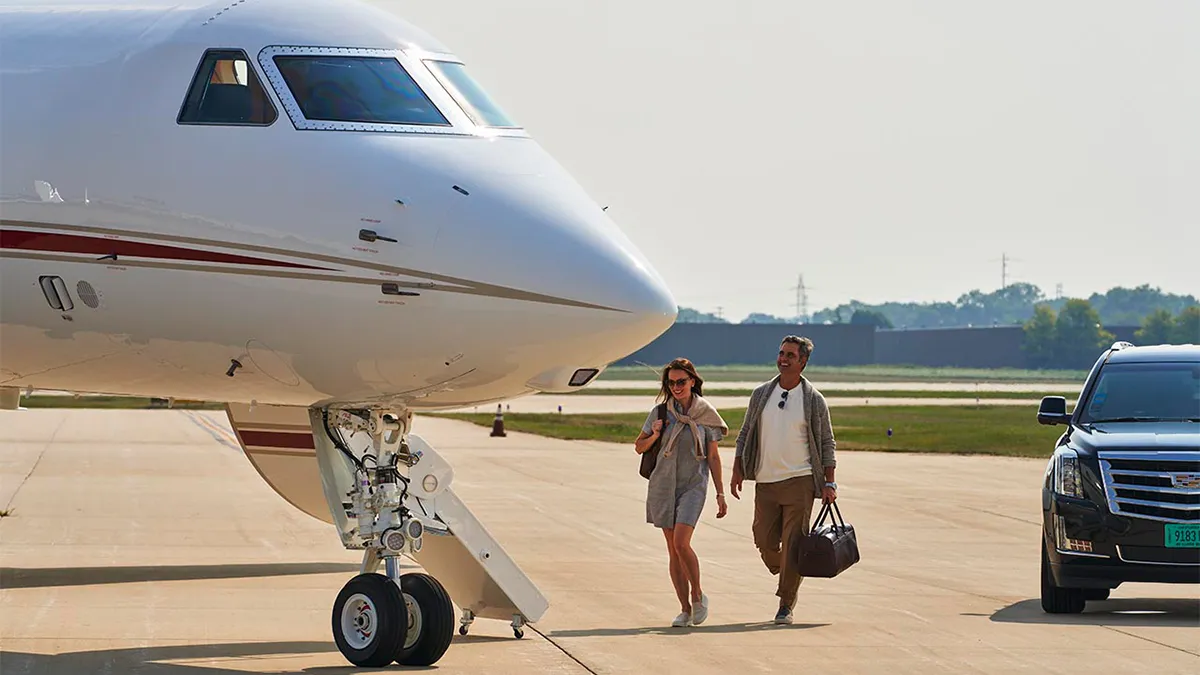
Backed by Guy Oseary and run by Brian Corbett, the invitation-only app lets members host, join or propose shared private flights. Its real proposition is not price, but who sits across the aisle.
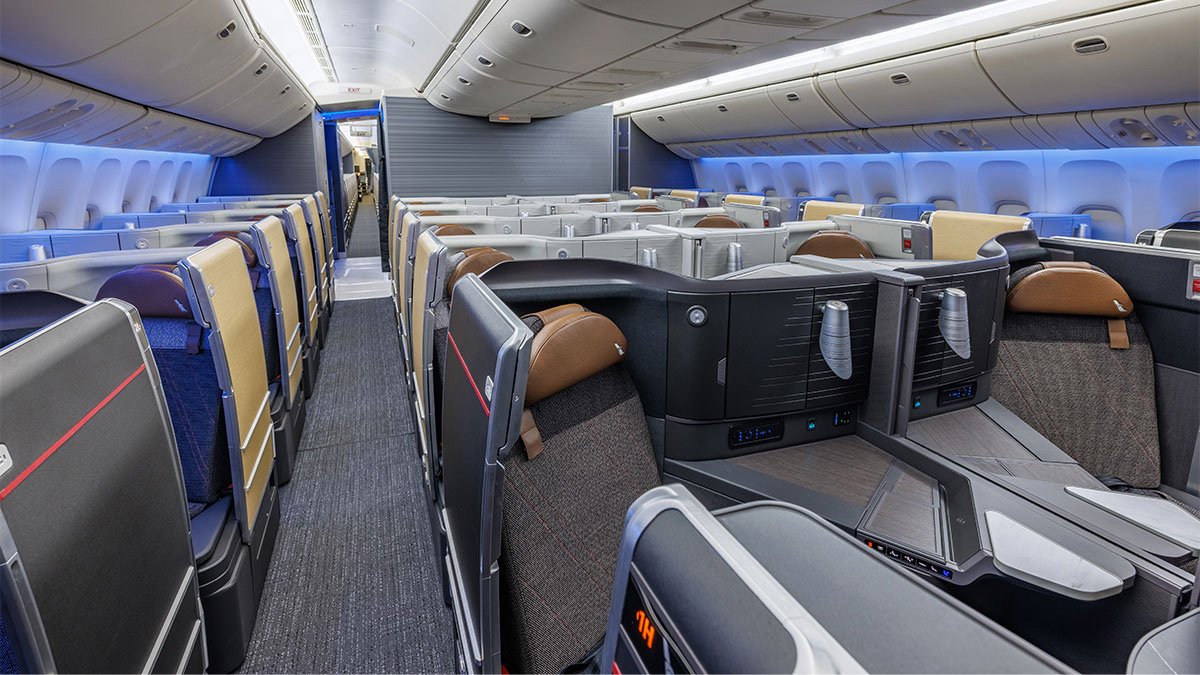
American Airlines is reorganising the front of its Boeing 777-300ER around a different hierarchy. The retrofit removes the traditional Flagship First cabin and places greater emphasis on Flagship Suite business class. The first converted aircraft makes the decision tangible: privacy doors and lie-flat seating become the principal premium proposition, rather than an intermediate step below a separate first class.