Dining / Brief
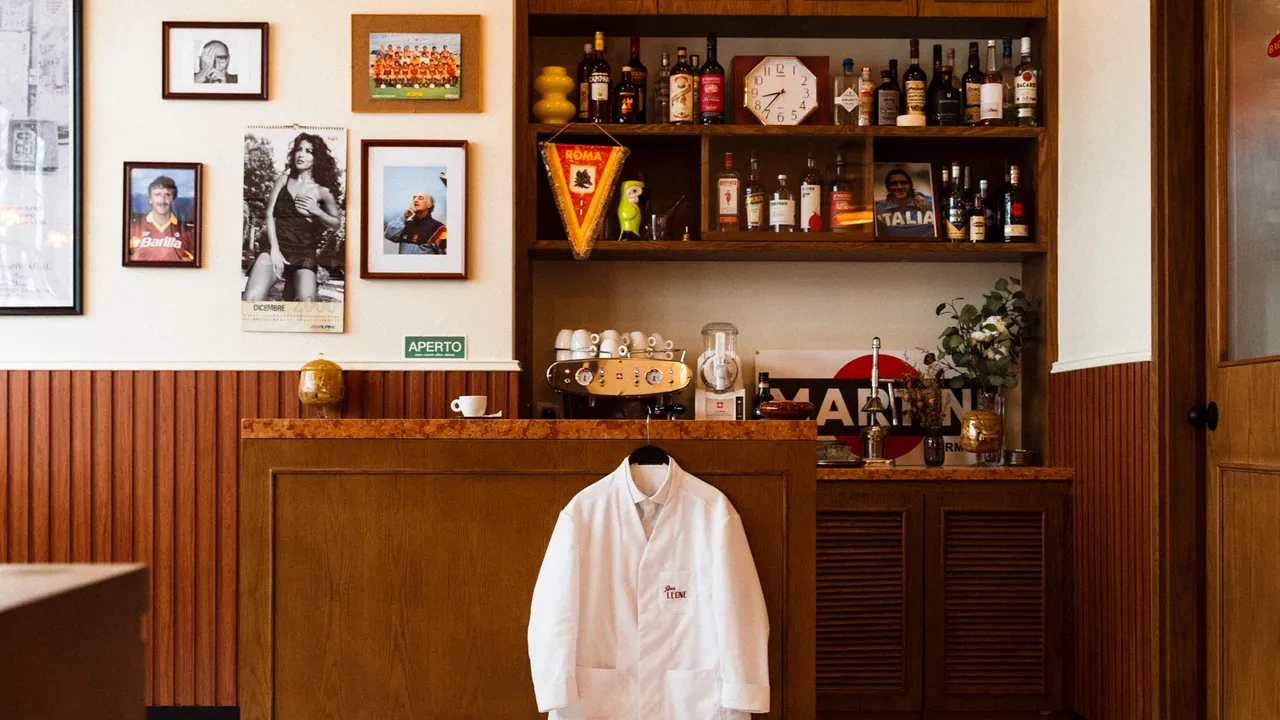
The World’s 50 Best Bars 2026: Bar Leone Holds the Top, and South America Takes the Podium
Hong Kong keeps the crown, Milan plays host and wins, and South America has never been so present. The full ranking, from 1 to 100.

THE CURATED EDITION.
Reportage / Reims
The earliest harvest on record, grapes compared to 1921, 1947 and 1959, and for the first time a 15 per cent alcohol ceiling. Inside Champagne's most unusual year, and what it means for the bottles of 2028.

WAYFARER EDITION · Wine & Spirits | Champagne
In Champagne, time has always been the most expensive ingredient. Years later, it decides whether a harvest becomes a legend or disappears quietly into a blend. In 2026, time spoke louder, and earlier.
This year’s vintage already claims a place of its own, for reasons that mix enthusiasm and caution in equal measure. The grapes reached the presses in near-perfect health. The summer that produced them was among the hottest on record. And, for the first time, France had to raise the alcohol ceiling of one of the most closely guarded appellations in the world.
The numbers tell the story before the winemakers do. Picking began in the Marne on 6 August, the earliest date ever recorded in the region, and was general by around the 17th, while much of France was still on holiday. Many growers came back early so that the harvest, done entirely by hand, could happen at exactly the right moment.
The year was a test of endurance. A spring frost hit almost 40 per cent of the vineyards, flowering came early and five heatwaves accelerated ripening through the summer. Yields settled at around 7,000 kilograms per hectare, against 9,900 in 2025; in many plots the crop fell by almost half.
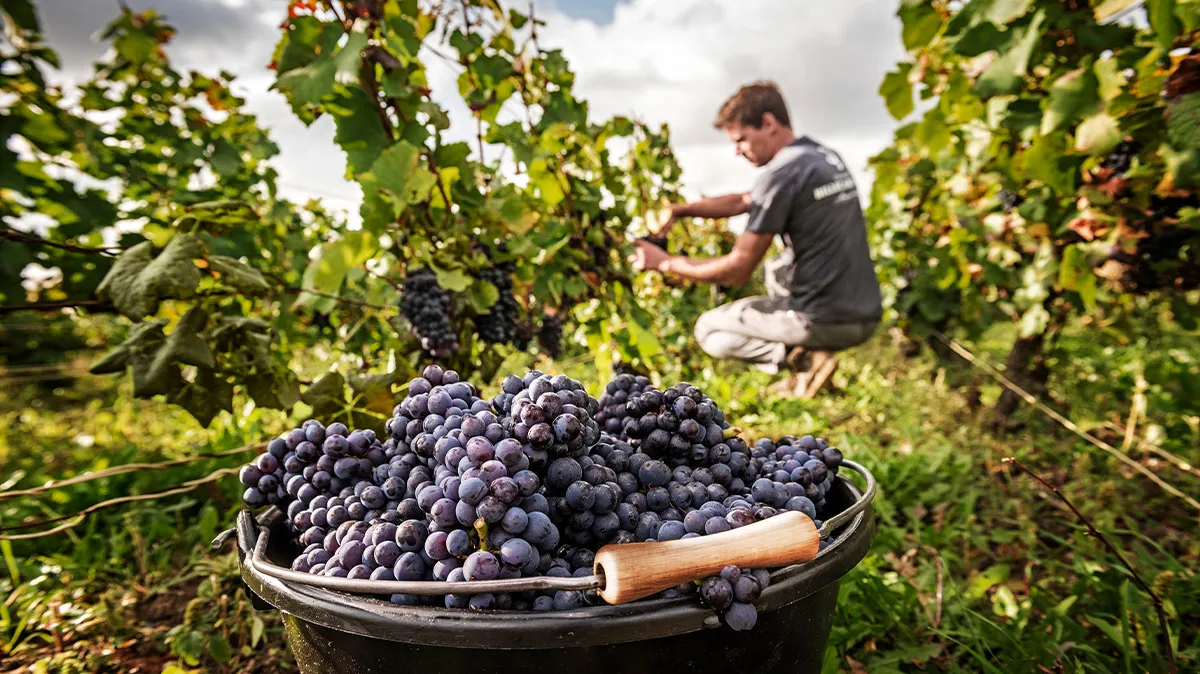
Quality, however, is described from end to end as exceptional. Mathieu Roland-Billecart, the seventh generation of his family at the head of Billecart-Salmon, told the Robb Report that a very sunny, dry year had produced fruit with no rot at all, a vintage free of disease in a way the house had never seen.
The 2026 grapes, in alcohol, acidity and pH, recall the legendary vintages of 1921, 1947 and 1959.
The comparison is Lori Russo’s, and it is not a small one. 1921 was the first vintage of Dom Pérignon. 1947 and 1959 are years collectors still chase at auction. Russo, who directs the official representation of Champagne’s producers in the United States, calls 2026 the most unusual growing season ever recorded in the region.
Heat and fast ripening raised the sugar in the grapes, and in fermentation sugar becomes alcohol. Faced with the risk of many base wines exceeding the usual 13 per cent limit, the trade asked for an exception. INAO, the body that governs French appellations, granted the derogation in early September, and the decree formalising it was published in the Journal officiel on 28 October: for the 2026 vintage, the ceiling rises temporarily to 15 per cent.
That is ordinary for a full-bodied red and almost unthinkable for Champagne. In practice, only a small share of wines is expected to pass 13 per cent, landing between 13.1 and 13.2. Maxime Toubart, co-president of the Comité Champagne, noted that few growers would be affected, but conceded that the situation could become normal within ten to fifteen years.
One detail is worth keeping. The second fermentation, in bottle, which creates the bubbles, adds around 1.2 to 1.5 degrees. The exception covers the 2027 bottlings, and the compulsory ageing only begins to count from January of that year. The first bottles of this richer vintage will therefore reach the market in 2028 at the earliest. The vintage cuvées, much later.
A year of intense concentration and relatively low acidity calls for a light hand. Rémi Vervier, chief executive and winemaker at Palmer & Co, explains that warmer conditions bring richness, concentration and aromatic intensity, but can also lower acidity, which makes preserving freshness, precision and balance the real work of the year. At Palmer that has meant gentle pressing, very precise settling and cool fermentations, with yeast selection and control of malolactic fermentation completing the fine-tuning.

Champagne was the first wine region in the world to measure its own carbon footprint, in 2002 and 2003, and for more than four decades it has invested in research to adapt to a changing climate, from how vines are planted to the choice of rootstock and trials of varieties better suited to heat. At Billecart-Salmon, every vineyard has been converted to organic or biodynamic farming, and herbicides are banned to strengthen the vines’ roots. And there is the region’s oldest defence: reserve wines. Like almost every great house, Billecart keeps wines from many years in its cellars, which protects the house style when a vintage decides to have too much personality.
Whether 2026 will be declared a great vintage, or dissolve discreetly into the multi-vintage blends that sustain the region, remains to be seen. Vervier calls the first indicators particularly encouraging, with everything pointing to wines of striking intensity, aromatic precision and exceptional purity of fruit.
The details. Harvest began on 6 August 2026, the earliest on record, with average yields of around 7,000 kg per hectare. The 15 per cent ceiling applies to the 2026 vintage only, under the decree of 28 October 2026. The first non-vintage champagnes containing 2026 wines are expected from 2028. Private visits and closed tastings at the houses of Reims and Épernay can be arranged by WAYFARER Agency: write to hello@wayfareredition.com.
In Champagne, nobody is in a hurry to declare a legend. The bottles go to sleep in the chalk cellars of Reims and Épernay, and only in a few years will someone open the first and learn whether 1921 has found company. Until then, Lori Russo’s conclusion may be the year’s one certainty: much is changing, but there will always be Champagne.
WAYFARER Edition. New York.
CONTINUE READING
Dining / Brief
Hong Kong keeps the crown, Milan plays host and wins, and South America has never been so present. The full ranking, from 1 to 100.
Wine & Spirits / Brief
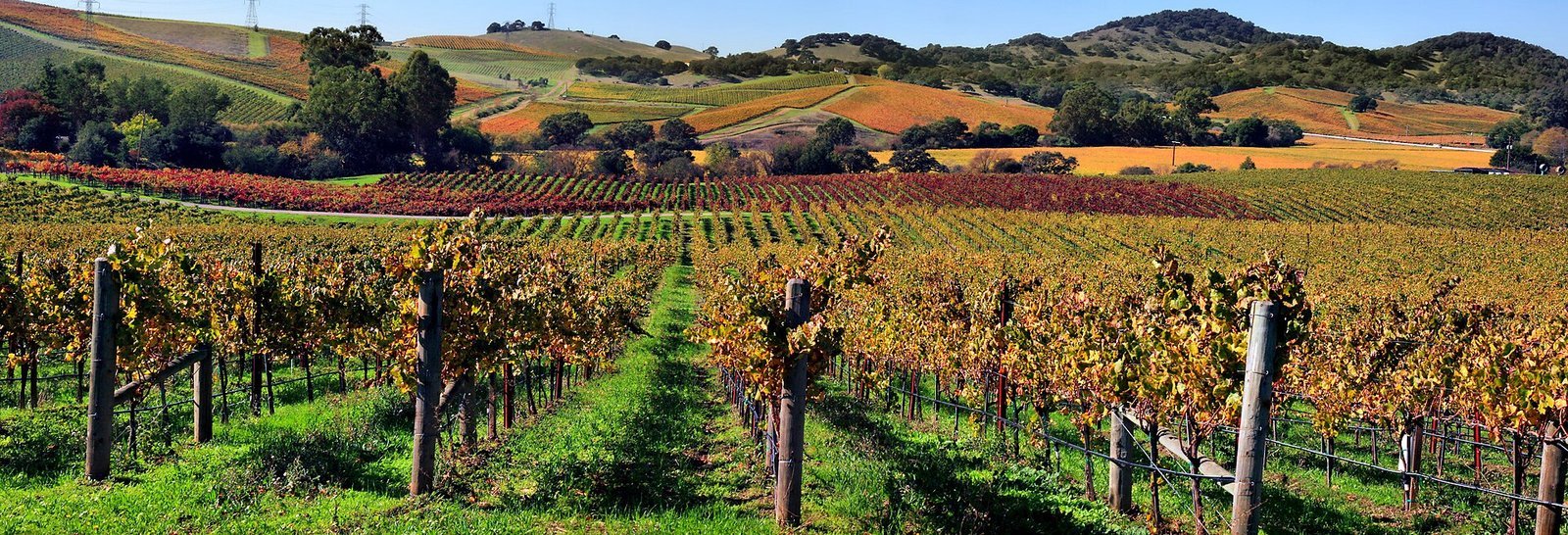
After Burgundy and Bordeaux, Michelin's winery distinction arrives in Napa Valley, its first selection outside Europe, on 23 April 2027.
Wine & Spirits / Reportage
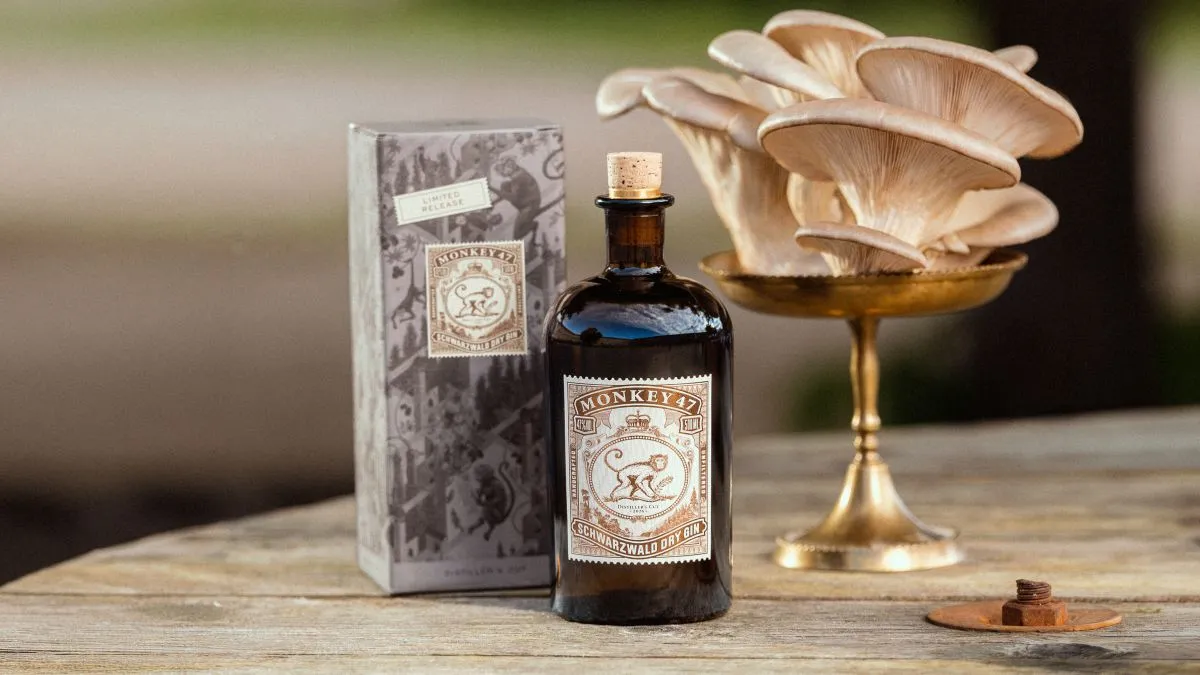
The 2026 Distiller's Cut adds a 48th botanical to the Black Forest gin: oyster mushrooms grown in the cellar of a German fortress, bringing dryness and a savoury edge to the house's floral profile.
Wine & Spirits / Reportage
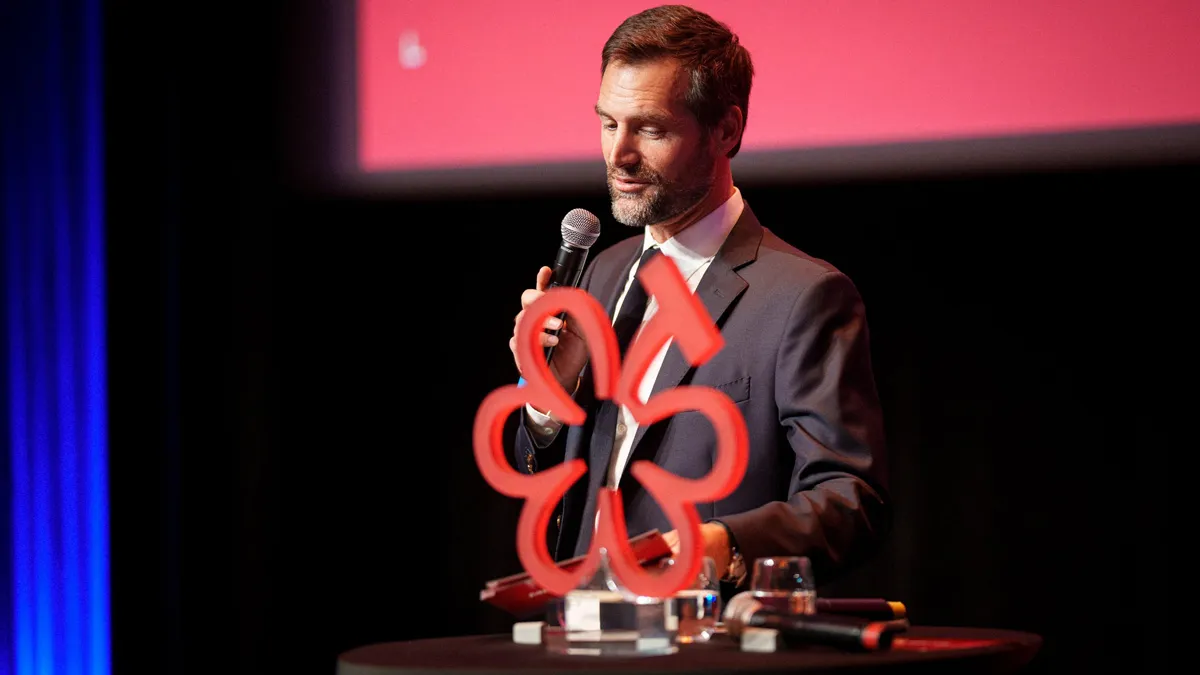
The guide that ranked kitchens in stars now ranks estates in grapes. Its first Bordeaux selection names 83 properties, places two second growths above three first growths and has unsettled a region that has trusted the same hierarchy since 1855.
Wine & Spirits / Reportage
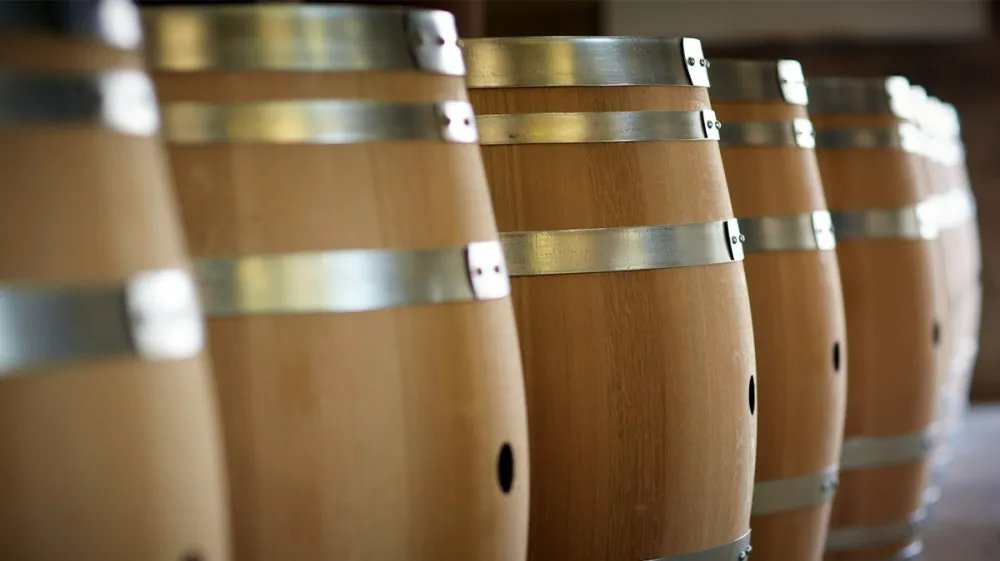
From the Penfolds Grange, raised in American oak since 1951, to the only cooperage inside a Burgundy house, the choice of wood still decides how a great wine speaks.
Wine & Spirits / Reportage
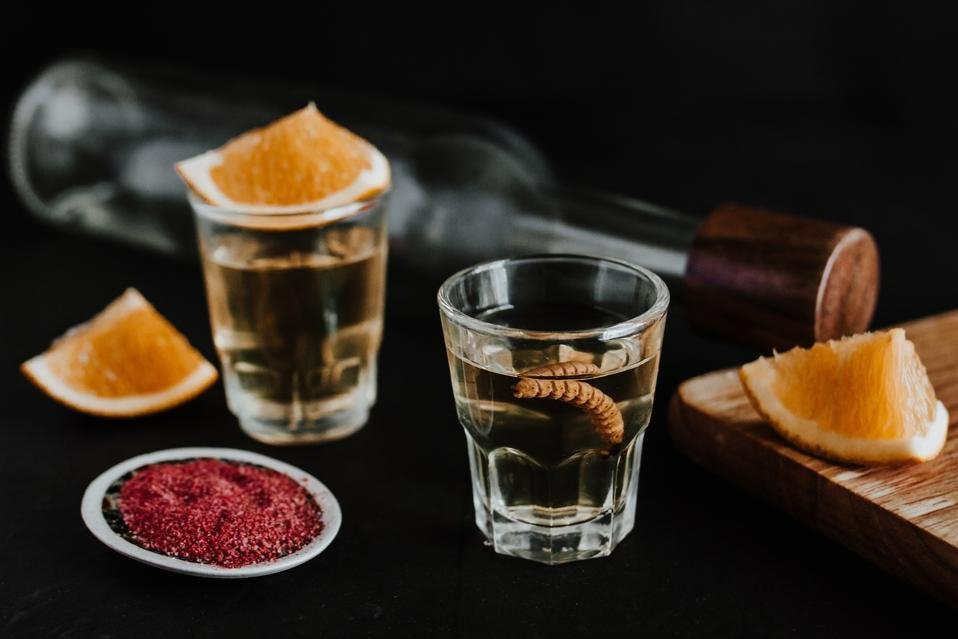
Mezcal is made from dozens of agave species, roasted in earthen pits and sipped slowly. Iván Saldaña, the biologist behind Montelobos, reads it as chemistry turned into flavour.
THE CURATED GLOBE / FROM THE EDITORS
A considered selection of people, places and ideas from WAYFARER Edition, delivered to your inbox.
Free. No data sharing. Unsubscribe in one click.