French oak or American: the barrel as a winemaker’s instrument
From the Penfolds Grange, raised in American oak since 1951, to the only cooperage inside a Burgundy house, the choice of wood still decides how a great wine speaks.
A barrel is never only a container. It is an ingredient, and in the cellar it can change the character of a wine as surely as the grape. Hundreds of varieties make the world’s wines, yet when the conversation turns to wood, it narrows to two: French oak and American. Their differences in grain, handling and tradition still shape some of the most admired bottles on earth.
Two forests, two accents
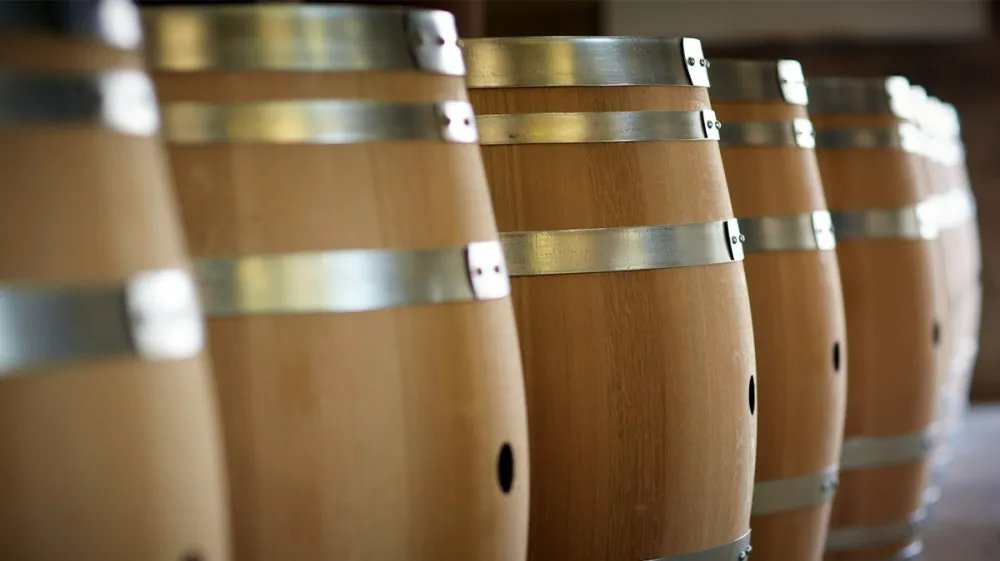
French oak, chiefly Quercus petraea and Quercus robur from forests such as Allier, Limousin, Nevers and Tronçais, is tight in the grain. It gives silky texture, polished tannins and discreet notes of clove, cinnamon, nutmeg, coffee and a little vanilla. American oak, Quercus alba, from states such as Missouri, Minnesota, Ohio, Virginia and Wisconsin, is wider in the grain and louder in the glass: caramel, toffee, coconut, roasted coffee, generous vanilla and firmer tannins.
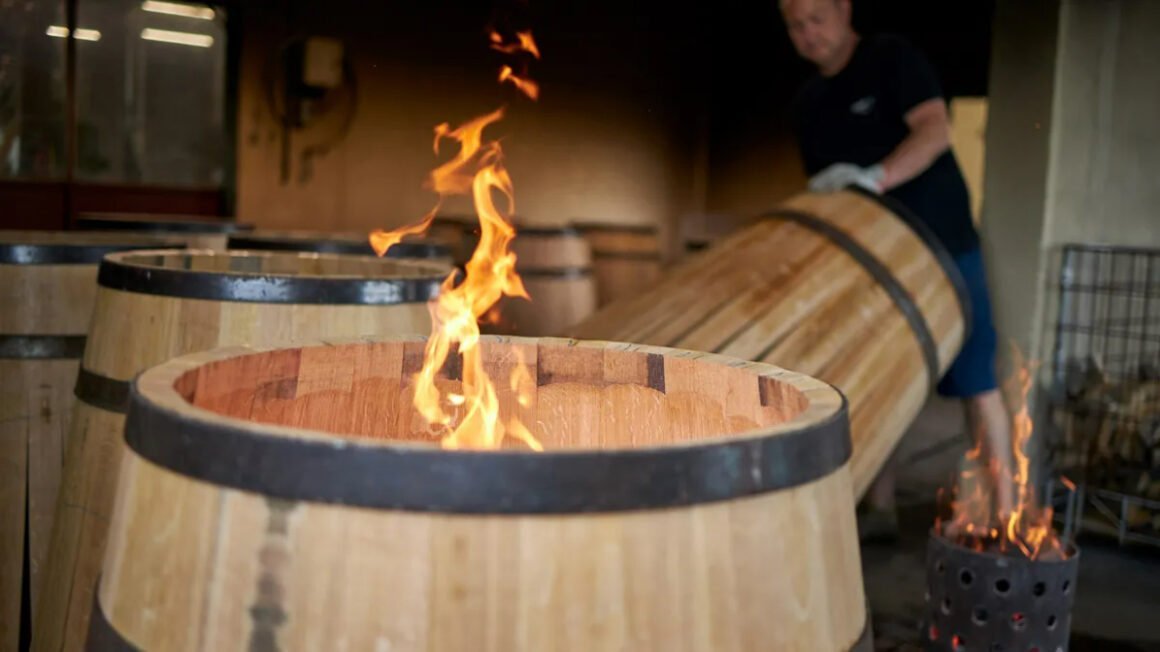
Some treat the choice as a question of style. For houses with centuries behind them, it is a question of identity. In Burgundy, Maison Louis Latour is the only producer to make its own barrels. Its cooperage turns out around 3,500 a year from French oak air-dried outdoors for more than two years; half stay in the house’s cellars, the rest go to Pinot Noir and Chardonnay producers elsewhere. The family’s view is that French oak should amplify what the vineyard gives, never cover it.
THE ONLY COOPERAGE INSIDE A BURGUNDY HOUSE. IMAGE: PRESS
The case for restraint
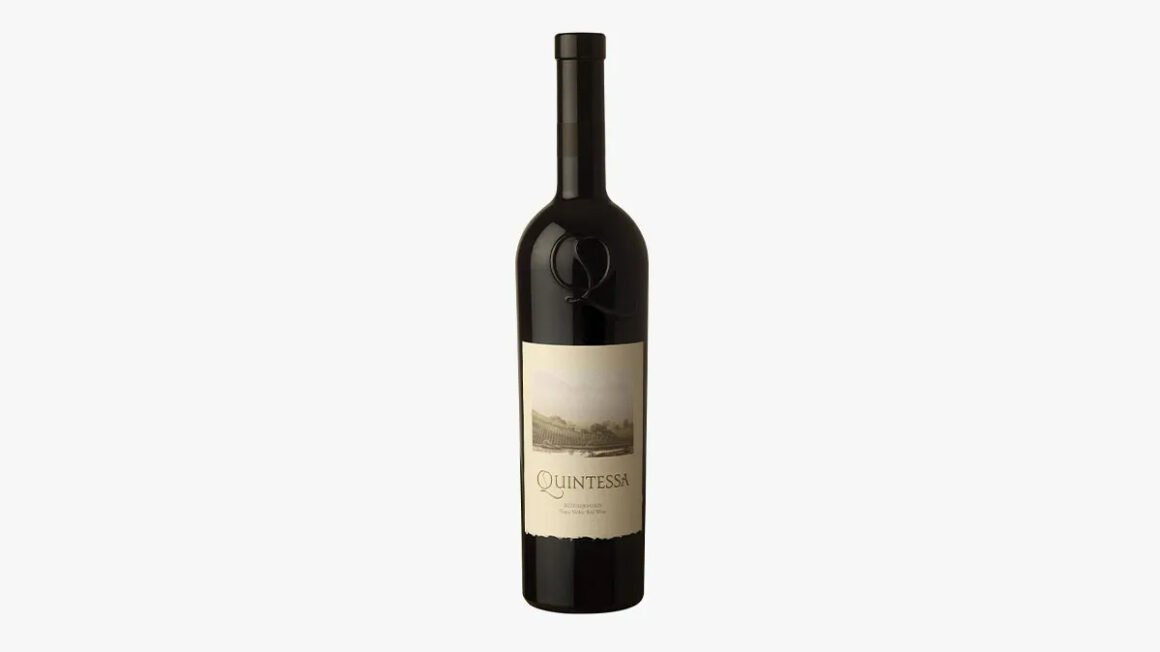
French oak has become shorthand for refinement well beyond France. In Napa Valley, ambitious Cabernet estates use it almost exclusively. At Quintessa, winemaker Rebekah Wineburg avoids American oak as too emphatic for the estate’s style; the wood, in her view, should converse with the wine rather than set its tone.
WOOD THAT LISTENS RATHER THAN SPEAKS. IMAGE: PRESS
In Montalcino, Tommaso Cortonesi matures his I Poggiarelli Brunello for 24 months in tonneaux rather than the large casks of local tradition. The larger format still softens the exchange between wood and wine, keeping freshness and balance in a wine of serious tannic weight. For Cortonesi, French oak frames the finesse of the vineyard without weakening its structure.
The case for volume
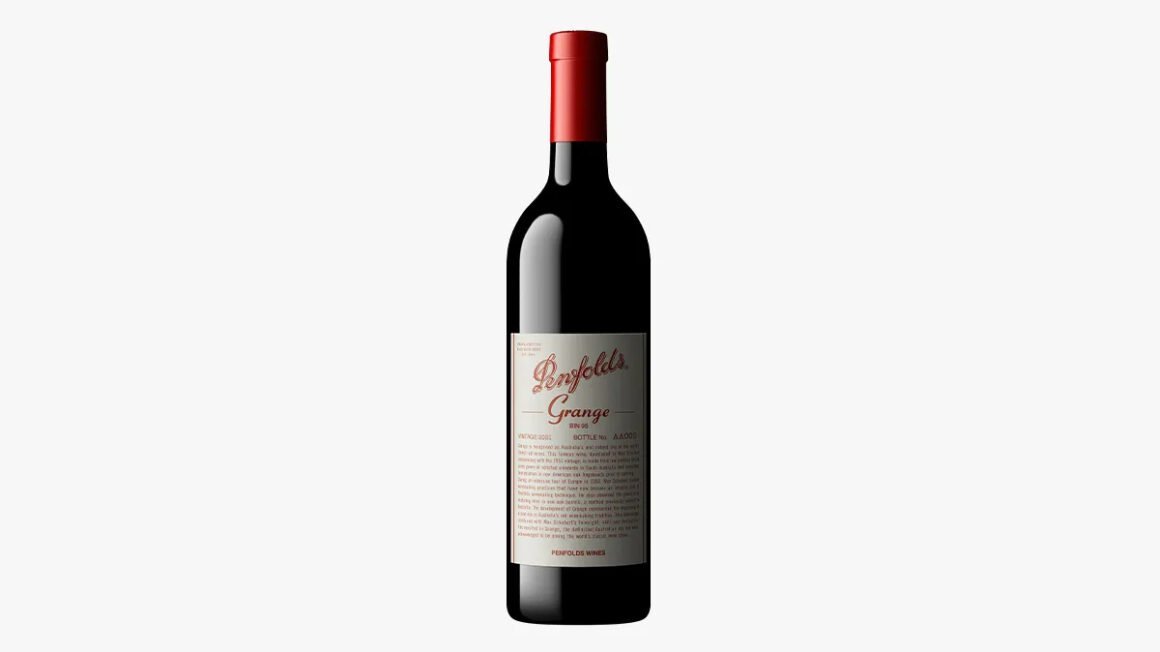
American oak keeps its place wherever a wine has the fruit to carry it. In Australia it is almost inseparable from great Shiraz, whose generosity absorbs even new barrels. Penfolds Grange has been shaped by American oak since Max Schubert’s first experimental vintage in 1951, and that sweet, spiced frame has become part of the wine’s signature.
A SIGNATURE WRITTEN IN AMERICAN OAK. IMAGE: PRESS
California tells a different story. Ridge Vineyards has stayed loyal to American oak since the 1960s, when Paul Draper argued that an American Cabernet raised in French wood risked reading as an imitation of Bordeaux. For Draper and those who followed him, American oak respected the character of Monte Bello, and spared the barrels a transatlantic journey.
Both, in proportion
Many producers refuse to choose. In Rioja, Bodegas Muga runs its own cooperage and ages Prado Enea Gran Reserva in a blend of French and American barrels, with French oak in the majority. Technical director Isaac Muga Palacín holds that the balance avoids rusticity while adding aromatic complexity.
The choice, in the end, is not a contest between schools but a matter of precision. French oak serves wines built on nuance and finesse. American oak gives power, sweetness of aroma and intensity a fitting frame.
A barrel is a forest that has agreed to wait. Two years drying in the open air, two more holding a wine in the dark, and then it speaks, quietly or not, in every glass poured from it. The winemaker’s art is deciding which voice the vineyard deserves.
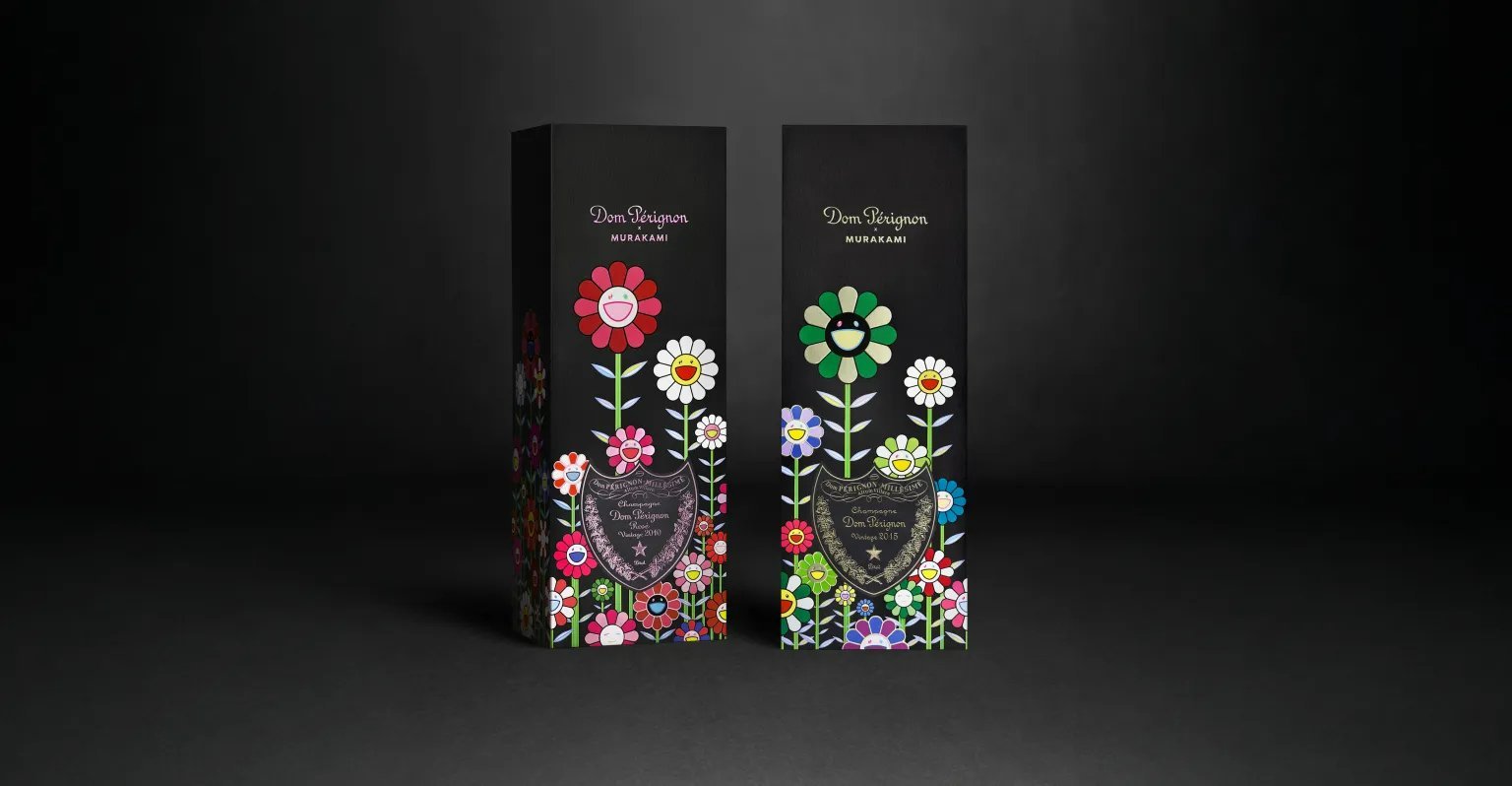
For Vintage 2015 and Rosé Vintage 2010, Takashi Murakami replaced the vines on Dom Pérignon's labels with his smiling flowers, a meeting of two cultures of patience that Chef de Cave Vincent Chaperon calls harmony.
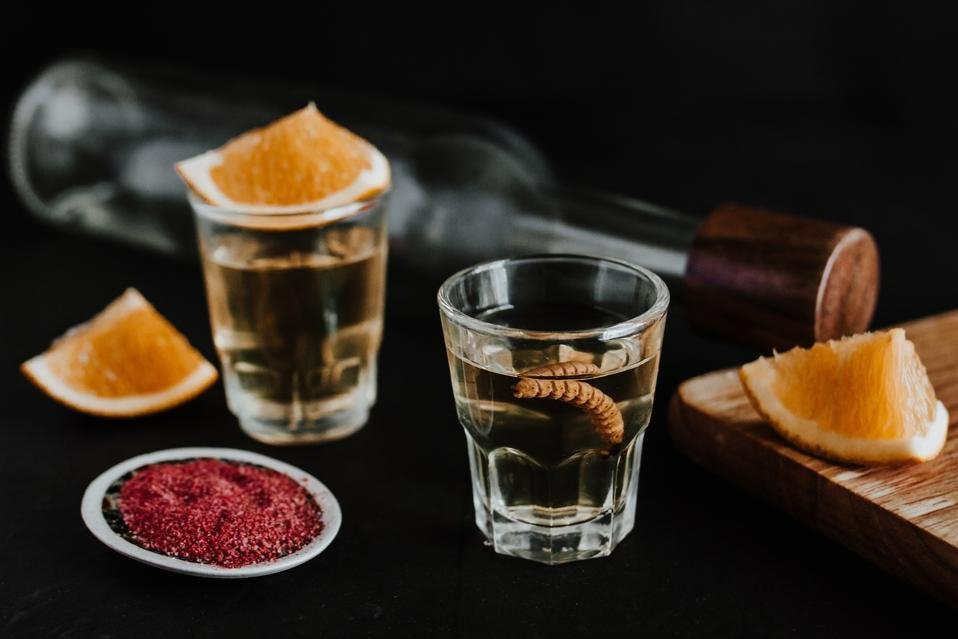
Mezcal is made from dozens of agave species, roasted in earthen pits and sipped slowly. Iván Saldaña, the biologist behind Montelobos, reads it as chemistry turned into flavour.
The guide that ranked kitchens in stars now ranks estates in grapes. Its first Bordeaux selection names 83 properties, places two second growths above three first growths and has unsettled a region that has trusted the same hierarchy since 1855.