Mezcal is made from dozens of agave species, roasted in earthen pits and sipped slowly. Iván Saldaña, the biologist behind Montelobos, reads it as chemistry turned into flavour.
Mezcal is not tequila’s rustic cousin. It is the older, quieter relation, the one who speaks last at the table and says the most interesting thing. Tequila belongs to the party. Mezcal belongs to the hour after it, when the room has thinned and there is time to listen.
A SPIRIT THAT TAKES ITS TIME. IMAGE: PRESS
A wider family tree
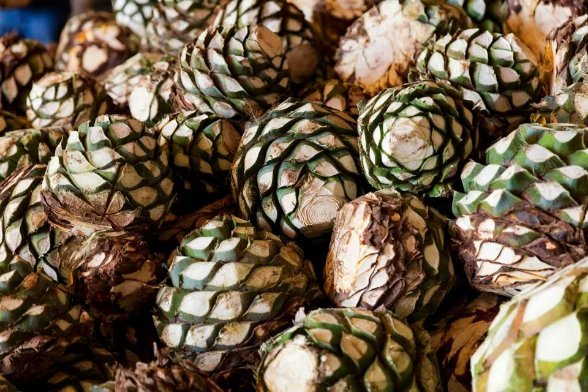
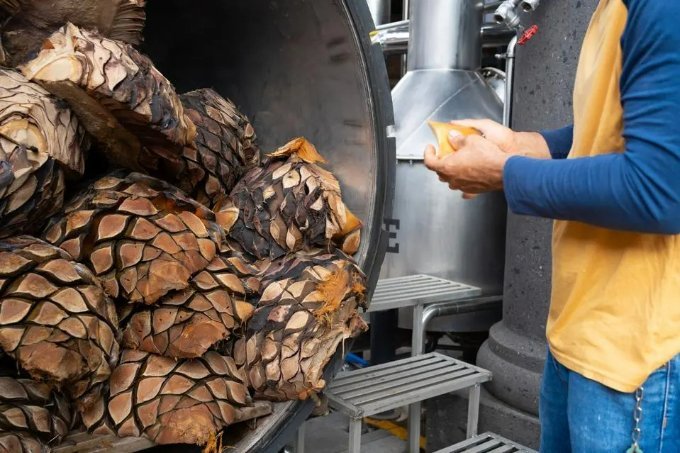
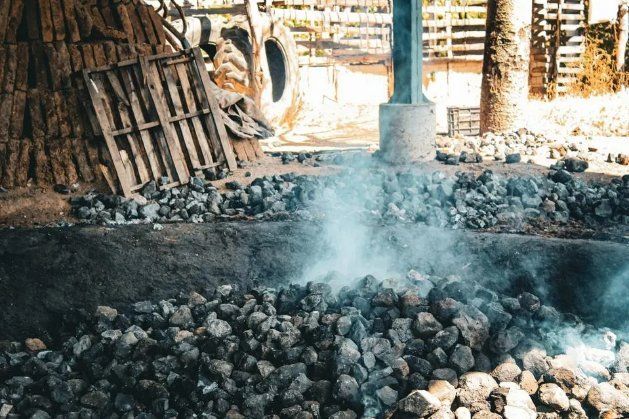
Both spirits begin with agave, but the resemblance ends there. Tequila is bound to a single plant, the blue Weber, and to a defined territory centred on Jalisco. Mezcal draws on dozens of agave species across a denomination of origin that now spans ten Mexican states, with Oaxaca as its spiritual capital. The hearts of the plant, the piñas, are roasted for days in earthen pits lined with stone before they are crushed, fermented and distilled. What reaches the glass is a reading of place: soil, altitude, species and the hands of the maker.
Iván Saldaña, the founder and master distiller of Montelobos, came to mezcal through the laboratory. A biologist by training, he wrote his doctorate on how agaves survive arid conditions, and found that the same chemistry that lets the plant endure the desert also shapes its aromas. Saldaña describes the discovery as the moment his chemical knowledge became something he could taste. Montelobos was built on that crossing of science and palate.
THE HEART OF THE PLANT, BEFORE THE FIRE. IMAGE: PRESSSMOKE, STONE AND SLOW WORK. IMAGE: PRESS
Four plants, four temperaments
Each species leaves its own signature. Espadín, the most widely planted, is balanced, with citrus and smoke. Tobalá grows wild and gives floral, earthy notes. Tepeztate is green and mineral. Arroqueño brings weight and a buttery sweetness. The chemical range is so wide that Saldaña argues no laboratory could fully map a single drop.
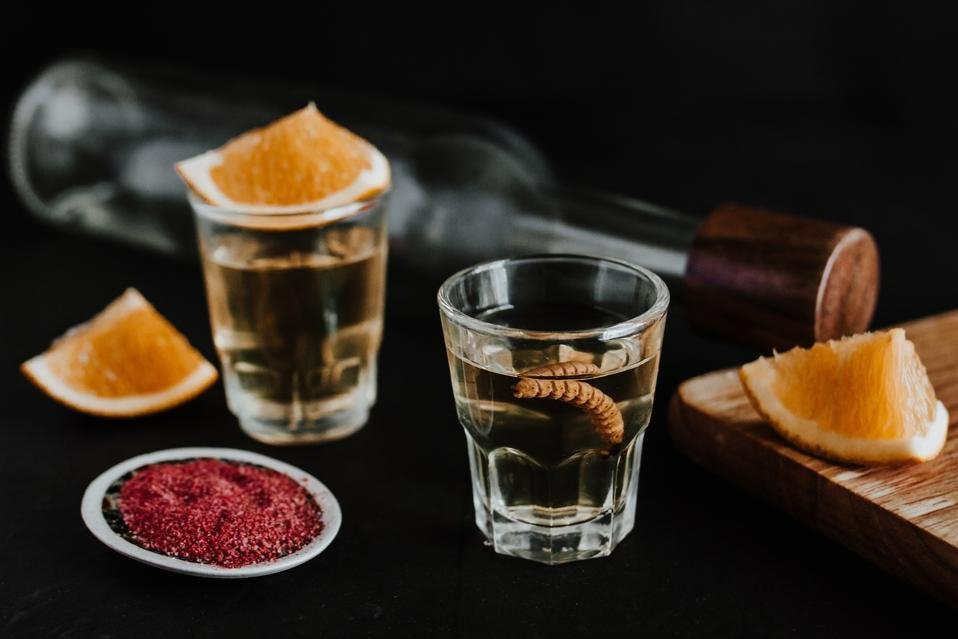
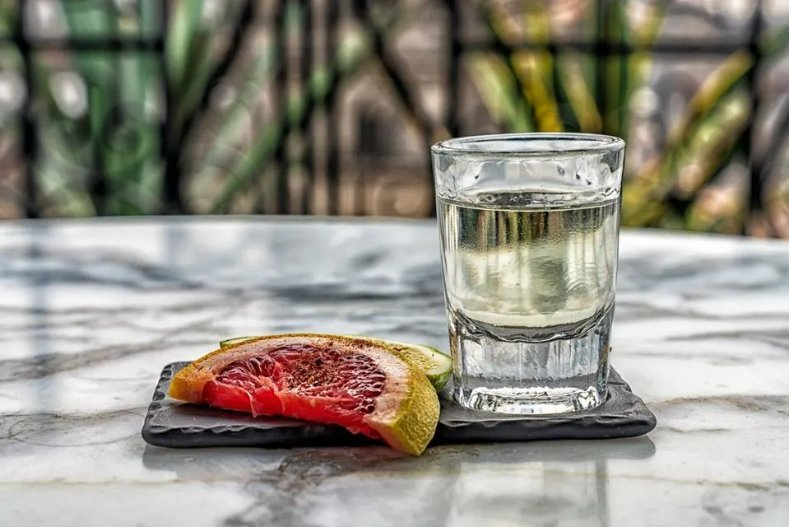
Drinking it is an exercise in attention. Mezcal is not a shot with a wedge of lime; it is sipped neat, ideally from a small clay copita, and it opens a little more with every mouthful. Newcomers are usually pointed towards balanced bottlings such as Montelobos Espadín, Ilegal Joven or Bozal Ensamble, and towards the idea that each glass is a short lesson in Mexican biodiversity.
SIPPED, NEVER RUSHED. IMAGE: PRESS
The cost of being loved
Global success has brought its own pressures. An agave can take seven years or more to mature, and the wood that fires the pits and stills puts strain on local forests. Montelobos answers with agave that is cultivated and certified organic, and with a partnership model in which the maestro mezcalero families share ownership of the name and the palenque. It is one response from a category trying to grow without losing its roots.
Behind the bar, mezcal now carries the Negroni and the Old Fashioned in new directions. Its truer setting, though, remains the quiet glass, the moment when a single sip is enough to bring the landscape of southern Mexico into the room.
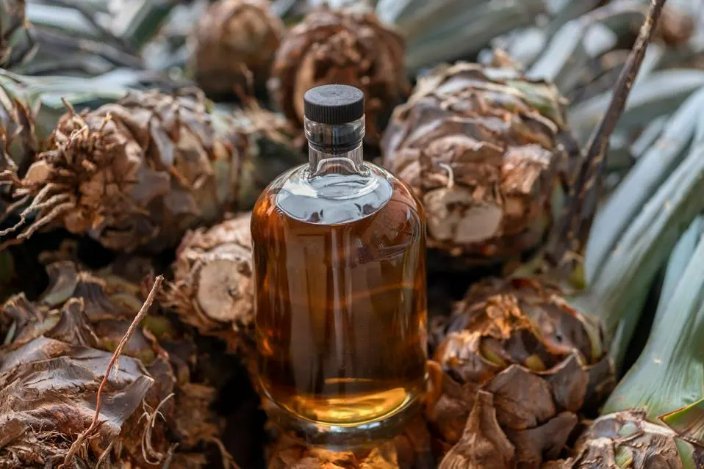
A LANDSCAPE, DISTILLED. IMAGE: PRESS
Mezcal asks for the one thing a modern drinker is least willing to give: time. Seven years in the field, days in the pit, minutes in the glass. Give it that, and the quiet relation at the end of the table turns out to have been the most interesting guest all along.
Details: Montelobos Mezcal is produced in Santiago Matatlán, Oaxaca, and distributed internationally by Campari Group. campariacademy.com
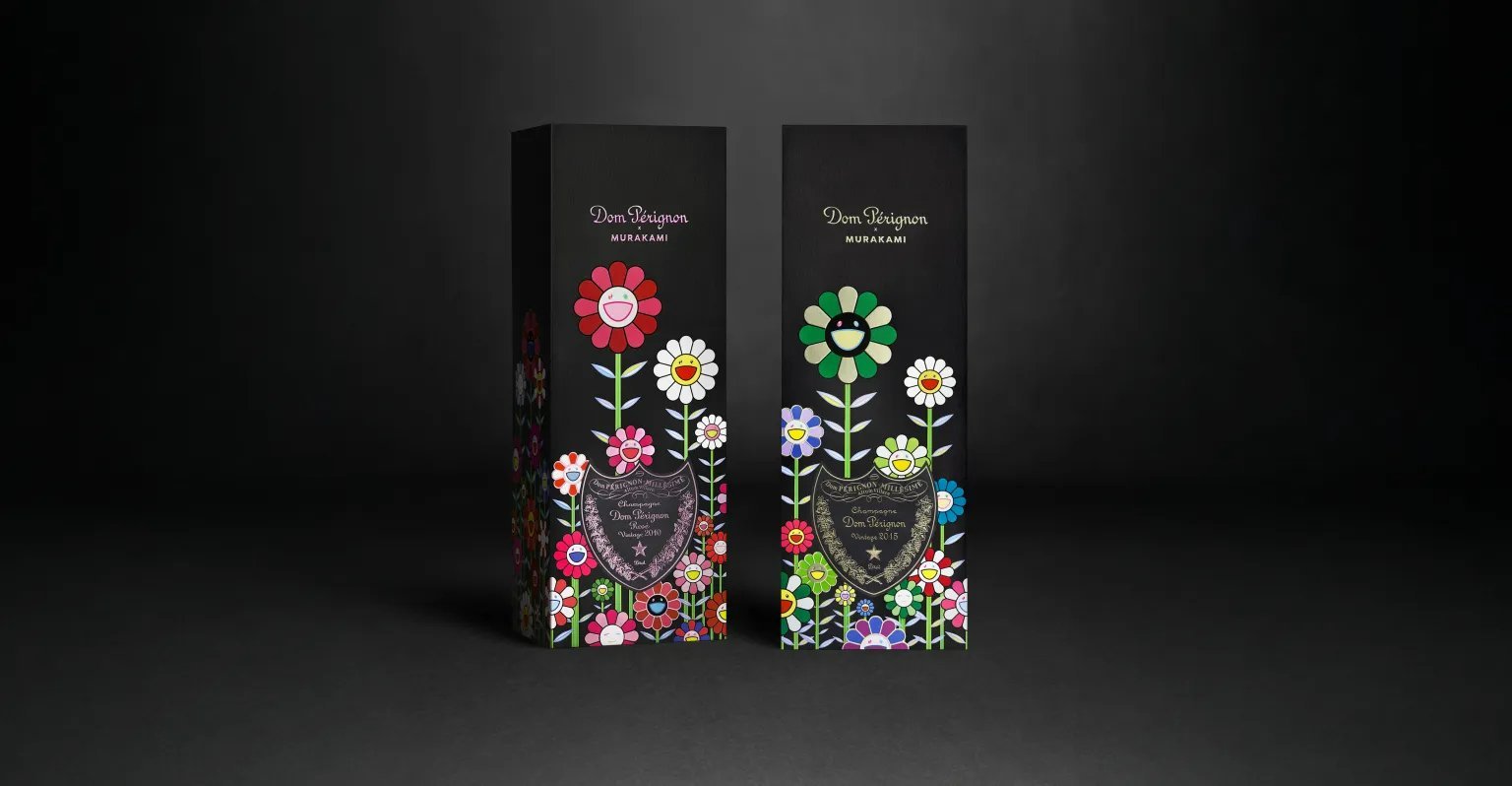
For Vintage 2015 and Rosé Vintage 2010, Takashi Murakami replaced the vines on Dom Pérignon's labels with his smiling flowers, a meeting of two cultures of patience that Chef de Cave Vincent Chaperon calls harmony.
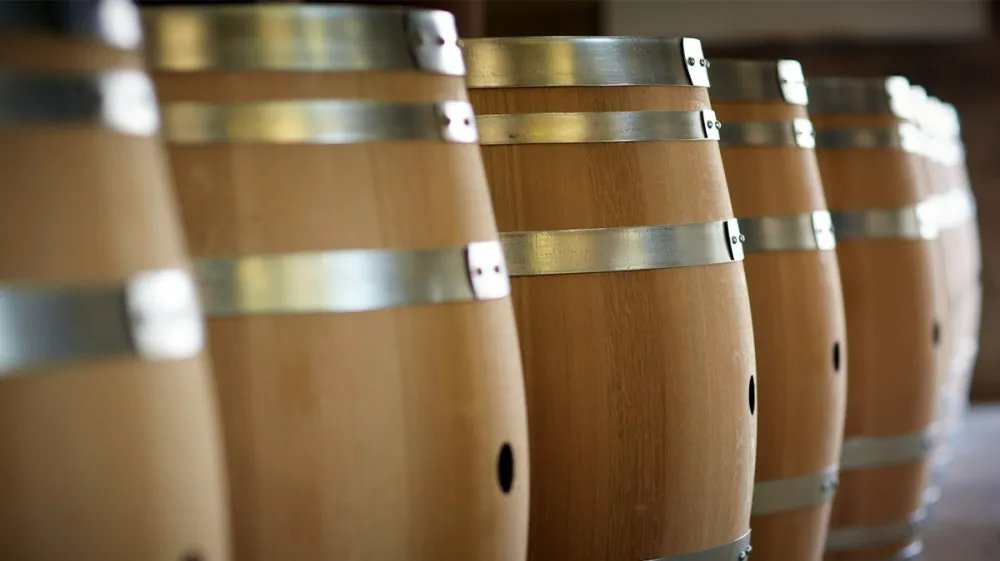
From the Penfolds Grange, raised in American oak since 1951, to the only cooperage inside a Burgundy house, the choice of wood still decides how a great wine speaks.
The guide that ranked kitchens in stars now ranks estates in grapes. Its first Bordeaux selection names 83 properties, places two second growths above three first growths and has unsettled a region that has trusted the same hierarchy since 1855.