Michelin brings its grapes to Bordeaux, and quietly redraws 1855
The guide that ranked kitchens in stars now ranks estates in grapes. Its first Bordeaux selection names 83 properties, places two second growths above three first growths and has unsettled a region that has trusted the same hierarchy since 1855.
Bordeaux has never lacked judges. What it has lacked, for most of its modern history, is a judge with nothing to sell. That is the position the MICHELIN Guide now occupies, and it explains why a list of 83 estates has caused more discussion than its size would suggest.
For more than a century the guide measured kitchens in stars. More recently it began measuring hotels in keys. In early September, at a ceremony at the Cité du Vin, it applied the same logic to the most scrutinised vineyards in the world, presenting its first Bordeaux selection two months after a first chapter in Burgundy. The result reorders, without asking permission, a hierarchy the region has taken seriously since 1855.
Grapes in place of stars
The system replaces the star with the grape. One grape signals a very good producer, two an excellent one, three an exceptional one. Beneath them sits a simple mention in the selection, reserved for estates the guide considers worth knowing but not yet at the first grape. In Bordeaux, 21 properties were placed at that level, 37 received one grape, 16 received two and nine reached the top.
Five criteria frame the assessment: quality of agronomy, technical mastery, identity, balance and consistency. Wines are tasted across several vintages, and the unit being judged is the estate rather than a single bottle. That choice, as the debate has shown, is both the method’s strength and its most exposed point.
Château La Conseillante, Pomerol, one of nine estates awarded three grapes. Photo: Château La Conseillante
A Bordeaux of noble addresses
The selection covers the appellations that move auction rooms and cellar lists. On the Left Bank, the communes of the Médoc and Pessac-Léognan. On the Right Bank, Pomerol and Saint-Émilion. And the sweet wines of Sauternes and Barsac. Estates making serious wine outside that circuit, in Bordeaux Supérieur, among the Crus Bourgeois or in Entre-Deux-Mers, are absent by design.
For a buyer of famous labels the scope is logical. For anyone who follows the region closely it is where the initiative loses force. The Bordeaux that would gain most from an independent guide is the one beyond the famous names, where a good purchase depends on information, and that Bordeaux remains off the map for now.
The 1855 order, revised
The nine three-grape estates are Lafite Rothschild, Léoville Las Cases and Montrose on the Left Bank; Petrus, La Conseillante and Lafleur in Pomerol; Cheval Blanc and Figeac in Saint-Émilion; and d’Yquem in Sauternes. Of the five red first growths of the 1855 classification, only Lafite reached the top tier.
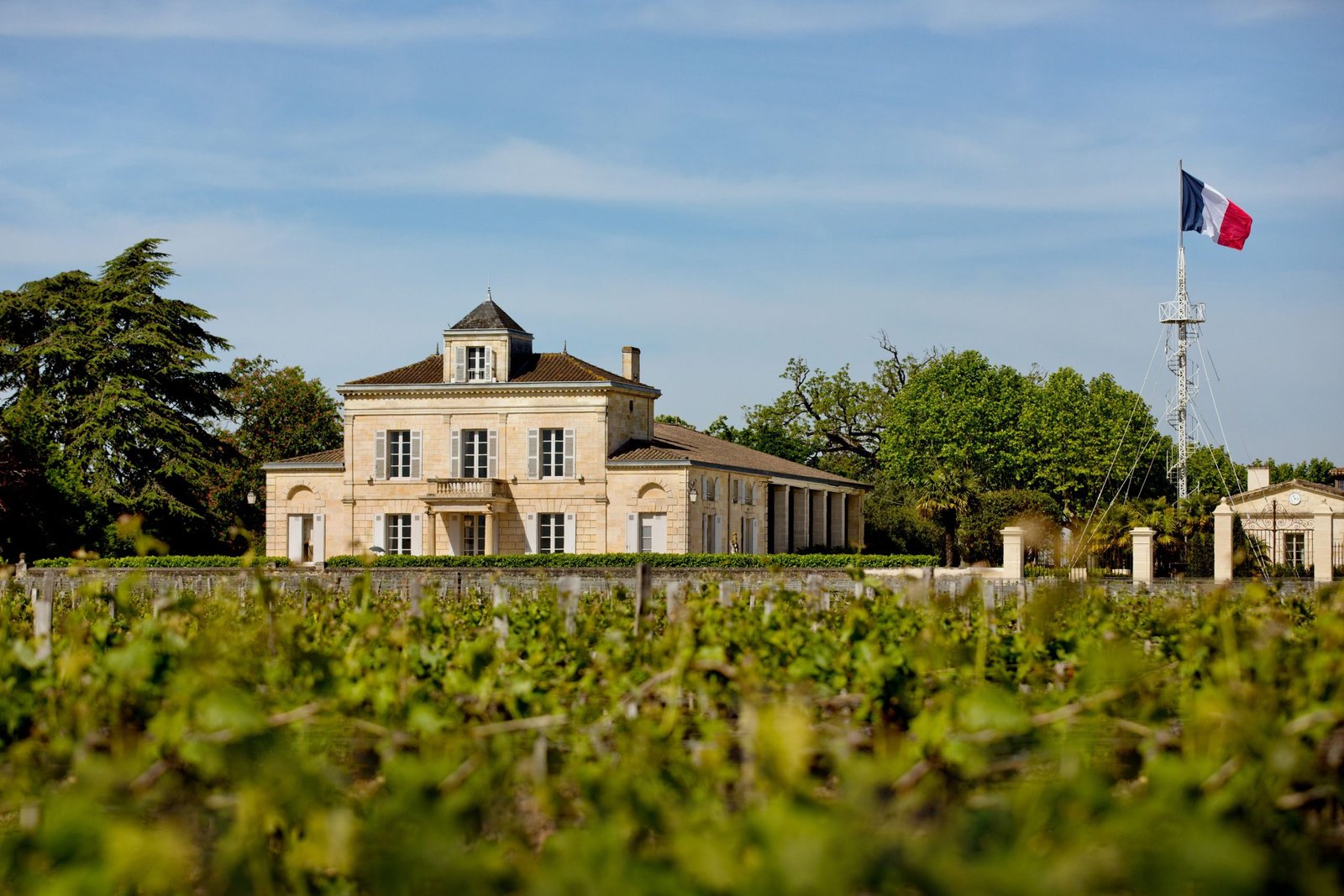
Château Montrose, Saint-Estèphe: a second growth in 1855, three grapes in 2026. Photo: Château Montrose
It was the placings below expectation that lit the conversation. Château Margaux, Mouton Rothschild, Haut-Brion, Angélus and Ausone received two grapes; Cos d’Estournel and Lynch-Bages one. Le Pin, among the most sought-after wines in the world, also received a single grape, a result the New York Bordeaux educator Robin Kelley O’Connor met by asking, in effect, what amateur had rated the wines.
Château Latour does not appear at all. The absence was widely read as a snub. Michelin’s own explanation is more prosaic: for a small number of estates, Latour among them, the evaluation had not been completed in time for the first edition, and the guide chose not to publish an incomplete assessment.
Château Lafite Rothschild, Pauillac, the only red first growth of 1855 to receive three grapes. Photo: Château Lafite Rothschild
Inspection by appointment
To build the list, Michelin recruited inspectors from within the wine world, among them former sommeliers, critics and winemakers. Unlike restaurant inspectors, who work anonymously, they had to arrange visits to taste vintages and walk vineyards and cellars. The method is more open in form than the restaurant guide and, its critics argue, less explained in substance.
The ratings are laughable and should be mocked and denigrated.
Adam Lee, winemaker, Clarice Wine Company
The Californian winemaker Adam Lee was the bluntest voice online, questioning whether any inspection programme could judge soil health and vineyard balance across Bordeaux with the access and time that would require. Jeff Leve, editor of The Wine Cellar Insider, described the response he gathered from readers and peers as extremely negative and identified transparency as the central problem. His most technical objection concerns the unit of judgement: an estate does not make the same wine twice, and weather, vineyard choices and cellar decisions change every vintage. Knowing a property may interest some drinkers. It says less about what is in a particular glass.
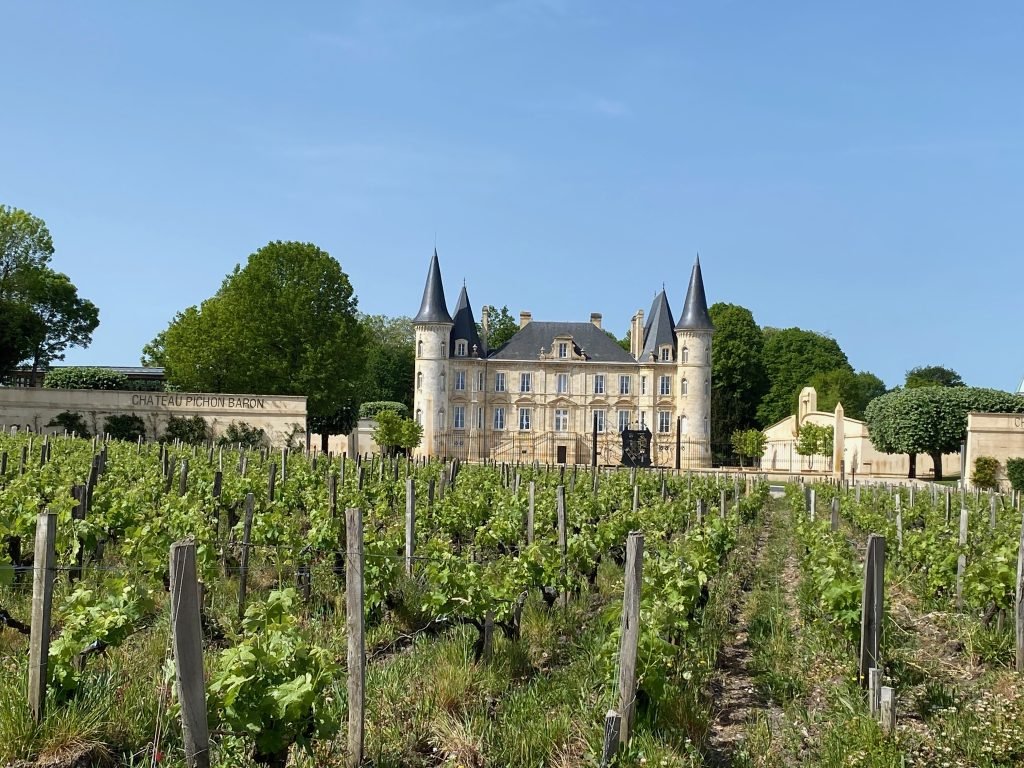
Château Pichon Baron, Pauillac, awarded two grapes. Photo: Château Pichon Baron
Who celebrated, and who stayed silent
Not every reaction was hostile. Many estates, including some with three grapes, preferred not to comment, citing either the sensitivity of the relationship with Michelin or a wish to let the recognition speak for itself. Others were openly pleased: Château Troplong Mondot, a Premier Grand Cru Classé of Saint-Émilion, issued a release celebrating its two grapes. In the tasting rooms of importers, meanwhile, the subject barely surfaced.
Guillaume Jourdan, managing director of the Paris brand strategy consultancy VitaBella, framed the arrival as useful regardless of the argument, and drew a comparison with the mid-1980s, when Robert Parker turned the 1855 order on its head and changed how Bordeaux was bought for a generation.
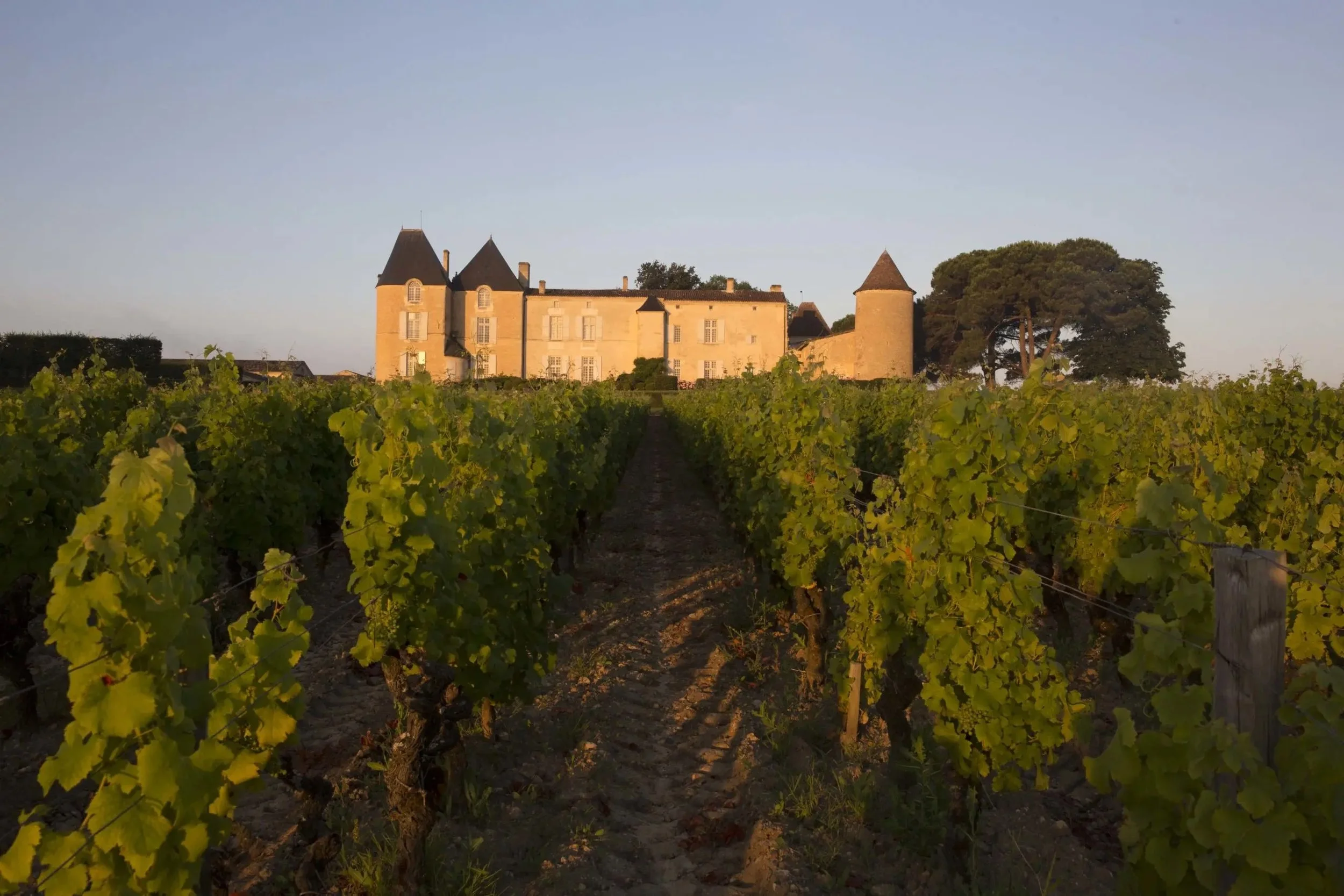
Château d’Yquem, Sauternes, three grapes. Photo: Château d’Yquem
What the list is good for
Michelin arrives with a rare advantage: it does not depend on Bordeaux. It does not sell wine, negotiate allocations through the Place de Bordeaux or carry any historical commitment to 1855. That distance is precisely what makes the list uncomfortable. By placing Montrose and Léoville Las Cases above three first growths, it formalises what part of the critical world has written vintage after vintage: the 1855 classification describes prestige and price, and not always what is in the glass today.
The weakness lies where the critics pointed. The method is thinly explained, and judging the house rather than the year sets aside what matters most in Bordeaux, which is the vintage. One grape is not a hundred points. The most useful way to read the selection is as a map of consistent estates rather than a price list, to be reassessed, as Michelin says it will be, every year.
Bordeaux has never lacked judges. It now has one with nothing to sell, and the region is discovering that independence can be the least comfortable judgement of all.
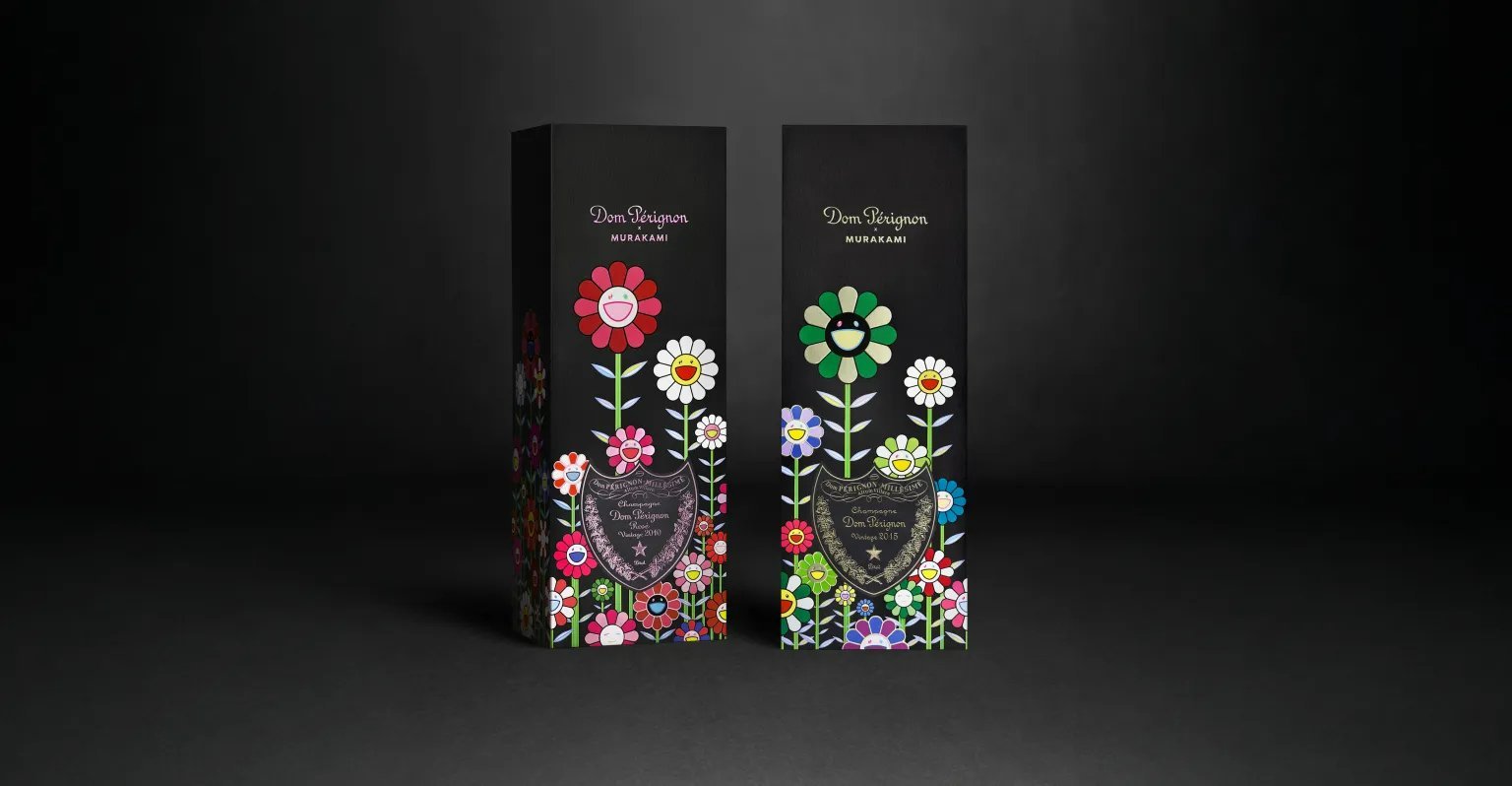
For Vintage 2015 and Rosé Vintage 2010, Takashi Murakami replaced the vines on Dom Pérignon's labels with his smiling flowers, a meeting of two cultures of patience that Chef de Cave Vincent Chaperon calls harmony.
From the Penfolds Grange, raised in American oak since 1951, to the only cooperage inside a Burgundy house, the choice of wood still decides how a great wine speaks.
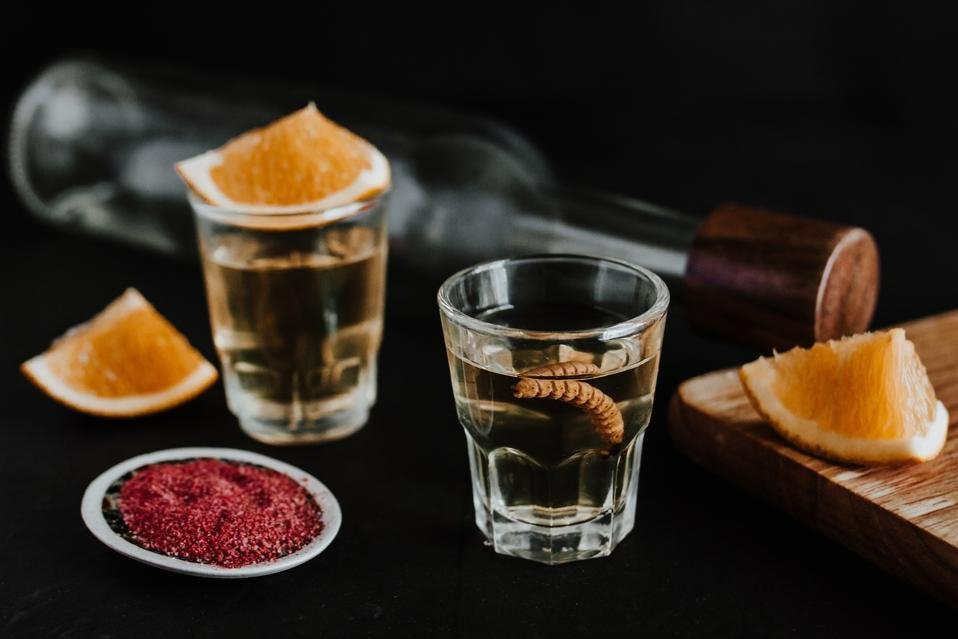
Mezcal is made from dozens of agave species, roasted in earthen pits and sipped slowly. Iván Saldaña, the biologist behind Montelobos, reads it as chemistry turned into flavour.