Style / Brief
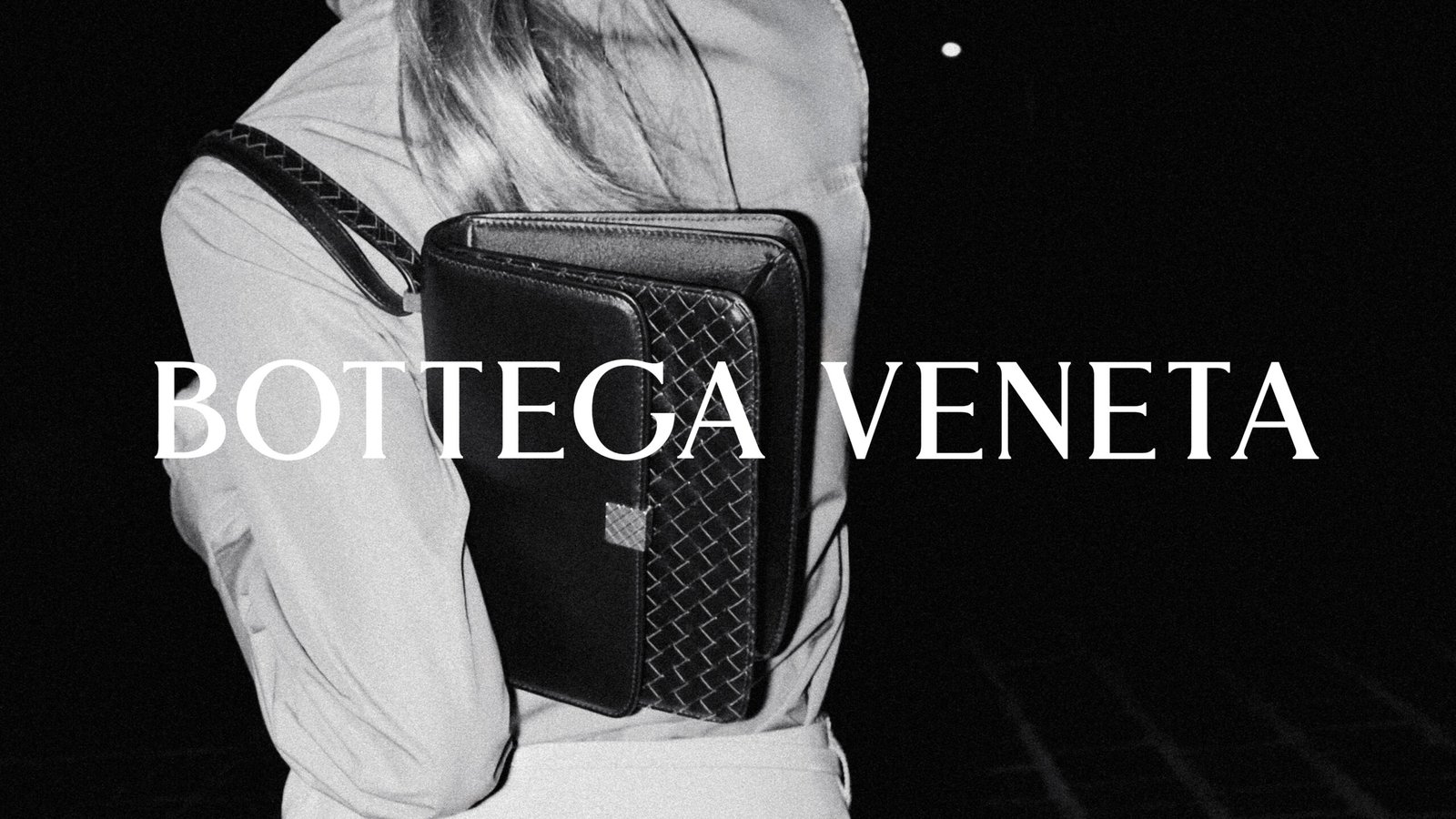
Bottega Veneta Takes Spring 2027 Home to Venice
Chris Rhodes photographs Louise Trotter's Spring 2027 collection against the pink walls, terrazzo and damask of the lagoon city, with the new Verde bag at its centre.

THE CURATED EDITION.
Reportage /
Two volumes trace Gabrielle Chanel and the continuing house through photography, covers and editorial memory.
STYLE · CULTURE
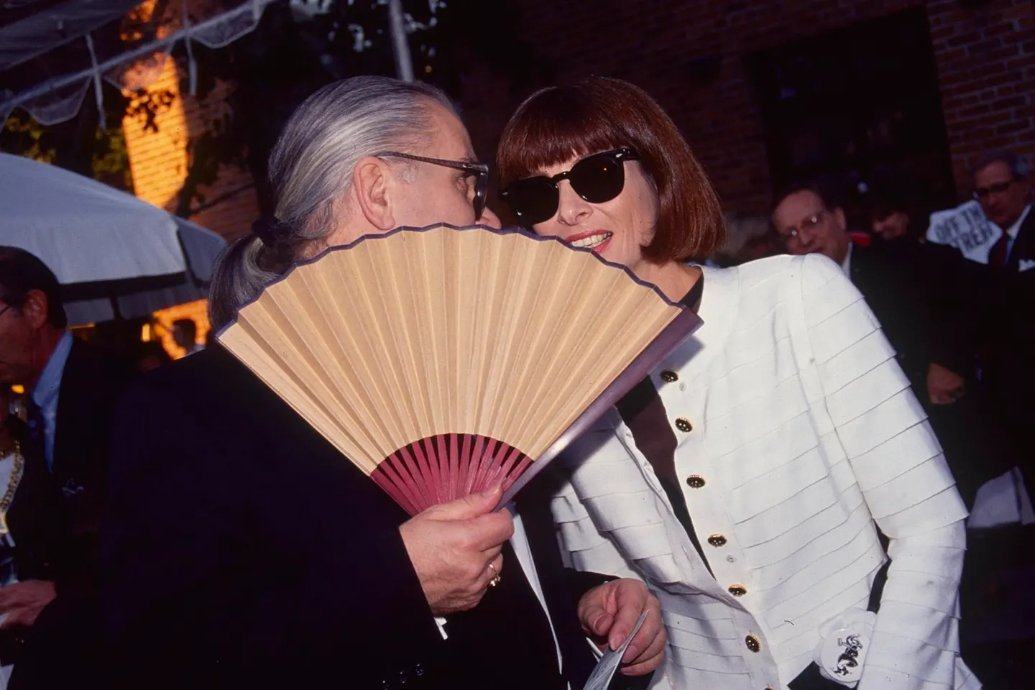
A fashion archive changes when its organising principle is a magazine. Chanel in Vogue, published by Thames & Hudson and written by Rebecca C. Tuite and Susanna Brown, follows the house through images and coverage rather than attempting to reproduce every chapter of its corporate history.
The two-volume format separates Gabrielle Chanel’s period from the house’s continuing life. That distinction gives the reader a way to see continuity without pretending that the founder and every later collection belong to one unchanged moment.
Vogue’s early attention to Chanel began in the 1910s. Hats, clothing and the development of a public identity entered the magazine as the designer’s work expanded. Photographs and editorial presentation helped turn particular garments into a recognisable fashion vocabulary.
A magazine cover concentrates recognition into one image. A studio photograph can isolate the garment, while clothing shown in use brings a body and a setting into the frame. These formats do not offer the same evidence. Following them through the archive reveals how a fashion identity is edited as well as designed.
Karl Lagerfeld’s period, from 1983 to 2019, gives the second part another scale of image production. House codes were repeatedly quoted, enlarged and placed in changing contexts, with models including Inès de la Fressange, Linda Evangelista and Claudia Schiffer contributing to their public life.
Horst and Helmut Newton belong to the photographic vocabulary encountered in this history. Their approaches should not be reduced to a uniform house style. The differences between photographers are part of how the same brand acquires several visual identities over time.
An archive of fashion imagery is not a complete critical biography. The book’s visual emphasis does not resolve every question surrounding Chanel’s life, including the controversies of the wartime period. That limitation matters when a beautiful publication is asked to stand in for a comprehensive historical account.
The distinction between an image and a historical account also applies to retouching. An analogue photograph is not automatically an untouched record. Chanel in Vogue is most useful as a history of published representation, where photographers and editors take their place beside the designers.
Further information: Chanel in Vogue.
Instagram: Thames & Hudson USA · @thamesandhudsonusa.
CONTINUE READING
Style / Brief
Chris Rhodes photographs Louise Trotter's Spring 2027 collection against the pink walls, terrazzo and damask of the lagoon city, with the new Verde bag at its centre.
Style / Reportage
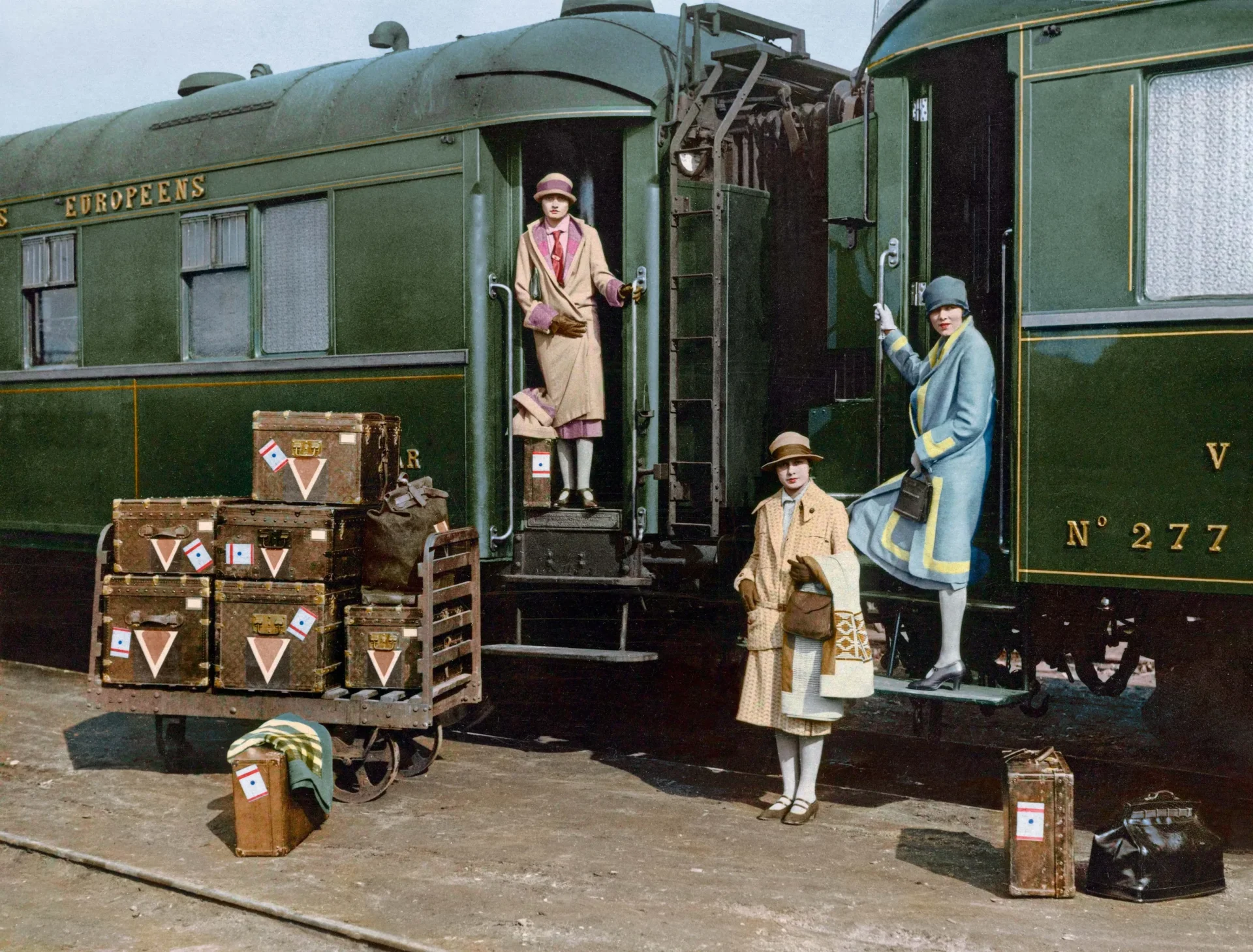
In Asnières, where the house has made its trunks since 1859, Pierre-Louis Vuitton talks about the Monogram and the craft, while Bruno Aveillan's suitcase, photographed in more than a hundred places, becomes a book and an exhibition in Paris.
Design / Interview
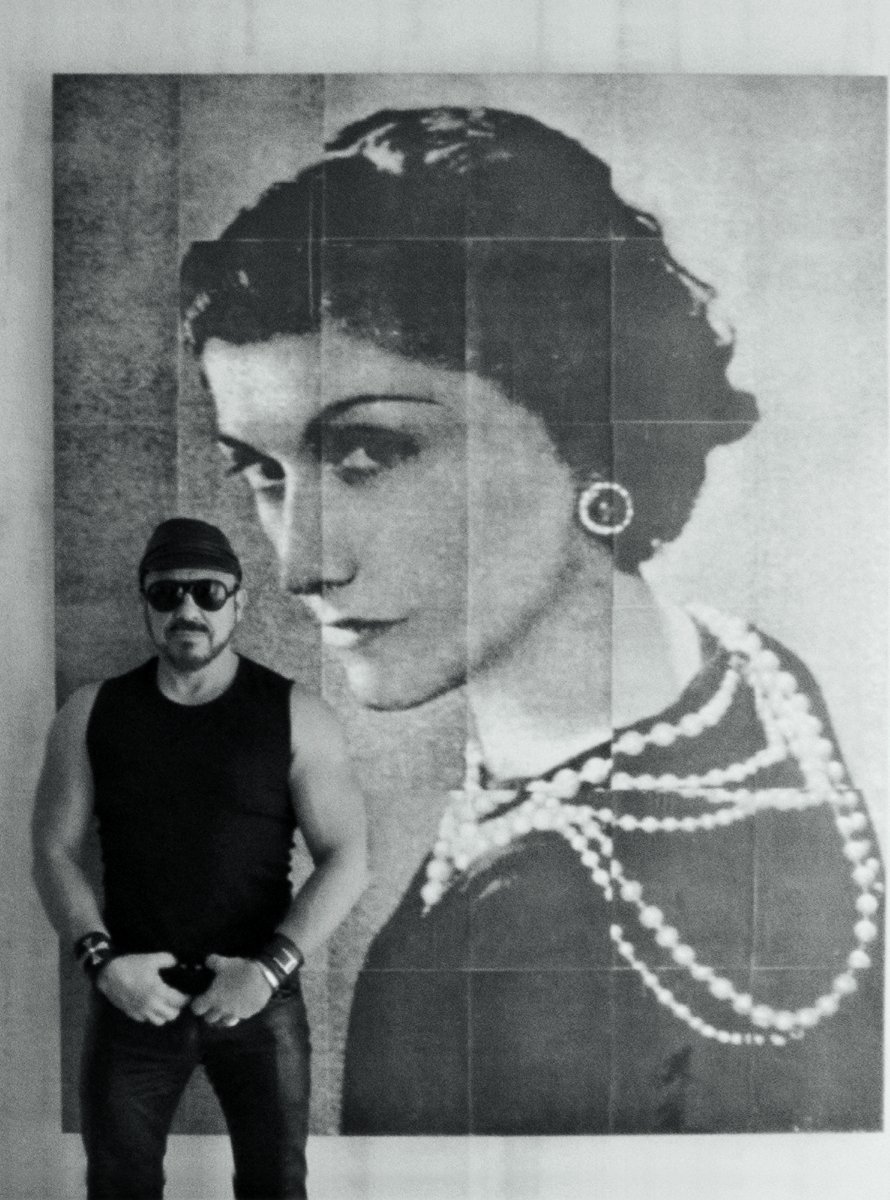
Chanel's architect for a quarter of a century on fine art, timelessness and a white cube in Miami.
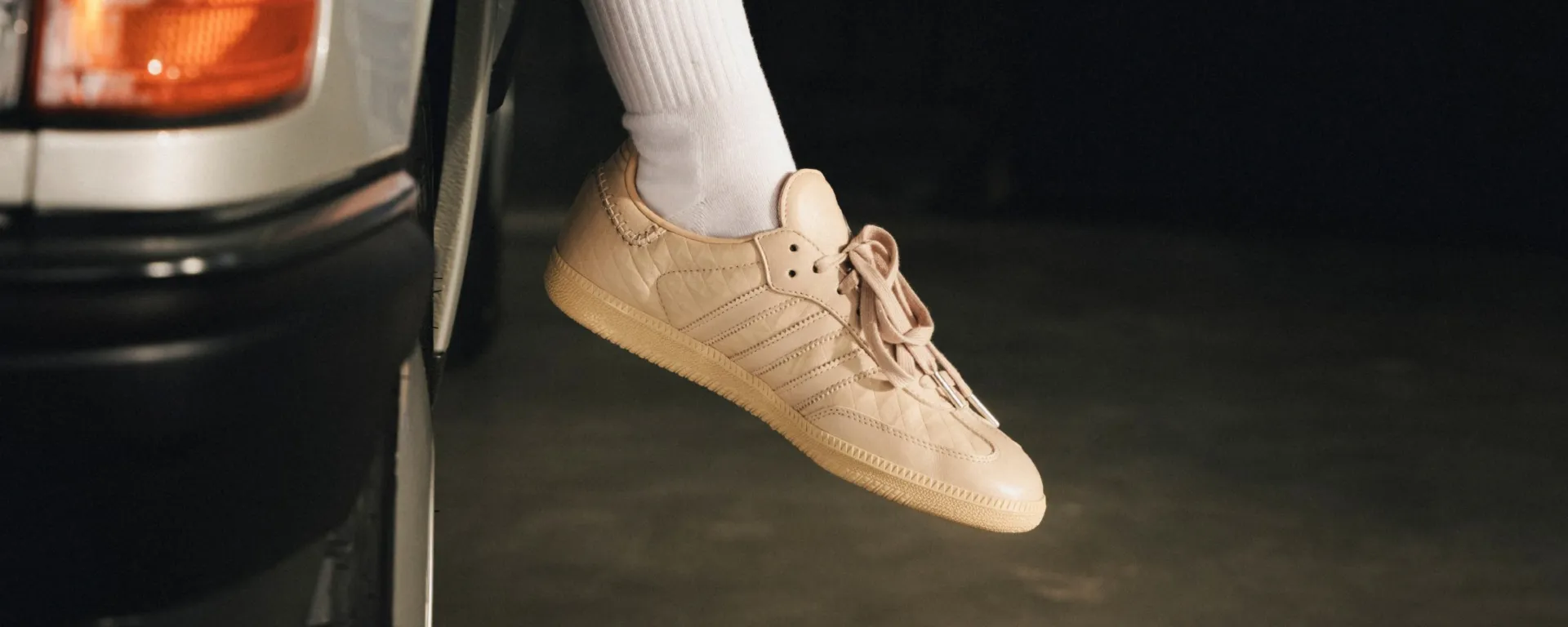
Style / Reportage
Diamond stitching brings the saloon’s interior vocabulary to a limited-edition Samba OG in three monochrome colours.
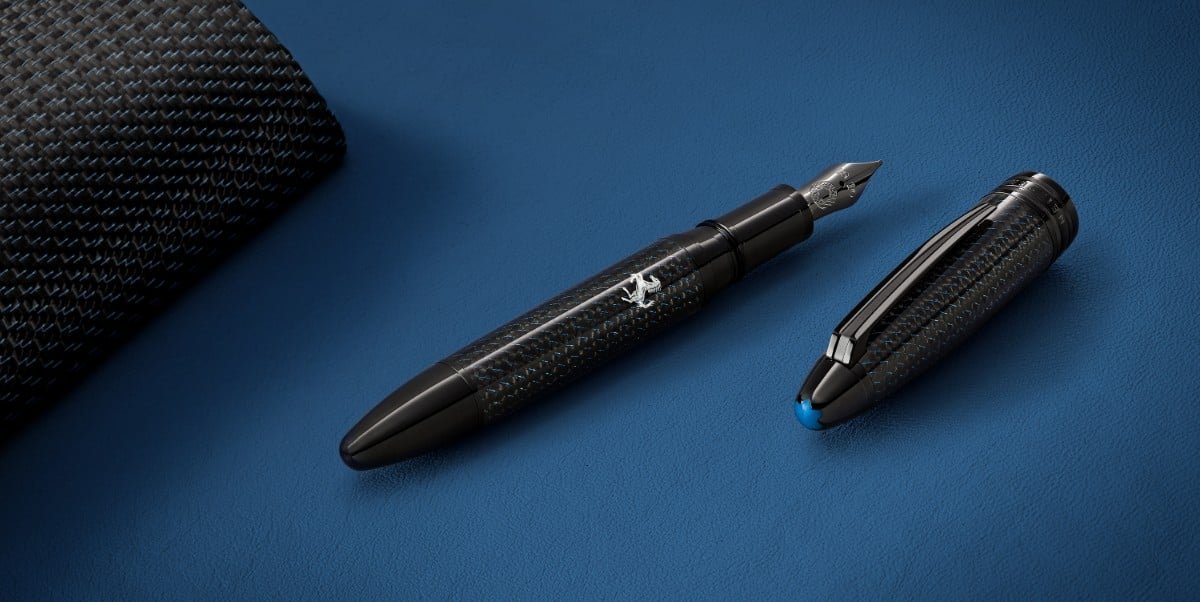
Style / Reportage
The second Meisterstück Great Masters made with the Ferrari Design Studio trades classic elegance for carbon fibre, a filigree Cavallino and a touch of Azzurro Dino.
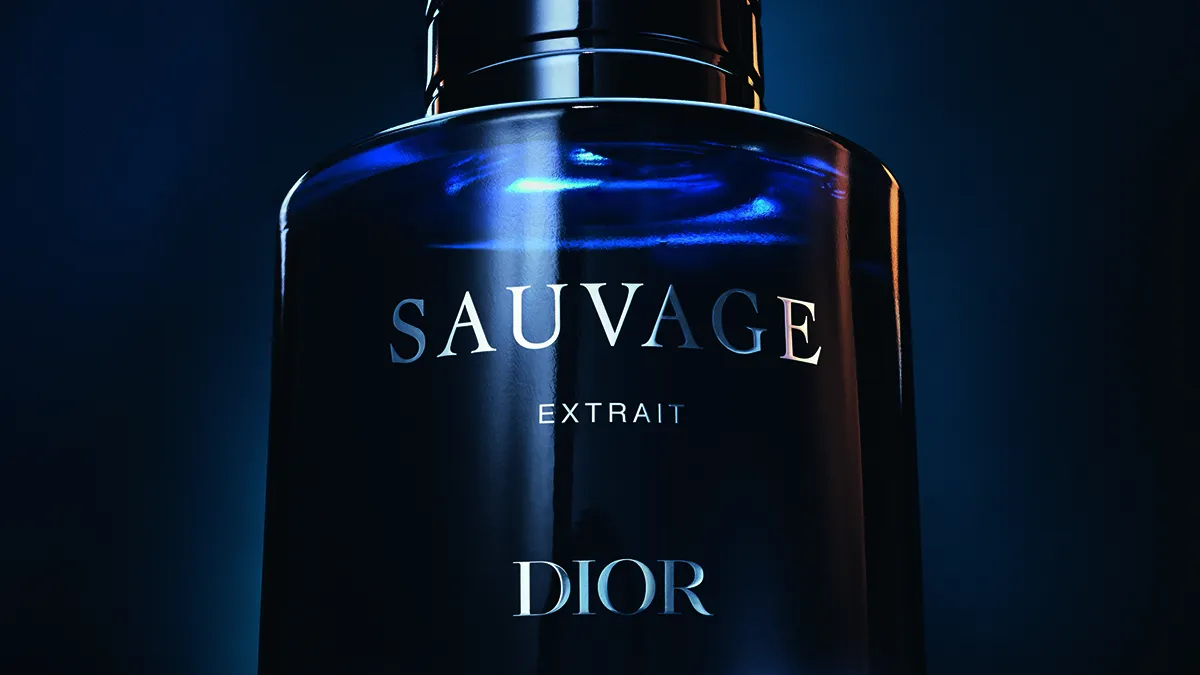
Style / Reportage
Vietnamese oud and a six-week preparation process give the fragrance another structure within the Sauvage family.
THE CURATED GLOBE / FROM THE EDITORS
A considered selection of people, places and ideas from WAYFARER Edition, delivered to your inbox.
Free. No data sharing. Unsubscribe in one click.