Artificial intelligence has left the phone and moved into the kitchen, the bedroom and even the cat's litter box. Five recent objects suggest the domestic future is not about voice commands but about machines that learn to live alongside us.
The most intelligent object in a house is the one you stop noticing.
For decades, appliances were mute machines, fridges, ovens, vacuum cleaners, waiting for a human to press the right button at the right moment. Then came the smart generation, which mostly made things more complicated: mute machines that now also demanded passwords, apps and firmware updates. What changes in 2026 is the kind of intelligence on board. Sensors, cameras and AI models have made the home stop asking for instructions and start observing, and then, with more or less tact, acting. Five recent launches capture that shift. They are not duty-free gadgets but objects with architectural ambitions, competing for the scarce floor space of city apartments and promising, in return, something close to free time. Each has a youthful flaw, whether price, looks or a subscription, yet together they show where the contemporary home is heading.
The secret housekeeper and the vacuum that learned to pick things up
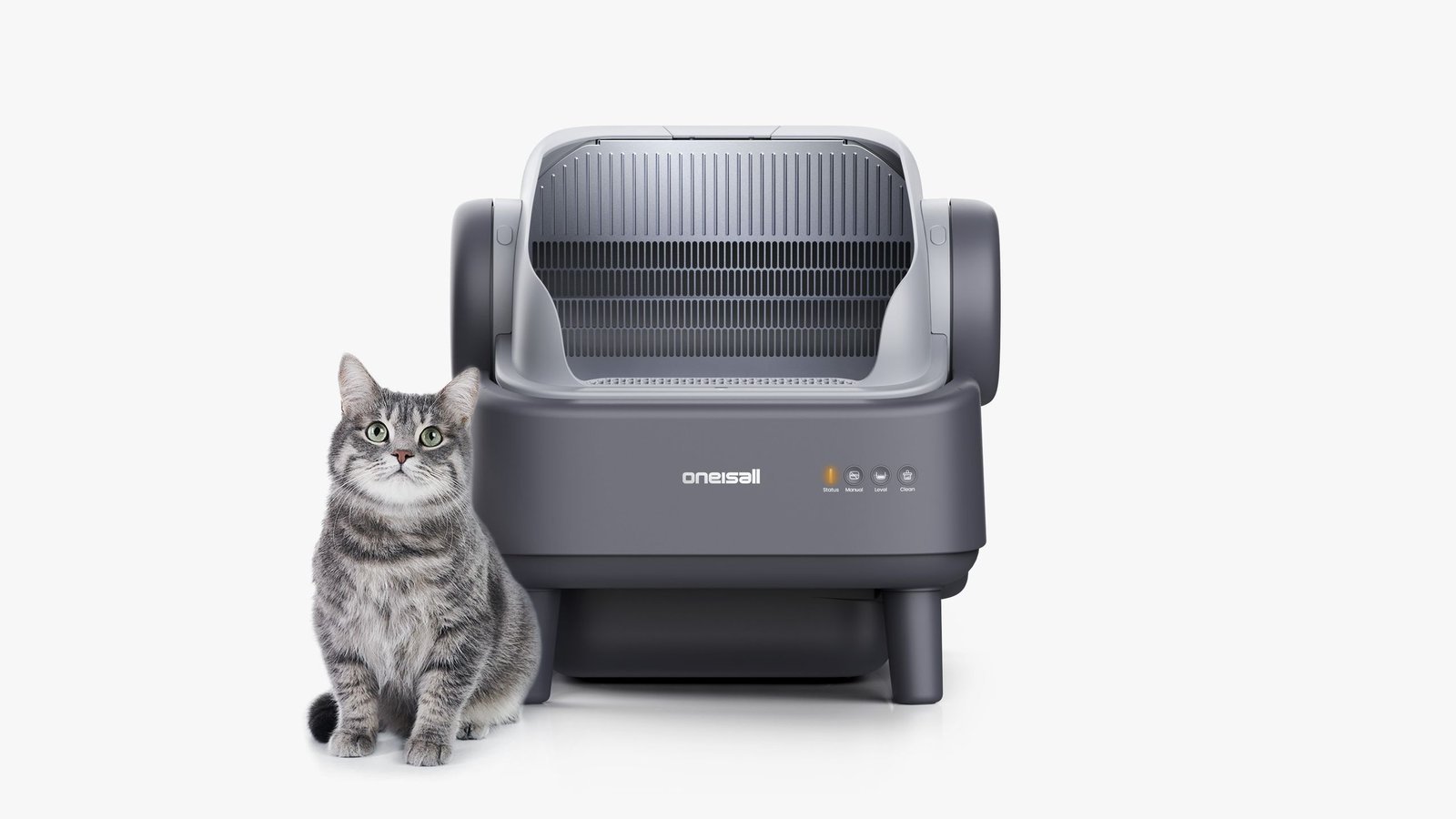
AN UNGLAMOROUS CHORE, TREATED WITH UNUSUAL RIGOUR. IMAGE: PRESS
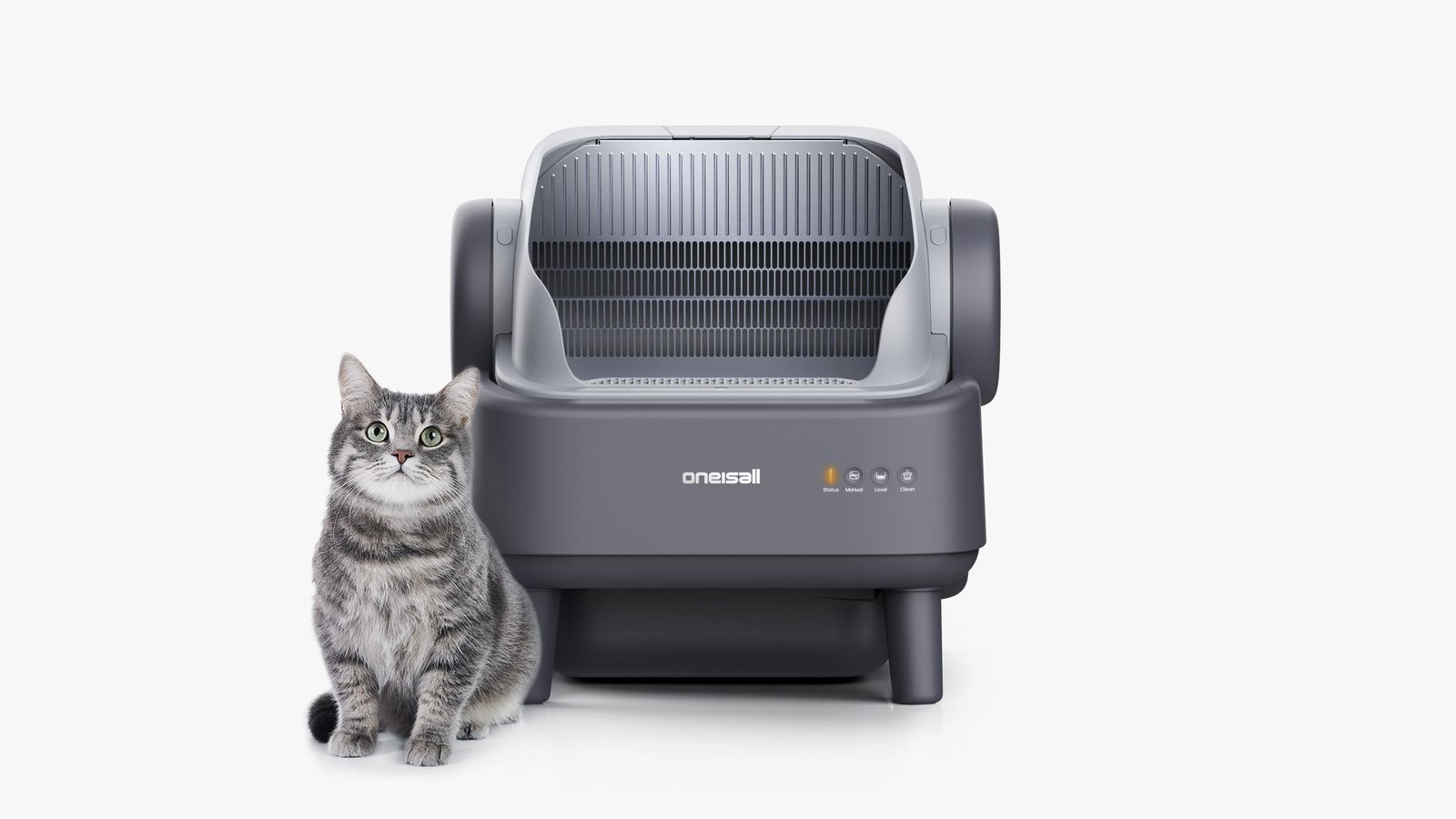
Oneisall, a Chinese maker of pet technology, applies that thinking to the least glamorous corner of the home. The Ease S1 is a self-cleaning litter box with a raised tray and a pivoting mechanism that sifts waste into a sealed drawer below, out of sight and out of smell. It is not exactly beautiful, with its short legs, visor-like lid and surgical stainless-steel sieve, and its footprint is generous, a real cost in a small flat. Its sensors are there to detect the cat’s approach and halt the cycle should it wander in mid-operation. The final consumer, of course, walks on four legs: the usual advice is to place it beside the old box, with a little used litter, until the animal decides to move. Technology, in the end, still needs patience.
Shown at CES in January 2025, the Roborock Saros Z70 is the first mass-produced robot vacuum with a folding five-axis arm. Roborock calls it OmniGrip and presented it as what it is: public proof that robot vacuums have matured to the point of wanting to do something other than vacuum. The arm identifies and removes small obstacles, socks, slippers, tissues, objects of up to 300 grams, and drops them where the owner has decided in the app. On a first pass the robot maps the clutter; on a second it returns to clear it and clean the areas that were blocked. Its 22,000 Pa of suction seems almost secondary beside the anthropomorphic gesture of the arm, and that is the catch: recognition remains limited to a handful of object types. The Z70 is, above all, a manifesto, the kind of product that justifies its price by signalling what comes next.
A thermostat for deep sleep
The New York company Eight Sleep has built its Pod 5 as a three-part system: a mattress cover threaded with fine water channels, an optional motorised base and a hub that circulates water between 13 and 43°C. The result is a bed with two independent thermal zones, governed by sensors that track heart rate, breathing, movement and even snoring, with nothing worn on the wrist. The AI layer, Autopilot, learns the architecture of a sleeper’s nights and adjusts temperature through each phase, cooler in deep sleep, warmer towards morning. With the base, it can raise the head of the bed when it hears snoring, and a thermal alarm warms the bed gradually instead of sounding a siren.
The reservations are familiar and fair. The hub is bulky and looks out of place in any carefully considered bedroom; Autopilot requires a paid membership; and the price places it firmly at the top of the category. For those who live across time zones and treat sleep as a professional resource, it may still be the most defensible wellbeing purchase of the year.
Company on wheels and the implicit cook
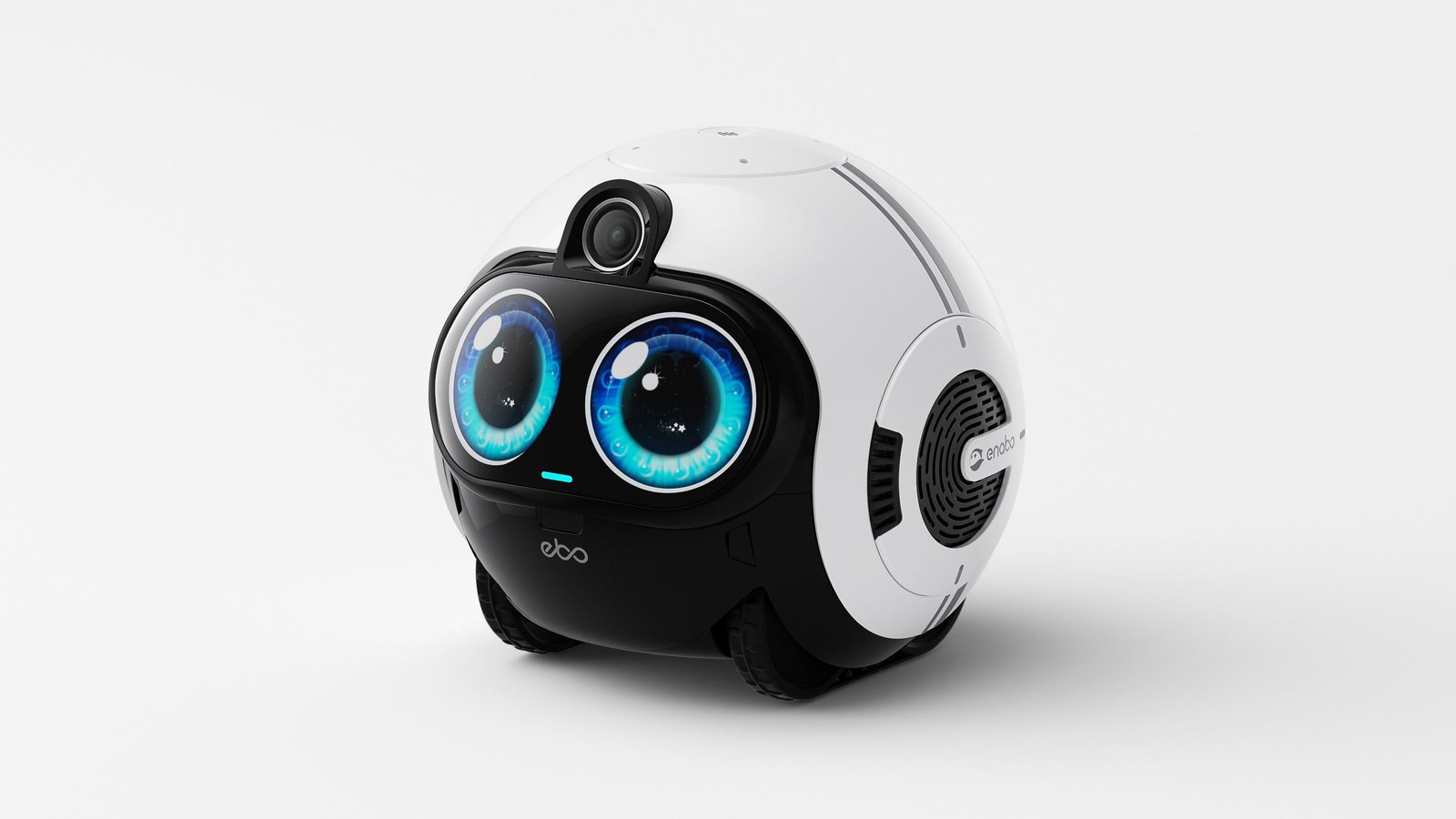
A PRESENCE THAT DOES NOT WEIGH ON THE ROOM. IMAGE: PRESS
While two-legged humanoids keep stumbling through corporate demonstrations, something genuinely useful is appearing in the modest category of cute robots. Enabot, based in Shenzhen, released the EBO Max this spring: a sphere that rolls around the house with a wide-angle camera, speakers and two animated eyes too large to be casual. It patrols on a schedule, recognises family members, watches pets and finds its own way back to the dock when the battery runs low. Its less obvious role may matter most. For people who live alone, fall detection triggers an alert and the robot can open a two-way video call, becoming an intermediary between the resident and those who care for them. Like every robot of its kind, it is confined to a single floor. Within that plane, it achieves something rare among gadgets: a presence that neither intrudes nor demands a script.
The camera oven, long a club with one American member, June, gained a serious rival with the Anova Precision Oven 2.0, announced in late 2024. Anova, known for its sous-vide circulators, carried its thermal rigour into a compact countertop oven that combines convection, steam injection, a wet-bulb sensor, three temperature sensors and an internal camera that identifies what has been placed inside and suggests how to cook it. It is a deliberately serious object, with a minimal control panel and a brushed stainless cabinet that borders on the laboratory, somewhere between a domestic oven and a professional sous-vide station. For anyone who takes cooking seriously and has the counter space, it repays the investment in time recovered.
Intelligence that makes itself invisible
One pattern unites the five. None announces itself as artificial intelligence. In each, the AI works in the background: sifting, identifying, regulating temperature, watching. It is the opposite of the conversational assistant that dominated the first decade of smart objects, with its voice commands, its screens and its permanent demand for attention. The movement is subtle, and in some of these products still incomplete. The direction, though, is clear.
Perhaps that is the true measure of maturity: when the technology disappears, only the object remains, and the house becomes a house again, with a little less friction. The most intelligent object is still the one you stop noticing. The next generation of domestic machines will not compete for our attention. It will work in the intervals between it.
Details: Roborock Saros Z70, launched at 1,899 dollars, roborock.com · Eight Sleep Pod 5, from 2,849 dollars for the Core system, eightsleep.com · Enabot EBO Max, 549.99 dollars, enabot.com · Anova Precision Oven 2.0, anovaculinary.com · Oneisall Ease S1, oneisall.com.
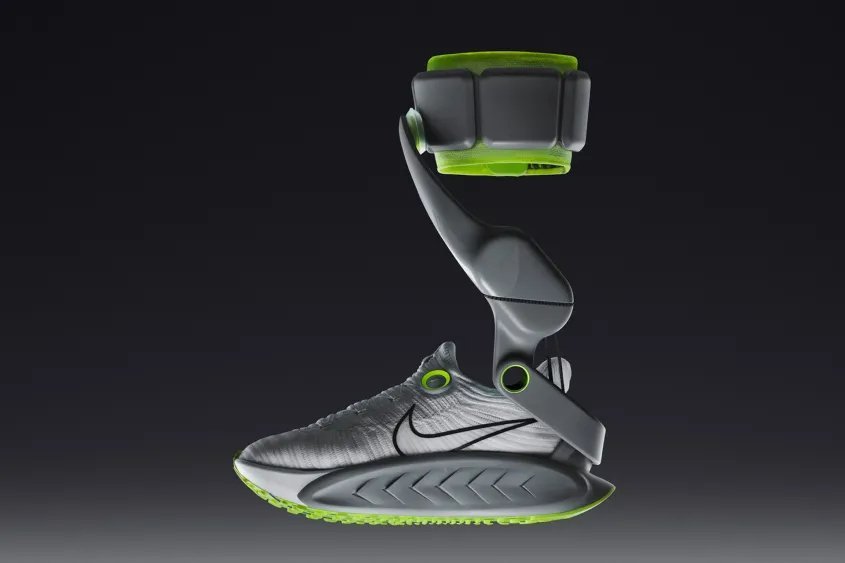
Developed with the robotics company Dephy, Nike's Project Amplify is a powered footwear system for running and walking. A year after its unveiling, it remains in testing, with a consumer launch still some years away.
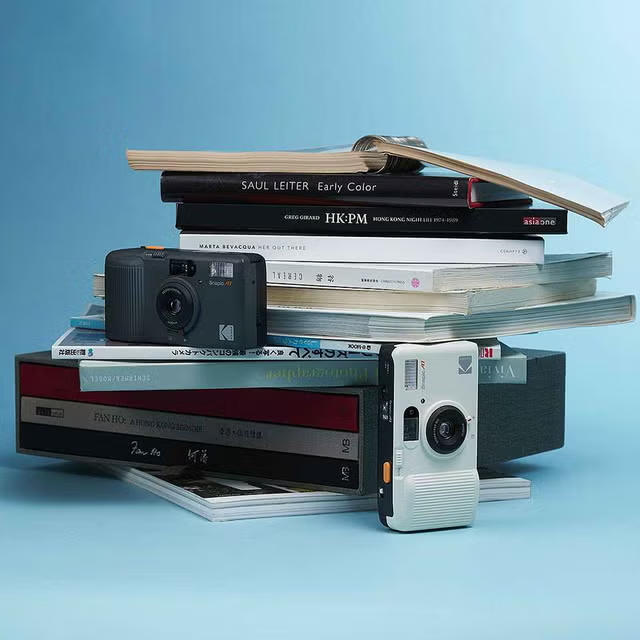
The smartphone made everyone a photographer. A new generation of dedicated compacts, from DJI's gimbal cameras to the Camp Snap CS-Pro, argues for a device that exists for one purpose only.
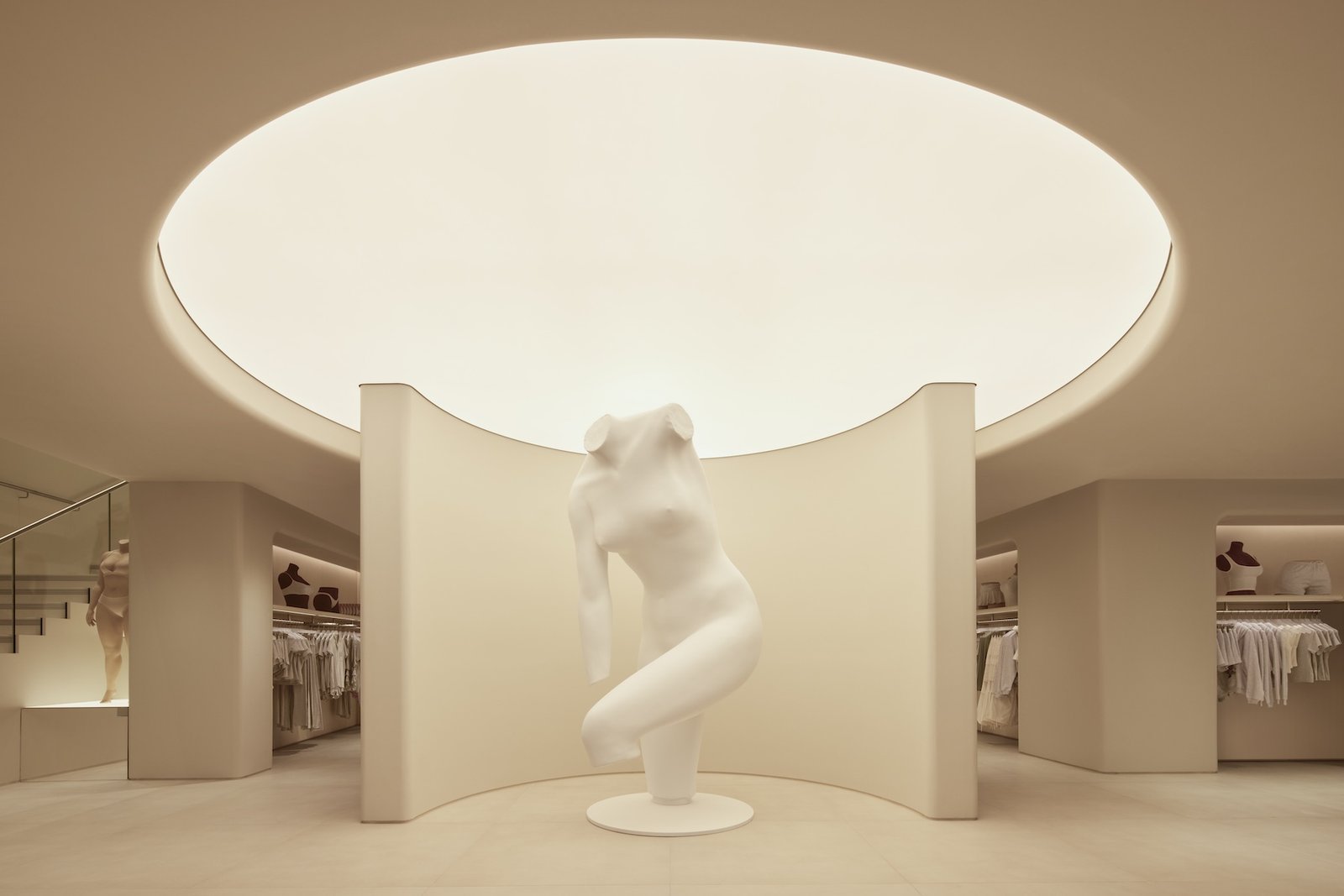
At the Skims flagship on Regent Street, designed by Rafael de Cárdenas, the beige of Kim Kardashian's house and a monumental Vanessa Beecroft figure become the architecture of a brand valued at 5 billion dollars.