The smartphone made everyone a photographer. A new generation of dedicated compacts, from DJI's gimbal cameras to the Camp Snap CS-Pro, argues for a device that exists for one purpose only.
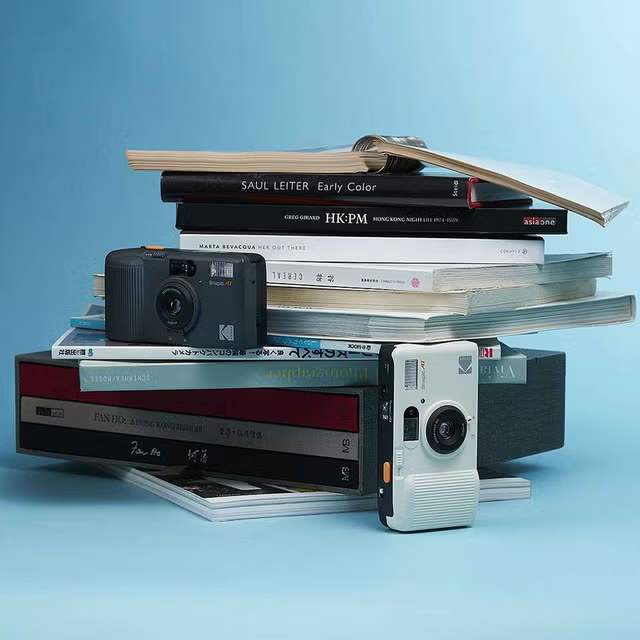
The smartphone made everyone a photographer, and in doing so made the photograph almost weightless. Extraordinary cameras now live in every pocket, and every moment can become an image with a single tap. That ubiquity has produced its own reaction: a growing appetite for dedicated devices, machines that offer manual control, better optics and the sense of purpose that a phone cannot.
Some photographers have gone back to film. Professionals continue to invest heavily in systems from Sony, Canon, Ricoh and Leica. Between the two lies a widening middle ground: compact digital cameras that combine true portability with real capability. The premise is simple. The camera should fit in a pocket, weigh almost nothing and hide its complexity.
A STEADY HAND, BUILT IN. IMAGE: PRESS
The intelligent compact
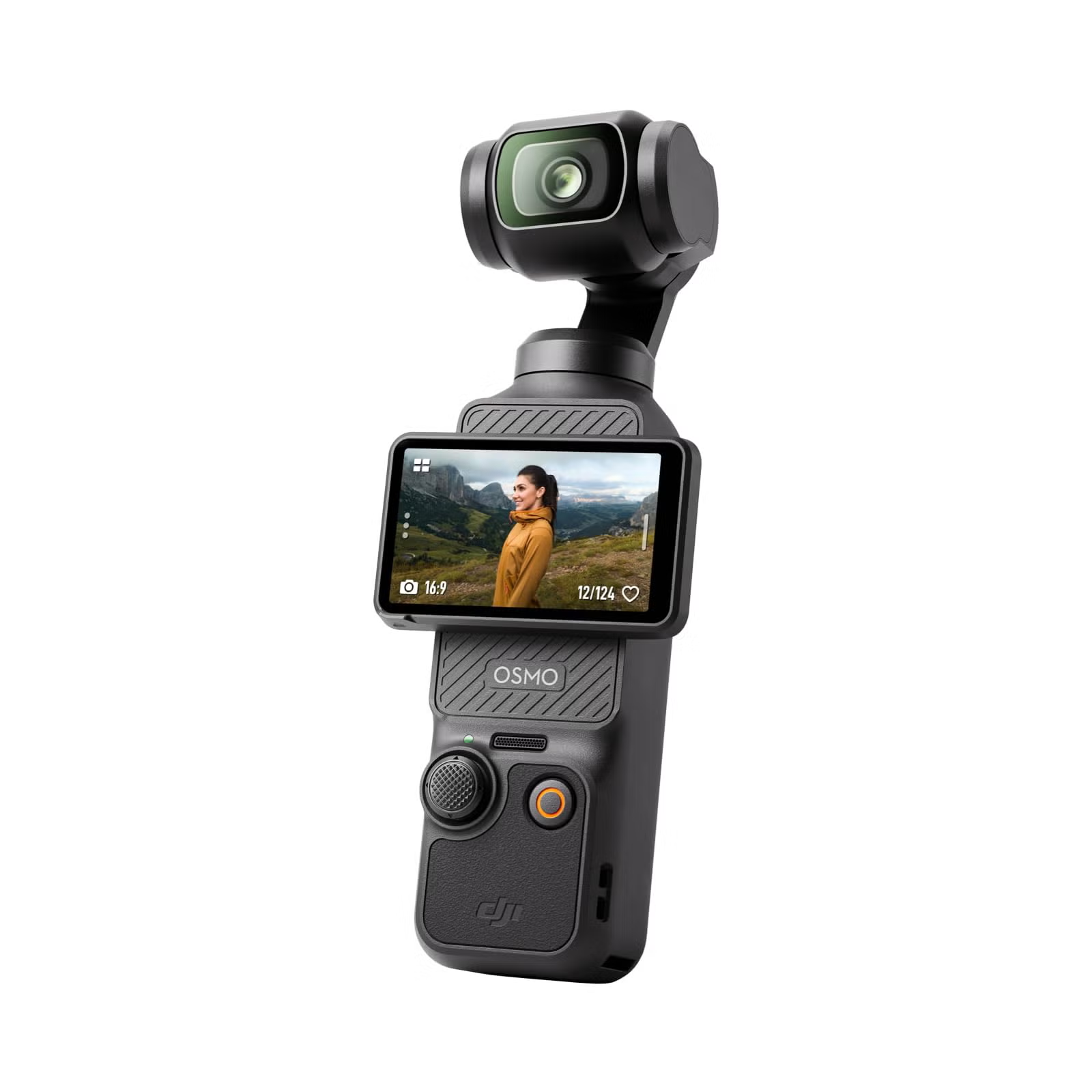
A decade ago, a point-and-shoot meant a compromise on quality. Today’s models offer respectable sensors, bright lenses and features once reserved for mid-range cameras. DJI’s Osmo Pocket line is the clearest example: a three-axis gimbal the size of a chocolate bar, which turned stabilised video into something that travels in a jacket. The Osmo Pocket 4, unveiled in April 2026, carries a one-inch sensor and 107 GB of built-in storage.
The focus has shifted to the experience of use. These are devices that do not demand a manual, with intelligent automatic modes that leave manual control available to those who want it. They understand that contemporary photography is, above all, the documentation of a life.
SIMPLICITY AS A DESIGN BRIEF. IMAGE: PRESS
The case for less
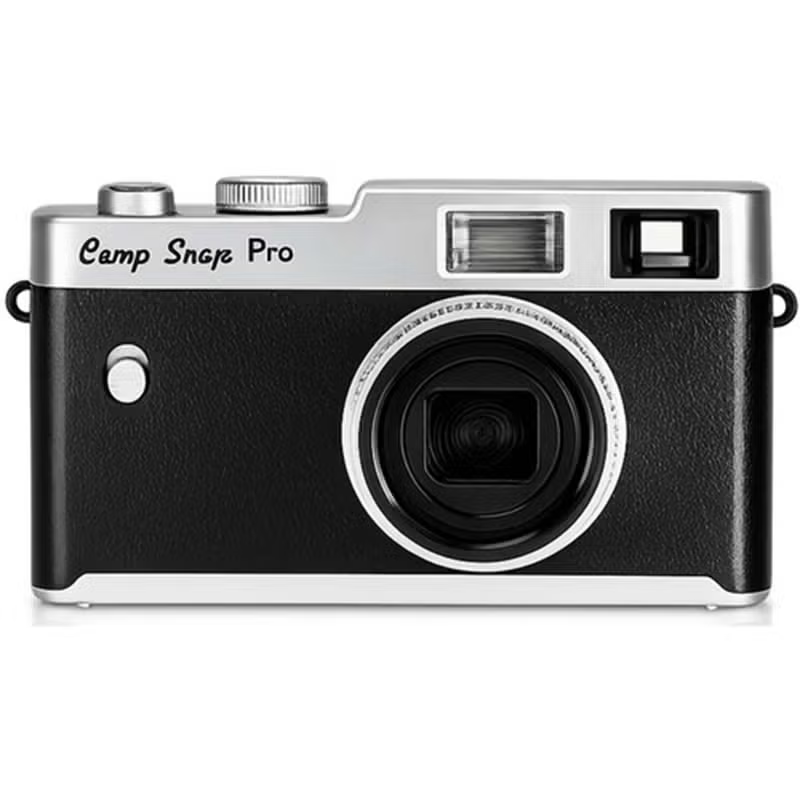
At the other end of the spectrum sits the Camp Snap CS-Pro, a camera built on the idea that fewer choices can produce better pictures. It doubles the resolution of the original Camp Snap to 16 megapixels, replaces the LED with a xenon flash, adds variable ISO and shutter speed, and puts four looks on a physical dial, from standard colour to black and white. It costs $99, has a viewfinder rather than a menu-driven screen, and asks only that its owner point it at something worth keeping.
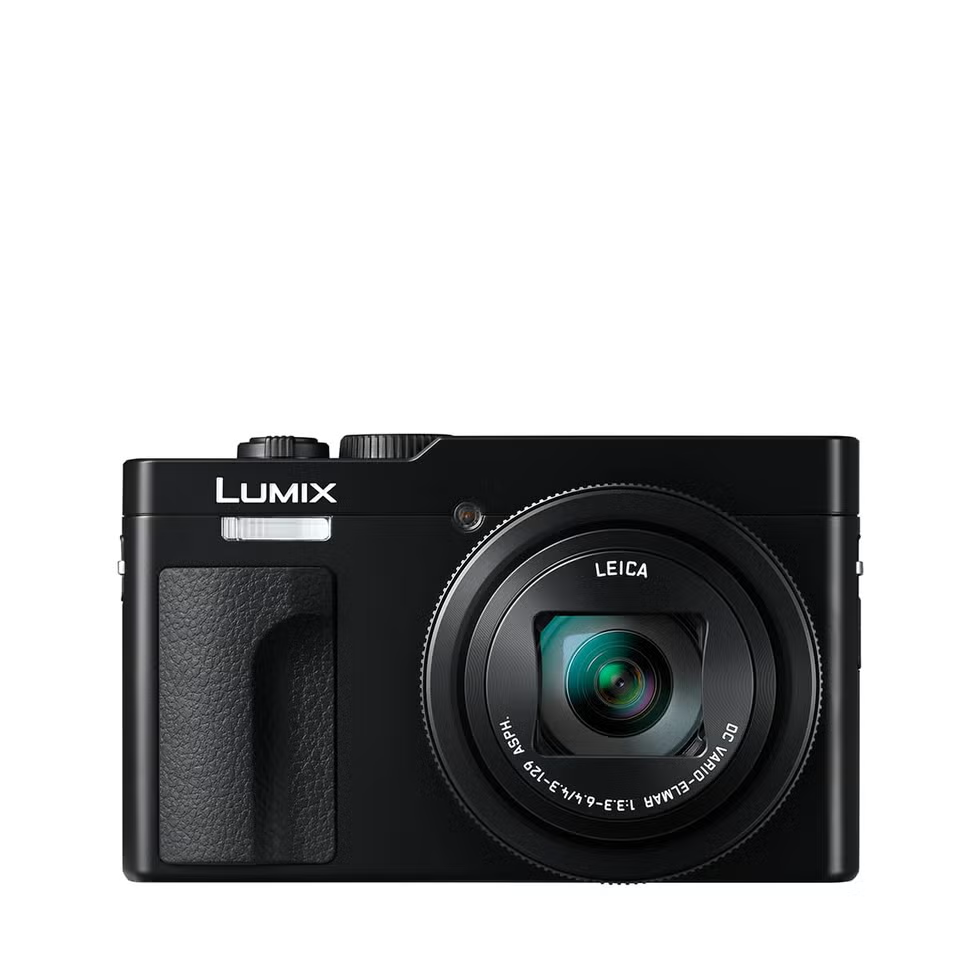
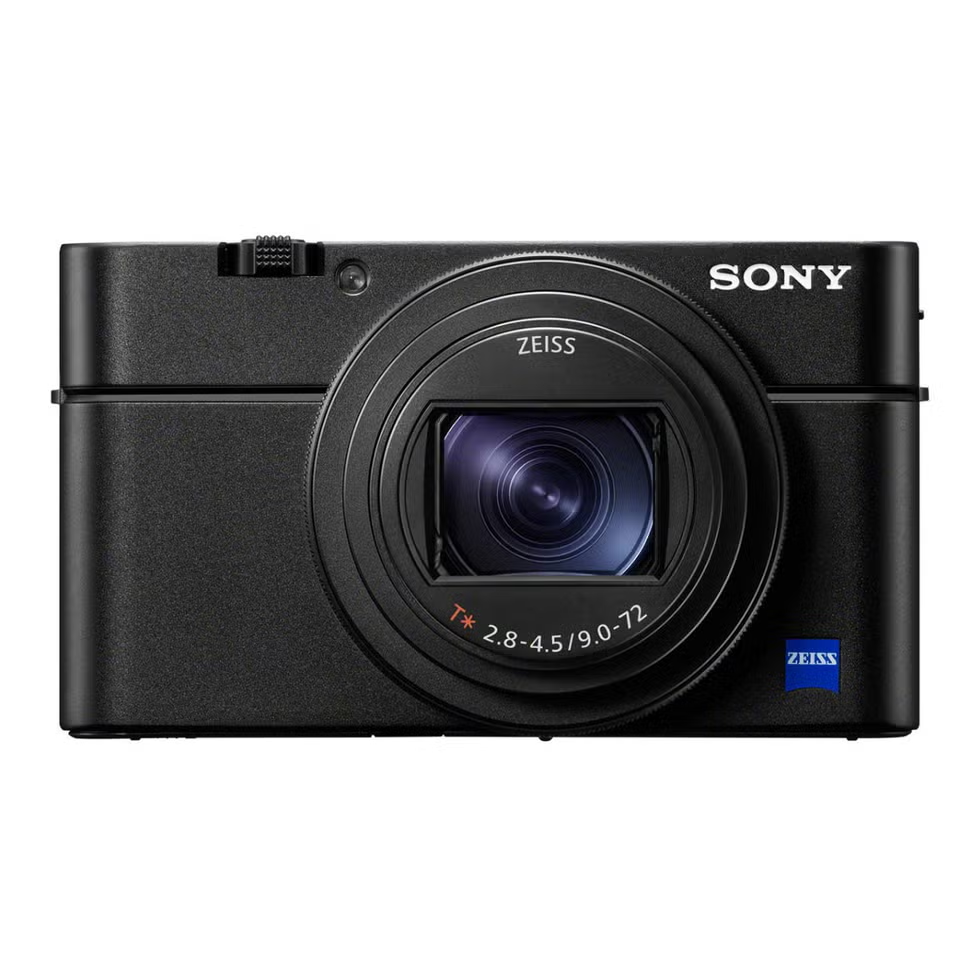
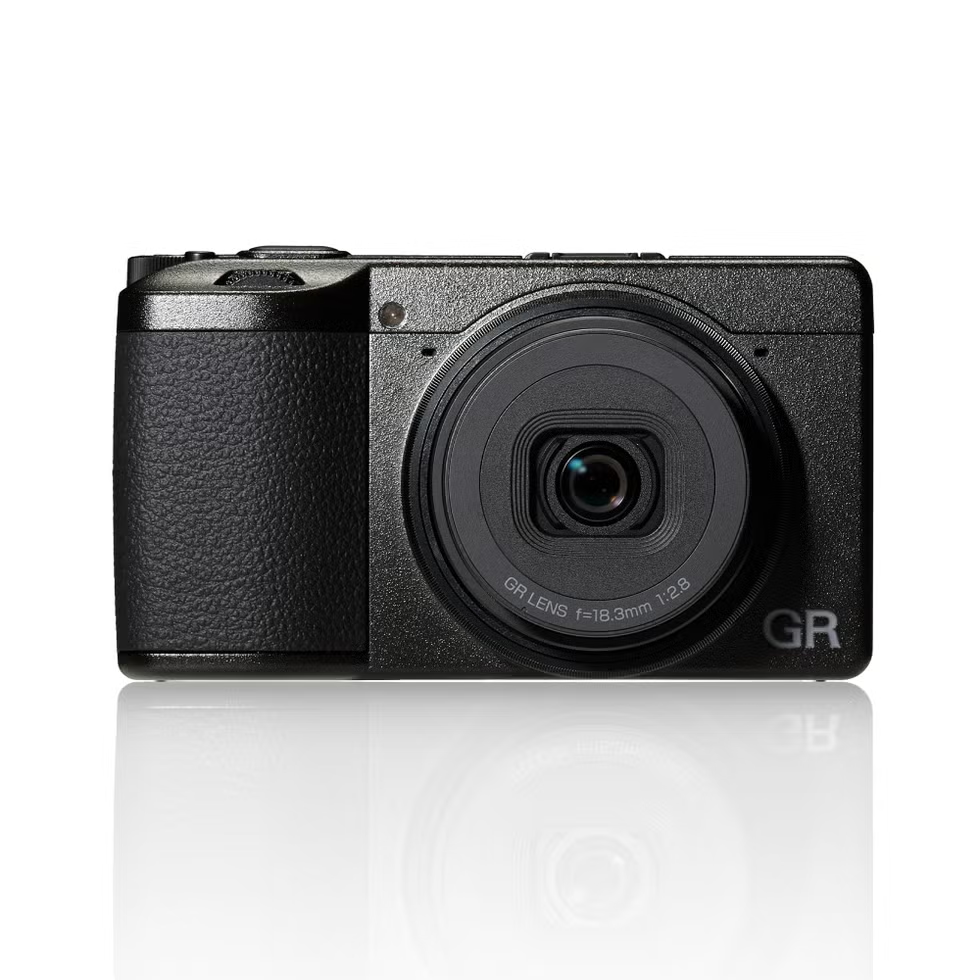
Between those poles lies a market that has finally accepted there is no universal pocket camera. For the traveller, the priority is weight and versatility. For the creator, stabilised video and clean audio. For the enthusiast, real manual control and good glass.
FORM THAT STAYS OUT OF THE WAY. IMAGE: PRESSCONTROLS THAT INVITE, NOT INSTRUCT. IMAGE: PRESS
Beyond automatic
What separates these devices from a smartphone is intention. A dedicated camera, however small, invites thought about composition, light and timing. It offers manual control without imposing it. It is an instrument that grows with its owner.
The difference shows in the details. A larger sensor gathers more information in low light. Optical stabilisation works where software runs out. Good glass reveals itself in a large print. Those technical facts become images that reveal more, and that stand up better to time and to later editing.
THE JOURNEY, KEPT. IMAGE: PRESS
A declaration in the pocket
Carrying a camera changes the way one sees. It is less a tool than a statement: that the quality of an image matters, that a life is worth recording with care, that photography is more than a reflex. The best compacts of the moment recognise this. They are small enough for a pocket and serious enough never to be mistaken for a toy.
OPTICS, CONCENTRATED. IMAGE: PRESS
The phone made the photograph weightless. The pocket camera gives some of that weight back: not every picture needs to come from the device that also carries the inbox, and there is still room for an object that exists to do one thing well.
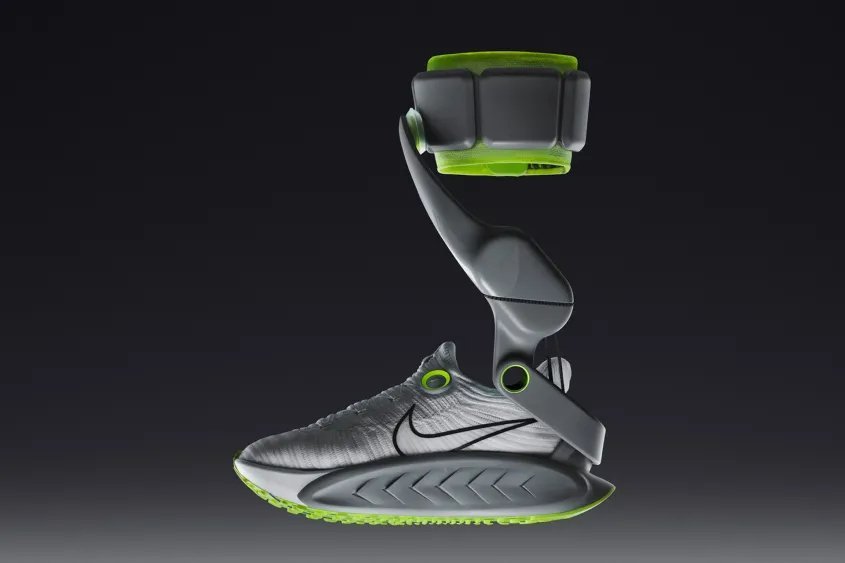
Developed with the robotics company Dephy, Nike's Project Amplify is a powered footwear system for running and walking. A year after its unveiling, it remains in testing, with a consumer launch still some years away.
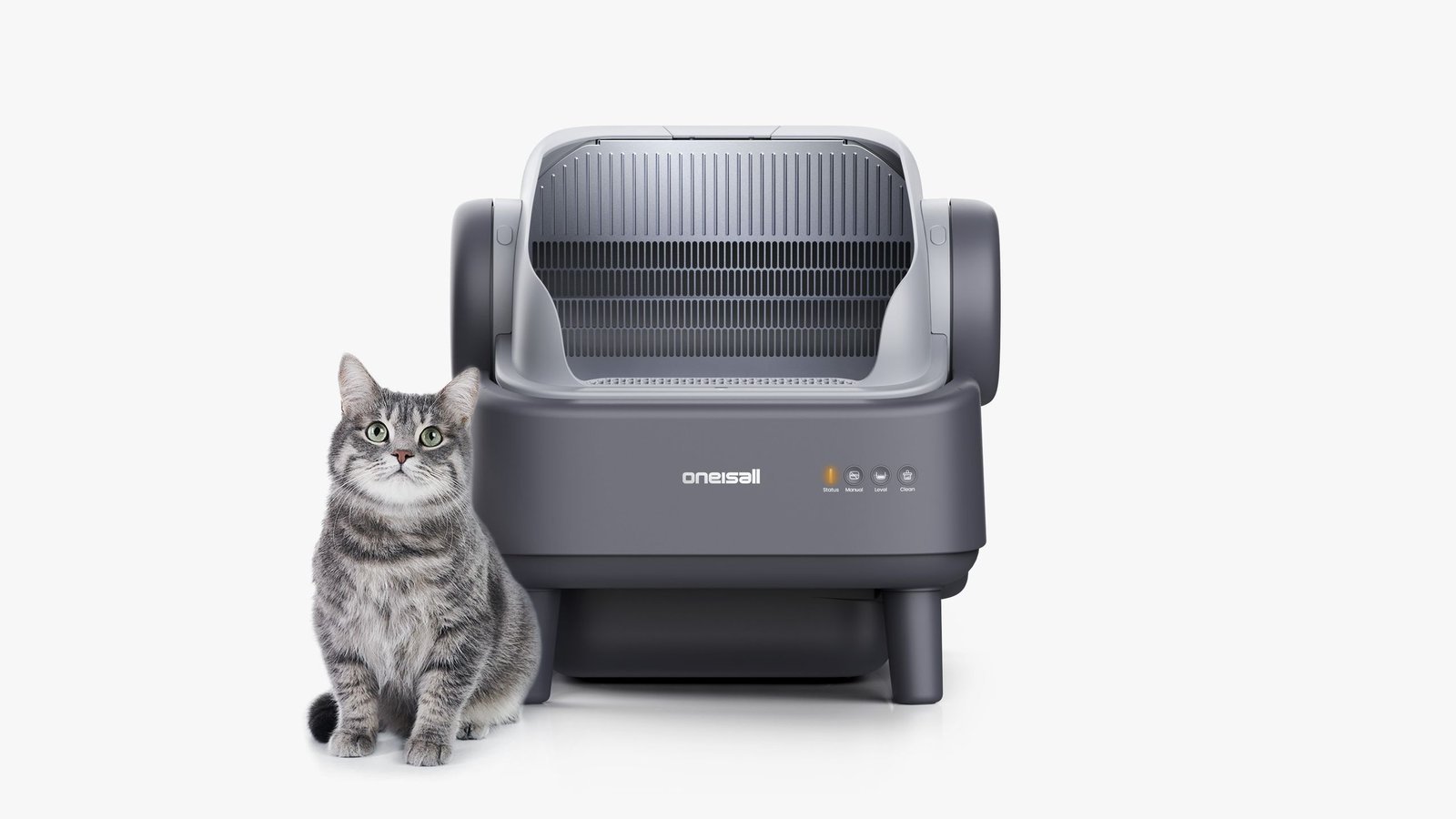
Artificial intelligence has left the phone and moved into the kitchen, the bedroom and even the cat's litter box. Five recent objects suggest the domestic future is not about voice commands but about machines that learn to live alongside us.
At the Skims flagship on Regent Street, designed by Rafael de Cárdenas, the beige of Kim Kardashian's house and a monumental Vanessa Beecroft figure become the architecture of a brand valued at 5 billion dollars.