Nike Project Amplify: a second pair of calves for the everyday runner
Developed with the robotics company Dephy, Nike's Project Amplify is a powered footwear system for running and walking. A year after its unveiling, it remains in testing, with a consumer launch still some years away.
The most interesting running shoe of the decade is not built for champions. It is built for the rest of us, and it has a motor.
In October 2025 Nike unveiled Project Amplify, which it describes as the first powered footwear system for running and walking. Part shoe, part robot, it asks a quietly radical question: what if the body could borrow a little help without surrendering the effort?
The anatomy of a borrowed stride
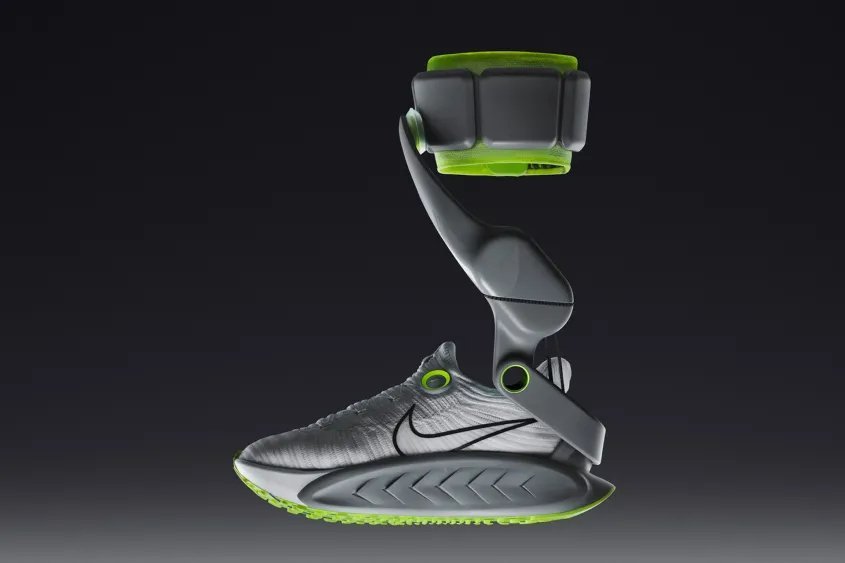
CARBON, A SMALL MOTOR AND A STRIDE THAT FEELS LIKE YOUR OWN. IMAGE: PRESS
The system was developed with Dephy, a company that specialises in wearable robotics. It amplifies the natural motion of the lower leg and ankle, acting, in Nike’s own phrase, as a second set of calf muscles. The components are few and legible: a carbon fibre-plated running shoe, a light but powerful motor, a drive belt and a rechargeable battery worn in a cuff around the ankle. The shoe can also be worn on its own, without the robotics.
Everything is governed by motion algorithms shaped in the Nike Sport Research Lab, designed to add power to each step in a way the wearer barely notices. Nike compares the sensation to an electric bicycle: the machine assists, the human still works.
Designed for the ten-minute mile
The target is not the elite athlete but the everyday one, the runner or walker moving at ten to twelve minutes a mile who would simply like to go further, faster, and enjoy it more. Michael Donaghu, who leads Nike’s Innovation Kitchen, frames the project as a matter of ambition kept in proportion, saying the job is to dream big “while keeping athletes at the centre”.
Development took several years. More than 400 athletes of different levels tested more than nine hardware versions, logging over 2.4 million steps outdoors and on the laboratory track. Testers reported that the system came to feel like part of their own legs, and that steep climbs began to feel closer to flat ground.
Where it stands now
A year after its unveiling, Project Amplify is still in testing. Nike has given no release date or price and speaks only of a broad consumer launch in the coming years. For now it is a prototype with a clear thesis rather than a product: proof that the next leap in footwear may come less from foams and plates than from the quiet collaboration of muscle and motor.
For a century, running shoes have promised to give back a little of what the body puts in. Project Amplify goes one step further and gives a little more. Between power and lightness, effort and pleasure, the machine no longer simply follows the runner. It runs alongside.
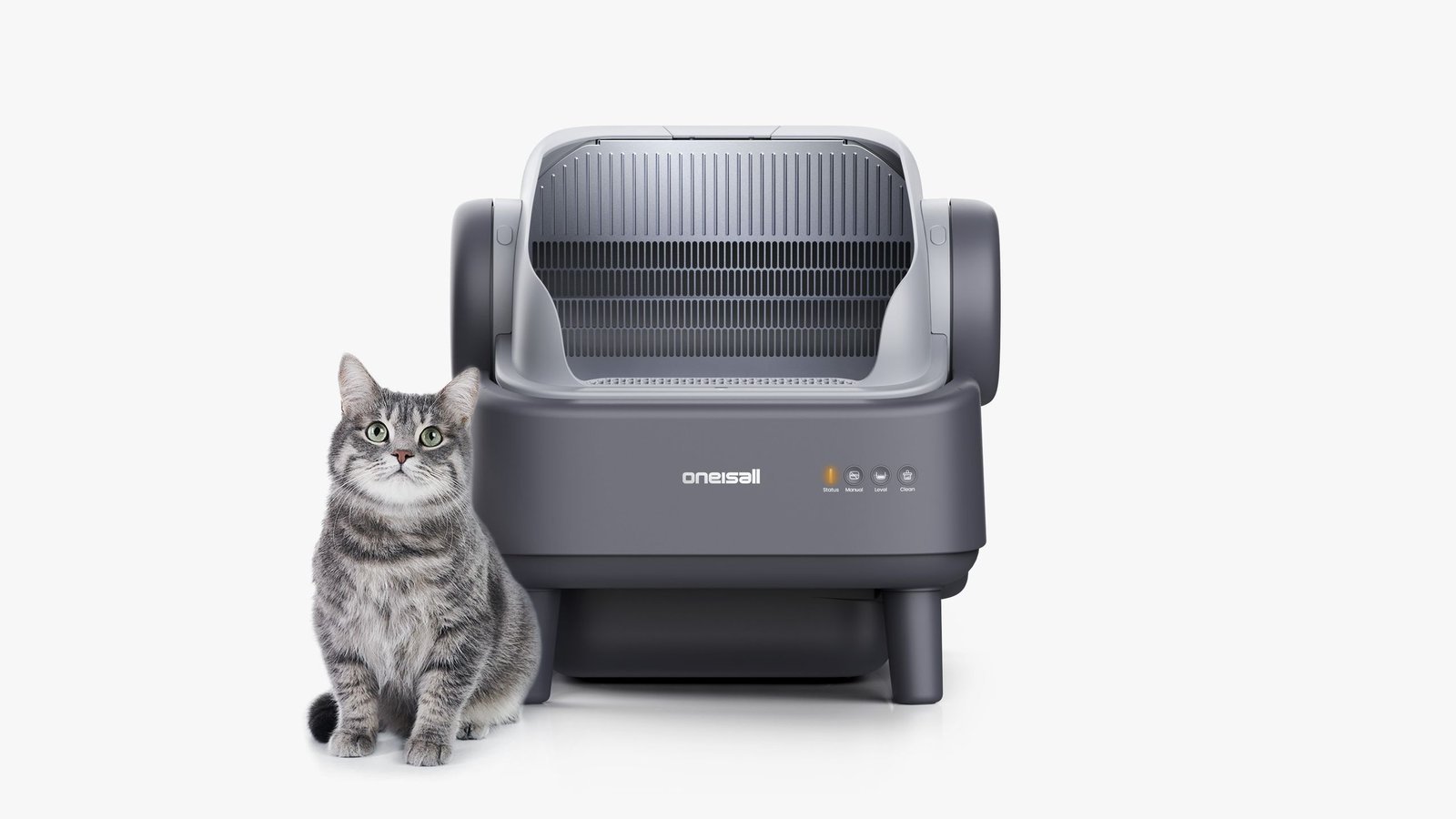
Artificial intelligence has left the phone and moved into the kitchen, the bedroom and even the cat's litter box. Five recent objects suggest the domestic future is not about voice commands but about machines that learn to live alongside us.
The smartphone made everyone a photographer. A new generation of dedicated compacts, from DJI's gimbal cameras to the Camp Snap CS-Pro, argues for a device that exists for one purpose only.
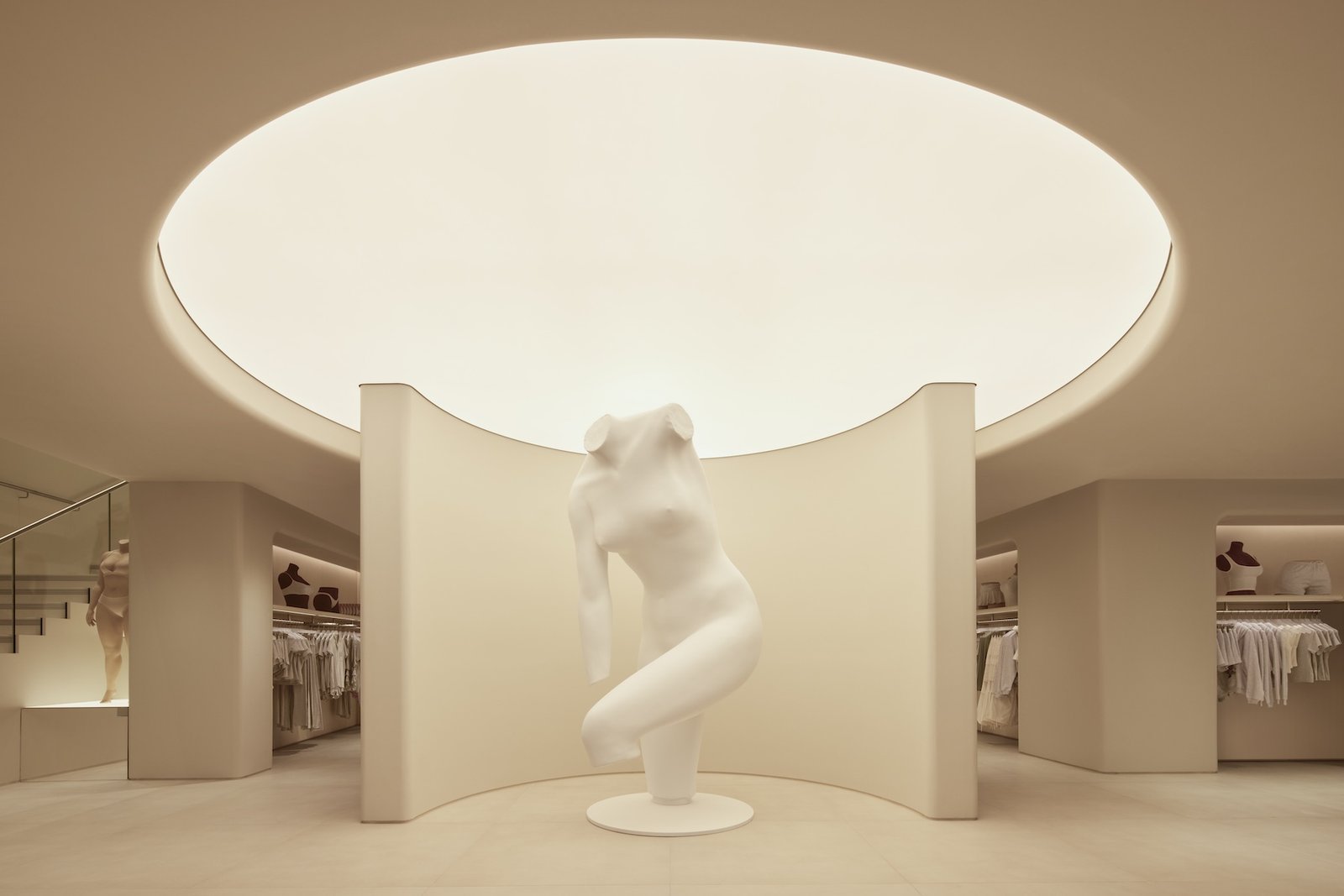
At the Skims flagship on Regent Street, designed by Rafael de Cárdenas, the beige of Kim Kardashian's house and a monumental Vanessa Beecroft figure become the architecture of a brand valued at 5 billion dollars.