A £5 million Brueghel, a cautious middle market, a swan-shaped toast rack and a city that turned hotels, cars, salerooms and clubs into exhibition space. What Frieze Week 2026 said about the art world, and about London.
The most important room at Frieze this year was the one the collectors never entered.
It was not a booth. It was the room they sent someone else to. “Collectors aren’t going to fairs anymore,” the dealer James Cope told Ocula during the week. “They are sending their advisor, or buying off a preview the week before.” Advisers spoke of clients who stayed a couple of hours and left. Frieze, for the first time, added VIP hours on the Saturday, a quiet admission that the people it most wants to see are arriving later, and leaving sooner. And yet London, between 14 and 18 October, felt more crowded than it had in years: some 95,000 visitors from 108 countries and regions, representatives of a record 426 institutions, a fair that dealers called one of its best in recent memory. The tents were full. The decisions were being made elsewhere.
That is the paradox of Frieze Week 2026, and the reason it was worth watching. The fair has become the set. The city has become the stage.
Cool Britannia, again?
The week opened with a provocation. Quoted in the Financial Times, Yana Peel said that the last time London felt this charged was 1997, the year of Cool Britannia. The comparison travelled fast, and it did not travel unopposed. Lisa Panting of Hollybush Gardens, speaking to The Art Newspaper, remembered the nineties differently: a “fabricated market moment orchestrated by a few key players.”
Both were, in their way, describing the same thing. Tate Britain had just opened The 90s: Art and Fashion, sponsored by Alexander McQueen, and the critic Ben Luke dismissed it as “a middling cover version of a V&A spectacle.” Nostalgia was everywhere and convincing nowhere. What London had in 2026 was not a revival. It was something less photogenic and more durable: a market learning to live with less, in a city that still knows how to make a week feel like an occasion.
Heat at the edges
The headline sale arrived before most visitors did. At Frieze Masters, Hauser & Wirth placed Jan Brueghel the Elder’s Still Life of Flowers in a Stoneware Vase, painted around 1607, for around £5 million, the highest price of the week. “An undisputed milestone,” said Iwan Wirth. A short walk away, David Zwirner and Victoria Miro sold four paintings by Alice Neel at between $1.6 million and $1.8 million each, one of them to a major museum. At Frieze London, Gagosian sold all six of its Albert Oehlens, and Zwirner placed a Michaël Borremans for $1.5 million.
Beneath those numbers, the market was more nervous than the champagne suggested. “It’s the very high and the very low stuff that is selling the best,” the adviser Judith Greve told The Art Newspaper. “It’s still a strange time.” Another adviser, Nico Epstein, spoke to Artnet of demand gathered in “heat pockets.” One London collector put it more simply: “It’s hard to buy right now.” The middle of the market, the territory of the established mid-career artist at five and low six figures, hesitated. Decisions took longer. Reserves were placed and released.
It’s the very high and the very low stuff that is selling the best. It’s still a strange time. Judith Greve, art adviser
And there was the matter of Paris. “The serious money is going to Paris,” one adviser told The Art Newspaper, with Art Basel Paris opening the following week. Another, Nayrouz Tatanaki, offered a more generous reading to Artnet: “London is more for the rest of the world.” The visitor figures supported her. Attendance from India and China more than doubled; buyers from the Gulf and India were active in the aisles. London has stopped being Europe’s market and started being the world’s waiting room.
On the floor
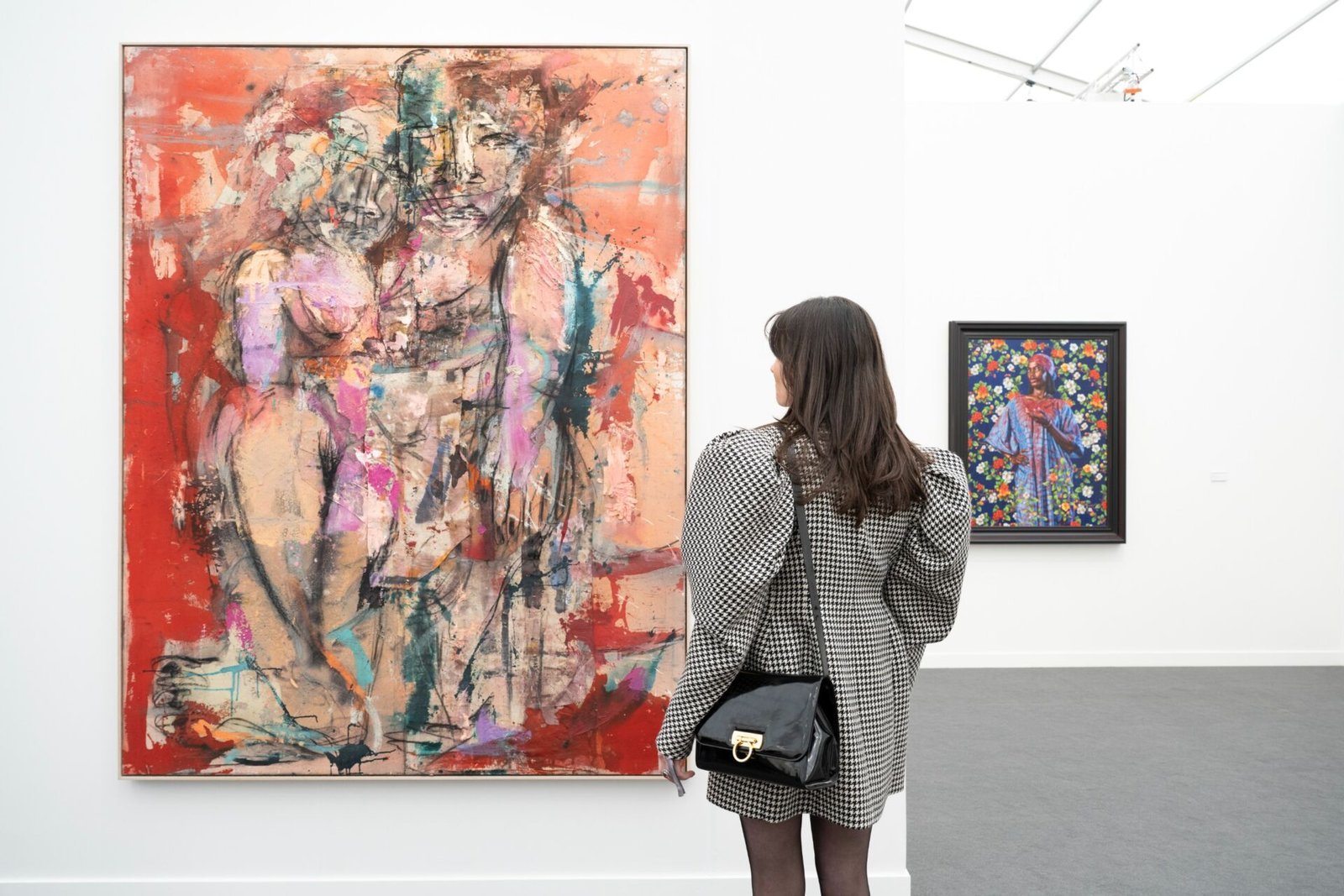
The best stands this year understood that a white tent is a hostile place for atmosphere, and set about defeating it. At Edel Assanti, Marcin Dudek rebuilt something of the Kraków housing estate where he grew up, and the booth felt lived in rather than hung. At The Modern Institute, the object everyone stopped for was Andrew J. Greene’s stainless-steel toast rack in the shape of a swan, slowly turning, absurd and immaculate at once. Hauser & Wirth showed Christina Kimeze painting directly onto suede, so that the colour sinks in rather than sits on top. Alvaro Barrington, at Sadie Coles, wove yarn through burlap and set it in a frame of wood and gold leaf, and at Xavier Hufkens a Henry Taylor painting arrived in a frame that was clearly part of the argument. It was, quietly, a year for frames.
Elsewhere the fair was at its best when it was strangest. Gray Wielebinski placed numbered, security-tagged works in the fair’s lavatories, with scented pods for company. In Artist-to-Artist, the Vienna-based painter Paul Robas, nominated by Louise Giovanelli and shown by Alice Amati, borrowed the encaustic wax of the Fayum mummy portraits to paint images that drift between screen and surface. Victoria Miro gave Khalif Tahir Thompson his first presentation with the gallery. At Frieze Masters, Harlesden High Street introduced the Haitian artist Luce Turnier to London for the first time, and Daniel Crouch Rare Books brought highlights from Andrew Edmunds’s collection of more than ten thousand caricatures, Gillray, Hogarth and Rowlandson among them. Two centuries on, the satire still landed.
The rooms
If the fairs whispered, the salerooms spoke plainly. Christie’s took £218.6 million across its London sales, carried by Monsoon: The Peter Simon Collection, which made £107.5 million, sold 98 per cent of its lots and became the most valuable single-owner collection ever sold by the house in London. A restituted Kandinsky, Das bunte Leben, made £31.6 million; a Mondrian, £25.2 million; a Francis Bacon, £17.2 million. Liubov Popova set a record.
Sotheby’s had a harder evening. Its contemporary sale made £45.9 million with fees, below the low estimate on the hammer, and several lots by the most fashionable painters of the past decade went unsold. A Willem de Kooning set a European record at £9.8 million; a David Hockney iPad drawing made £1.9 million, a record for the medium. “Collectors are not willing to take big risks,” the dealer Thomas Stauffer said.
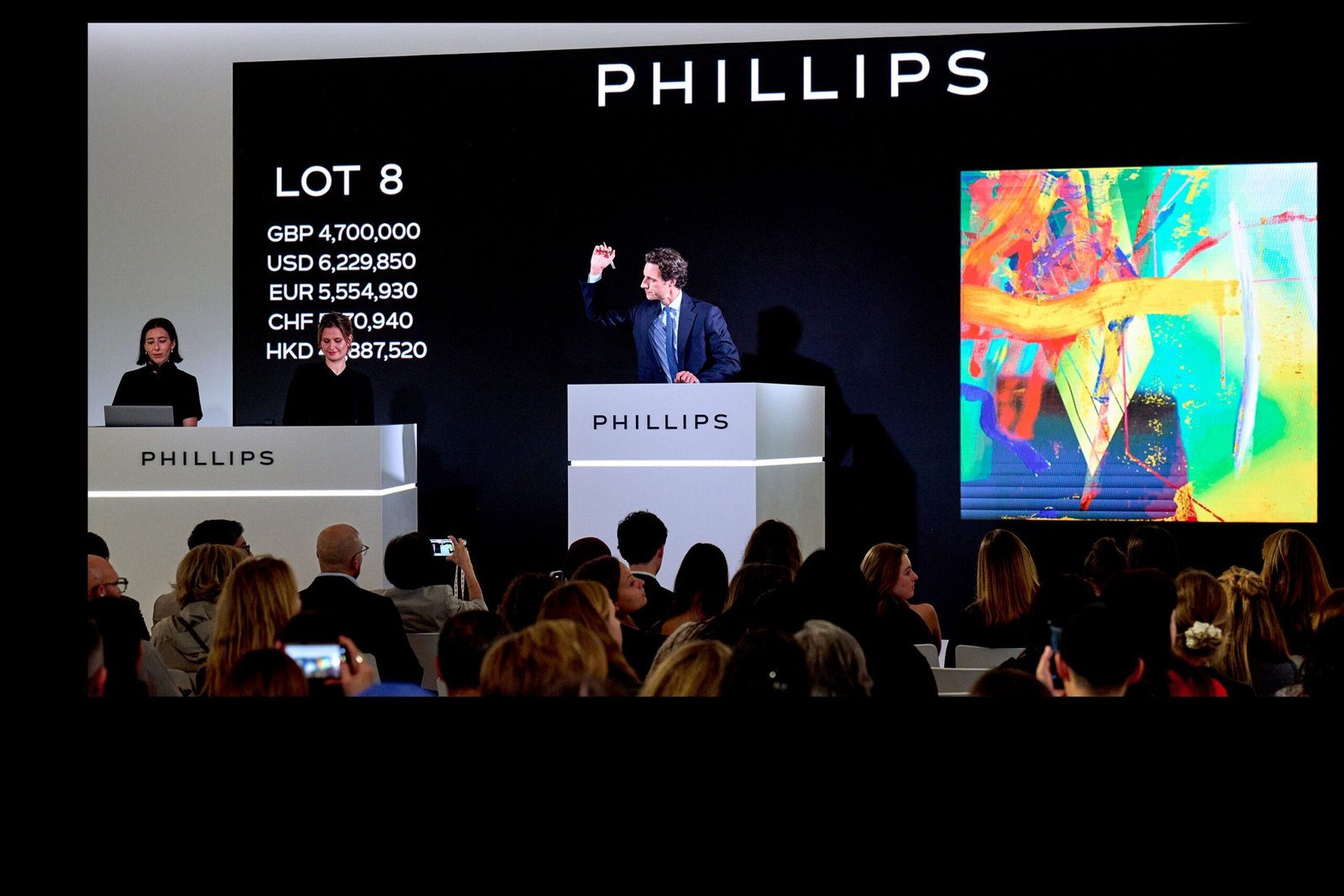
Phillips, on Berkeley Square, sold every one of the twenty lots in its Modern & Contemporary Evening Sale on 15 October. Gerhard Richter’s Mathis, one of four abstract paintings from 1983 that had spent some twenty-five years in the collection of Marcel Brient, made £5.8 million with fees, below its £6 million to £8 million estimate. Banksy’s Keep Ou T, painted on an arch said to come from Heathrow and first shown at the Royal Academy in 2019, made its auction debut at $2.1 million, within estimate, after subdued bidding. Across the week, Phillips’s London sales reached £21.5 million, with a world record for Hassan Sharif and the private sale of twenty-two works from the Dartington Hall Collection to the nation, supported by Art Fund. “The energy of Frieze Week has been electric in the saleroom,” said Charlotte Raybaud, the house’s head of sale. It was. It was also selective.
GERHARD RICHTER’S MATHIS, 1983, ON THE BLOCK AT PHILLIPS, BERKELEY SQUARE, 15 OCTOBER 2026. IMAGE COURTESY OF PHILLIPS
Access, not visibility
The most revealing sentence of the week was spoken not by a dealer but by Frieze’s chief commercial officer. Sponsors, Emily Glazebrook told The Gray Market, now want “access rather than visibility.” A dinner with an artist, she said, is worth more to a partner than any amount of signage.
The week was built on that principle. Stone Island, which sponsors the Focus section, has helped subsidise 136 galleries across 246 booths over the years, and brought its Collector Series to Selfridges. Tiffany & Co. underwrites Artist-to-Artist, the section in which established artists nominate peers. Dunhill presented the Frieze Masters Talks, curated by Arturo Galansino, with Es Devlin and Grayson Perry among the voices. JW Anderson and American Express Platinum installed Cerith Wyn Evans’s wind chimes in Pimlico. De Beers took a stand at Masters. At Dover Street Market, Marc Quinn, Martine Rose, Michèle Lamy, Tim Walker and Tremaine Emory gathered to celebrate the return of Six, the Comme des Garçons magazine. Fashion did not sponsor the week. It moved in.
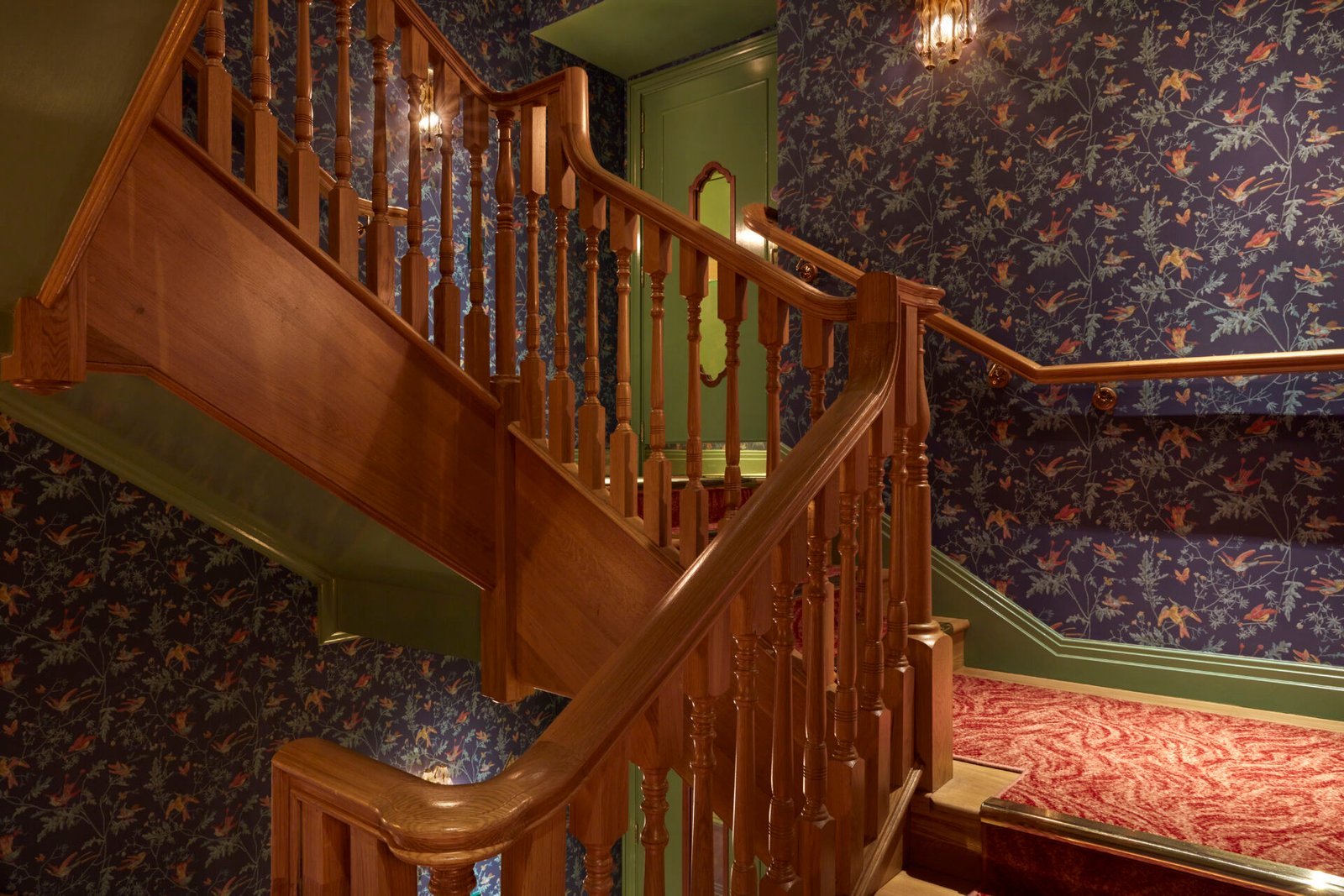
Hotels followed. The Peninsula London turned six cars from its fleet, two Rolls-Royce Phantoms, a Bentley Bentayga, a BMW i7, an electrified Austin taxi and an LEVC, into a single continuous work by the New York artist KOZO, made with Larry Warsh’s CART Department and driven around the city until the end of October. “A car is not a blank white canvas,” KOZO said. Rosewood London opened Groundwork, the first group exhibition of its Living Gallery, with twelve works for sale on its marble staircase. The Dorchester revived the salons that wartime hostesses once held in its suites, opening a series of conversations with the collector Valeria Napoleone in the Oliver Messel Suite. Broadwick Soho, the official hotel of Frieze Masters, sold suites with VIP passes attached. In Grosvenor Square, the London Invitational, founded in Dallas by James Cope, placed twelve galleries in twelve rooms of The Chancery Rosewood, the former United States embassy designed by Eero Saarinen. “It’s a bit of a ‘come into my living room’ situation,” said the art consultant Jessica Nowitzki.
THE STAIRCASE AT BROADWICK SOHO, OFFICIAL HOTEL PARTNER OF FRIEZE MASTERS, WITH INTERIORS BY MARTIN BRUDNIZKI. COURTESY BROADWICK SOHO
A car is not a blank white canvas. KOZO
The logic is the same everywhere. If collectors will not spend a day in a tent, the art will meet them where they already are: at breakfast, in the lift, in the back of a car.
CHARLIE RUSSELL, GLASS STRUCTURE (SUNSET), IN GROUNDWORK, THE FIRST GROUP SHOW OF ROSEWOOD LONDON’S LIVING GALLERY. COURTESY ROSEWOOD LONDON
Old money, young hands
The most unexpected energy of the week came from the oldest corner of the market. The Art Newspaper profiled a generation of Old Master dealers in their twenties and thirties entering a trade that, as Johnny Van Haeften put it, requires “a very rich backer or personal money.” Starting a gallery in the field takes £5 million to £10 million; a stand at Frieze Masters costs at least £100,000. Mattias Vendelmans, 33, explained why the new dealers are painting their walls white: “Dark velvet walls with a lot of gold frames can be quite off-putting for a young person.” Charis Tyndall was more direct about the world they are entering: “A young woman in her 20s is going to be looked at in a very different way to an older man.”
London’s museums, meanwhile, are courting the same crossover from the other side. The National Gallery has paired Yinka Shonibare with Gainsborough; the Wallace Collection, Courtauld and others have placed living artists among the Old Masters. Not everyone is persuaded. Penelope Curtis called the trend “ageing” and “hackneyed”; Nicholas Penny spoke of “intrusive interventions.” Emanuela Tarizzo, director of Frieze Masters, offered a gentler argument: “Living artists are some of the most consistent visitors to Frieze Masters.” The past, it turns out, is where the present goes to think.
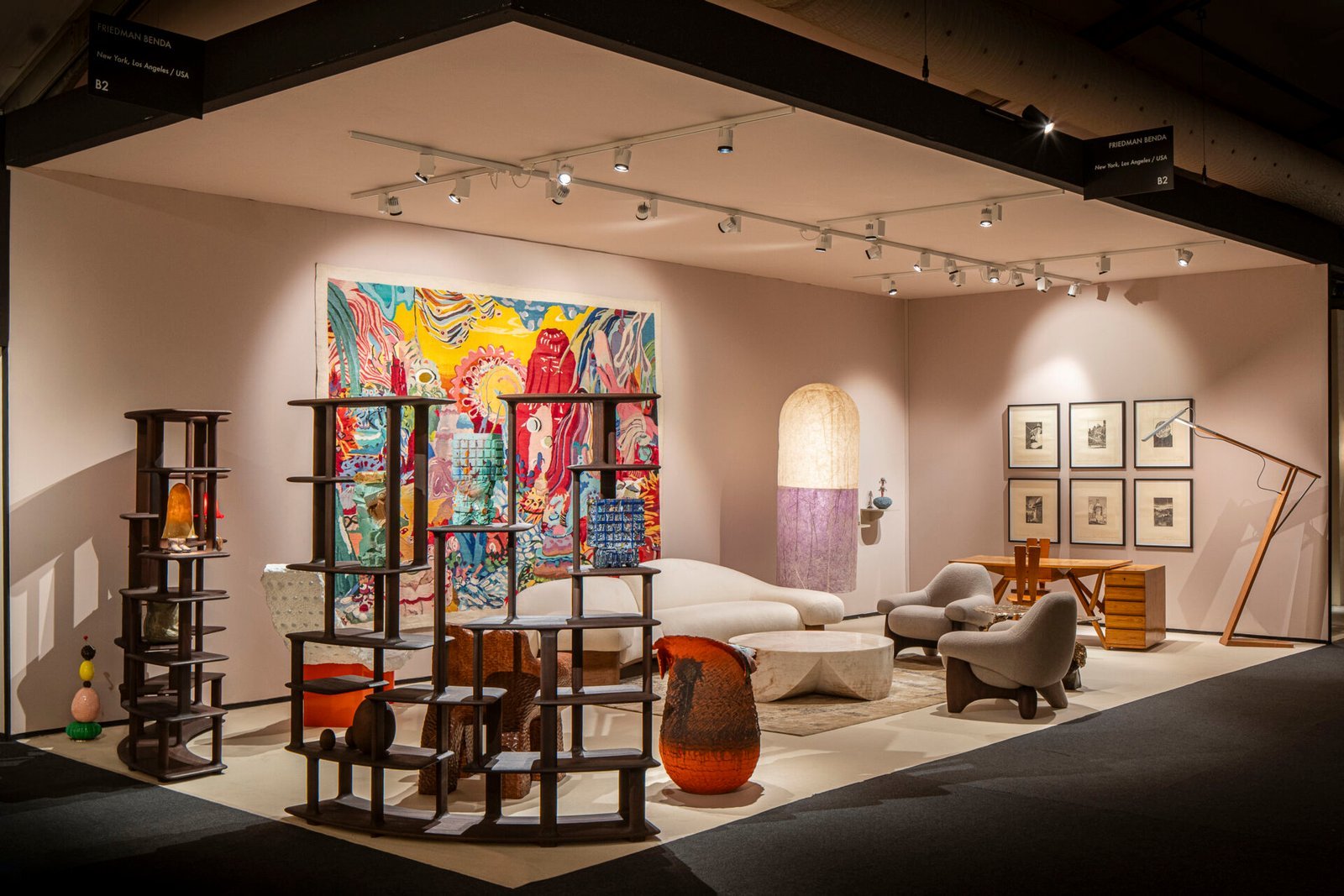
FRIEDMAN BENDA AT PAD LONDON, BERKELEY SQUARE. PHOTO STÉPHANE ABOUDARAM | WE ARE CONTENT(S), COURTESY FRIEDMAN BENDA AND PAD LONDON
The South at the Masters
Frieze Masters looked further south this year. Its Spotlight section, the largest yet and shaped by the curator Devika Singh, leaned towards South Asia, and The Art Newspaper read the fair as a shift of balance towards the Global South. Akar Prakar sold half of its works by Haloi; Vigo showed Ibrahim El-Salahi; Loft Art Gallery sold a 1967 Mohamed Melehi for €180,000. “I’m amazed by the response,” said Reena Lath of Akar Prakar. The headline money still went to Western painting, but the conversation had moved.
So has the map. Frieze Abu Dhabi opens its first edition from 19 to 22 November, and the developer Aldar used the London week to announce Noma, a new creative district in the emirate. The timing is complicated: war in the region, record shipping costs and suspended flights have cooled some dealers’ enthusiasm. “For me at this point, New York wins out,” Morgan Long told Artnet. Frieze, for its part, quietly changed a rule that says more about the future than any announcement: galleries no longer need a permanent physical space to apply. “We want our eligibility criteria to recognise the quality of a gallery’s programme,” said Kristell Chadé, the company’s executive director of fairs. In a year when a long-established London gallery entered administration owing artists money, and when public funding for the arts shows no sign of growing, that sounded less like flexibility than realism.
The city as exhibition
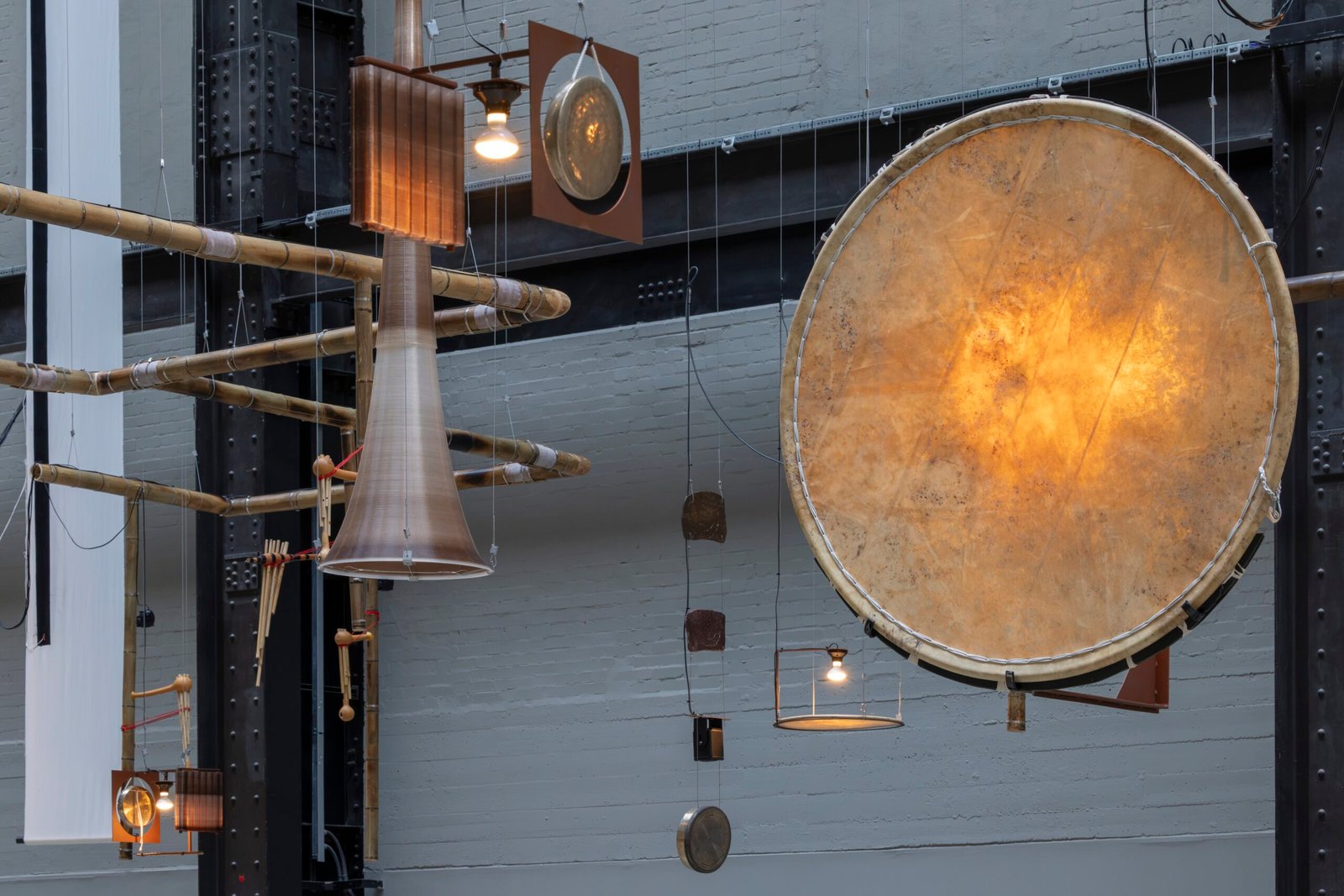
Some of the week’s most lasting work required no ticket and no adviser. In the Turbine Hall at Tate Modern, the artist and composer Tarek Atoui installed the eleventh Hyundai Commission, Hold, instruments that double as sculpture, free to visit until April. The critics divided, which is usually a good sign. At Serpentine South, Justin Caguiat’s first institutional show in Britain, Change Ringing, set heat-sensitive paintings beside bronze bells cast as flowers and seeds, to a score by Lily Pickett drawn from the old English art of bell ringing. At Serpentine North, Amar Kanwar premiered The Charcoal Man. At the Royal Academy, Painting the French Riviera gathered more than 120 works, from Monet and Renoir to Matisse, Bonnard, Picasso and Yves Klein, under a line Monet wrote from Antibes: “One swims in blue air.”
The commercial galleries made their own case for the city. At the Barbican, Robert Ryman received his first major British exhibition in more than thirty years, a lesson in how many things white can be, while Yuko Mohri filled The Curve with salvaged wire and street lamps, cymbals struck by water. Rebecca Warren returned to Maureen Paley with her first London show in fifteen years. Cindy Sherman opened new work at Hauser & Wirth, Georg Baselitz’s Heroes filled Thaddaeus Ropac, and Gagosian hung Magritte behind rippling curtains in Grosvenor Hill. The National Portrait Gallery gave the first slot of its new contemporary programme to Issy Wood, and down the corridor Tim Walker’s Fairyland was pure pleasure. Es Devlin’s retrospective, Other Worlds, kept the Design Museum busy all week. And in Maddox Street, the Berlin gallery Heidi opened its first London space, three floors up. A fair can be visited in a day. A week like this cannot.
And all week, through the traffic of Hyde Park Corner and Mayfair, six cars wrapped in pastoral England and guardian lions moved slowly through the city, available to anyone staying at the right hotel. It was the most honest artwork of Frieze Week. It did not wait to be visited. It went to find its audience.
By Sunday evening, the tents in Regent’s Park were coming down, and the advisers had filed their reports. The room the collectors never entered had done its work: the paintings were sold, the records set, the reserves released. London did not recover 1997. It did something quieter and more useful. It reminded the art world that a fair can be moved, outsourced and previewed online, but a city cannot. The collectors may have stayed away from the tents. They did not stay away from London.
Still on view
Hyundai Commission: Tarek Atoui: Turbine Hall, Tate Modern, until 11 April 2027, free
Painting the French Riviera: Royal Academy of Arts, until 31 January 2027, from £24
Justin Caguiat, Change Ringing: Serpentine South, until 10 January 2027, free
Amar Kanwar: Serpentine North, until 31 January 2027, free
The 90s: Art and Fashion: Tate Britain, until 14 February 2027
A World Within, by KOZO: The Peninsula London, until 31 October
Frieze Sculpture: The Regent’s Park, until 1 November, free
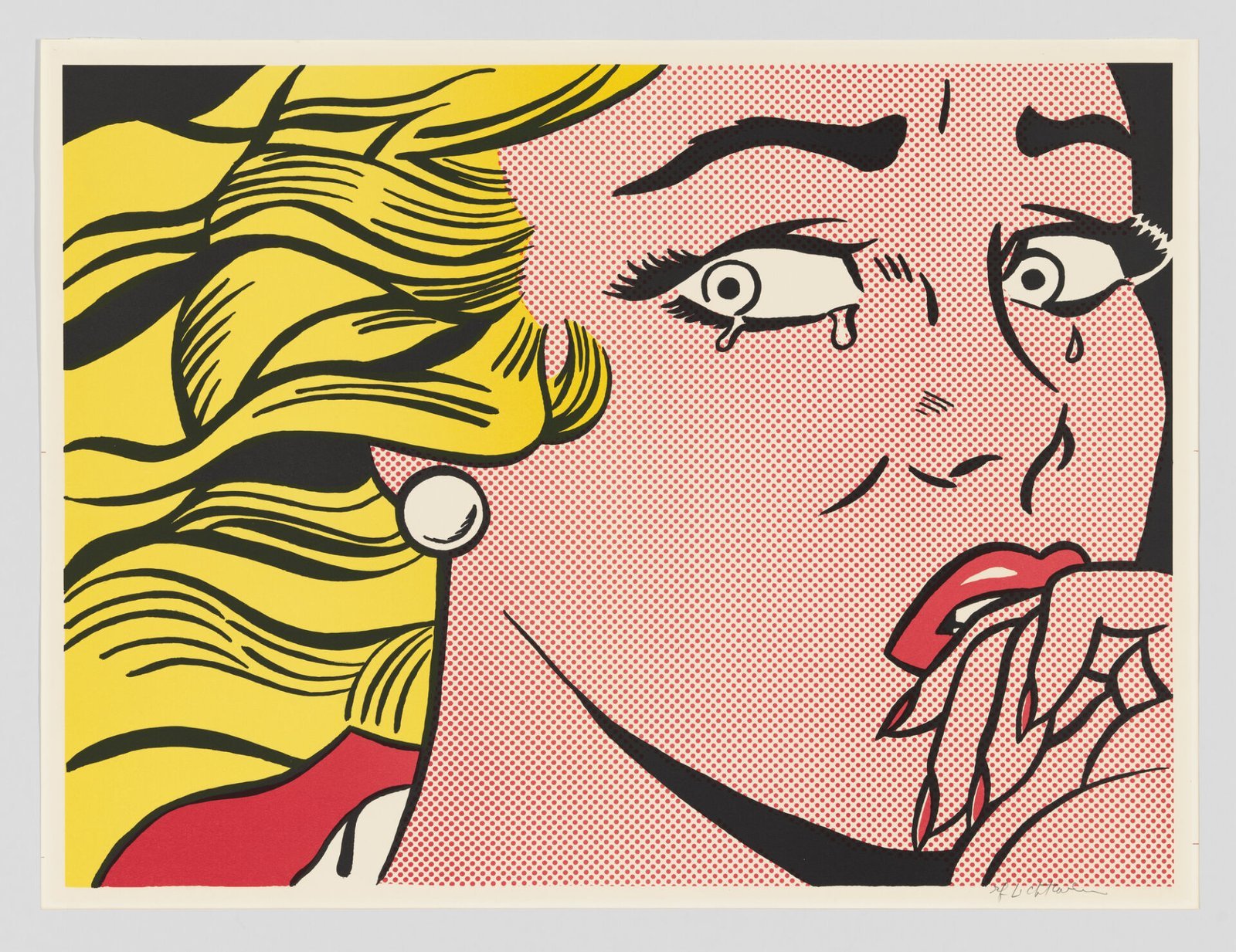
More than 130 works, murals remade by hand and a room of mirrors: "Roy Lichtenstein: Like New" fills the Whitney's fifth floor until 10 May 2027 and asks us to look again at the most obvious name in Pop Art.
Frieze took place in Regent's Park from 14 to 18 October. Frieze Week took place everywhere else. A selection of ten programmes, from Yuko Mohri at the Barbican to Es Devlin at the Design Museum, and the exhibitions that remain open after the fairs close.