HOSHINOYA Nara Prison: a hotel within the radial walls
Forty-eight suites occupy the former Nara prison, with original brickwork, a separate museum and a stay built around architecture rather than resort facilities.
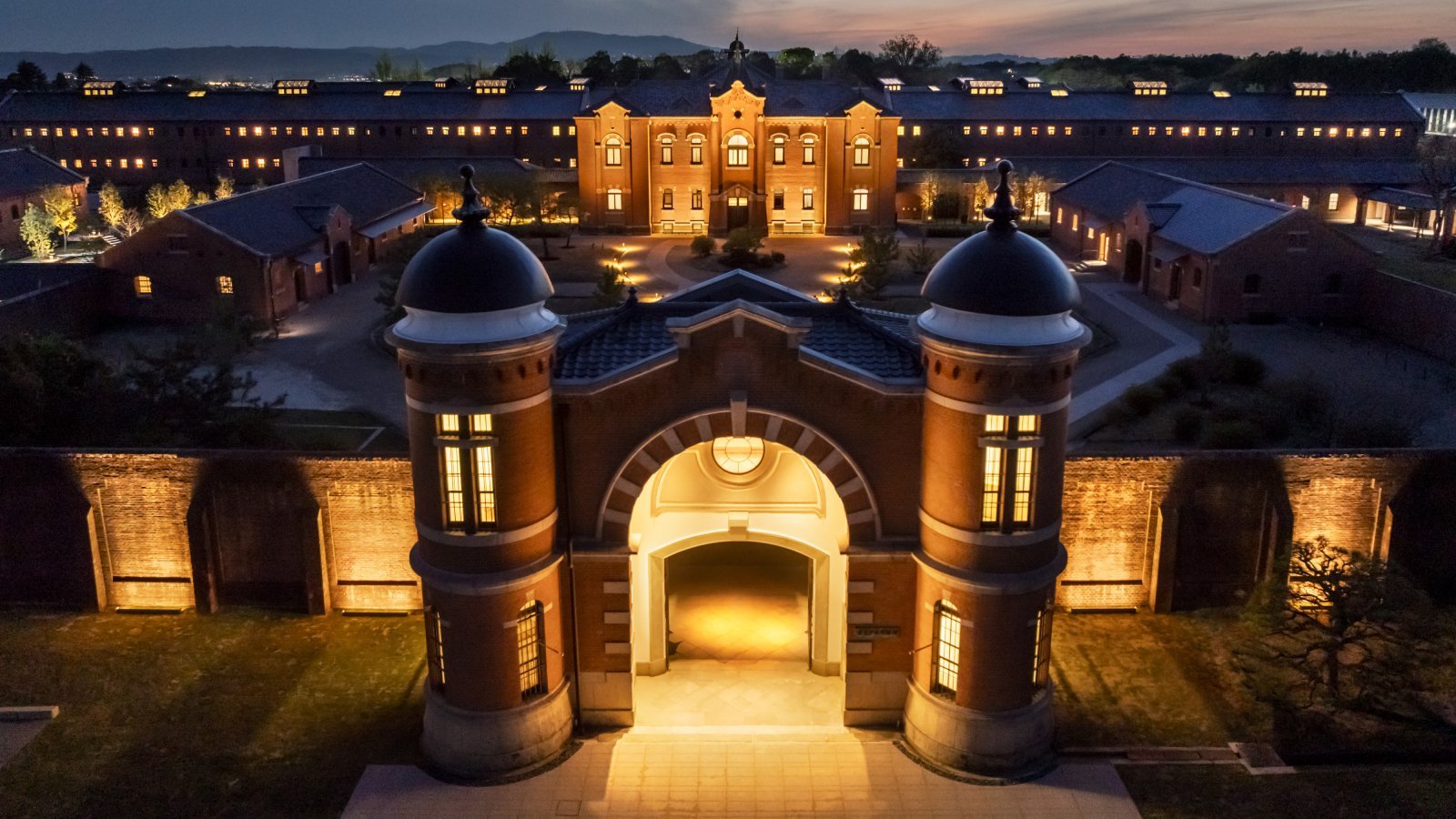
The red-brick entrance to the former Nara prison. Archive image.
HOTELS
HOSHINOYA Nara Prison begins with a building whose original purpose remains legible. Completed in 1908, the former prison has a central observation point and radiating cell blocks, an arrangement intended to make surveillance efficient. Its brick façade and arched entrance belong to the architectural ambitions of the Meiji period, not to a recently invented hotel identity.
Designed by Keijiro Yamashita, Nara was one of the major prisons built as Japan modernised its institutions. The facility closed in 2017. The hotel opened on 25 June 2026, following the opening of Nara Prison Museum on 27 April. Those are separate parts of the site, with different functions, even when a guest encounters both during one stay.
Several cells, one suite
The forty-eight suites were made by combining former cells. Depending on the category, nine, ten or eleven cells contribute to the new accommodation. That operation allows a generous room without pretending that the original dimensions were designed for comfort.
Rie Azuma and Azuma Architect & Associates worked on the hotel architecture, with Hiroki Hasegawa and Studio On Site responsible for the landscape. Brick, existing steel elements and the rhythm of the old openings remain visible. Timber and carefully chosen furnishings introduce warmth without requiring the building to pass as a traditional inn.
In the larger suites, dressing space, a chaise and a record player give separate uses to the joined rooms. Regional tea and other details connect the interior to Nara. High windows and the former cell structure shape the light, so this is not a hotel to choose primarily for a panoramic city view.
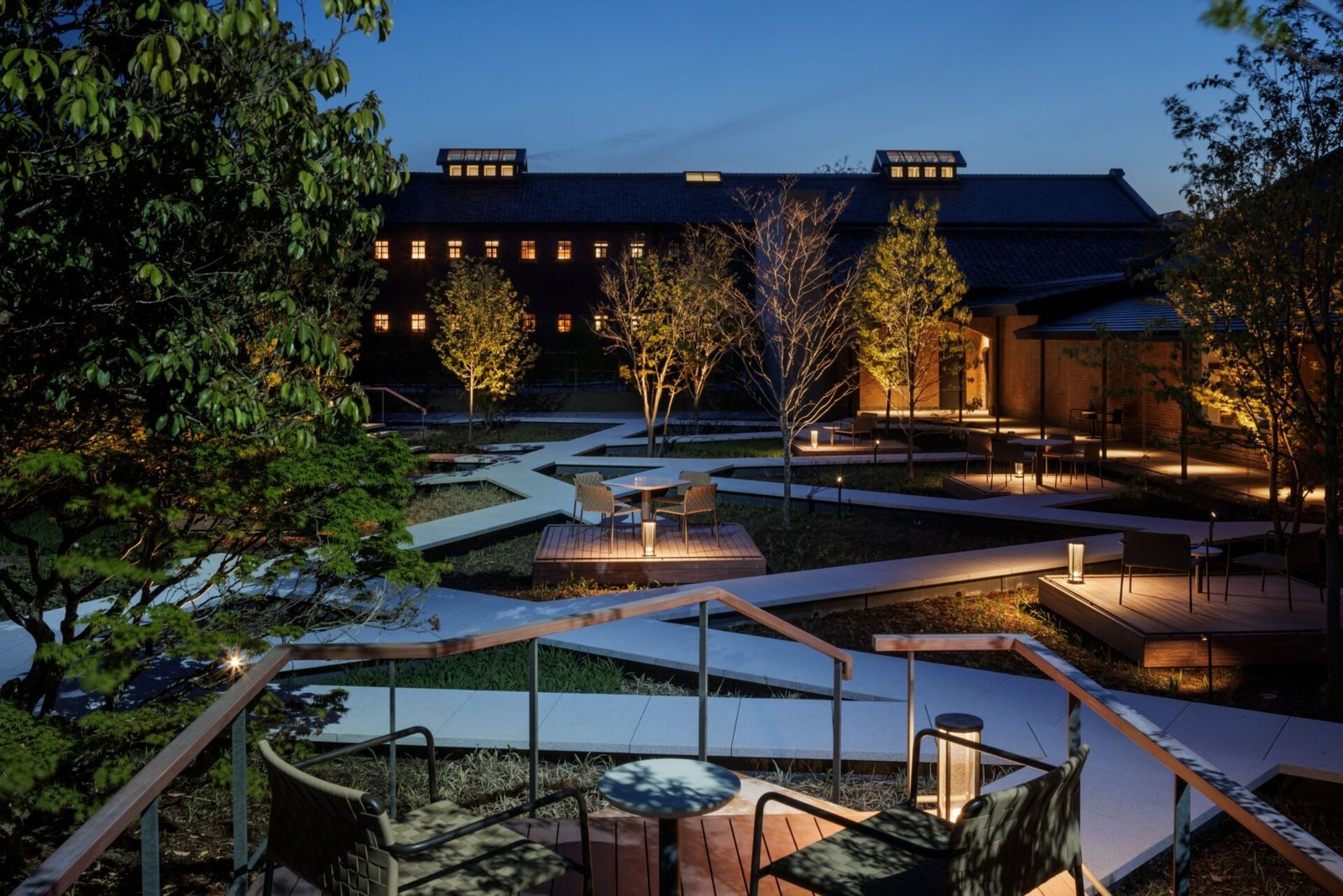
HOSHINOYA NARA PRISON. The landscaped courtyard at dusk.
Meals as a historical thread
Breakfast offers alternatives that place Japanese food alongside the Western influence of the Meiji era. The dinner programme, Gastronomy Chronicle, develops that relationship through a French-influenced sequence rather than treating the old prison simply as an unusual backdrop.
The original account described dishes including sole with an Albert sauce and a chocolate dessert. They illustrate the menu’s historical argument, not a promise that every dish will remain unchanged. The useful question is how the meal interprets the period when imported techniques were being absorbed into Japanese life.
The Dining Lounge occupies a former storehouse. Drinks, whisky and recorded music supply a less formal setting, including the tactile ritual of a gramophone. Elsewhere, the former chapel becomes a lounge for tea and the hotel’s changing programme of small activities.
What the hotel does not offer
There is no pool, conventional spa or gym to complete a familiar resort checklist. The stay is organised around the building, its atmosphere, food and access to the surrounding city. Those omissions are practical information, not shortcomings to hide beneath a generic promise of comprehensive facilities.
The museum provides the institutional history that the hotel’s interiors cannot tell by themselves. Visitor access and guest programmes should be checked separately; an overnight stay does not mean unrestricted entry into every historical space at every hour.
Nara beyond the gate
The site sits north of the central visitor district, in a quieter residential area. Nara Park and Tōdai-ji belong to the wider itinerary, but the hotel is not immediately beside every principal sight. A short taxi journey can be more useful than assuming that its address places the whole city at the doorstep.
After Kyoto, a stay here offers a distinct change of subject. Temples and gardens give way to the material history of another Japanese institution. The hotel is strongest when that difference remains part of the visit, rather than being erased by the language of a conventional getaway.
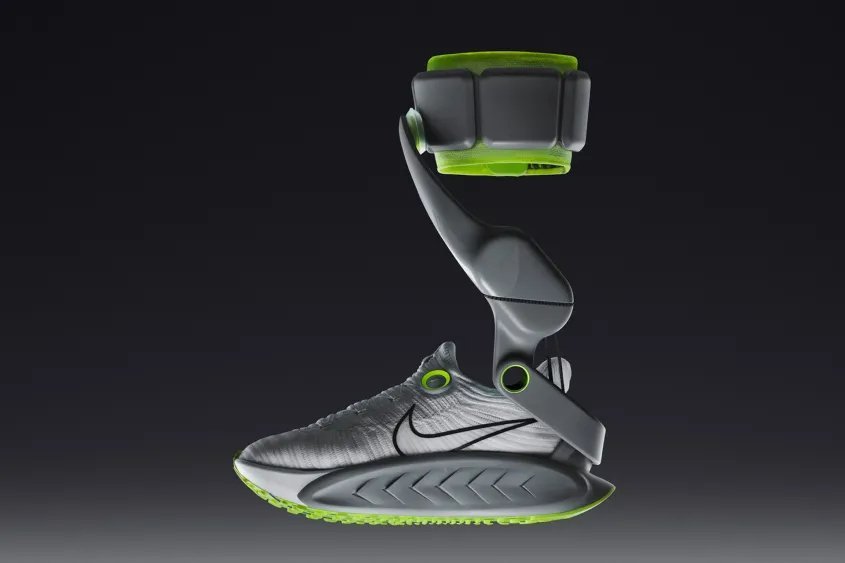
Developed with the robotics company Dephy, Nike's Project Amplify is a powered footwear system for running and walking. A year after its unveiling, it remains in testing, with a consumer launch still some years away.
Artificial intelligence has left the phone and moved into the kitchen, the bedroom and even the cat's litter box. Five recent objects suggest the domestic future is not about voice commands but about machines that learn to live alongside us.
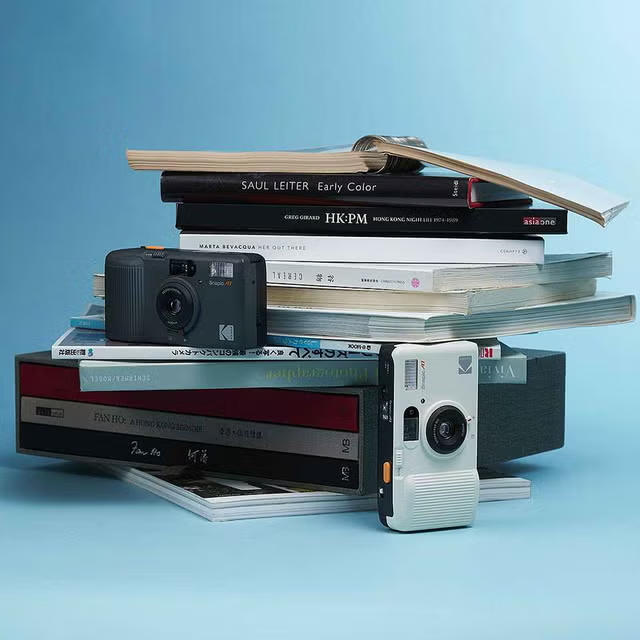
The smartphone made everyone a photographer. A new generation of dedicated compacts, from DJI's gimbal cameras to the Camp Snap CS-Pro, argues for a device that exists for one purpose only.