La Grande Dame 2018: Jacquemus dresses Veuve Clicquot in white
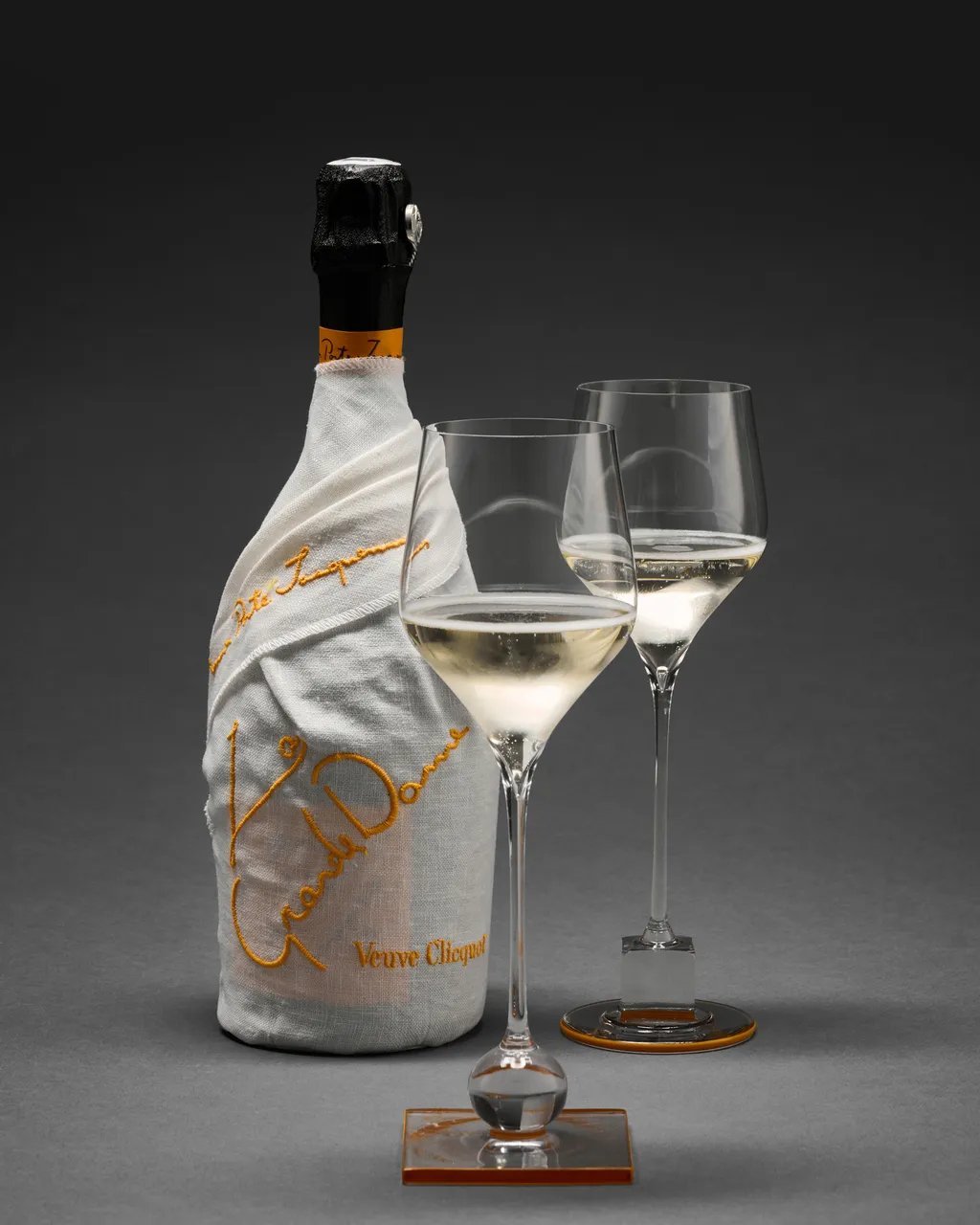
A white cloth, yellow embroidery and a bottle of champagne place Simon Porte Jacquemus in a different register from the runway. His collaboration with Veuve Clicquot for La Grande Dame 2018 approaches the object through the same vocabulary that runs through his clothes: fabric, sunlight, proportion and a distinctly Mediterranean sense of occasion.
A white cloth, yellow embroidery and a bottle of champagne place Simon Porte Jacquemus in a different register from the runway. His collaboration with Veuve Clicquot for La Grande Dame 2018 approaches the object through the same vocabulary that runs through his clothes: fabric, sunlight, proportion and a distinctly Mediterranean sense of occasion.
La Grande Dame was introduced in 1972 as a tribute to Madame Clicquot. The 2018 release is the twenty-fifth vintage of the cuvée, and the collaboration makes the ritual surrounding it part of the design. Rather than disguising the bottle beneath an elaborate shell, Jacquemus gives it a textile presence. White Toile du Marais wraps the glass; yellow embroidery recalls the house’s identifying colour without covering the entire surface.
A table object, not just packaging
The more involved piece is the rafraîchissoir, a vessel made to keep champagne chilled at the table. Its references reach back to eighteenth-century French tableware and the Medici vase, but the result also belongs to the designer’s southern landscape. Hammered metal, fish motifs and handles with different geometries give the object something of a sculptural still life.
The fish are worked through a trompe-l’œil treatment, bringing an ornamental suggestion of the Mediterranean to an object with a straightforward practical function. Circular and square forms interrupt the symmetry. It is an approach familiar from Jacquemus’s fashion: a recognisable everyday object becomes slightly unfamiliar through scale, material or an unexpected detail.
The time inside the metal
Artisan Camille Orfèvre, a Meilleur Ouvrier de France, is associated with the making of the piece. Polishing, engraving and lacquering demand more than forty hours of work, according to the collaboration’s presentation. The vessel is produced in limited numbers and made to order, placing the emphasis on fabrication rather than a disposable presentation box.
That distinction matters. A bottle is eventually opened; a properly made table object can remain in use. The collaboration extends the life of the commission beyond the moment of pouring, with the textile bottle treatment and the metal vessel offering two different interpretations of the same gathering.
The wine itself remains the centre of the occasion. The interest of this project lies not in pretending that fashion changes what is in the glass, but in showing how a designer can alter the gestures around it: carrying, cooling, placing and serving. Jacquemus turns those gestures into a small study of hospitality, with Veuve Clicquot’s history providing the frame.
A commission that survives the bottle
The fabric wrap and the metal cooler operate on different timescales. One accompanies a particular vintage and the act of presenting it. The other can remain on the table after that bottle has been opened, carrying the commission into another gathering.
That difference makes the ornamental choices more consequential. A fish motif or a deliberately unequal pair of handles has to belong to an object that still performs its cooling function. Jacquemus’s contribution is therefore not limited to changing the appearance of a package. It extends to how something is placed, handled and kept in use, with the maker’s work giving those gestures a durable form.
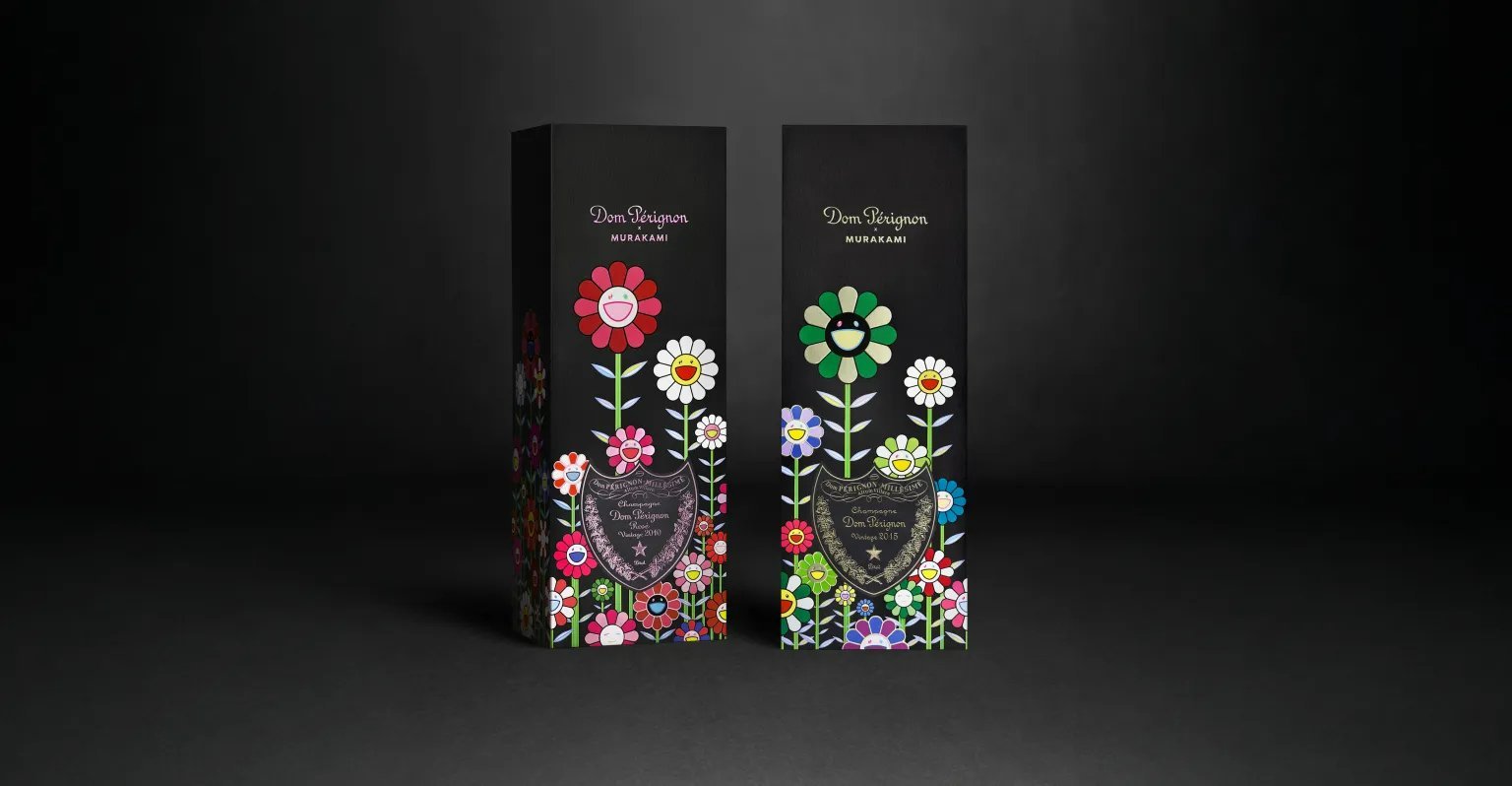
For Vintage 2015 and Rosé Vintage 2010, Takashi Murakami replaced the vines on Dom Pérignon's labels with his smiling flowers, a meeting of two cultures of patience that Chef de Cave Vincent Chaperon calls harmony.
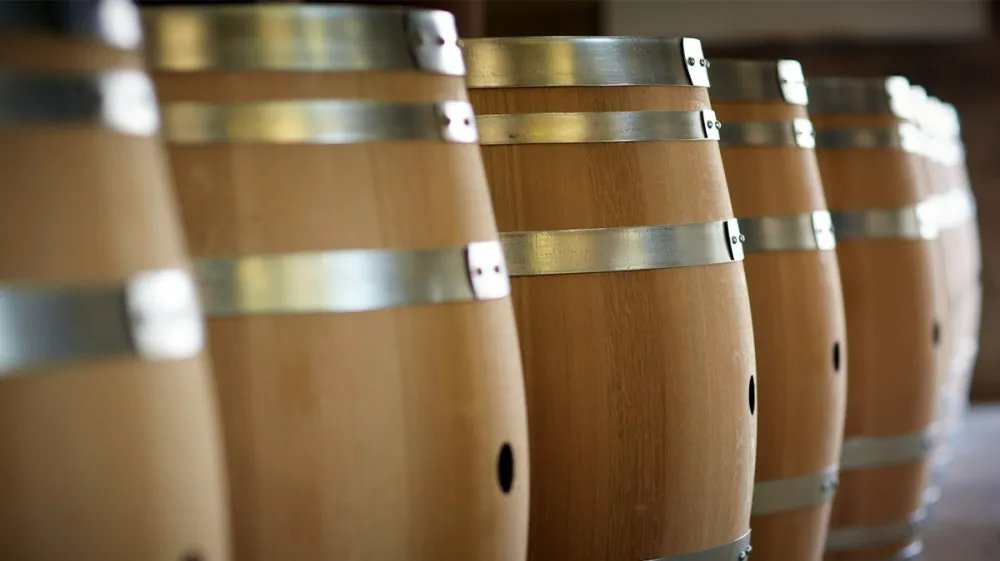
From the Penfolds Grange, raised in American oak since 1951, to the only cooperage inside a Burgundy house, the choice of wood still decides how a great wine speaks.
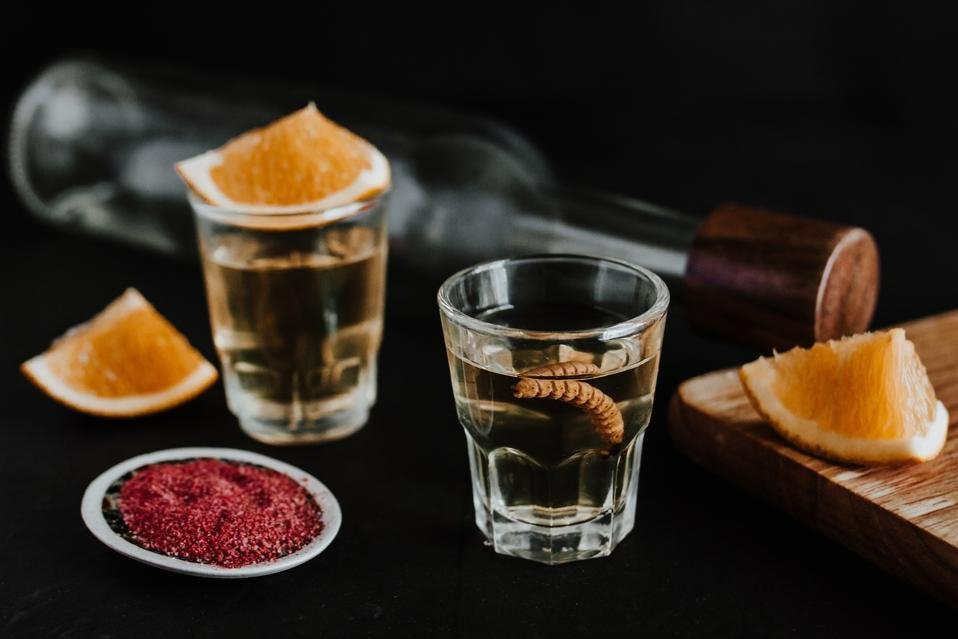
Mezcal is made from dozens of agave species, roasted in earthen pits and sipped slowly. Iván Saldaña, the biologist behind Montelobos, reads it as chemistry turned into flavour.