Culture / Reportage
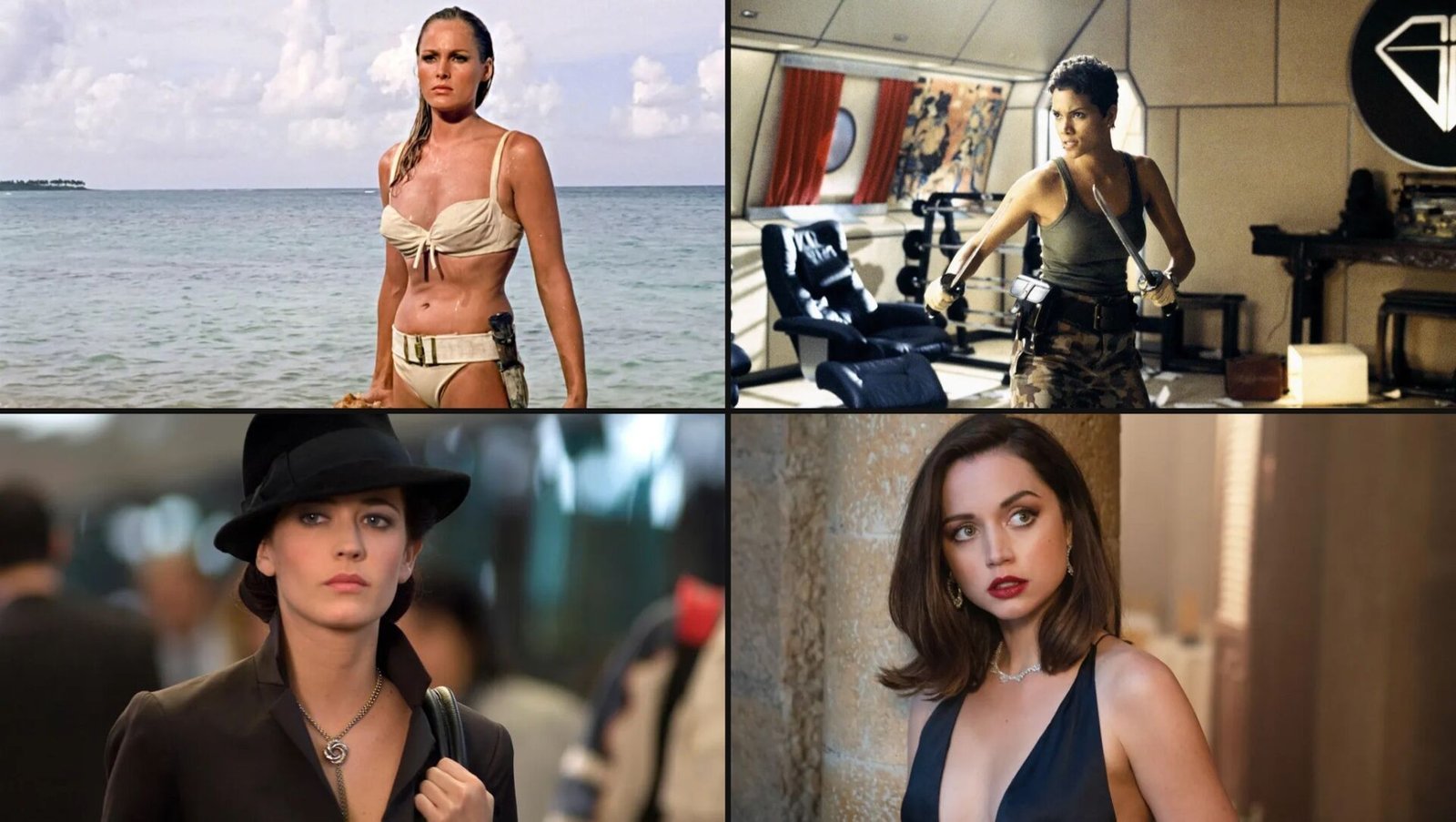
Fourteen Bond Women Who Defined Their Decades, as Robert Pattinson Becomes 007
From Ursula Andress to Ana de Armas, fourteen women who changed what James Bond meant, as Robert Pattinson is named the seventh 007.

THE CURATED EDITION.
Reportage / Paris
David LaChapelle and Blanca Li’s 2025 Loubi Show used a sporting setting to present the Spring/Summer 2026 collection. Choreography changed how the shoes entered the frame.
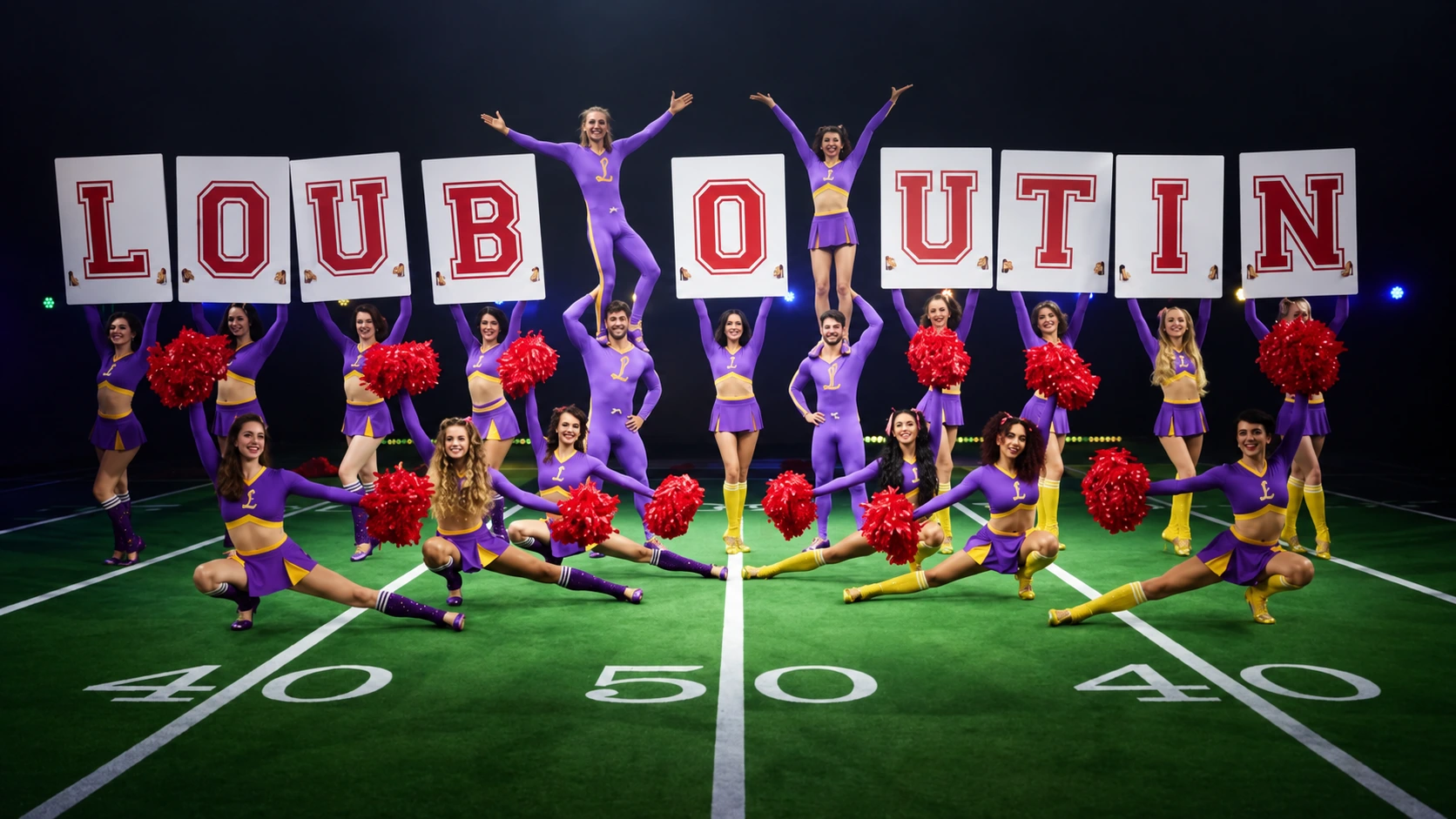
A shoe designed to be worn has a different presence in motion. Christian Louboutin’s 2025 Loubi Show made that proposition explicit by turning a football-field setting into a performance for the Spring/Summer 2026 collection.
The Paris presentation reunited David LaChapelle as artistic director and Blanca Li as choreographer. Their responsibilities were different and complementary: one shaped the visual world; the other organised bodies within it.
The production at Dojo Arena drew on American homecoming imagery, bringing marching-band and cheerleading forms into a Paris fashion event. Its five-act structure gave the presentation a sequence rather than a continuous procession.
The marching band of the Paris fire brigade opened the programme. Cheerleaders, dancers and a live musical performance then placed the collection inside a larger moving ensemble.
The five acts belong to the 2025 presentation of the Spring/Summer 2026 collection.
A conventional runway provides a long axis and a repeated walk. A sporting arena offers a broader field, where action can be organised across several directions.
That changes what the audience must attend to. A shoe can appear as part of a gesture, a team formation or a change in pace, rather than only at the end of a model’s walk.
The red sole is particularly suited to that moving image. Its visibility depends on angle and step. Choreography gives it repeated opportunities to enter the frame without reducing the entire performance to a product close-up.
LaChapelle’s image-making and Li’s choreography are central to the proposition. Naming them gives the production an authorship that a general claim of spectacle would conceal.
The distinction is also useful when reading a fashion show as culture. An environment, a costume, a performance and a collection can overlap without becoming the same creative responsibility.
The preceding 2024 collaboration at Piscine Molitor had used a different setting, involving dance and artistic swimming. The later football-field presentation was another chapter, not the same show described with a new location.
The sporting vocabulary did not make the presentation a competitive fixture. The field, uniforms and collective movement supplied theatrical codes for a fashion event.
Uniforms and formations gave the shoes a sequence of moving frames, connecting the collection to the choreography around it.
It also explains why the event belongs in an international culture conversation. A Paris house, an American school-sports vocabulary and two identifiable performance makers met in one production. The interest lies in that translation of form, not in the guest list alone.
The collection was presented through bodies in motion. The stage became a field, and the shoe became part of a larger choreography.
A shoe seen from the front does not offer the same information as one in motion. Choreography gives the sole, heel and changing angle of the foot a role that a static display cannot reproduce. Louboutin’s football-field setting extends that principle into a larger image, where marching, formation and dance organise how the audience sees the product.
LaChapelle and Li therefore contribute different kinds of authorship. Art direction establishes the visual world; choreography gives that world a sequence. The homecoming reference is not only decoration around a runway. It supplies a collective rhythm against which an individual movement can be noticed. The distinction from the earlier Molitor presentation also matters: the 2025 show uses another setting and another vocabulary, rather than repeating the swimming-pool spectacle under a new title.
CONTINUE READING
Culture / Reportage
From Ursula Andress to Ana de Armas, fourteen women who changed what James Bond meant, as Robert Pattinson is named the seventh 007.

Culture / Reportage
As Grand Theft Auto VI arrives on 19 November, Vice City revives a Miami built less by architects than by Miami Vice and Scarface: pastel, neon and danger in equal measure.
Culture / Reportage
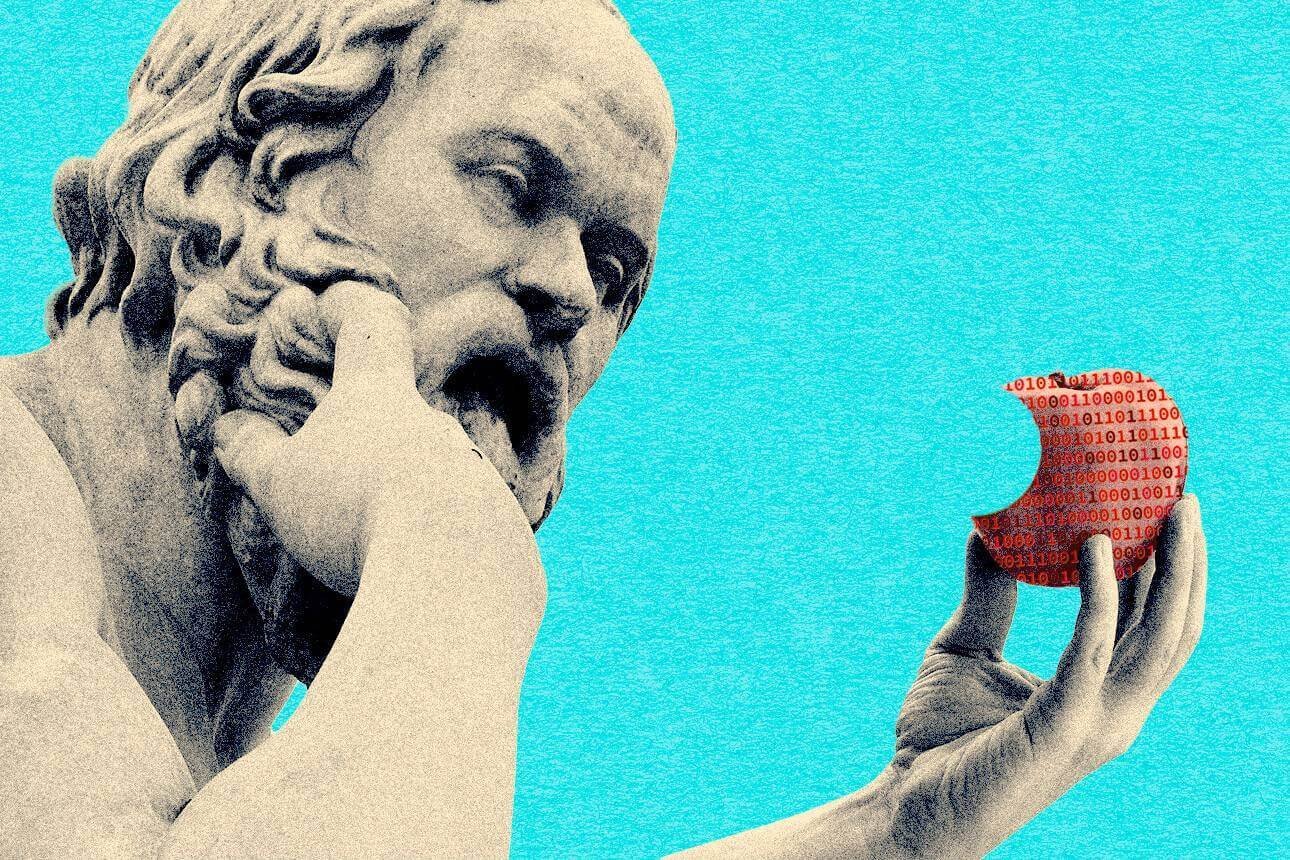
A decade ago, humanities students were told to learn to code. Now the laboratories building artificial intelligence are hiring philosophers to help decide how their systems should think and behave.
Culture / Reportage
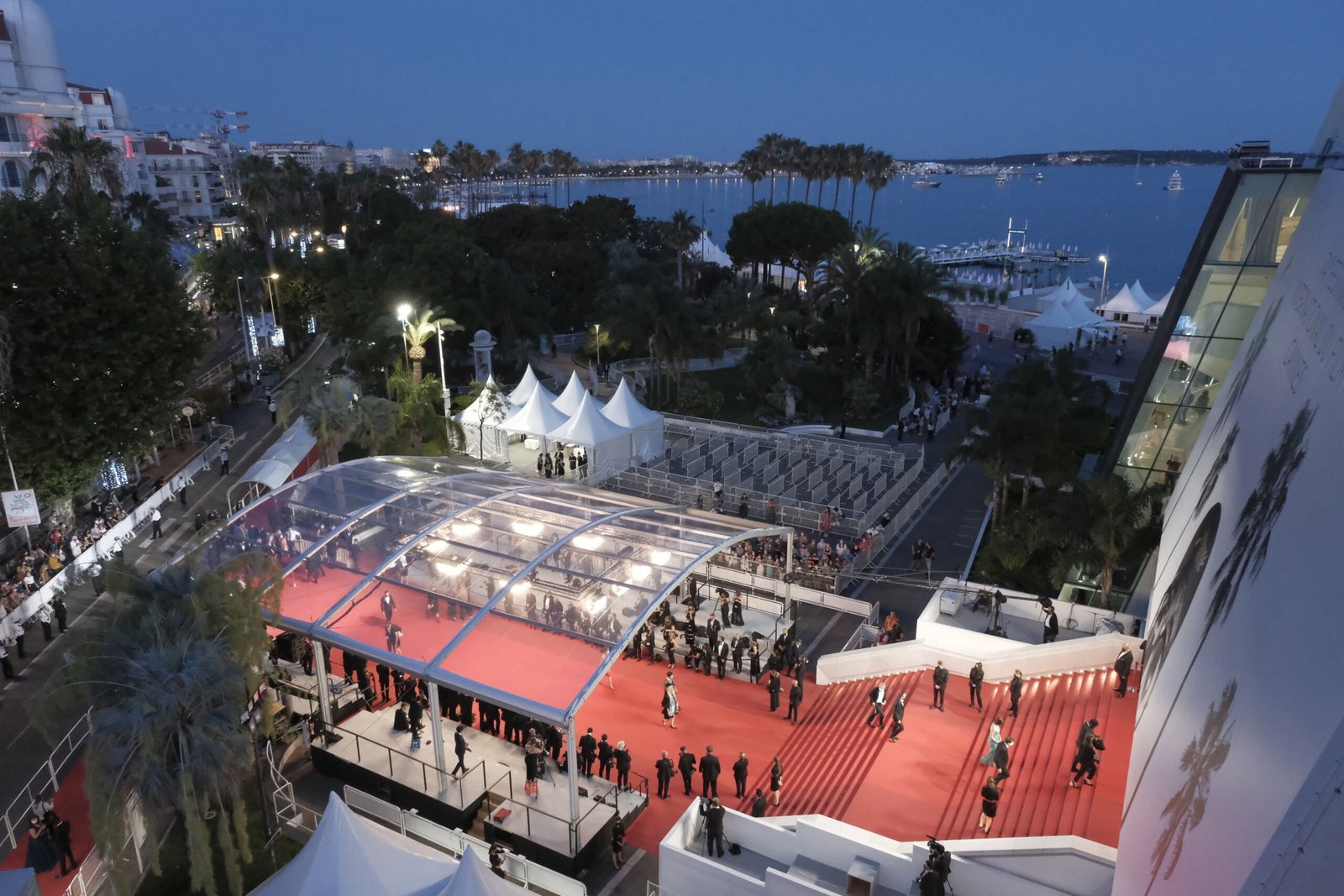
From 11 to 22 May 2027, Cannes marks its 80th edition with an anniversary programme that begins before the year is out. The dates, the people in charge, the films already tipped, what 2026 left behind and the 33rd amfAR Gala at the Hôtel du Cap-Eden-Roc on 20 May.

Culture / Reportage
Above California’s Pacific coast, William Randolph Hearst’s collection became an architectural project that Julia Morgan shaped over twenty-eight years.
Culture / Reportage
From Robert Kraft to Ryan Reynolds, a stake in a professional team has become the most coveted currency of access and visibility among the rich and famous.
THE CURATED GLOBE / FROM THE EDITORS
A considered selection of people, places and ideas from WAYFARER Edition, delivered to your inbox.
Free. No data sharing. Unsubscribe in one click.