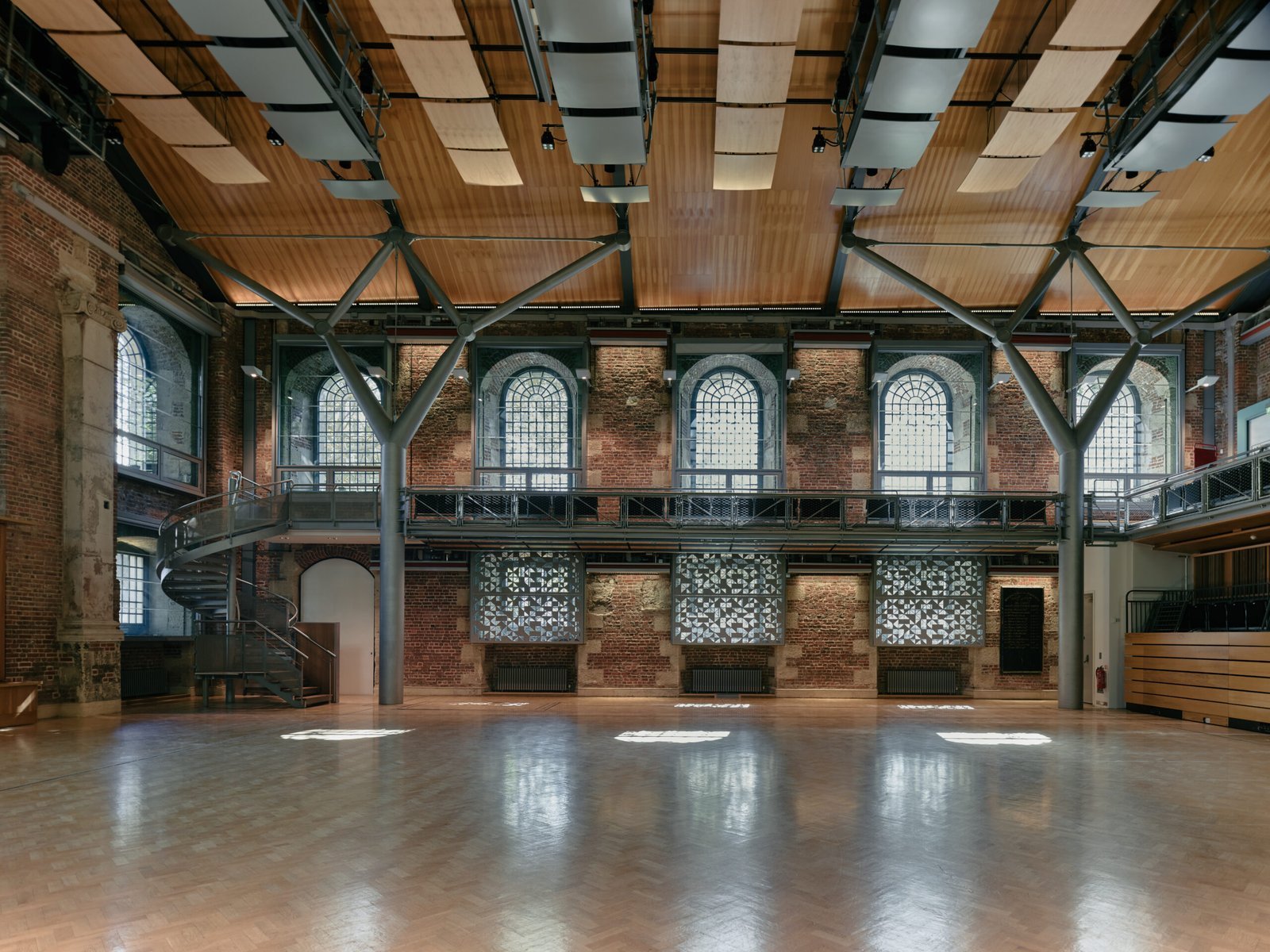
LSO St Luke’s preserves a historic building by giving new work somewhere to happen. The former London church, consecrated in 1733, now holds rehearsal, recording and community activity within an architectural shell whose earlier life remains visible.
The chronology separates several interventions. Levitt Bernstein completed the original conversion for the London Symphony Orchestra in 2003, returned for the Future Ready refurbishment in 2025, and the orchestra introduced its new recording facilities in July 2026. These are not one undifferentiated reopening.
The hall and the supporting rooms
Jerwood Hall received acoustic work within the later refurbishment. The significance is not only the treatment of a main room: supporting spaces allow different activities to take place during the same day, making the building more useful beyond a single performance.
The former café became the Hawksmoor Space for learning and community uses. Improvements to underground rooms, lighting and circulation addressed the less conspicuous parts of arriving and working within the venue.
Audio beyond the room
The Audio Control Room connects with the performance spaces. Its published provision includes Dolby Atmos 7.1.4 monitoring, ATC speakers and an Avid S4 console for recording, mixing and post-production.
A Master Control Room and camera gallery support filmed and broadcast work, while enhanced Clore Rooms provide other rehearsal and recording settings. The equipment is described here as the venue’s technical specification, not as an independent test of its acoustics.
The practical outcome is a connection between the live room and work that continues after a performance. A recording or filmed project can emerge from the same building without asking the old architecture to impersonate a newly constructed studio.
Access is part of conservation
A step-free approach from Old Street, revised pathways, wayfinding and accessible facilities bring preservation into the experience of reaching the room. The façade is not the whole project; neither are the spaces most likely to be photographed.
St Luke’s had already required substantial rescue before its first conversion. The current work extends that restored use rather than freezing the building at an arbitrary historical moment. Its past gives the venue a shape. The next rehearsal gives it a reason to remain open.
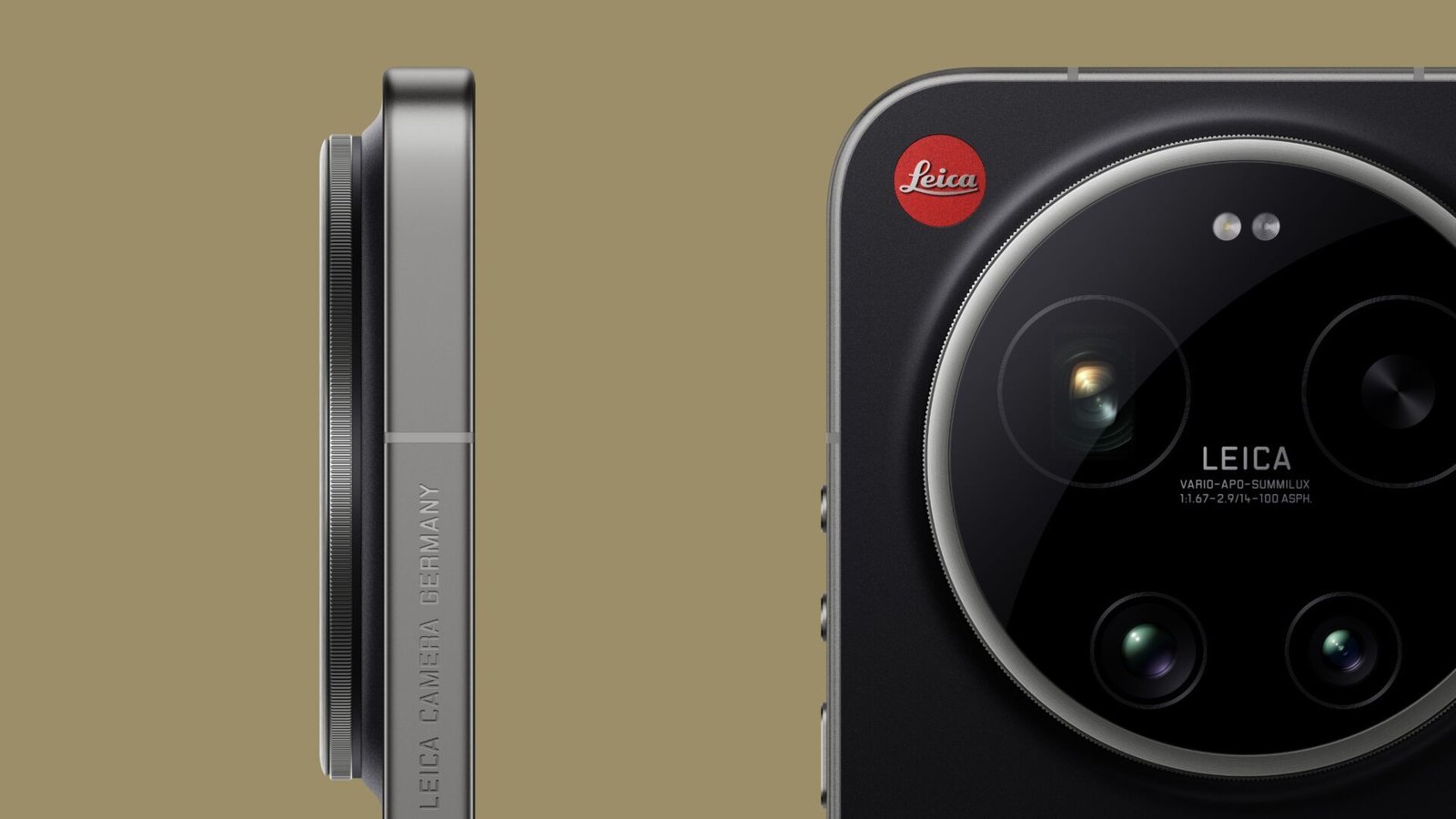
A rotating lens ring, a lens cap, film simulations with Leica names: Xiaomi has turned its partnership with the German house into product language, and Oppo and Sony are answering.
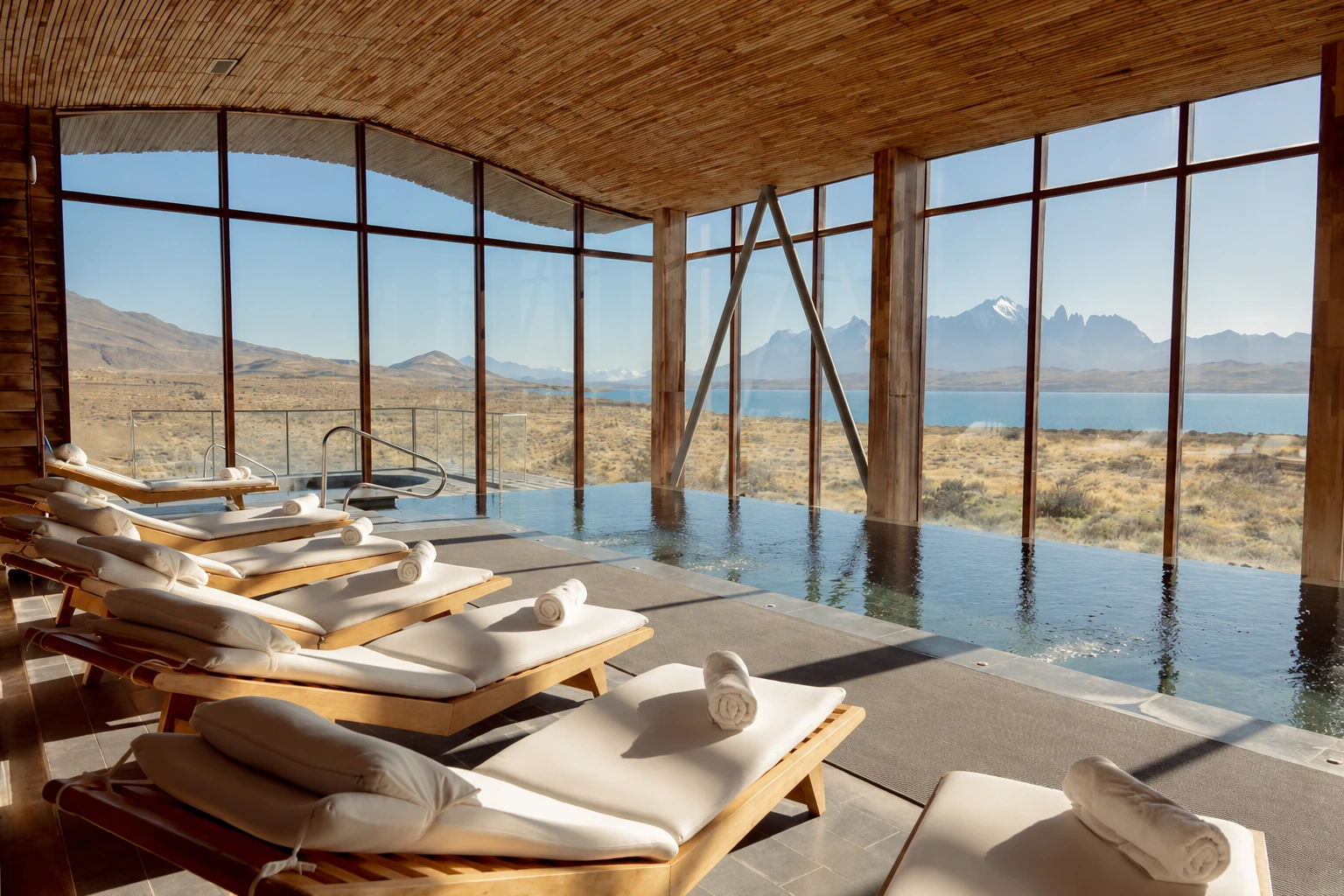
Cazu Zegers’s architecture gives Lake Sarmiento and the Torres del Paine massif the larger role, with rooms, excursions and Uma Spa extending the encounter.
Patagonia
THE CURATED GLOBE / FROM THE EDITORS
Good stories. Better company.
A considered selection of people, places and ideas from WAYFARER Edition, delivered to your inbox.
Welcome aboard. Your first letter is on its way.
We could not complete your subscription. Please check your email and try again.