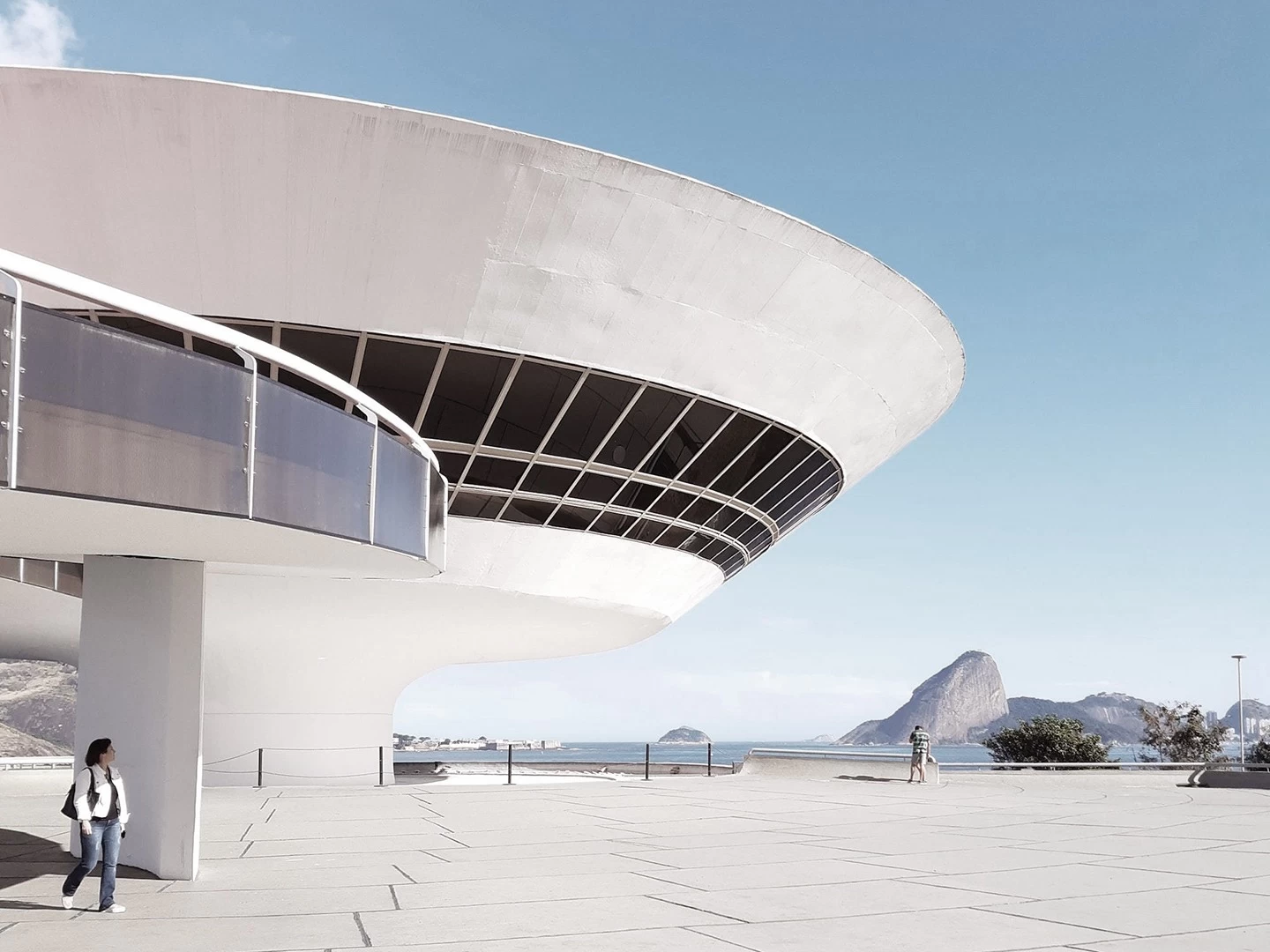
Brazilian modernism becomes clearer when it is read as a relationship between disciplines. Structure, art and landscape were not separate layers added to a finished building. They could shape the project together.
WAYFARER’s July 2026 essay placed the former Ministry of Education and Health building in Rio, now Palácio Gustavo Capanema, at the centre of that conversation. Portinari’s work and Burle Marx’s gardens made the integration visible. Iphan’s documentation confirms their contributions to the building’s artistic and landscape programme.
Brise-soleil introduced another relationship, between the architectural surface and the control of daylight. Pilotis altered how a building met the ground. These devices are more precise points of entry than the claim that an entire national movement can be reduced to curved forms.
The source moved from Lúcio Costa, Oscar Niemeyer and Affonso Eduardo Reidy to Vilanova Artigas and Brasília, assembling different scales and approaches rather than a single object. The enduring question is how an international language responds to climate, site and cultural work. A building can share a modernist vocabulary without sounding identical to another place. Concrete gives it structure. Light, ground and the work of other disciplines give it a particular address.
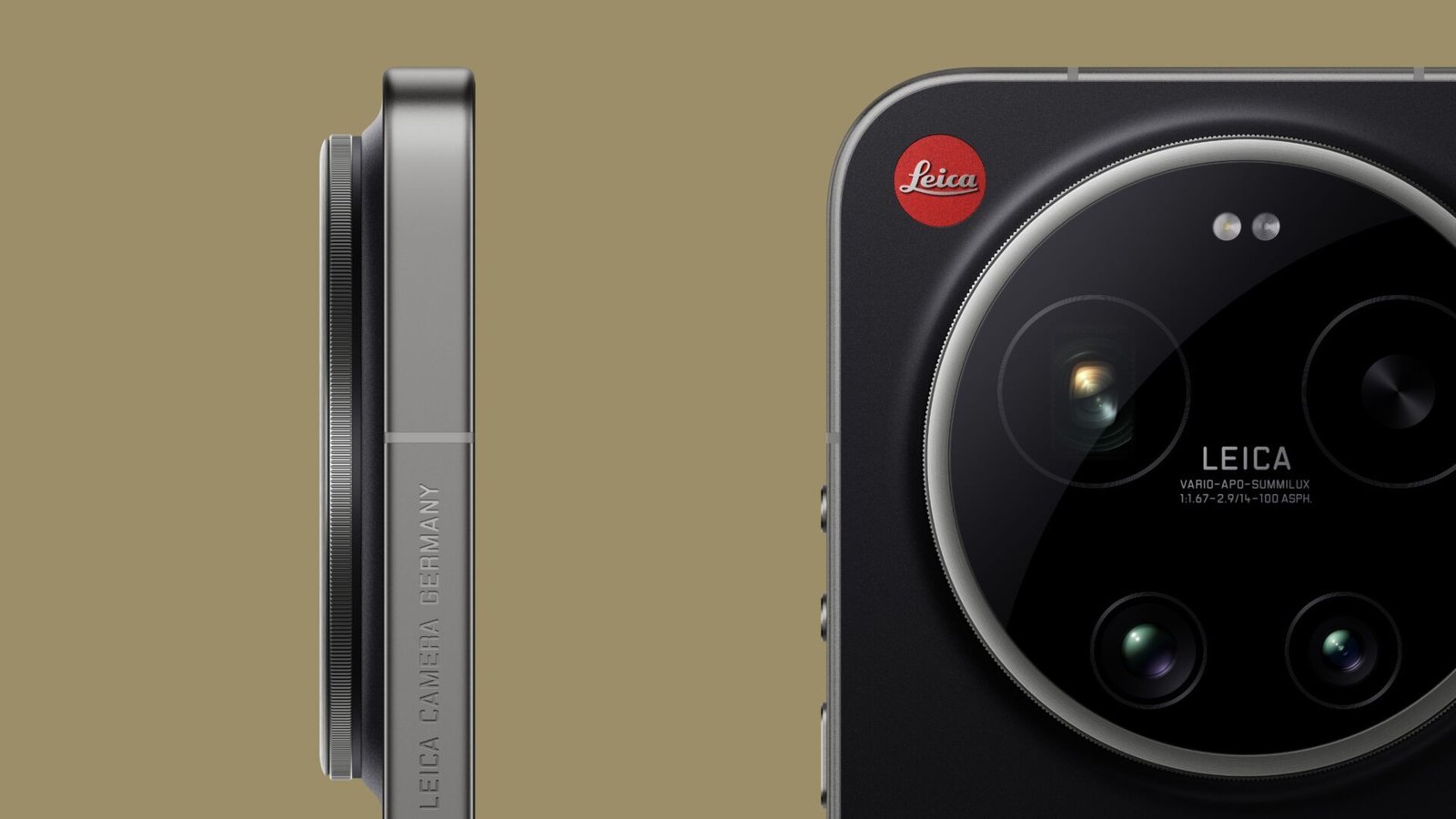
A rotating lens ring, a lens cap, film simulations with Leica names: Xiaomi has turned its partnership with the German house into product language, and Oppo and Sony are answering.
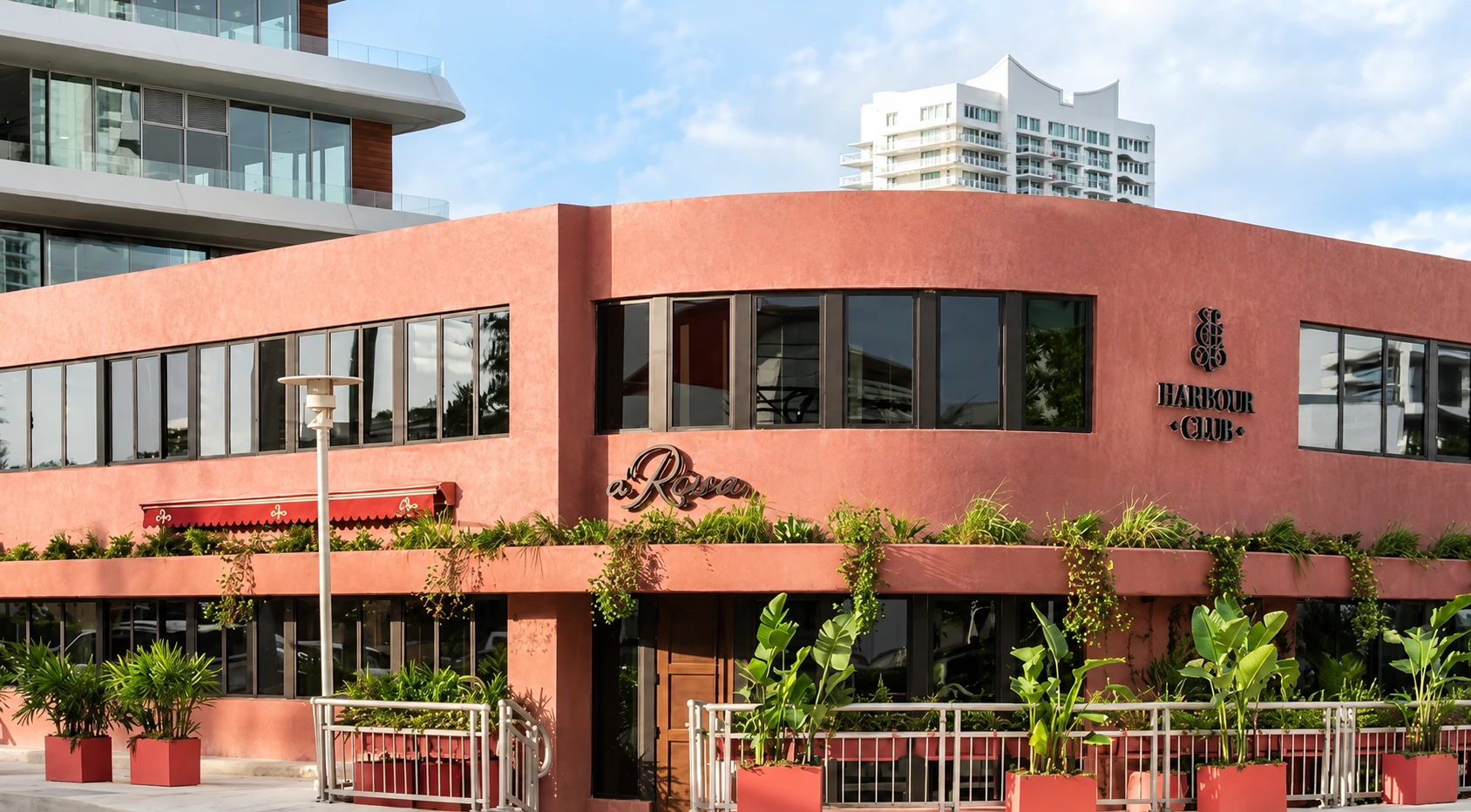
At Sunset Harbour, Yodezeen’s interiors connect a’Riva to a more private social world. The distinction is architectural, but it is also written into access and photography rules.
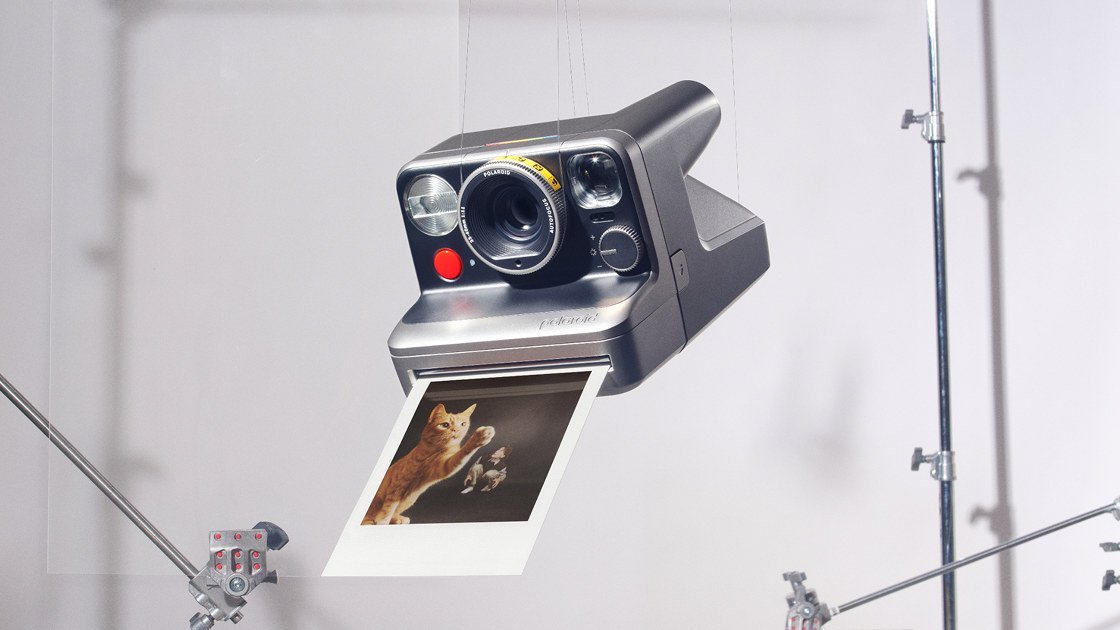
Four creative modes on a physical dial, no menus and no app: Polaroid's new instant camera returns creative control to the amateur, and makes the case for the imperfect frame.
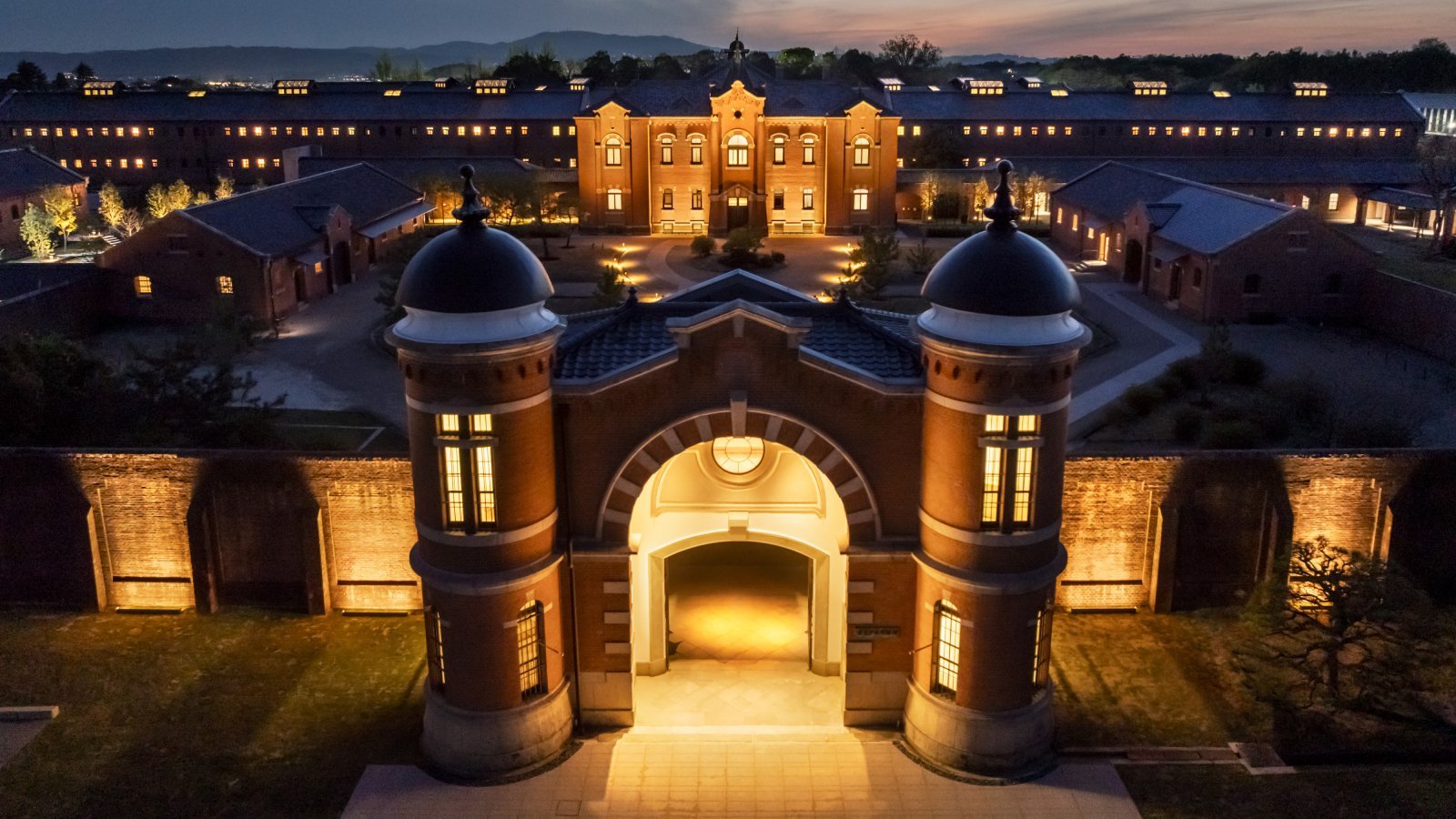
Forty-eight suites occupy the former Nara prison, with original brickwork, a separate museum and a stay built around architecture rather than resort facilities.
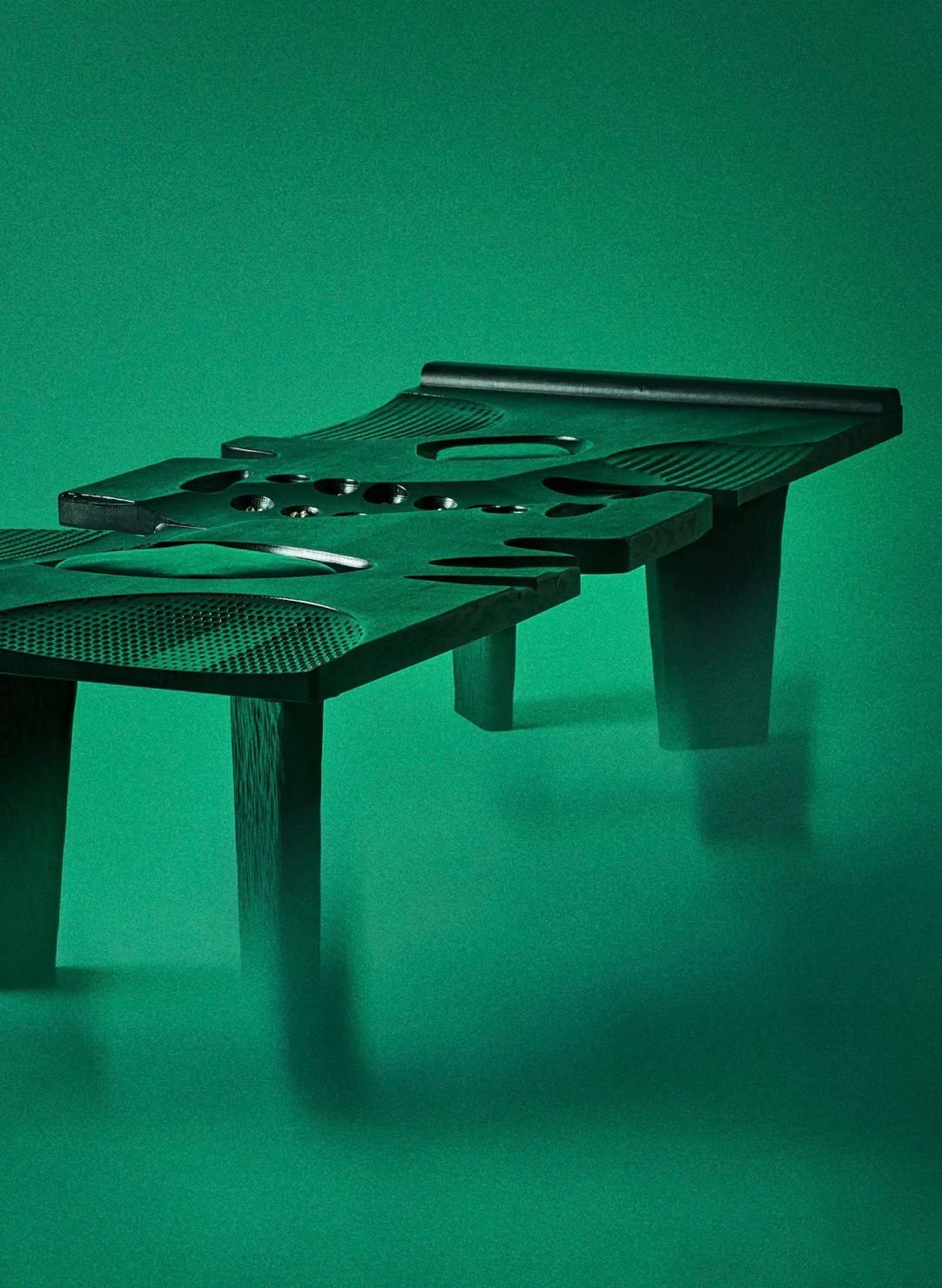
A living material does not necessarily obey the design drawn around it. FUNGI: Anarchist Designers at Rotterdam’s Nieuwe Instituut made that resistance its subject, challenging the idea that fungi matter only when they can be turned into objects or building products.
THE CURATED GLOBE / FROM THE EDITORS
Good stories. Better company.
A considered selection of people, places and ideas from WAYFARER Edition, delivered to your inbox.
Welcome aboard. Your first letter is on its way.
We could not complete your subscription. Please check your email and try again.