
Design / Reportage
Work in Transit: Eight Gadgets for Mobile Productivity
From a 799-gram laptop to an SSD that clings to the back of a phone, eight objects for people who work away from the desk.

THE CURATED EDITION.
Reportage /
A rotating lens ring, a lens cap, film simulations with Leica names: Xiaomi has turned its partnership with the German house into product language, and Oppo and Sony are answering.
WAYFARER Edition · Design | Technology
For years the smartphone tried to make the camera disappear. Now it wants to look like one.
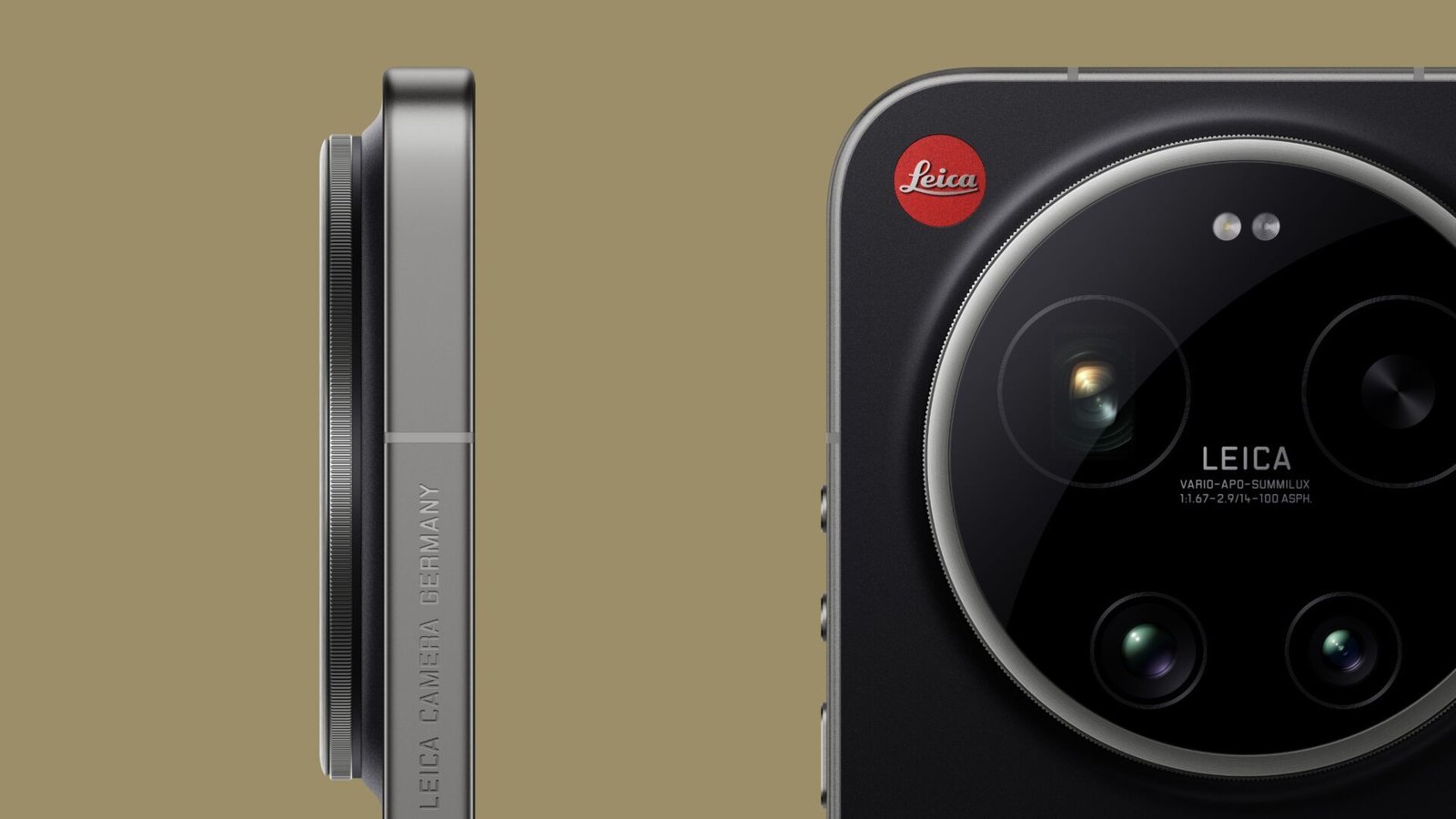
No one takes the idea further than Xiaomi. Partnered with Leica since 2022, the Chinese maker has turned the alliance into product language: a lens ring that turns, a lens cap, a strap, film simulations carrying the German house’s names. This month the brand began taking its Xiaomi 18 Pro line beyond China, and the race for the phone that behaves like a camera gained another chapter.

The turning point was the Leica edition of the Xiaomi 17 Ultra, launched in China at the end of December 2025. Around the camera cluster, a mechanical ring wakes the camera when rotated and controls zoom, detecting movements of 0.03 millimetres. It can be reassigned to exposure compensation or manual focus. In the box: a lens cap, lanyard, magnetic case and branded cloth. In the software: the 3:2 Leica Moments modes and simulations such as the Monopan 50 black and white.
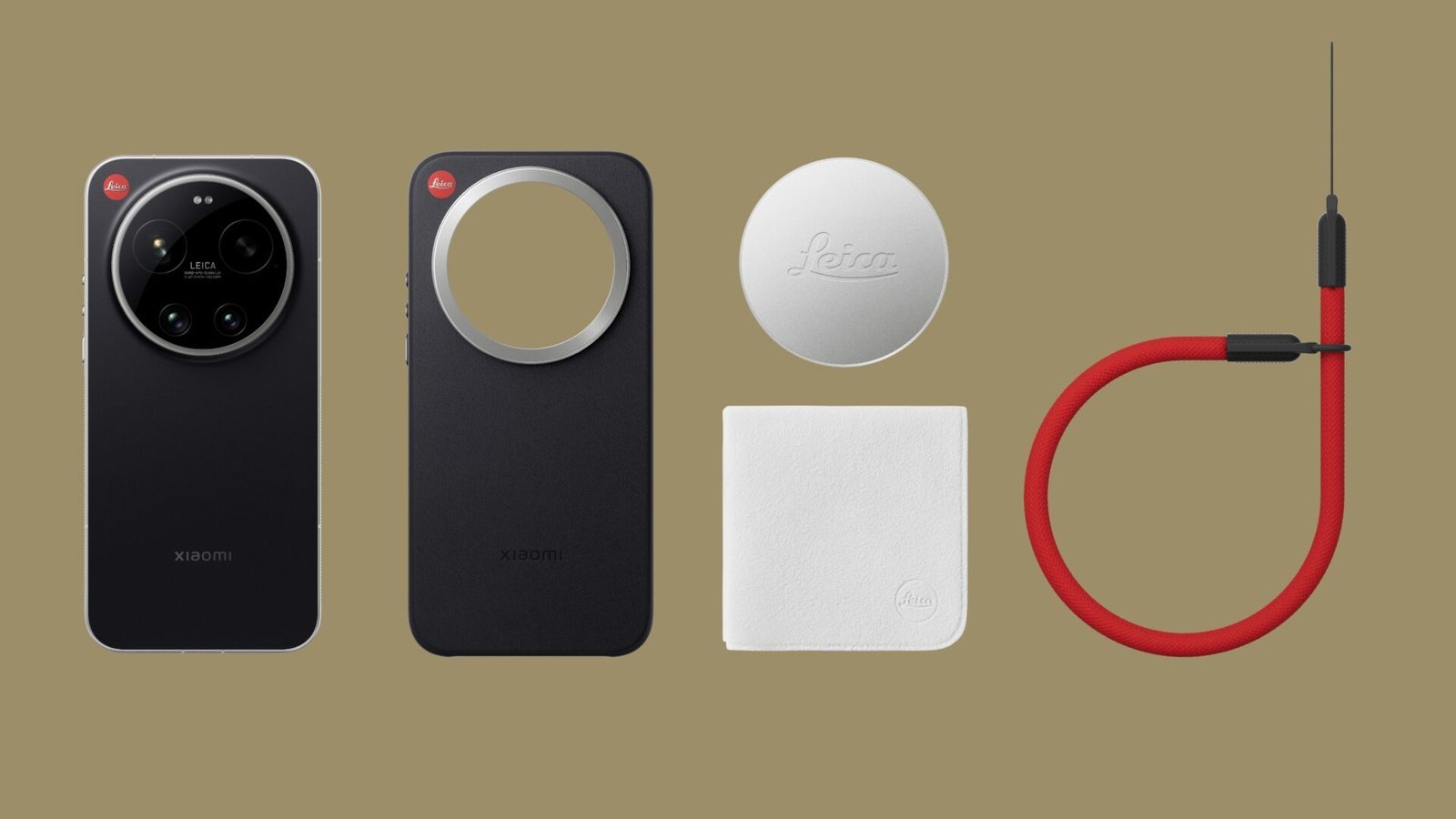
In February 2026, in Barcelona, the concept got a name of its own for Europe: the Leica Leitzphone powered by Xiaomi, at €1,999. Three cameras developed with Leica, a 50-megapixel main camera with a one-inch sensor, a 200-megapixel telephoto spanning 75 to 100 millimetres and a 50-megapixel ultra-wide, plus the Leica Camera Ring on the back. For those who want more, the Photography Kit Pro, sold separately at €199.99, adds a grip, shutter button and a 2,000 mAh battery.
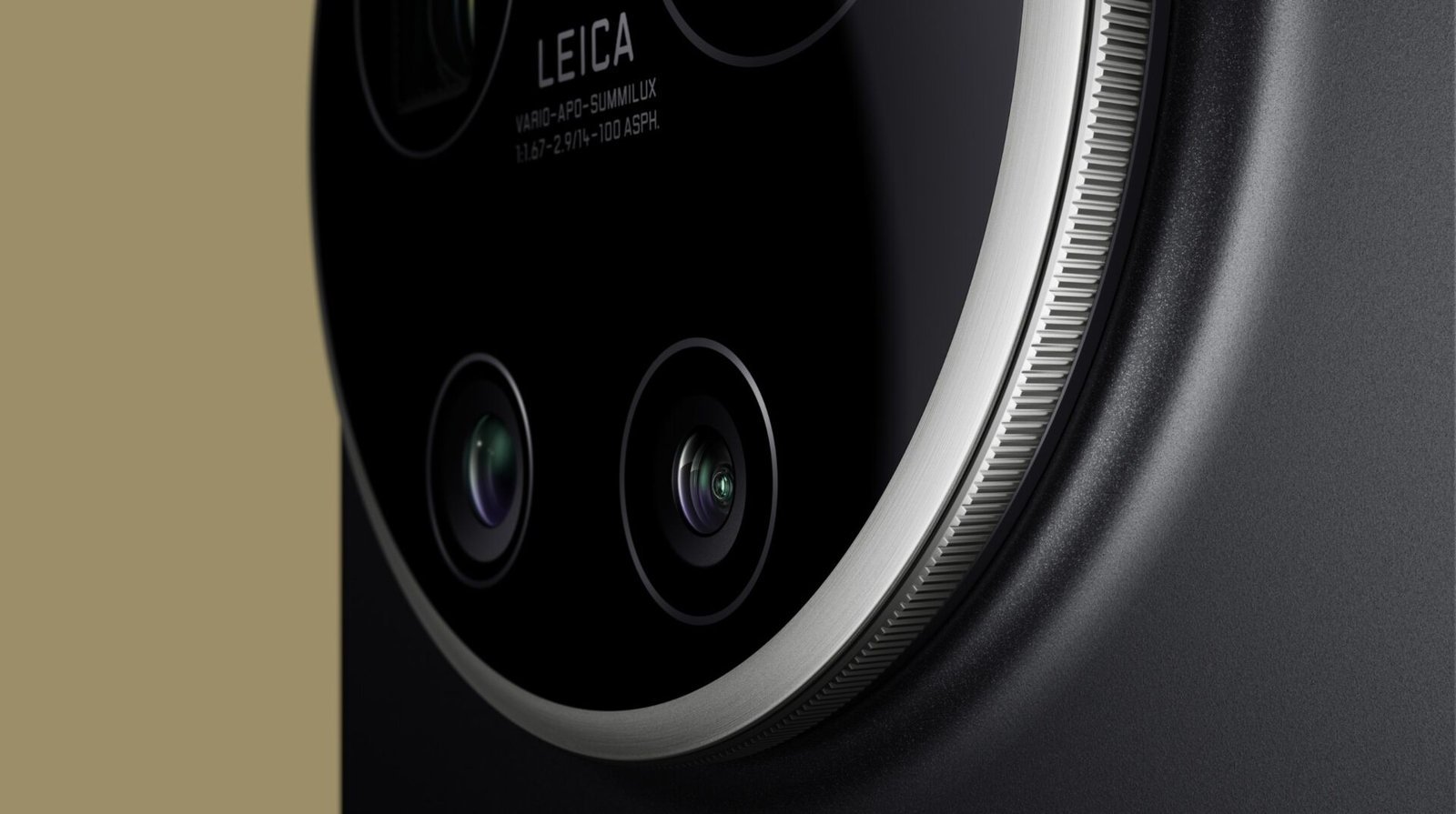
The next generation changes strategy. The Xiaomi 18 Pro and 18 Pro Max carry two 200-megapixel cameras signed by Leica: the main one, with a 1/1.28-inch sensor, and a 75-millimetre periscope with 3.2x optical zoom. The most visible novelty is a small AMOLED screen on the back, 2.7 inches on the Pro and 2.9 on the Pro Max, which works as a viewfinder for shooting with the main cameras, selfies included. Video goes up to 8K at 30 frames per second and 4K at 120.
The line began reaching international markets in November. In the United Kingdom, prices start at £1,199 for the Pro and £1,399 for the Pro Max.
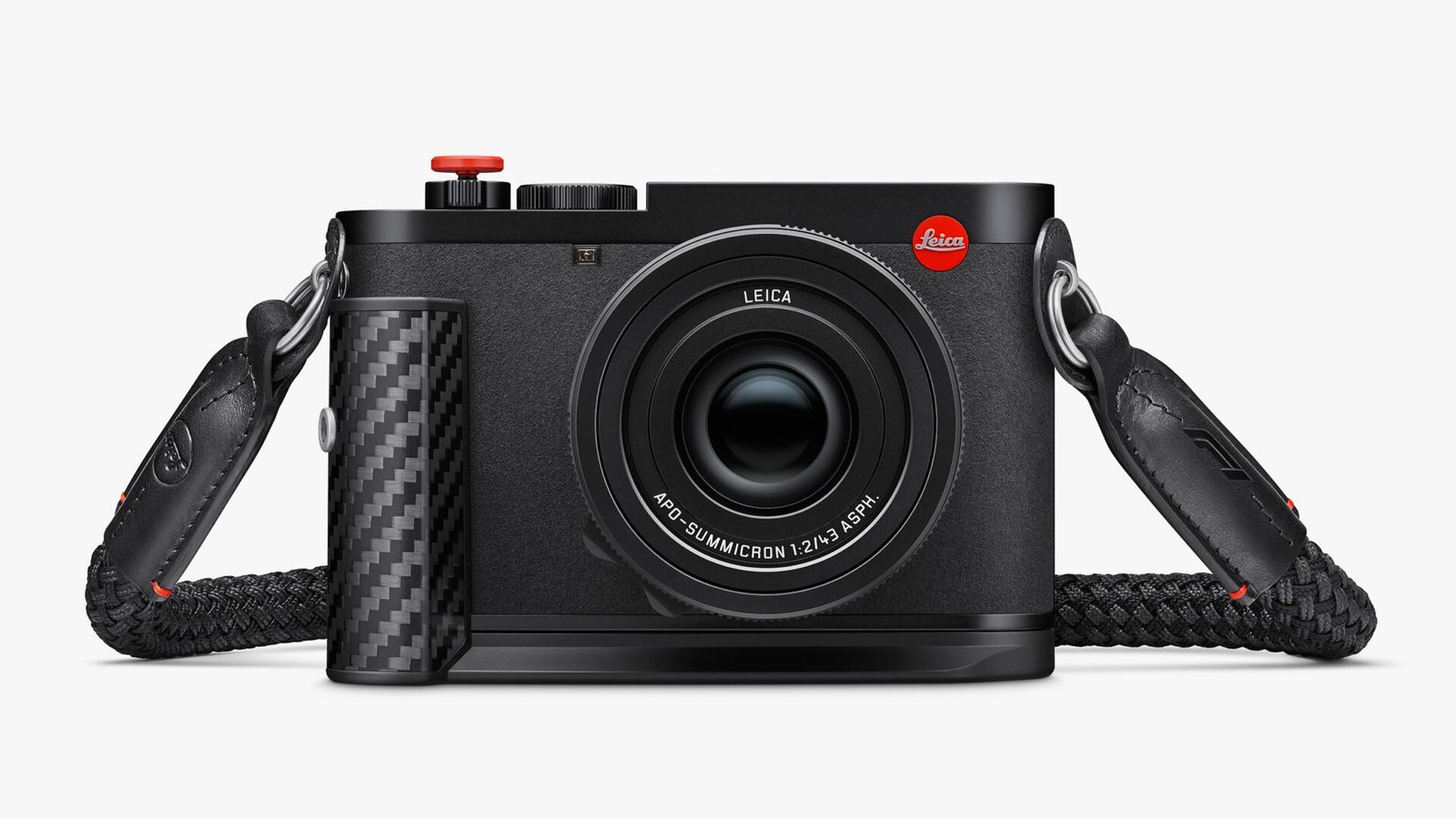
Xiaomi is not alone. Oppo answers with Hasselblad: the Find X9 Ultra, launched globally in April, pairs a 200-megapixel main camera with a 200-megapixel 3x telephoto and a 50-megapixel 10x. The optional Earth Explorer kit adds a case threaded for 67-millimetre filters and a 300-millimetre teleconverter. In Europe it starts at €1,699.

Sony takes another road, that of the company making the sensors inside many of its rivals. The Xperia 1 VIII, unveiled in May, keeps the physical shutter button and the 3.5-millimetre headphone jack, carries 16, 24 and 70-millimetre cameras and a telephoto with a sensor four times larger than the previous generation’s. It starts at €1,499.
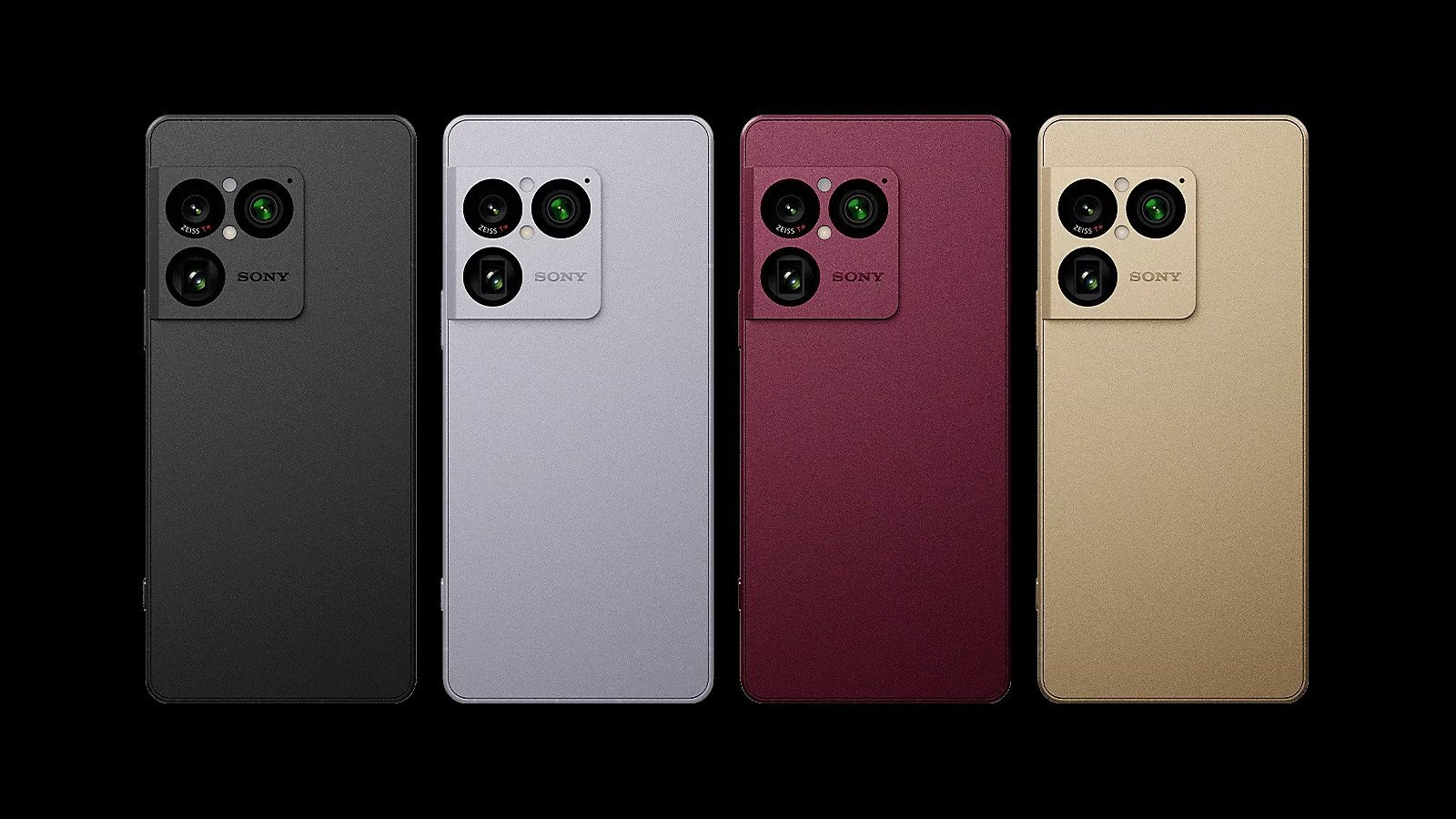
The phone spent years trying to erase the camera from our pockets. Now it turns rings, accepts a lens cap and signs with century-old names. The camera never disappeared. It simply changed bodies.
Details
Leica Leitzphone powered by Xiaomi: €1,999 (Europe)
Xiaomi 17 Ultra Photography Kit Pro: €199.99
Xiaomi 18 Pro and 18 Pro Max: from £1,199 and £1,399 (UK)
Oppo Find X9 Ultra: from €1,699 (Europe)
Sony Xperia 1 VIII: from €1,499 (Europe)
The WAYFARER Edition editors.
CONTINUE READING
Design / Reportage
From a 799-gram laptop to an SSD that clings to the back of a phone, eight objects for people who work away from the desk.

Design / Reportage
Developed with the robotics company Dephy, Nike's Project Amplify is a powered footwear system for running and walking. A year after its unveiling, it remains in testing, with a consumer launch still some years away.
Design / Reportage
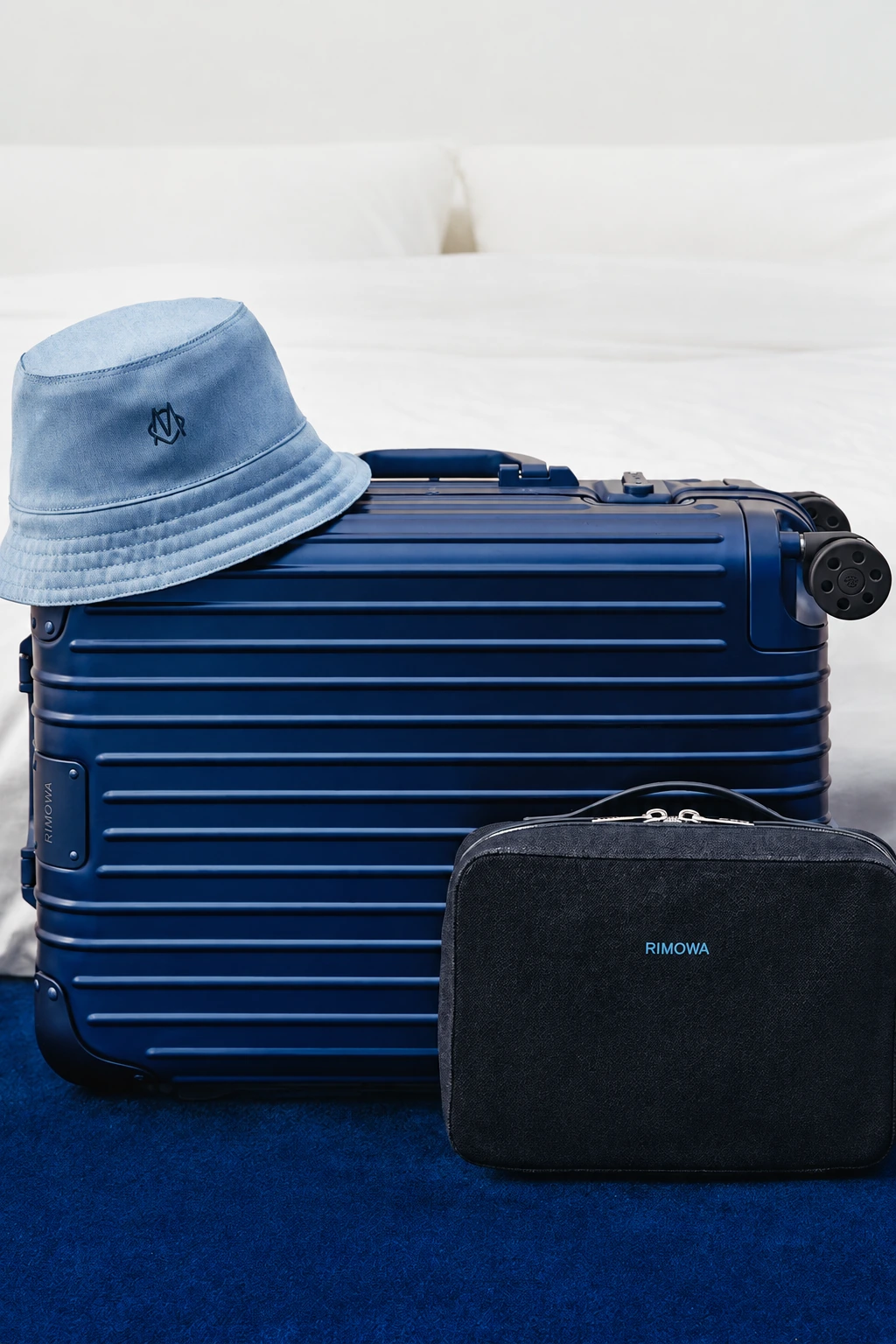
The permanent finish connects Cabin, Check-In L and Trunk Plus with a campaign following Sydney Lemmon through Shanghai.

Design / Reportage
At the entrance to Montenegro’s Bay of Kotor, the restored island combines thirty-two rooms with a responsibility that design alone cannot fulfil.

Cities & Addresses / Reportage
Praxis, the online community that calls itself the first digital nation, has chosen the coast beside Colonia del Sacramento for its first physical settlement. The town next door has a three-century head start.

Design / Reportage
A chair and a chaise longue divide the room’s functions. The new first-class suite makes that separation, rather than a door, its central design decision.
THE CURATED GLOBE / FROM THE EDITORS
A considered selection of people, places and ideas from WAYFARER Edition, delivered to your inbox.
Free. No data sharing. Unsubscribe in one click.