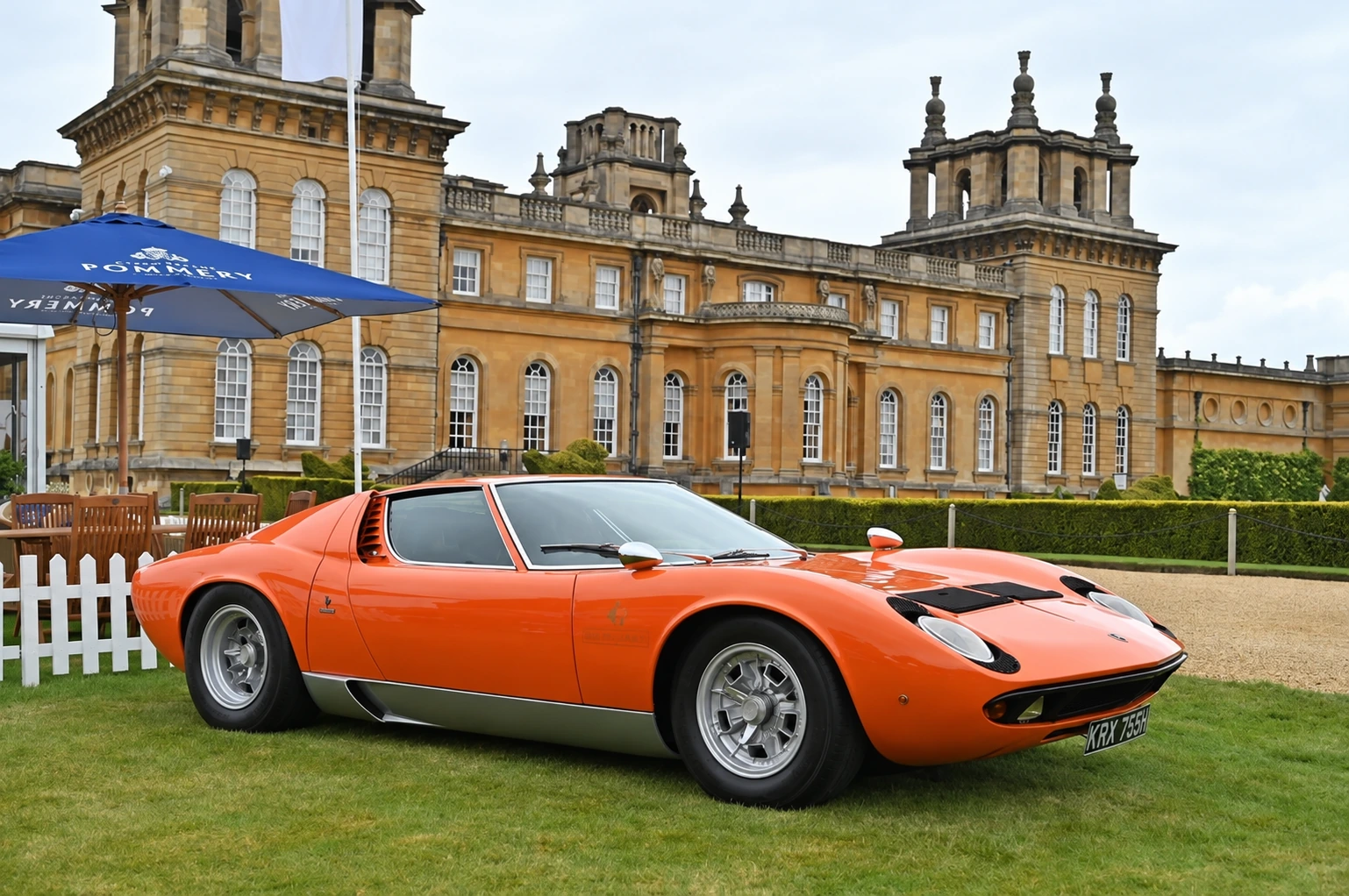
The Miura’s engine sits behind the occupants and across the car. That transverse V12 arrangement was not merely a technical detail beneath attractive bodywork. It helped determine the low proportions that made the Lamborghini’s 1966 Geneva appearance so different from a conventional grand tourer.
Gian Paolo Dallara, Paolo Stanzani and Bob Wallace developed the project within a young company still establishing its identity. Ferruccio Lamborghini’s interest in road-going grand touring supplied a different starting point from a racing programme built around competition results.
Gandini and the body
At Bertone, Marcello Gandini gave the mechanical arrangement a body whose height, curves and visual concentration made the engineering legible. He was twenty-seven at the time of the Geneva presentation. The Miura’s force came from the whole proportion, not from an isolated decorative feature.
The P400’s four-litre V12 was rated at 350 metric horsepower. The later SV reached 385, alongside changes that made it more than the same shape with another badge. The model’s evolution deserves to remain visible within the familiar anniversary image.
A road car enters cinema
The opening of The Italian Job in 1969 gave the Miura another kind of life. Its engine sound and the mountain-road sequence made the car part of the film’s visual language before the plot developed. The orange P400 became a widely recognisable image of a particular kind of motoring.
That cultural role does not replace the engineering story. It depends on it: the low body, the V12 and the relationship between driver and road made the sequence possible as an image worth remembering.
The anniversary in Sant’Agata
For its sixtieth anniversary, Lamborghini’s Born Incomparable exhibition runs at the company museum from 18 March 2026 into January 2027. It places the car’s development within a present-day account of the marque’s history.
Calling the Miura an early defining supercar is more useful than making an unqualified claim that no mid-engined production car existed before it. Its achievement is specific enough: it gave a demanding mechanical arrangement a body and a public image that continue to influence how a sporting road car is imagined.
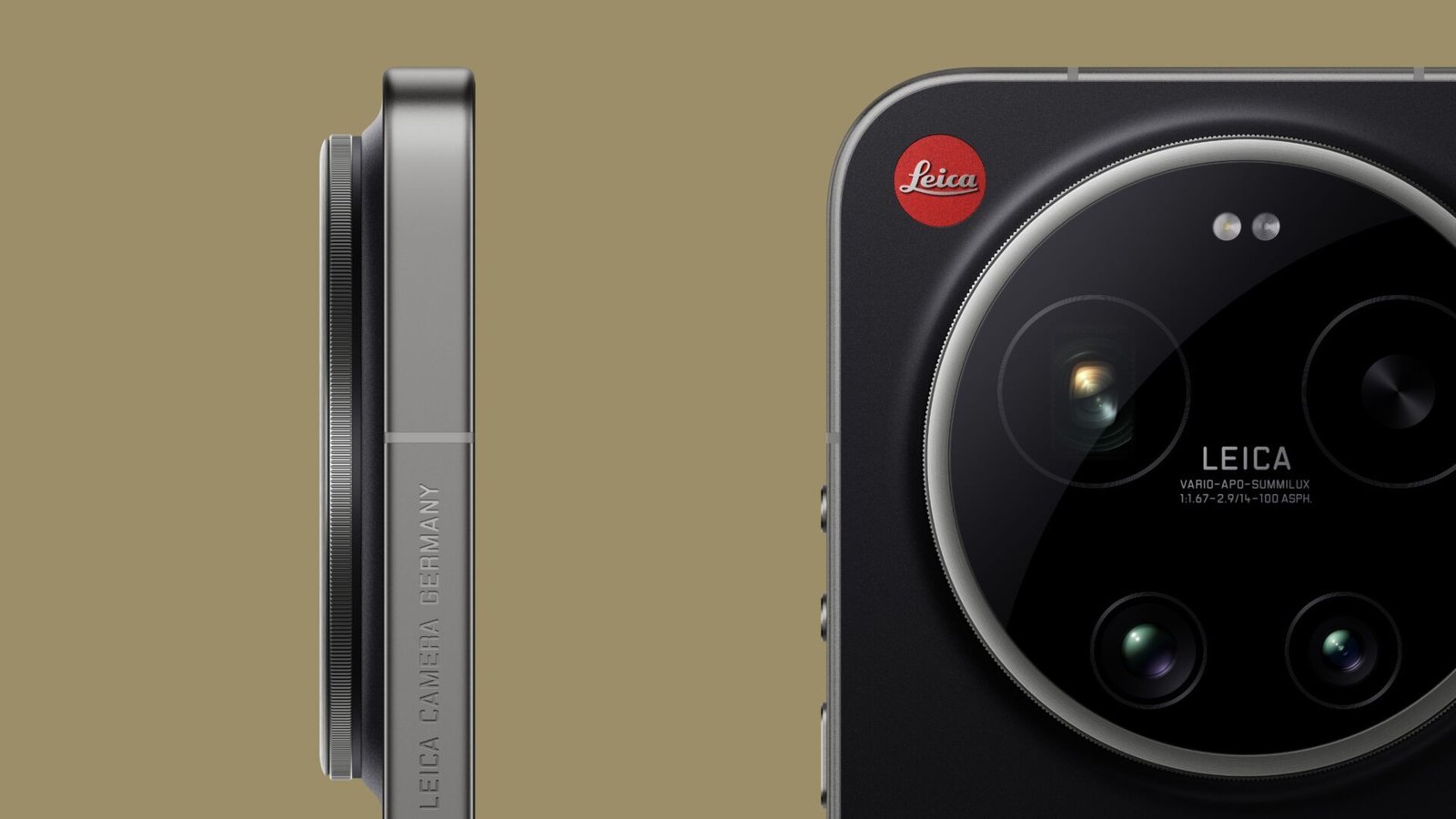
A rotating lens ring, a lens cap, film simulations with Leica names: Xiaomi has turned its partnership with the German house into product language, and Oppo and Sony are answering.
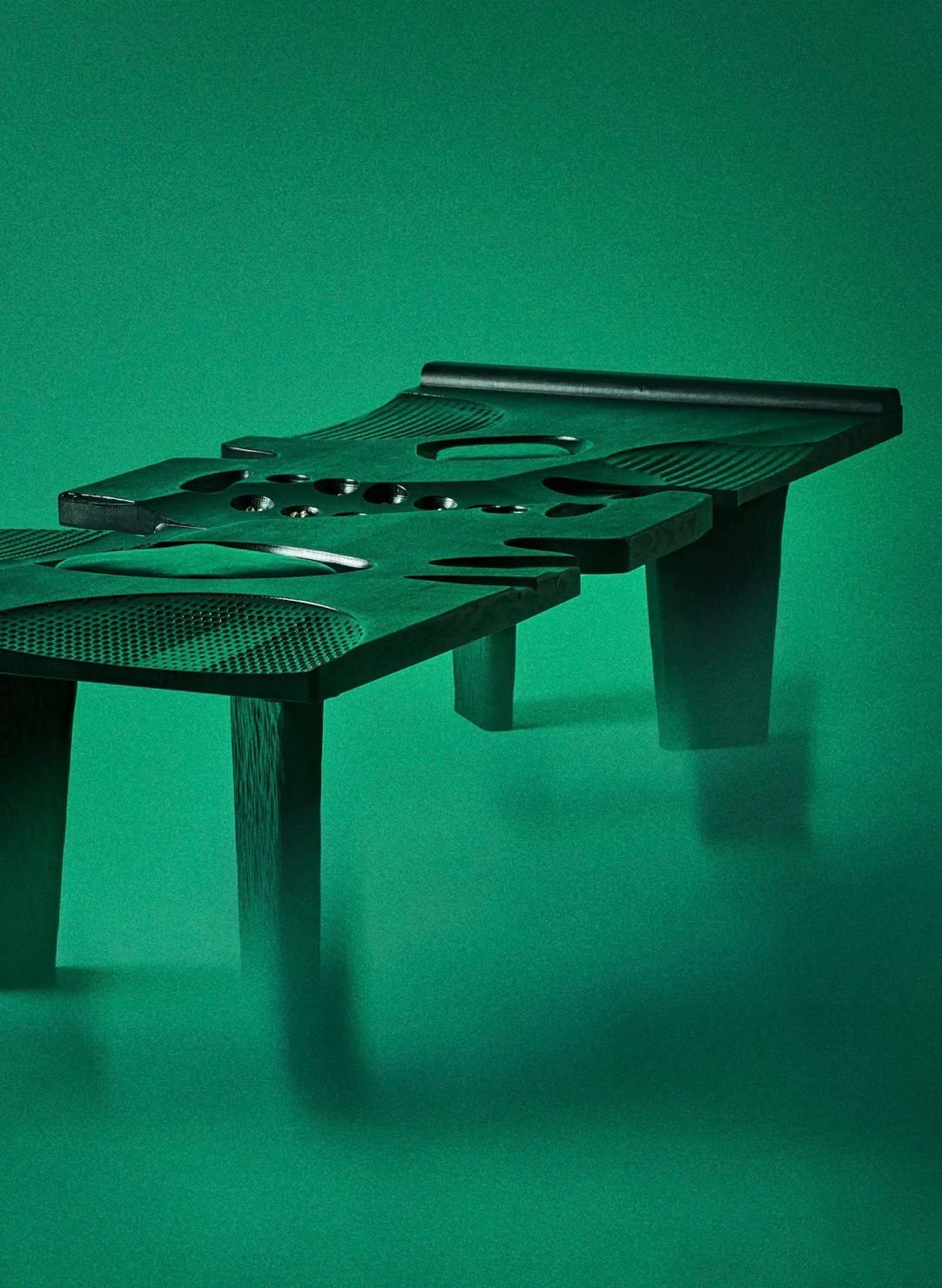
A living material does not necessarily obey the design drawn around it. FUNGI: Anarchist Designers at Rotterdam’s Nieuwe Instituut made that resistance its subject, challenging the idea that fungi matter only when they can be turned into objects or building products.