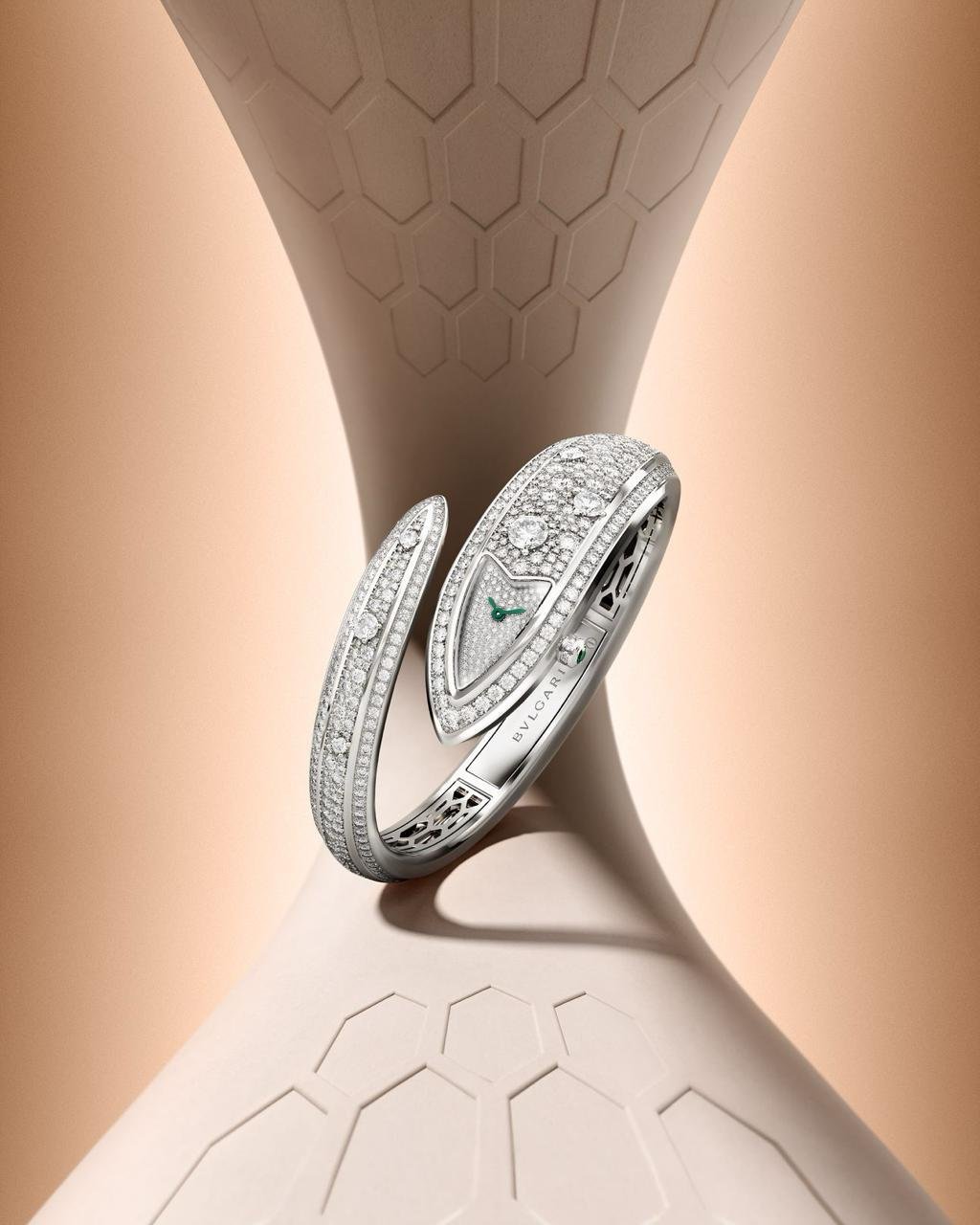
Serpenti Aeterna makes the serpent recognisable without relying on its face. Bulgari’s 2025 design reduces the familiar animal to a continuous form around the wrist, shifting attention from eyes and scales to silhouette and closure.
What survives the reduction
Gold and diamonds follow the outline rather than establishing a separate decorative scene. The serpent remains in the direction of the form: the way it turns, narrows and returns around the body. Its identity depends on that relationship, not on a literal head added at the end.
Fabrizio Buonamassa Stigliani’s approach concentrates the motif into a small number of lines. Reduction is therefore selective. The design does not discard the house’s vocabulary; it chooses which part can carry recognition at a distance.
The fastening belongs to the shape
An integrated fastening supports that continuity. A closure is often where a bracelet interrupts its own visual argument. Here, its place within the form becomes as important as the surface surrounding it: an object meant to encircle the wrist must still open and close.
The reverse retains a hexagonal scale reference. It offers another reading at closer range, separating the outward silhouette from detail encountered when the object is handled. The animal has not vanished. Its signs have moved.
Design, not a borrowed performance claim
The case and bracelet can be examined as one composition without treating their sculptural coherence as proof of mechanical performance. Movement specifications belong to the particular reference, while weight and comfort require an actual encounter on the wrist.
Aeterna’s strongest proposition is visible before those judgements: a symbol can become less literal and still remain unmistakable. The fastening, the reverse and the outline carry different parts of the same image.
Where the watch meets the jewel
Aeterna is a watch, and the dial remains part of the sculptural proposition. Its time display sits within a form whose continuity draws the eye around the wrist. That creates a different visual hierarchy from a conventional watch with a clearly separate case and strap: the enclosing shape and the act of reading time have to coexist.
The design also invites two distances of attention. From across a room, the outline supplies recognition. Close to the wrist, the dial, diamonds, fastening and reverse establish how the object has been resolved. Neither view is sufficient on its own. A familiar motif can survive abstraction because these elements divide the work of recognition between them, rather than repeat the serpent literally on every surface.
Bernard Arnault's youngest son traded volume for craft and made Louis Vuitton watches a serious subject among collectors. A portrait of an executive who has learned to measure success in years rather than quarters.
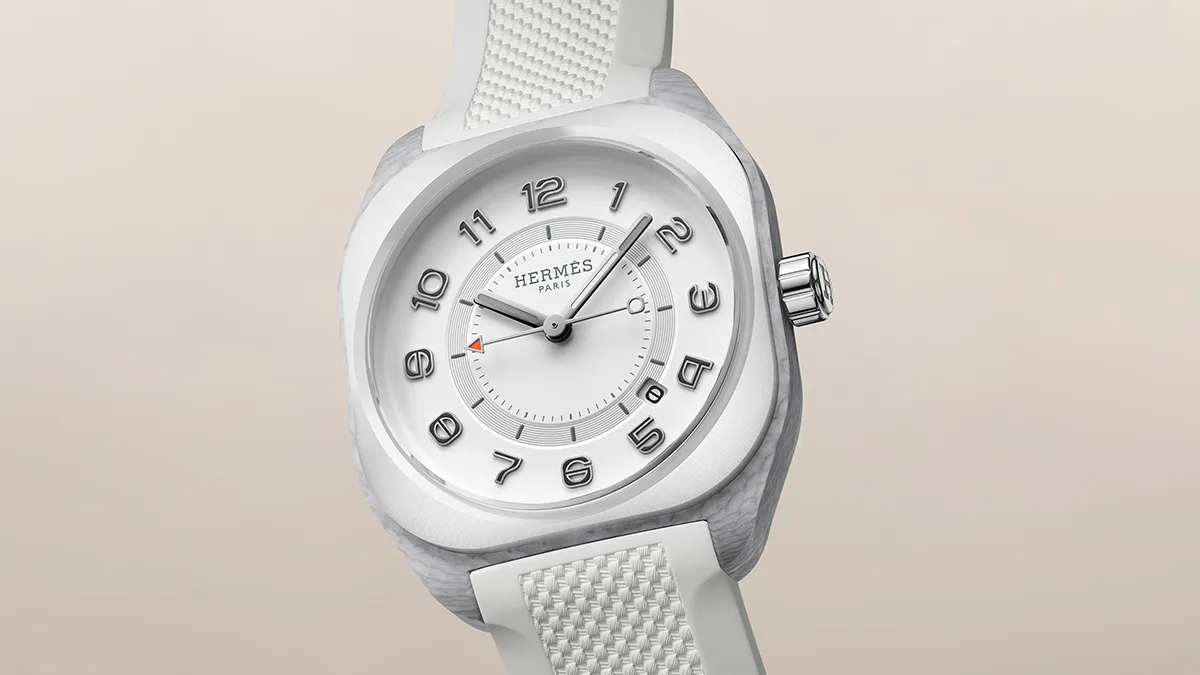
Almost half a century after its first watch, Hermès is still building its legitimacy in fine watchmaking. Laurent Dordet and Philippe Delhotal on the patience behind the H08 and the prize-winning Le Temps Suspendu.
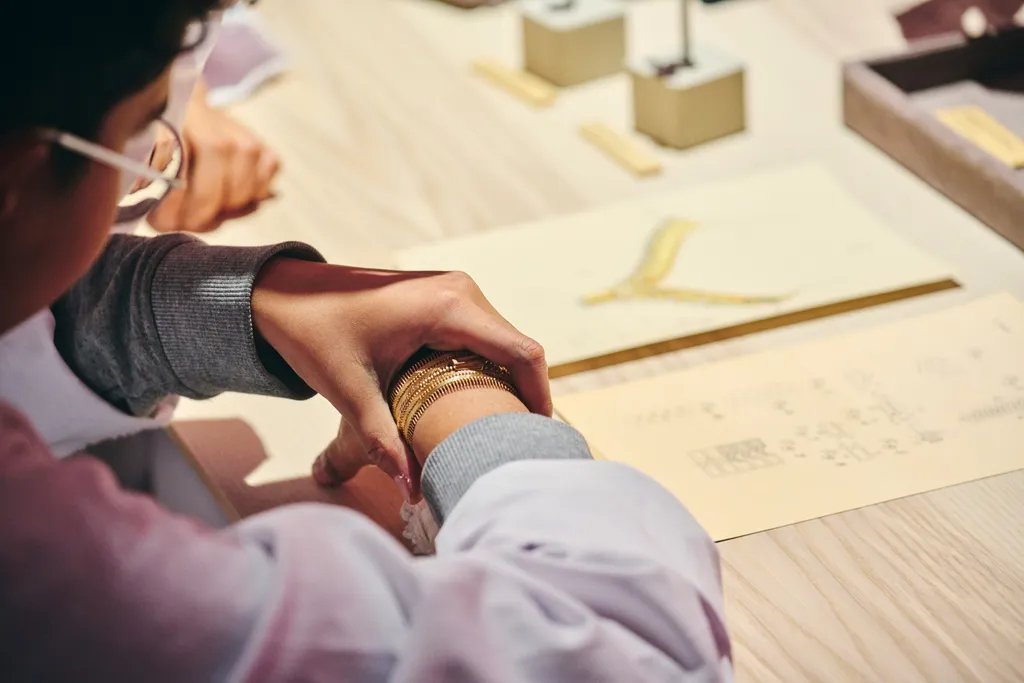
A jewel reaches the display case as a finished object, but its making depends on several professions whose work is rarely visible together. Van Cleef & Arpels's De Mains en mains programme reverses that perspective. It begins with the people, tools and stages behind a piece, asking how those skills can be understood by students, career changers and the wider public.